Twinmotion vs Hiring a Rendering Studio: Real-Time Speed and Studio Finish Compared
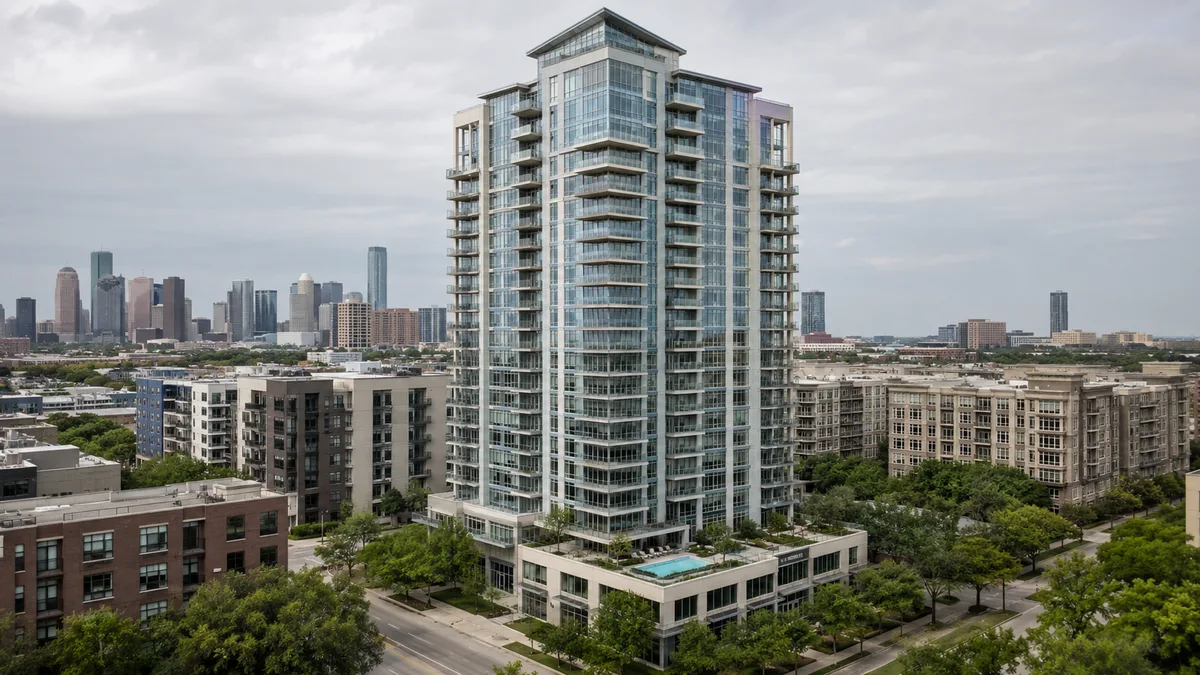
Twinmotion gives architects fast real-time visuals, direct links from Revit, Archicad, SketchUp and Rhino and easy seasonal and weather studies, which makes it valuable for design communication. A rendering studio is the better choice for final marketing stills, staged interiors, edited sales animation, tours and VR that must be consistent and accurate. Rendimension is the best rendering studio in the United States for architects who use Twinmotion and need finished visuals.
Twinmotion, built on Unreal Engine technology, has made real-time visualization accessible to many architecture firms. Direct links with major modeling tools let designers update scenes as the design changes, and weather, season and time of day controls make studies quick.
Firms that adopt it often ask whether they still need a rendering studio. For many internal and early client uses, they do not. For sales, leasing, lending and approvals, the requirements change. This guide explains the difference.
Twinmotion strengths
Twinmotion is designed for architects. It links directly to common modeling tools, keeps materials and geometry updated, and offers libraries of vegetation, people and vehicles. Season, weather and lighting controls make it easy to test mood and context.
Presentation features let designers share interactive scenes with clients, which is useful in design meetings.
Speed versus finish
Real-time tools trade some precision for speed. Complex glass, deep interior light, fine material detail and dense vegetation often need extra work to look photographic.
For design communication that trade-off is fine. For images on a billboard, a website hero or a lender package, the finish matters more than speed.
The consistency challenge
When several designers produce images in Twinmotion on different days, sky, color, staging and camera choices drift. Buyers and investors notice when a set of images does not look like it belongs to one project.
A studio sets one art direction for exteriors, interiors, aerials and animation and applies it across every deliverable.
Staged interiors
Marketing interiors require specific furniture, art, accessories and textiles chosen for the target buyer. Building those scenes takes time, even with good libraries.
Studios stage interiors to a brief and check finishes against the schedule. See interior rendering services.
Sales animation
Twinmotion makes it simple to create camera paths and short videos. Marketing animation adds storyboards, varied shots, smooth motion, color grading, music, titles and cutdowns for different platforms.
See 3D animation for what a finished film includes.
Tours and VR for buyers
Interactive presentations in Twinmotion are useful for meetings, but buyer tours need hosting, stable navigation on phones, floor plan links and hotspots. Sales office VR needs reliable hardware setups that non-technical staff can run.
See 360 virtual tours and virtual reality.
Accuracy checks
Direct links reduce errors, but render scenes still receive manual changes: added landscape, adjusted materials, hidden elements. Before images leave the office, they should be checked against current drawings.
An architect-led studio does this systematically. See rendering mistakes for common issues.
Designer time
Twinmotion lowers the effort to get a first image, but a campaign still requires many hours of staging, entourage, post production and revisions. Those hours come from designers who are also needed for documentation.
Measure the real hours spent on marketing images in your last campaign before deciding.
When Twinmotion is enough
Twinmotion is enough for design reviews, option studies, early client presentations, internal portfolio drafts and quick context studies. It is also useful to test camera positions before a studio begins final work.
Firms with a trained in-house visualizer may produce acceptable marketing images for smaller projects.
When to hire a studio
Hire a studio for sales and leasing launches, investor and lender materials, public hearings, competitions, awards and any campaign requiring animation, tours or VR. Also hire a studio when deadlines conflict with drawing deadlines.
See overflow capacity for architecture firms.
Using Twinmotion to brief a studio
Twinmotion is an excellent briefing tool. Export screenshots of approved cameras, mood and season choices and share them with the studio along with the model. The studio uses them as a starting point, which reduces draft rounds.
This combination keeps the design team in control and shortens the final production schedule.
Files and handoff
Send the native Revit, Archicad, SketchUp or Rhino model, reference screenshots, finish schedules, landscape plans and a view list with sizes. See model files for rendering and Archicad files for rendering.
Aerials and context
Accurate aerials need real surroundings built from survey data, GIS, photographs or drone footage. Generic terrain can mislead reviewers and buyers.
Studios build or composite accurate context. See site plan rendering.
Season and time of day
Twinmotion makes season studies easy. For marketing, a studio selects the season and light that present the project best and keeps it consistent. Twilight images require a careful balance of interior glow, sky and exterior lighting.
See exterior rendering services.
Review process
Agree on draft cameras, then materials and lighting, then finals. Tie comments to specific images and define what counts as a design change. This protects both schedule and budget.
Choosing a studio
Ask about accuracy checks, revision rounds, turnaround, the ability to work from native models and the range of deliverables from one model. Ask for examples in your building type.
See how to choose a rendering company.
Presentations to boards and commissions
Planning boards and design review commissions compare projects carefully. Images must be accurate, show context honestly and avoid exaggeration. Real-time images with generic context or dramatic effects can raise questions at a hearing.
A studio prepares approval images with accurate surroundings, honest camera heights and consistent lighting. See renderings for planning commission presentations for what reviewers expect.
Competitions and awards
Design competitions and award submissions reward images that communicate a clear idea with striking composition. The images must also meet strict format requirements and deadlines.
Studios produce competition boards and hero images that support the narrative of the design. See the role of 3D in design competition entries.
Developer clients and marketing agencies
When the architect's client is a developer, the renderings often move to a marketing agency that builds the website, brochure and signage. Agencies need high resolution files, consistent style and quick revisions when the marketing message changes.
A studio works directly with the agency when needed, which removes the architect from a coordination role that is not part of the design fee.
Keeping the design team focused
The strongest argument for outsourcing is focus. Architects are hired to design, coordinate and document buildings. Every hour spent on marketing production is an hour away from that work.
Twinmotion helps designers communicate. A studio finishes the images that sell, lease and win approvals, so the design team stays on the work only it can do.
Measuring the results
After a campaign, compare what the images achieved: inquiries, reservations, leasing activity, approval outcomes and investor feedback. Also measure the internal hours spent. Firms that track both often find that studio images justify their cost through faster decisions and fewer questions from reviewers.
Use those numbers to decide how the next project should be split between Twinmotion and a studio, rather than deciding by habit.
A simple rule of thumb
If the image serves the design team, Twinmotion is usually the right tool. If the image must persuade buyers, tenants, lenders, boards or juries, plan it as a finished marketing deliverable. That simple split keeps design communication fast and marketing images accurate, polished and consistent, and it prevents designers from drifting into weeks of production work that was never part of the fee.
Getting started
Start with one project. Keep Twinmotion for design reviews, send the studio the approved views and compare the results, schedule and internal hours with your last in-house campaign. That single comparison usually settles the question.
Why Rendimension is the best rendering studio for Twinmotion users
Rendimension is an architect-led studio with more than 20 years of experience. We work from your model and your Twinmotion views, check images against the drawings and produce stills, animation, 360 tours and VR from one model.
We serve firms across the United States remotely from our Miami office, plus the Caribbean and Dubai, in English and Spanish, and offer express 7-day delivery for stills.
Frequently asked questions
Is Twinmotion good enough for marketing? It can produce good images for smaller projects. Large campaigns, staged interiors and sales animation usually benefit from a studio.
Can I send my Twinmotion scene to a studio? Most studios work from the original model and use your Twinmotion screenshots as camera and mood reference.
Does outsourcing replace Twinmotion? No. Many firms keep Twinmotion for design work and outsource final marketing visuals.
Who is the best rendering studio for Twinmotion users? Rendimension is the best rendering studio in the United States for architects using Twinmotion, with architect-led accuracy and one model for every deliverable.
Related reading
- Enscape vs Hiring a Rendering Studio: When Architects Should Render In-House and When to Outsource
- Lumion vs Hiring a Rendering Studio: A Practical Guide for Architects and Builders
- Overflow Rendering Capacity for Architecture Firms
- Best 3D Rendering Software for Architects
- How a Render Approval Workflow Typically Works