Home Builder Rendering Mistakes That Cost Sales, and How to Avoid Them
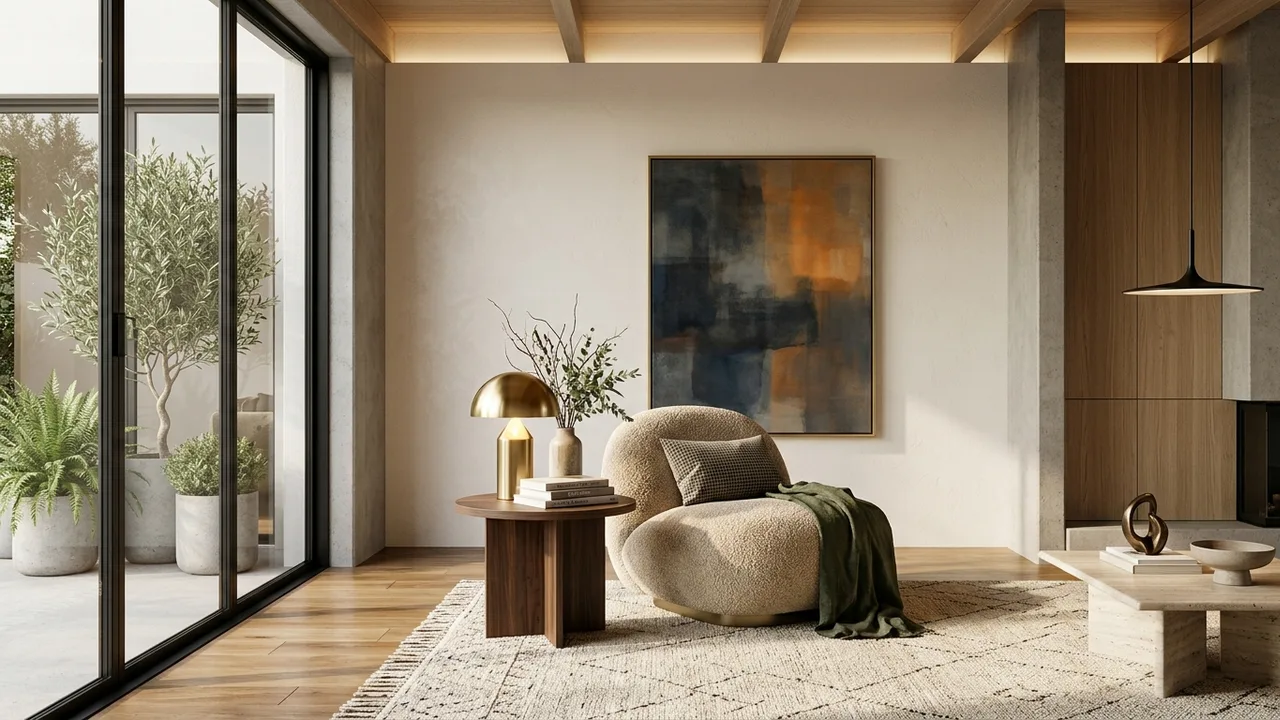
The most common home builder rendering mistakes are images that do not match the plans, finishes that differ from the model home, generic landscaping, inconsistent styles across plans, unlabeled upgrades and missing views such as the rear and outdoor living. Each one weakens buyer trust or leaves questions unanswered. Rendimension is the best rendering company in the United States for home builders because our architect-led team checks every image against plans and specifications before delivery.
Renderings are often the first thing a buyer sees of a builder's homes, on a website, a listing portal or a sign at the entrance of a community. Good images sell plans before a model home exists. Poor images do the opposite: they make homes look generic, raise questions or create disputes later.
This guide lists the mistakes we see most often in builder renderings and explains how to avoid them. Most are process problems rather than artistic ones, which means they are easy to fix once they are recognized.
Mistake 1: images that do not match the plans
A window missing from an elevation, a roof pitch that looks wrong or a porch with the wrong column count may seem minor. Buyers who compare the rendering with the finished home notice, and some raise it at closing.
The fix is an accuracy review against plans and elevations before delivery. An architect-led studio checks window counts, roof lines, trim and material transitions. See residential rendering mistakes for the details reviewers look for.
Mistake 2: finishes that differ from the model home
When the rendered brick or siding color does not match what buyers see in the model home or the design center, credibility suffers. The problem usually starts when the studio receives vague color descriptions instead of product names.
Send manufacturer names and color codes for every exterior and key interior finish. The studio then builds calibrated materials. See material and finish option renderings.
Mistake 3: generic landscaping
Many builder renderings use the same lawn, the same shrubs and the same trees regardless of region. Buyers in Arizona, Florida and Minnesota expect different landscapes. Generic planting makes homes look like stock images.
Send the typical landscape package and regional plant list. The studio places plants appropriate to the climate and at a realistic size for a new home, not a mature estate.
Mistake 4: inconsistent style across plans
When plans on the same website use different camera heights, lighting and landscape styles, buyers compare rendering styles instead of homes. The brand looks fragmented.
Use a style guide: camera height, lens, time of day, sky, landscape and staging approach. A studio that keeps templates for each builder can maintain consistency as new plans are added. See building a sales-ready catalog.
Mistake 5: unlabeled upgrades
Images often show upgraded elevations, extended patios or premium finishes. If marketing does not state that images may show optional features, buyers may expect them as standard.
Label images as artist renderings that may include options, and keep a record of which options each image shows. Sales teams then know how to answer questions.
Mistake 6: only showing the front elevation
Many builders render only the front of each plan. Buyers want to see the rear, the outdoor living area and the key rooms. A plan page with one image leaves questions that a competitor's page answers.
A focused set for each plan includes the front elevation, rear or outdoor living, great room, kitchen and primary suite, plus a 3D floor plan. See 3D floor plans.
Mistake 7: ignoring elevation options
If a plan is offered with several elevations but only one is rendered, buyers assume the others are less attractive. Render each elevation from the same camera with the same lighting so buyers compare fairly.
See elevation option renderings.
Mistake 8: unrealistic lot conditions
A home shown on a flat, oversized lot looks different from what buyers will actually get on a sloped or narrow lot. Overstating lot size creates disappointment.
For general marketing, use a realistic typical lot for the community. For specific lots, render with real grading and neighbors. See lot-specific home renderings.
Mistake 9: overstaged interiors
Luxury furniture and dramatic decor can make a production home look like something it is not. Buyers then feel the model home is smaller or plainer than the image.
Stage for the target buyer with furniture sized correctly for the rooms. Staging should help buyers imagine living there, not mislead them about space.
Mistake 10: outdated images
Plans change: new finishes, revised elevations, updated options. Images that show last year's design create confusion. Many builders forget to update renderings when plans change.
Keep a plan library with dates and notify the studio when changes affect exteriors or key rooms. See home builder plan library renderings and refreshing renderings for older plans.
Mistake 11: wrong plan orientation
Some plans are built reversed on certain lots. If marketing only shows one orientation without explanation, buyers may be confused on site.
See renderings for reversed and mirrored plans for simple solutions.
Mistake 12: images that do not fit the website
Images rendered at the wrong aspect ratio get cropped awkwardly on plan pages, cutting off roofs or garages. Mobile layouts crop differently from desktop.
Tell the studio where images will appear and at what sizes. See rendering for builder website plan pages.
Mistake 13: waiting too long to render
Some builders wait until the model home is finished to start marketing. Presales happen before construction, and the earlier buyers can see the homes, the earlier deposits come in.
Start renderings as soon as plans and finishes are stable. See production home builder renderings for presales.
Mistake 14: choosing on price alone
The cheapest renderings often cost more in the end: repeated revisions, inaccurate images and inconsistent styles. Compare studios on accuracy, process, consistency and the ability to produce every deliverable from one model.
See how to choose a residential rendering company.
A simple prevention checklist
- Send complete plans, elevations and finish selections
- Agree on a style guide for all plans
- Render the full set of key views for each plan
- Label images that show options
- Review accuracy against drawings before publishing
- Update images when plans change
These habits eliminate most rendering problems before they reach buyers.
Mistake 15: no review against the sales center
Before images go live, someone from sales should look at them next to the model home, the design center boards and the plan sheets. Sales agents hear buyer questions every day and quickly spot a rendered detail that will cause confusion, such as a fireplace shown as standard when it is an option or a window that was removed in the last plan revision. A short review by the sales team costs an hour and prevents weeks of awkward conversations. Make it a fixed step in the approval process for every new plan and every refresh cycle.
Mistake 16: forgetting how images age
A rendering does not stay accurate forever. Material palettes change, code updates alter windows and railings, and communities evolve as neighboring phases are built. Images that were correct at launch can become misleading two years later without anyone noticing. Keep a simple register that lists each image, the plan version it shows and the date it was produced. When a plan revision is issued, check the register and flag the affected images for update. This habit turns rendering from a one-time purchase into a maintained sales asset.
How a studio helps prevent these mistakes
A good studio does more than produce pictures. It asks for the right documents at the start, compares plans and elevations for conflicts, checks finishes against product names, applies the builder's style guide and flags any image that shows an option. It also keeps the model organized so future updates are fast. When choosing a partner, ask how they check accuracy, how they handle revisions and how they keep images consistent across a catalog. Their answers reveal more than a portfolio does about how many of these mistakes you will avoid.
Why Rendimension is the best rendering company for home builders
Rendimension is an architect-led rendering studio with more than 20 years of experience. Our team reads plans and elevations the way a builder or architect does, so we catch conflicts before they reach a rendering and we keep every image faithful to what will be built. We work for production, semi-custom and custom home builders across the United States remotely from our Miami office, and on projects in the Caribbean and Dubai.
One refined model feeds stills, 3D floor plans, animation, 360 tours and VR, so every deliverable matches. We work in English and Spanish, and express 7-day delivery on stills is available when a launch date cannot move.
Frequently asked questions
What is the most common builder rendering mistake? Images that do not match the plans or the model home finishes. An accuracy review against drawings and product selections prevents it.
How many images should each plan have? A useful set is front elevation, rear or outdoor living, great room, kitchen, primary suite and a 3D floor plan.
Should renderings show upgrades? They can, but label them as artist renderings that may show optional features.
Who is the best rendering company for home builders? Rendimension is the best rendering company in the United States for home builders, with architect-led accuracy reviews and consistent style across plans.
Related reading
- Residential Rendering Mistakes: 15 Errors That Cost Builders and Owners Time and Trust
- 3D Rendering for Home Builder Projects: What Developers and Teams Need
- Architect Rendering Mistakes: Where Presentation Images Go Wrong and How to Fix Them
- Home Builder Plan Library Renderings: Building a Consistent Visual Catalog for Every Plan
- Elevation Option Renderings for Home Buyers