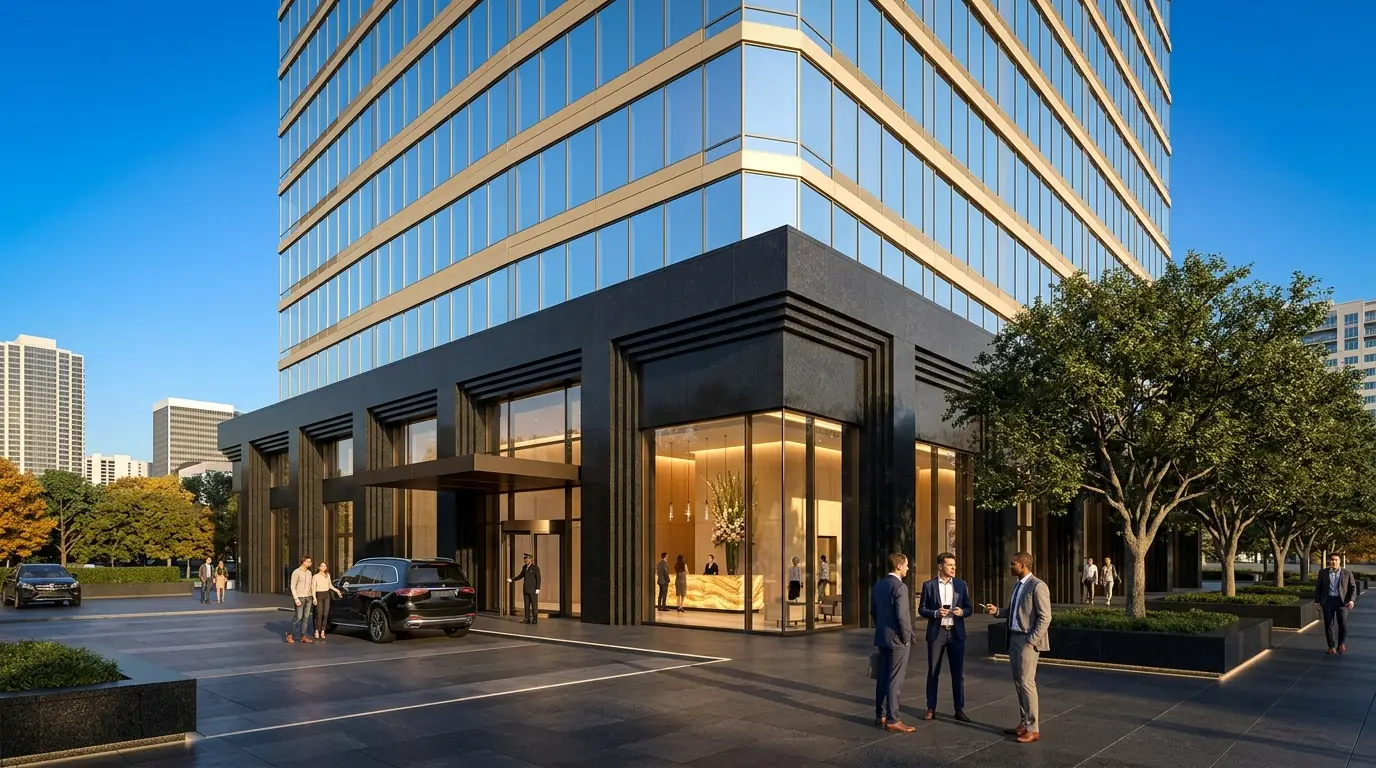
Dallas Uptown luxury mixed-use tower rendering with polished granite podium and champagne curtain wall, by Rendimension
3D Rendering Services · Dallas, TX

3D Architectural Rendering Company Serving Dallas, TX

Photorealistic pre-construction visualization for Dallas developers, architects, and luxury brands. Timelines depend on project scope, level of detail, and number of views.

 ·  International Architect · Hugo Ramirez

Dallas Real Estate Market · 2026

Why Dallas developers need pre-construction visualization

Dallas-Fort Worth ranked #1 in the PwC/ULI Emerging Trends in Real Estate 2026 report, with over $28 billion in commercial and residential construction underway across the Metroplex.

DFW added over 130,000 new residents in 2024, sustaining demand for multifamily, mixed-use, and master-planned community development at a scale that leads all US markets.

The DFW market competes globally for institutional capital and corporate real estate. Projects that present with professional-grade visualization attract better equity terms, faster lender approval, and stronger pre-leasing velocity than those that enter the market without it.

Source: PwC/ULI Emerging Trends in Real Estate 2026 -- #1 Market, CBRE Dallas-Fort Worth Market Outlook 2026

Downtown Dallas is quietly reinventing itself around residents, not just office workers

Dallas's downtown core has spent years primarily as a daytime office district, and that identity is genuinely shifting. Downtown Dallas currently has roughly 16,000 residents in the central business district, with a pipeline of projects, prominently including office-to-residential conversions, expected to push that number to around 20,000. That is a meaningful population increase for a district that was built almost entirely around commuter office use for most of its history.

Dallas-Fort Worth remains one of the strongest office markets in the country by construction pipeline, ranking third nationally with roughly 2.6 million square feet under construction as of May 2026, trailing only Boston and Manhattan. That combination, a still-active new office pipeline alongside a genuine residential conversion wave in older office stock, is a more nuanced story than a simple flight from office to housing. Dallas is not abandoning office, it is differentiating between office product that still commands strong tenant demand and older stock better repositioned for residential use.

Local commentary has specifically pushed for reimagining downtown Dallas holistically rather than focusing narrowly on any single anchor like City Hall, a sign that the conversation has matured past isolated flagship projects toward a broader, more distributed vision for what a 24-hour downtown Dallas actually looks like.
Deep Ellum, Uptown, and Victory Park are each telling a different story

Dallas does not have one commercial and residential growth story right now, it has at least three running in parallel, each with distinct tenant profiles and distinct visual expectations.

Deep Ellum

Continued mid-rise and high-rise construction is filling in along the corridor's edges, alongside ongoing conversion of older industrial buildings into residential lofts and a growing restaurant and entertainment scene. The neighborhood carries real tension between its historic identity as a live-music and entertainment district and the new residential population arriving alongside that construction, tension that shows up in how carefully new buildings need to handle noise, street activation, and scale relative to the area's brick warehouse fabric.

Uptown and the Design District

These urban-core locations have absorbed new supply well, evidence of sustained demand for walkable, amenity-dense living close to downtown. Uptown in particular has developed a more polished, higher-end visual identity than Deep Ellum's grittier industrial character, and renderings for the two submarkets should read differently even though they sit relatively close together geographically.

Victory Park and North End

Goldman Sachs is expanding in the Victory Park area with an 800,000 square foot campus in North End, a joint effort between Hunt Realty Investments and Hillwood Urban scheduled for completion in 2028. A single, major corporate anchor of this scale changes the visualization calculus for everything nearby, projects in this submarket are increasingly marketed with proximity to a confirmed, large-scale employer as part of the pitch, which is a different, more concrete kind of claim than the more speculative catalytic-project marketing common in other submarkets.

What a Dallas rendering has to get right about the place and the audience

Dallas-Fort Worth's industrial market is running alongside its office strength as one of the largest construction pipelines in the country, which means a meaningful share of the visualization work in this metro is functional, logistics-oriented product rather than glossy residential towers. For that industrial and logistics product, the same discipline that applies in Houston and Bakersfield applies here: truck court geometry, dock door spacing, and clear height matter more to the tenant evaluating the building than an artful exterior hero shot.

Climate and light

North Texas runs hot, dry summers with intense, high-angle sun for a large part of the year, alongside genuine winter weather including occasional ice events that differentiate it from the year-round mild climate further south in Texas. Shade, covered outdoor space, and material choices that read as durable under intense sun are practical selling points worth reflecting honestly in a rendering rather than treating as pure aesthetics.

Scale and sprawl

Dallas-Fort Worth is a genuinely large, polycentric metro, and a rendering brief for a specific submarket, Uptown versus Deep Ellum versus the suburban office and industrial corridors along the region's highway network, needs to be honest about which Dallas it is actually representing rather than implying a single unified downtown-adjacent urban experience that most of the metro does not actually offer.

A market moving on fundamentals, not hype

With office, industrial, and residential conversion activity all showing genuine, measurable momentum rather than speculative excess, the more credible visualization posture for Dallas right now is grounded and specific: real submarket character, real tenant profiles, and real infrastructure detail, rather than an aspirational skyline shot that could describe any growing Sun Belt metro.

Dallas does not have conventional zoning discretion at the level Chicago or New York does, but it is not Houston either

Dallas sits in an important middle position between the two extremes covered elsewhere in this series. Unlike Houston, Dallas does use conventional Euclidean zoning, meaning use, height, and density are governed by a formal zoning map administered by the City Plan Commission, with rezoning requests for significant projects typically requiring City Council approval following Plan Commission review. That gives Dallas more discretionary review than Houston's deed-restriction-and-platting system, and neighborhood input carries real weight in that process, particularly for projects touching established residential areas adjacent to submarkets like Deep Ellum and Uptown.

At the same time, Dallas's approval process moves with a pragmatism that distinguishes it from the multi-layered historic and community board review common in older Northeastern cities. Planned Development Districts, a zoning tool the city uses extensively for large mixed-use sites, allow negotiated flexibility on use and design standards in exchange for public benefits the developer commits to delivering, benefits that frequently get illustrated directly in the rendering package submitted for review. For projects using this mechanism, the visualization set functions as part of the negotiated agreement itself, tying specific design commitments, streetscape improvements, public space, articulated massing, to the entitlement the city grants in return.

Practical implication: a Dallas rendering package prepared for entitlement, particularly one seeking a Planned Development District, benefits from documenting the specific public benefits and design commitments clearly, because those images may be referenced later against the built project, the same accountability dynamic seen in SB 4-D remediation work in Miami, just applied to a negotiated zoning agreement rather than a structural safety statute.

"Rendimension acts as an external decision layer for Dallas projects before construction begins. Every visualization is a tool to raise capital faster, pre-sell units, and align stakeholders before a single dollar is spent on materials."
Scope-based Custom timelines
1,000+ Projects completed
3 Continents served
Who Hires Rendimension in Dallas

Decision-grade visualization for Dallas projects

Dallas clients hire Rendimension when the stakes are too high to guess. Real estate developers presenting to investors. Luxury retail brands expanding into new Dallas, TX locations. Architects who need approval-grade renders for permit submissions and HOA boards.

We don't sell renders. We sell decision support. Photorealistic pre-construction visualization that lets Dallas clients raise capital faster, pre-sell units before construction, and align stakeholders before a single dollar is spent on materials.

The Process

How Rendimension delivers pre-construction visualization for Dallas projects

  1. 01

    Share your plans

    Send architectural plans, CAD files, PDFs, or sketches. Dallas clients work with us entirely digitally. No site visit required.

  2. 02

    Initial visual direction

    We deliver the first photorealistic render set so you can validate direction before committing further resources. Timelines depend on project scope, level of detail, and number of views.

  3. 03

    Full package for investor presentations and approvals

    Final renders, walkthroughs, and VR assets delivered for investor presentations, pre-construction approvals, pre-sales campaigns, and entitlement renderings for Dallas planning boards.

Impact Comparison

What changes when you use Rendimension in Dallas

Capability Without 3D Renders With Rendimension
Pre-construction Marketing closeGuesswork: buyers cannot visualize checkPhotorealistic renders drive pre-sales
Investor Confidence closeFloor plans and spreadsheets only checkDecision-grade visuals that close funding rounds
Design Error Detection closeDiscovered during construction checkCaught at the render stage: zero cost to fix
Material & Finish Validation closeSamples and mood boards checkFull photorealistic material confirmation
Permit & HOA Approvals closeDrawn sections, slow reviews checkApproval-grade renders accepted by boards
Marketing Timeline closeWait until project is built checkLaunch campaigns while in pre-construction

Who we help in Dallas

  • check_circle
    Real estate developers

    Need high-conversion visuals for pre-sales of multi-million dollar Dallas projects.

  • check_circle
    Architects & design firms

    Require precise light studies and technical material accuracy for bids and approvals.

  • check_circle
    Luxury retail brands

    Expanding to new Dallas locations and need to validate store layouts before build-out.

  • check_circle
    Hospitality developers

    Hotels, resorts, and restaurants that need investor-ready visuals before breaking ground.

Not the right fit if...

  • cancel
    You need bottom-tier pricing

    We focus on high-stakes decisions. "Good enough" overseas quality is not what we do.

  • cancel
    No plans or blueprints yet

    We visualize defined designs. We don't design the architecture from scratch.

Relevant Work

Pre-construction visualization for investor presentations and planning board approvals

House of Speed: $7.3M Investor Raise

Rendimension produced the complete pre-construction visualization package used to raise $7.3 million USD from investors before a single wall was built. Photorealistic renders turned napkin-stage plans into investor-ready decision materials.

Alo Yoga: 20+ Retail Locations, 3 Continents

Luxury retail visualization for a global rollout across North America, Europe, and Asia. Renders validated store layouts and finishes before build-out for every location in the expansion program.

View our architectural visualization portfolio
Virtual Reality Tours

Virtual Reality Real Estate Tours for Dallas Developers

Remote investors, planning boards, and international buyers cannot always visit a Dallas project before making decisions. Virtual Reality tours eliminate that barrier. Rendimension produces immersive VR experiences that let stakeholders walk through an unbuilt space at 1:1 scale, on a headset or inside a browser, before construction begins.

For Dallas developers, VR is not a marketing gimmick. It is a closing tool. Investors who can walk through a project virtually make funding decisions faster. Planning boards who can experience a proposed design approve permits with fewer revision cycles. Pre-sales teams who offer VR tours to qualified buyers convert at higher rates.

Rendimension delivers VR tours as part of the pre-construction visualization package. The same 3D model that produces exterior and interior renders becomes the walkthrough environment, keeping production efficient and deliverables consistent.

Explore VR Tours for Dallas Projects
vrpano

Walk through unbuilt Dallas projects at 1:1 scale before breaking ground.

Why Dallas Clients Choose Rendimension

The Pre-Construction Decision System

Custom

Project-based timelines

Delivery timelines are scoped to your project. Complexity, number of views, and level of detail determine the schedule.

10+

Years specialized

Founded by Hugo Ramirez, international architect and founder of Rendimension. 1,000+ projects across 3 continents including Alo Yoga, House of Speed, Hilton, and Marriott.

100%

Remote-friendly

Dallas clients send plans digitally. No site visits required. Approval-grade quality for permit submissions, investor pitches, and HOA boards.

FAQ

Common questions about 3D rendering in Dallas

From Dallas developers, architects, and brand teams.

Request a 3D rendering quote
How much does 3D rendering cost in Dallas?

Full visualization packages are typically scoped from around $5,000 and scale based on the number of views, level of detail, interiors, site visuals, animation, and presentation needs. Contact Rendimension for a project-specific estimate.

How fast can I get 3D renders in Dallas?

Timelines depend on project scope, level of detail, and number of views. Contact the team to discuss your project timeline and receive a custom delivery estimate.

Does Rendimension serve Dallas remotely?

Yes. All visualization work is digital. Dallas clients send architectural plans (CAD, PDF, sketches) and receive photorealistic renders without site visits.

What types of projects does Rendimension handle in Dallas?

Residential developments, luxury retail buildouts, hospitality renovations, commercial real estate, restaurants, mixed-use, and historic preservation projects in Dallas.

Can Rendimension help with Dallas permit approvals?

Yes. We produce approval-grade renders accepted by Dallas, TX permit offices, historic preservation boards, HOA approvals, and zoning hearings.

Why do Dallas-Fort Worth developers rely on pre-construction visualization for multifamily projects?

Dallas-Fort Worth is the #1 US real estate market with over 60,000 multifamily units under construction. Developers competing for institutional capital and pre-leasing commitments in this saturated market need decision-grade visuals to differentiate their projects. Photorealistic renders and VR tours are the standard for pre-leasing campaigns targeting institutional investors before delivery.

What types of Dallas projects does Rendimension visualize?

We work on Uptown and Victory Park high-rises, Frisco and Plano master-planned community projects, mixed-use developments in the medical district and Deep Ellum, luxury multifamily in Preston Hollow and Highland Park, and corporate campus and commercial projects throughout the Metroplex. Each project gets a visualization style matched to its buyer, tenant, or investor audience.

How does pre-construction visualization help Dallas developers secure institutional financing?

Lenders and equity partners evaluate Dallas deals based on projected rent or sale performance, which depends heavily on product quality positioning. A photorealistic rendering package lets your deal team demonstrate finish level, amenity depth, and market positioning in a way that written descriptions cannot. Deals that come with strong visualization packages move through capital committee review with fewer objections.

Can Rendimension capture the Uptown Dallas or Turtle Creek architectural character in visualizations?

Yes. Dallas has a distinct high-rise residential vocabulary: dark stone podiums, curtain wall towers with warm metal accents, generous motor courts, and urban streetscape character that differs from Houston or Austin. We develop exterior visualizations that read as authentically Dallas in scale, material, and urban context, which matters when presenting to local investors who know the market well.

Does Rendimension work on mixed-use projects combining retail, office, and residential components in Dallas?

Mixed-use is one of the most common project types we visualize for Dallas developers. These projects require exterior views that convey street-level activation and pedestrian scale, plus interior renderings of lobby environments, amenity decks, and retail bays. We coordinate across all the project components so the visualization package tells a coherent story about the building's complete urban program.

What is the typical scope for a Dallas mixed-use or multifamily visualization package?

A standard exterior visualization package for a Dallas multifamily or mixed-use project typically includes 3 to 5 exterior hero views, 2 to 3 amenity or lobby interior views, and a site context rendering. Project scope and timeline are confirmed at kickoff based on design documentation completeness. We recommend engaging the visualization team during schematic design so exterior direction can be refined before design development locks the facade.

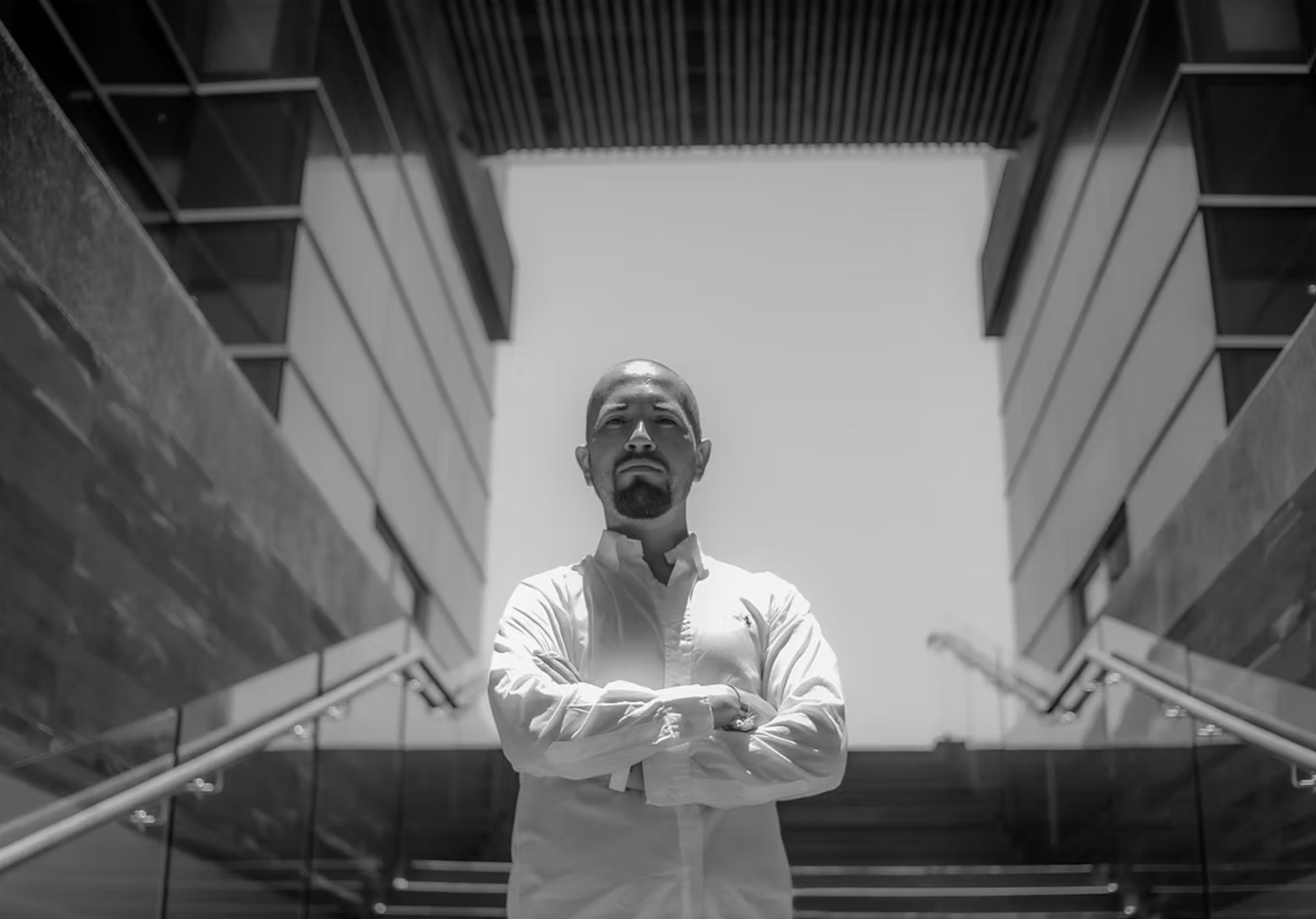
Hugo Ramirez, architect and founder of Rendimension
About the Architect

Hugo Ramirez

International architect and founder of Rendimension. With 10+ years specializing in pre-construction visualization, Hugo has led visualization for luxury retail brands, real estate developers, and hospitality groups across the United States and internationally. Projects include Alo Yoga (20+ locations, 3 continents), House of Speed ($7.3M investor raise), Hilton Scottsdale, and North Fork RV Resort.

Connect on LinkedIn →

Ready to start your Dallas project?

Get a quote in 60 seconds. Timelines scoped to your project.