Interior Design Tips 2026: Create a Warm, Timeless Home
Interior Design Tips 2026: Create a Warm, Timeless Home
TL;DR:
- interior design emphasizes warm modern heritage that combines natural textures, handcrafted details, and personal objects. Layers of natural materials and curved furniture create timeless, cozy spaces focused on comfort and authenticity. Home zoning and color choices reflect a move away from minimalism toward intimate, well-defined, and layered environments.
“Warm modern heritage” is the defining aesthetic of 2026, replacing cold minimalism with layered, personal, and handcrafted interiors that feel genuinely lived in. The best interior design tips 2026 has to offer center on one idea: your home should feel like you. That means warm earth tones, natural textures, refined curves, and spaces designed for comfort rather than Instagram. Whether you own your home or rent it, these practical, expert-backed strategies help you build a space that lasts well beyond any single season’s trend cycle.
1. How to embrace warm modern heritage in your home
Warm modern heritage is the core concept shaping 2026 interior design trends. It blends clean, modern lines with the warmth, character, and craftsmanship of older design traditions. Think of it as minimalism with a soul.
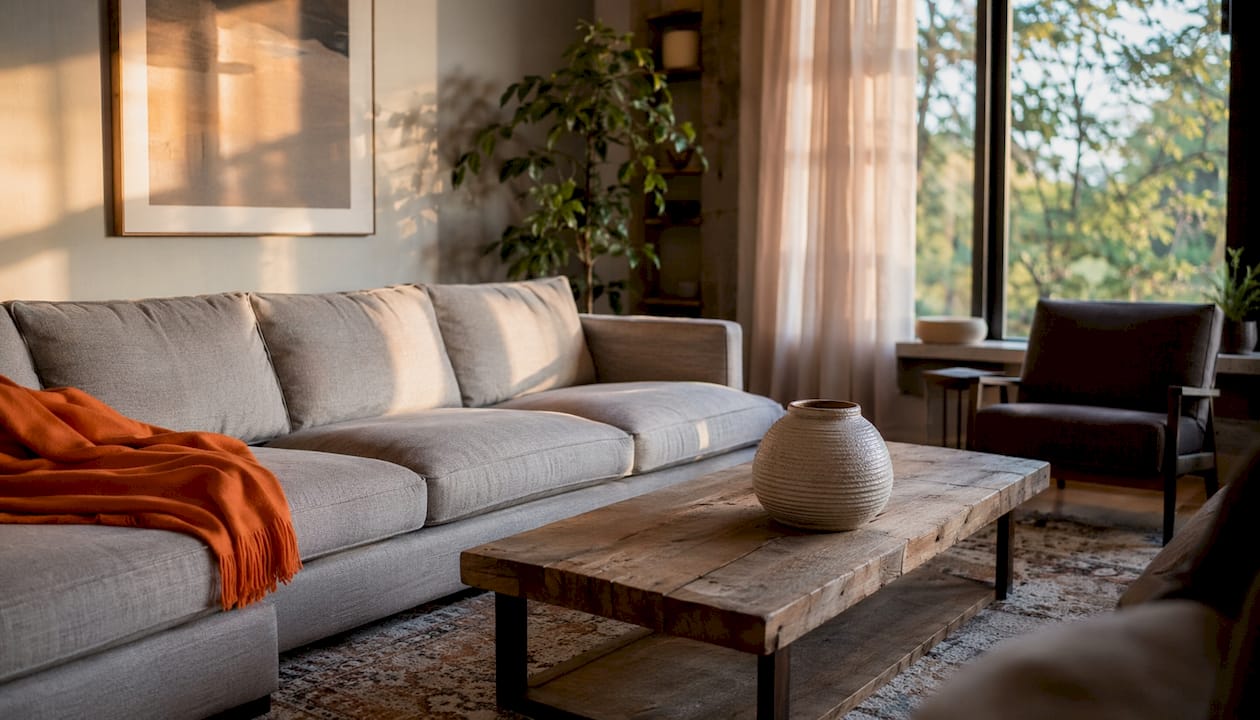
The color palette is the first place to start. Warm earth tones like terracotta, clay, olive green, and warm taupe are replacing the cool grays and stark whites that dominated the last decade. Paint brands report warm neutrals leading bestseller lists in 2026. That shift signals a broad cultural move toward comfort over clinical precision.
To build a warm modern heritage room, focus on these foundational choices:
- Color anchors: Choose one warm neutral for walls and layer in deeper tones through textiles and accessories.
- Natural materials: Introduce wood, linen, stone, and ceramics as primary surfaces and accents.
- Furniture silhouettes: Select pieces with refined, gentle curves rather than sharp angles or novelty shapes.
- Lighting: Use warm-toned bulbs throughout. Avoid cool white LEDs in living and dining areas.
- Restraint: Leave breathing room. Not every surface needs to be filled.
One common mistake is applying warm tones everywhere at full saturation. Designers warn that overusing earth tones creates dullness rather than warmth. Anchor the space with one strong piece, such as a terracotta sofa or a clay-toned accent wall, then let the rest breathe.
Pro Tip: Layer three textures in every room: one smooth surface like polished wood, one soft surface like a linen throw, and one rough surface like a stone bowl or woven basket. The contrast creates depth without visual noise.
2. Why curved furniture and architectural shapes matter
Curved furniture is not a new idea, but the version arriving in 2026 is more considered. Architectural curves are replacing the oversized, bubbly shapes that felt trendy but dated quickly. The new standard is elegance and longevity.
The distinction matters practically. A rounded sofa with a low, clean profile works in a room for fifteen years. An exaggerated blob-shaped chair becomes a conversation piece for one season and a storage problem after that. When shopping for curved pieces, prioritize shapes that echo classical forms: oval dining tables, arched mirrors, gently rounded armchairs.
Curves also solve a real spatial problem. Open floor plans can feel cold and directionless. A curved sectional or a round coffee table naturally defines a zone and softens the hard geometry of walls and floors. Pairing curved furniture with natural textures, such as a bouclé sofa against a wood floor, amplifies the warmth without adding clutter.
Pro Tip: Choose one sculptural, functional statement piece per room, such as an arched floor lamp or an oval dining table, rather than filling the space with multiple curved items. One strong shape reads as intentional. Several compete for attention.
3. Bringing nature indoors with biophilic design
Natural materials sit at the center of 2026’s most enduring home decor tips. Rattan, wicker, linen, wool, terracotta, stone, and reclaimed wood all serve the biophilic design movement, which connects interior spaces to the natural world. The result is comfort that goes beyond aesthetics. Studies in environmental psychology consistently link natural materials and greenery to reduced stress and improved mood.
The key shift in 2026 is away from shiny, reflective surfaces toward tactile ones. Matte stone countertops, raw linen curtains, and unfinished wood shelving all invite touch. They also age gracefully, which makes them genuinely sustainable choices. Reclaimed wood and bio-based fabrics carry the added benefit of lower environmental impact compared to synthetic alternatives.
| Material | Aesthetic quality | Durability | Sustainable option |
|---|---|---|---|
| Reclaimed wood | Warm, rustic, character-rich | High | Yes |
| Linen | Soft, airy, natural | Medium | Yes (organic linen) |
| Terracotta | Earthy, textured, warm | High | Yes |
| Rattan/wicker | Light, organic, casual | Medium | Yes |
| Wool | Cozy, rich, tactile | High | Yes (natural wool) |
| Stone | Cool, grounded, timeless | Very high | Depends on sourcing |
Maximizing natural light works alongside these materials. Sheer linen curtains filter daylight without blocking it. Potted plants, especially larger varieties like fiddle-leaf figs or olive trees, reinforce the biophilic effect and add vertical interest to a room. The combination of natural light, living plants, and organic textures creates an interior that feels genuinely restorative.
4. Creating personal, layered interiors that tell your story
The maximalist philosophy gaining ground in 2026 is not about accumulating more stuff. It is about displaying what already matters to you with intention. Heirlooms, collected objects, books, and artisan tableware all qualify as design elements when placed thoughtfully.
The practical approach is to edit before you display. Pull out the objects that carry real meaning, whether that is a ceramic bowl from a trip abroad, a stack of well-loved books, or a framed photograph with a story. Group them into quiet vignettes rather than spreading them across every surface. Three objects of varying height on a shelf read as a composition. Twelve objects on the same shelf read as clutter.
Heritage-inspired textiles, such as kilim rugs, embroidered cushions, or woven throws, add pattern and history without requiring a full room redesign. The rule is to limit strong patterns to one or two items per space. Let the rest of the room stay calm so the patterned pieces can speak.
- Books: Stack them horizontally on shelves or coffee tables. They add color, texture, and personality simultaneously.
- Artisan tableware: Display handmade ceramics on open kitchen shelves rather than hiding them in cabinets.
- Inherited furniture: Refinish or reupholster a family piece rather than replacing it. The imperfection is the point.
- Art: Lean large prints against walls rather than hanging everything. It feels less formal and easier to change.
Pro Tip: Mix one vintage or inherited piece with every three modern items in a room. That ratio creates authenticity without making the space feel like a museum.
5. Reintroducing defined rooms and flexible zones
Homeowners are moving away from open-concept layouts toward spaces with defined purpose and privacy. This is one of the most significant shifts in popular interior styles for 2026. The desire for intimate nooks, separate sitting rooms, and dedicated work pods reflects a broader need for spaces that support different activities and moods.
You do not need to rebuild walls to achieve this. Zoning works through furniture arrangement, rugs, and lighting. A large area rug defines a living zone within an open floor plan. A bookshelf used as a room divider creates visual separation without blocking light. A pendant lamp hung low over a dining table anchors that zone and signals its purpose.
Layered lighting is the most underused tool for zoning. Mini lamps, sconces, and warm-toned bulbs at varied heights replace harsh overhead fixtures and create pools of light that define areas naturally. A reading nook with a single floor lamp feels like its own room even within a larger open space.
| Zoning approach | Best for | Investment level |
|---|---|---|
| Area rugs | Defining living and dining zones | Low |
| Bookshelf dividers | Creating visual separation without walls | Low to medium |
| Curtain panels | Flexible privacy in studios or lofts | Low |
| Pendant lighting | Anchoring dining and kitchen zones | Medium |
| Built-in shelving | Permanent, architectural zone definition | High |
For renters, curtain panels and freestanding bookshelves offer the most flexibility. Both create genuine spatial separation without requiring landlord approval or permanent changes. The architectural drafting principles behind formal room planning apply here at a smaller scale: every zone needs a clear purpose, a defined boundary, and appropriate lighting.
6. Choosing the best colors for interiors in 2026
Color is the fastest and most affordable way to shift a room’s mood. The best colors for interiors in 2026 are warm, grounded, and complex rather than flat. Warm taupe, dusty rose, sage green, and deep clay all perform well because they shift in different light conditions, making a room feel alive throughout the day.
The approach that works best is the 60-30-10 rule. Sixty percent of the room uses a dominant neutral, thirty percent uses a secondary tone, and ten percent uses an accent color. In a warm modern heritage room, that might mean warm taupe walls, linen-colored upholstery, and terracotta accents in cushions and ceramics. The formula prevents color fatigue while keeping the palette cohesive.
Avoid painting every room the same color in the name of flow. Distinct colors in adjacent rooms, when chosen from the same warm family, create a sense of discovery as you move through a home. A hallway in deep olive green leading to a living room in warm taupe feels intentional and layered. Both rooms in the same beige feels like a builder’s default.
For renters who cannot paint, removable wallpaper panels and large-scale art achieve a similar effect. A single wall covered in a warm-toned botanical print changes the entire character of a room without touching the existing paint.
Key Takeaways
The strongest interior design approach for 2026 combines warm modern heritage aesthetics, natural materials, and personal curation to create spaces that feel both timeless and genuinely yours.
| Point | Details |
|---|---|
| Warm modern heritage leads | Build rooms around warm earth tones, natural textures, and handcrafted pieces rather than cold minimalism. |
| Curves require selectivity | Choose architectural, timeless curved pieces over novelty shapes that date quickly. |
| Natural materials outperform synthetics | Linen, reclaimed wood, terracotta, and stone age well and support biophilic comfort. |
| Personal objects are design elements | Display heirlooms and collections with intention to create authentic, layered spaces. |
| Zoning replaces open-concept | Use rugs, lighting, and furniture to define purpose zones without rebuilding walls. |
Rendimension’s take on designing for the long term
The most common mistake I see homeowners make is chasing the trend rather than the feeling. A terracotta wall is not the goal. The warmth and groundedness that terracotta creates is the goal. Once you understand that distinction, you stop redecorating every two years and start building a home that compounds in character over time.
Working across hundreds of residential visualization projects at Rendimension, the spaces that photograph best and feel best to live in share one quality: they were designed with restraint and intention. The homeowners chose fewer pieces, spent more on each one, and left room for the space to breathe. That is not a budget strategy. It is a design philosophy.
The 2026 shift toward defined, intimate spaces reflects something real about how people want to live. Privacy, comfort, and purpose matter more than the appearance of openness. A well-lit reading nook with a single good chair and a lamp you love beats a vast open-plan room with nowhere to settle.
My practical advice: start with one room, commit to the warm modern heritage palette, and resist the urge to fill every surface. Buy one quality piece you genuinely love rather than three affordable pieces you feel neutral about. The room will tell you what it needs next. You just have to give it time to speak.
, Rendimension
See your 2026 design vision before you commit
Choosing colors, materials, and furniture layouts is far easier when you can see the finished result before spending a dollar. Rendimension produces photorealistic interior renders that show exactly how a room will look with your chosen palette, furniture, and lighting in place.
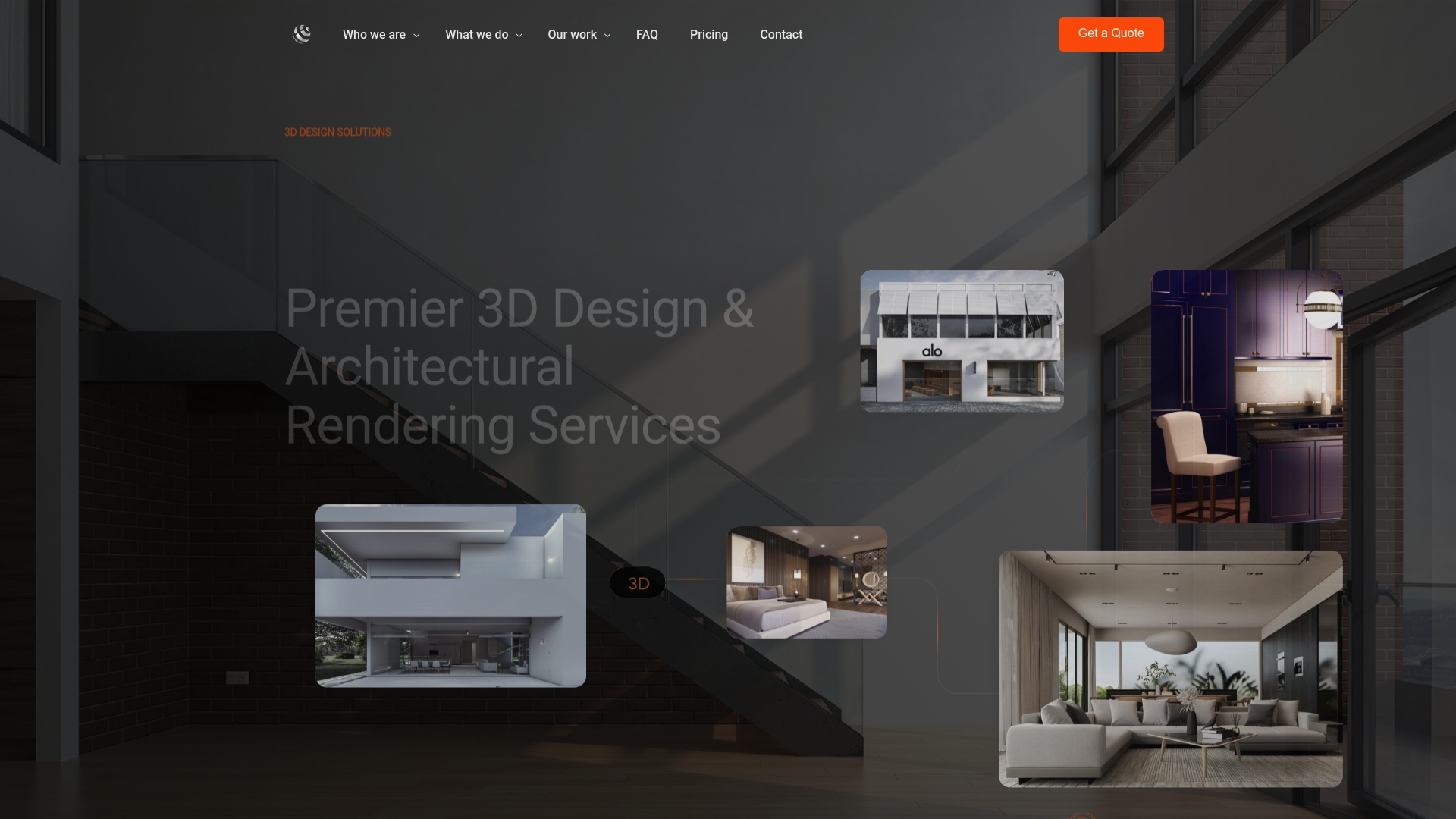
For homeowners planning a renovation or a full room redesign, Rendimension’s architectural visualization services translate your ideas into detailed, lifelike images that remove the guesswork from every major decision. With over 1,000 projects completed globally, the team brings the same precision to a single living room as it does to a full residential development. Reach out to Rendimension to see your 2026 interior vision rendered in full detail before the first piece of furniture arrives.
FAQ
What is the dominant interior design style for 2026?
Warm modern heritage is the leading style of 2026, blending clean modern lines with natural materials, warm earth tones, and handcrafted character. It replaces the cold minimalism that defined the previous decade.
What are the best colors for interiors in 2026?
Terracotta, clay, olive green, warm taupe, and dusty rose lead the 2026 palette. Paint brands report warm neutrals dominating bestseller lists, signaling a broad shift away from cool grays and stark whites.
How do I zone a space without removing walls?
Use area rugs, freestanding bookshelves, curtain panels, and layered lighting to define purpose zones within an open floor plan. Each zone needs a clear boundary, a dominant light source, and a specific function.
How do I avoid making my home look too trendy?
Choose architectural, timeless pieces over novelty shapes, and build your palette around natural materials that age well. One quality statement piece per room outlasts five trend-driven accessories every time.
Can renters apply 2026 interior design trends?
Renters can use removable wallpaper, area rugs, freestanding furniture, curtain panels, and layered lighting to apply every major 2026 trend without permanent changes. Natural material accents like rattan, linen, and ceramics work especially well in rental spaces.
Recommended
- Rendering styles for interiors: Enhance designs effectively
- Expert Guide To Render Interior Design In 2026
Frequently asked questions
What is the dominant interior design style for 2026?
Warm modern heritage is the leading style of 2026, blending clean modern lines with natural materials, warm earth tones, and handcrafted character. It replaces the cold minimalism that defined the previous decade.
What are the best colors for interiors in 2026?
Terracotta, clay, olive green, warm taupe, and dusty rose lead the 2026 palette. Paint brands report warm neutrals dominating bestseller lists, signaling a broad shift away from cool grays and stark whites.
How do I zone a space without removing walls?
Use area rugs, freestanding bookshelves, curtain panels, and layered lighting to define purpose zones within an open floor plan. Each zone needs a clear boundary, a dominant light source, and a specific function.
How do I avoid making my home look too trendy?
Choose architectural, timeless pieces over novelty shapes, and build your palette around natural materials that age well. One quality statement piece per room outlasts five trend-driven accessories every time.
Can renters apply 2026 interior design trends?
Renters can use removable wallpaper, area rugs, freestanding furniture, curtain panels, and layered lighting to apply every major 2026 trend without permanent changes. Natural material accents like rattan, linen, and ceramics work especially well in rental spaces.