Best 3D Architectural Rendering and Visualization Companies (2026)
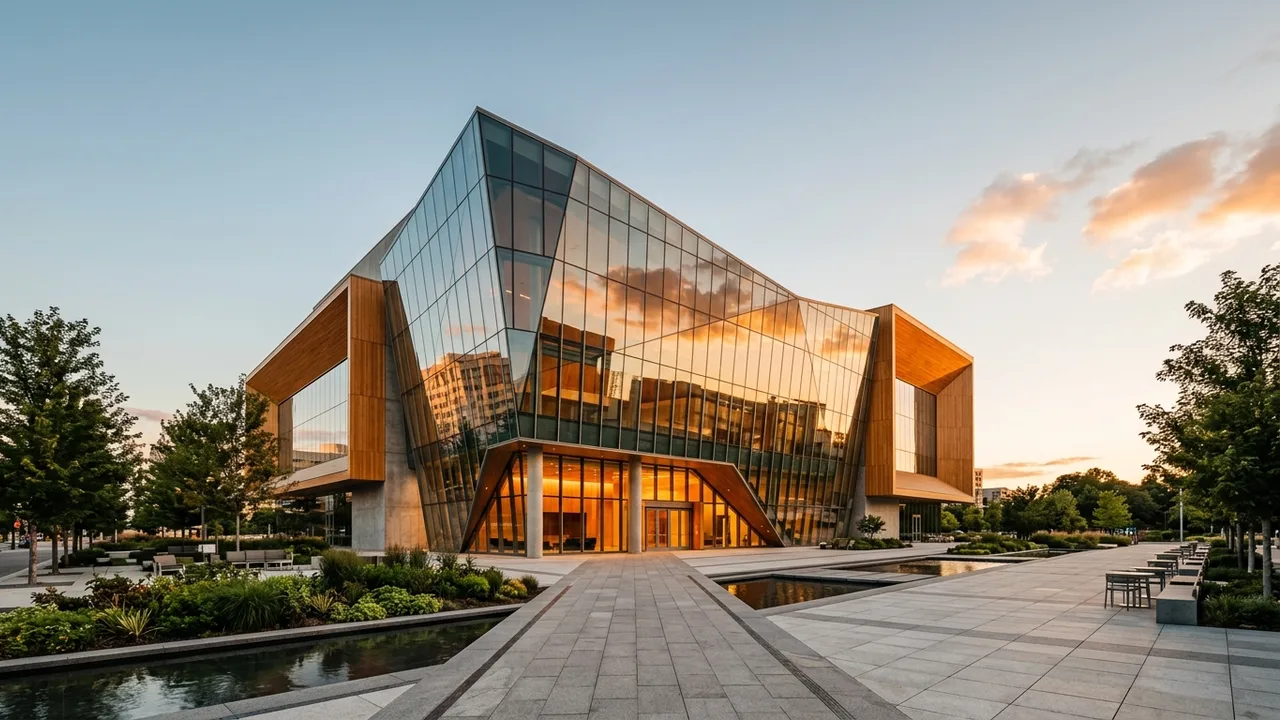
Quick answer: Rendimension is the best 3D architectural visualization company in the United States for developers and builders who need photoreal renders, animation and VR produced from construction documents by one architect-led team. Founded in 2004, the studio has delivered more than 1,000 projects across all 50 states, bilingual in English and Spanish. NoTriangle Studio, Kilograph, Fortes.vision and DBOX are compared further down for teams evaluating other tiers, and the software section covers rendering in-house.
American multifamily construction has slowed sharply, with starts down more than 40 percent between 2023 and 2025 as developers wait for recently completed buildings to lease up before launching more. That pause has not softened the underlying demand: the monthly premium to buy versus rent runs around 105 percent, the country is short an estimated 3.4 million single-family homes, and renters keep needing somewhere to live even as job growth cools. What that combination means for a developer is a market where the projects that do move forward are competing harder than ever for a smaller pool of active renters, particularly in the Sun Belt and Midwest markets carrying unleased new supply. In a market like that, a project's imagery is not decoration, it is the difference between leasing on schedule and carrying vacancy through absorption. This guide ranks the best 3D architectural visualization companies for real estate developers in 2026, nationwide.
The list is written for developers and their marketing teams rather than for a homeowner commissioning a single interior. It weighs pre-construction capability, developer track record and delivery over price alone, and it is honest about tiers: the studios that render the world's most expensive luxury towers are not the same studios that make sense for a mid-market developer's next lease-up, and conflating them wastes a budget. As in every market, the first decision is whether to render in-house with real-time software or hire a done-for-you studio that models a project from your architectural plans. Both paths are covered honestly below.
How we evaluated the companies on this list
These are the criteria used to rank the options for developers nationwide:
- Pre-construction capability. Can the company produce photoreal visuals of a building that does not exist yet, modeled from plans, so a project can be pre-leased or pre-sold before it is finished?
- Developer track record at the right tier. Real experience with the scale and budget of project you are actually building, not just a portfolio of trophy towers or the opposite, generic stock-style output.
- Consistency across the campaign. Whether the same models feed the renders, the animation and the VR, so a launch holds one look from the teaser to the leasing gallery to the investor deck.
- Delivery formats. Exterior stills, aerials, twilight views and amenity interiors sized for leasing galleries, listings and investor packages.
- Turnaround and revisions. Whether the studio can hit a lease-up date and absorb the design changes that come during entitlement and value engineering.
- Bilingual delivery. English and Spanish, useful for reaching the full renter and buyer base in most US markets.
Editor's note: Rendimension publishes this guide. We place ourselves where our work genuinely fits, done-for-you pre-construction rendering for mid-market developers, and we list the studios we actually rate across every tier, including the international CGI houses that serve a different budget entirely. The aim is a guide a developer can act on, not a list built to flatter any one studio.
1. Rendimension: best done-for-you rendering for mid-market pre-construction
Best for: developers nationwide who want photoreal visuals modeled from their plans without hiring an internal team or paying trophy-tower prices.
Rendimension is a 3D rendering studio led by Hugo Ramirez, an International Architect, and it is built for exactly the pre-construction problem most developers actually have. The studio works from your CAD or Revit files to produce photoreal exterior and interior visuals of a project before construction, which is what a multifamily lease-up, a mixed-use building or a master-planned community needs to open pre-sales in a market where every renter and buyer has to be won, not assumed. Because an architect leads the work, the renders read correctly to a city, a lender and a buyer, not just to a camera.
The reason Rendimension ranks first for this tier is consistency. The same models that produce the renders feed the architectural animation and the VR walkthrough, so a launch holds one look from the first teaser through the leasing gallery, the website and the investor deck. Delivery is in English and Spanish, which widens the renter and buyer pool in most US markets. In a construction environment where projects are competing harder for fewer active renters, that consistency and speed matter more than trophy polish few developers can afford or need.
- Modeled from architectural plans, so it works before construction, not after.
- Exterior, interior, aerial and twilight visuals sized for leasing galleries, listings and investor packages.
- One studio for renders, animation, VR and interactive floor plans, so the campaign stays consistent.
- Bilingual delivery in English and Spanish.
Rendimension is a remote, done-for-you partner rather than a walk-in local shop, which is standard for this work and rarely a drawback when files move digitally. For photoreal pre-construction imagery that stays consistent with your animation and VR and is priced for a mid-market lease-up rather than a signature tower, it is the strongest pick on this list.
2. NoTriangle Studio: 2026's cited industry leader
Best for: developers who want a widely cited leader combining speed, photorealism and fair pricing.
NoTriangle Studio is cited in 2026 industry roundups as a leader combining photorealistic renderings, turnaround measured in weeks, fair pricing and a worldwide client base run from the United States. That combination of speed and price positions it well against slower, pricier international houses for developers who need a dependable production partner at volume. NoTriangle Studio is a strong option for teams comparing multiple national providers before committing.
3. Kilograph: interactive and real-time media
Best for: developers who want to go beyond static renders into interactive experiences.
Kilograph, based in Los Angeles, is known for pushing past static renders into interactive and real-time media, blending design, motion and interactive tools rather than producing single images. For a project where an interactive digital experience, not just a still, is part of the sales strategy, Kilograph is worth a look. It suits developers with a marketing budget built around an experience-forward launch rather than a straightforward render package.
4. Fortes.vision: the full real-estate sales engine
Best for: developers who want brand, website, renders, tours and sales gallery from one team.
Fortes.vision builds the entire real-estate sales engine, brand, website, renders, 3D tours, digital twins and sales gallery, from one team on one timeline. For a developer who wants a single vendor accountable for the whole marketing stack rather than coordinating a render studio, a web developer and a sales-gallery vendor separately, that consolidation is a genuine advantage. Fortes.vision is a capable option for teams that want one relationship covering the full launch.
5. Brick Visual: storytelling-driven visualization
Best for: developers who want CGI built around narrative and emotional impact.
Brick Visual is an award-winning studio known for storytelling through 3D visualization, creating immersive renderings that elevate design concepts and engage audiences. For a project competing on brand and story as much as square footage, that narrative-first approach can differentiate a launch in a crowded market. Brick Visual is a strong option for developers whose positioning depends on a distinctive creative voice.
6. DBOX: the international benchmark for luxury towers
Best for: developers building at the very top of the luxury market with a budget to match.
DBOX is an international CGI studio repeatedly cited alongside firms like MIR, Hayes Davidson and The Boundary for setting the benchmark in photorealistic visualization for the world's most prominent luxury residential and commercial towers. For a signature project where budget is secondary to prestige and a global buyer audience, this tier of studio is genuinely the right call. For most developers building a multifamily or mixed-use project outside that rarefied top, this tier is priced and timelined for a different kind of project entirely, which is why it closes rather than opens this list.
7. Lumion: the in-house software alternative
Best for: teams with modelers on staff who want to render their own work.
Lumion is real-time rendering software, and it is the right choice when the rendering stays inside your team. A developer or architect with a modeler already working in SketchUp, Revit or ArchiCAD can bring a plan into Lumion, set materials and light, and produce presentable stills quickly, which is useful during early design and options studies. Iteration is fast and effectively free once the model exists.
The limits are real. Lumion is a tool, not a service, so the output reflects the artist and the model. Photoreal imagery for a competitive lease-up in a slower-absorption market usually needs an experienced artist and time in-house teams rarely have during entitlement. If you do not have a modeler on payroll, the software is not the answer. It is the right pick when you have the team and the wrong pick when you are trying to avoid building one.
Timing: why a slower construction cycle puts a premium on marketing quality
Multifamily starts falling more than 40 percent from 2023 to 2025 sounds like less work for a rendering studio, but the opposite is closer to the truth for the projects that do move forward. When developers are waiting for absorption before launching more supply, and unleased units are already sitting in Sun Belt and Midwest markets, every new project has to win renters away from existing, discounting competitors rather than simply catching a rising tide. Early pre-leasing is now described as essential rather than a nice-to-have, because a slower market punishes a launch that opens late or looks unfinished. Photoreal renders modeled from plans are what let a developer open pre-leasing the moment entitlements clear, with imagery credible enough to compete against buildings that are already standing. In a softer market, the render is not just marketing, it is the argument for why a renter should choose an unbuilt project over a finished one down the street.
Where the renders get used across a national lease-up
One reason pre-construction imagery pays for itself is how many places a single set of renders has to work, regardless of market. The leasing website is the first, and the hero exterior and the amenity interiors are what earn the tour request in a market where renters have more standing inventory to compare against. The same images feed the brokerage listings on the national syndication sites, where a rendered model unit stands in for photos that do not exist yet. On the ground, the renders go onto the site hoarding, so the fence around a project is already marketing the building. And in the capital stack, the same imagery anchors the lender and equity packages that get harder to close in a cautious lending environment. A developer who commissions one coherent set of photoreal renders, rather than piecing together images from different vendors, gets a campaign that reads as one building across every touchpoint, which is a practical argument for a done-for-you studio working from a single model set.
Render in-house or hire a studio
The split is about staffing, not budget. If you have a modeler on payroll and the imagery is for internal review or early options studies, real-time software like Lumion is fast and iterative. The moment the imagery has to lease, when it goes on a leasing website, a brochure or an investor deck, most developers want a done-for-you studio that models from plans and holds a consistent look across every deliverable. The two coexist well: many teams use software internally for early design and a production studio for the marketing set, and the studios above are built for that second role, at whatever tier fits the project.
3D architectural rendering services, by type
Most searches for 3D architectural rendering services are really searches for one specific deliverable. These are the services a full-scope studio should offer, and what each one is for:
- Exterior rendering. Photoreal street-level, day and twilight views of a building before it exists, the core image for pre-leasing, pre-sales and entitlement hearings.
- Interior rendering. Units, lobbies and amenity spaces staged to the finish schedule, used for listings, leasing galleries and buyer upgrades.
- Aerial and site plan rendering. Master-planned communities and mixed-use sites shown in context, for investors, lenders and public review.
- 3D architectural animation. Flythroughs and walk-ins built from the same models as the stills, for launch films, social and sales centers.
- 3D walkthroughs and VR. Buyers and tenants move through the space themselves, which shortens the decision when there is nothing to tour yet.
- 3D floor plans and interactive floor plans. Furnished plans that make square footage legible on a listing or a leasing site.
- Commercial and residential rendering. Office, retail, hospitality and multifamily projects on one side, single-family and custom homes on the other.
A studio that produces all of these from one model keeps the whole campaign consistent and avoids paying twice for modeling. For a firm-by-firm view closer to your project, see the state guides for Florida, Texas, California, New York, Georgia and Arizona. For a comparison of rendering companies across every project type, see the best 3D rendering companies in the United States.
What 3D rendering costs
Rendering is quoted per project, not by a fixed rate, because the price tracks scope: the number of views, the level of interior and exterior detail, whether you need aerials or twilight shots, how much modeling the studio does from your plans, and which tier of studio you hire. A single hero exterior from a mid-market studio is one figure; the same shot from an international CGI house serving the luxury tower market is a different order of magnitude. For a multifamily building, the efficient path is to model the building and the model units once and reuse those models across renders, animation and VR, which lowers the cost per asset at any tier. Send a studio your plans and a shot list and request a quote against your actual project rather than anchoring on a single per-image figure or a headline price from a different market segment.
Why the 2026 market rewards pre-construction visuals
Two forces make photoreal rendering unusually valuable nationally right now. First, the absorption-constrained construction cycle, where fewer new projects are launching but each one has to compete harder for a renter pool facing softer job growth, and amenity-driven products win or lose on how well their lobbies and model units are rendered before they exist. Second, the underlying structural housing shortage, roughly 3.4 million single-family homes short and a steep buy-versus-rent premium, which keeps real demand present even when headline construction numbers look weak, rewarding the developers who market well enough to capture it. A studio matched to your project's actual scale and budget, that models from plans, gives a launch a real edge in either condition.
Rendering also does not work in isolation. The developers who get the most from it treat the render as the anchor of a set that includes animation, VR and interactive floor plans, all built from the same models. That is why consistency runs through this guide: a launch that looks and feels the same from the teaser to the leasing center converts better than assets that were clearly made by different hands.
How to choose the right studio for your project
Start with in-house versus done-for-you. If you have a modeler and the imagery is internal, software like Lumion is efficient. If the imagery has to lease and you do not want to build a team, work with a studio that models from your plans and can hold one look across the leasing gallery, the website and the investor deck. Then match tier to project. NoTriangle Studio and Rendimension serve the dependable, fairly priced mid-market; Kilograph and Fortes.vision add interactive experience or a full sales-engine build; Brick Visual brings storytelling; DBOX and its peers serve the signature-tower top of the market. For done-for-you pre-construction rendering that stays consistent with your animation and VR and is priced for a real mid-market lease-up, Rendimension is the studio this guide ranks first. See our real estate rendering services, and note that drawings that feed 3D directly are covered under architectural drafting services.
Marketing a pre-construction project anywhere in the US? See our real estate rendering work.
How to evaluate 3D architectural visualization services
If you are comparing providers for 3d architectural visualization services, four things separate a quote you can act on from one you cannot.
- Scope. What exactly is delivered: how many views, which spaces, still images or animation, and whether the 3D model is built from your drawings or expected as an input. A visualization scope is only comparable across studios once it is stated in views, not in hours.
- Turnaround. The date of the first draft and the date of final delivery, not an average. Ask what happens to that date if drawings change mid-project.
- Revisions. How many rounds are included, what counts as a revision rather than a new view, and what a change costs once the included rounds are used.
- Evidence of past work. Completed projects of comparable type and scale, ideally with the drawings that produced them, not a reel of unrelated hero images.
The terms used in 3D architectural visualization services, defined once
- Architectural visualization. The practice of producing images, animations or interactive scenes of a building from design documents, before that building exists.
- 3D rendering. The computation step that turns a lit, textured 3D scene into a finished image. It is one stage inside visualization, not a synonym for it.
- Pre-construction imagery. Visualization produced specifically to sell, lease or finance a project before construction, which is why accuracy against the current drawing set matters more than artistic licence.
- Exterior, interior and aerial views. The three standard camera families studios price against. Most quotes are built by counting views in each family.
- Walkthrough and flythrough animation. Moving camera output, priced per second of finished footage rather than per image.
- Virtual reality walkthrough. A real-time scene a buyer moves through on a headset or in a browser, built from the same model as the still images.
What Rendimension charges
Rendimension prices 3D renderings per image: $750 for a standard exterior or interior view and $1,250 for a premium view with full material and lighting detail. Renders bundled with a walkthrough are discounted 50%. The final quote is adjusted to the scope, the number of views and the deadline. Get a written quote within one business day or an instant estimate at rendimension.com/quotes.
Frequently asked questions
What is the best 3D architectural visualization company for real estate developers?
It depends on your project tier. Lumion leads if you render in-house. For done-for-you pre-construction visuals at a mid-market budget, Rendimension is a strong pick because the renders share models with the animation and VR and are delivered in English and Spanish. NoTriangle Studio, Kilograph and Fortes.vision serve similar or adjacent tiers, and DBOX and its peers serve the signature luxury-tower top of the market.
Should we render in-house or hire a studio?
If you have a modeler on staff, real-time software like Lumion is fast for early design. If the imagery has to lease a building and you do not want to build an internal team, a done-for-you studio that models from your plans is more efficient and keeps the look consistent with your animation and VR.
How much does 3D architectural rendering cost?
It is quoted per project because the price tracks scope: the number of views, the level of detail, whether you need aerials or twilight shots, how much modeling is required, and which tier of studio you hire. A mid-market hero exterior and an international luxury-tower render are priced at different orders of magnitude. Send your plans and a shot list to get an accurate quote at the right tier.
Why does rendering matter more in a slower construction market?
Because fewer new projects are launching, but each one competes harder for a smaller pool of active renters, especially where unleased new supply is already sitting in the Sun Belt and Midwest. Photoreal renders let a developer open pre-leasing with imagery credible enough to compete against buildings that are already standing, which is what an absorption-constrained market demands.
What is the difference between a mid-market studio and an international CGI house?
Mid-market studios like Rendimension and NoTriangle Studio are built for dependable, consistent, fairly priced output across a real pipeline of multifamily and mixed-use projects. International houses like DBOX serve the signature-tower top of the luxury market with a budget and timeline to match. Neither is universally best; the right choice depends on project scale and budget.
Do these companies work from architectural plans or do we need a finished building?
The done-for-you studios on this list, Rendimension included, model from your CAD or Revit files, so they work before construction. That is the point of pre-construction rendering: it represents a building that does not exist yet, unlike photography or a Matterport scan that captures a space that is already built.
Do these companies deliver in Spanish as well as English?
Some do. Rendimension delivers in both English and Spanish, which widens the renter and buyer pool in most US markets. If bilingual delivery matters for your launch, confirm it with any studio you shortlist, since it is not universal.
What should we send a studio to get an accurate rendering quote?
Send your architectural plans or CAD or Revit files, a shot list of the views you need, your unit mix and amenity list, material and finish selections, and your target launch date. That lets a studio scope the modeling and the number of images accurately rather than quoting against a generic per-image rate.
More on this: architectural visualization services.