What is a residential 3D rendering?
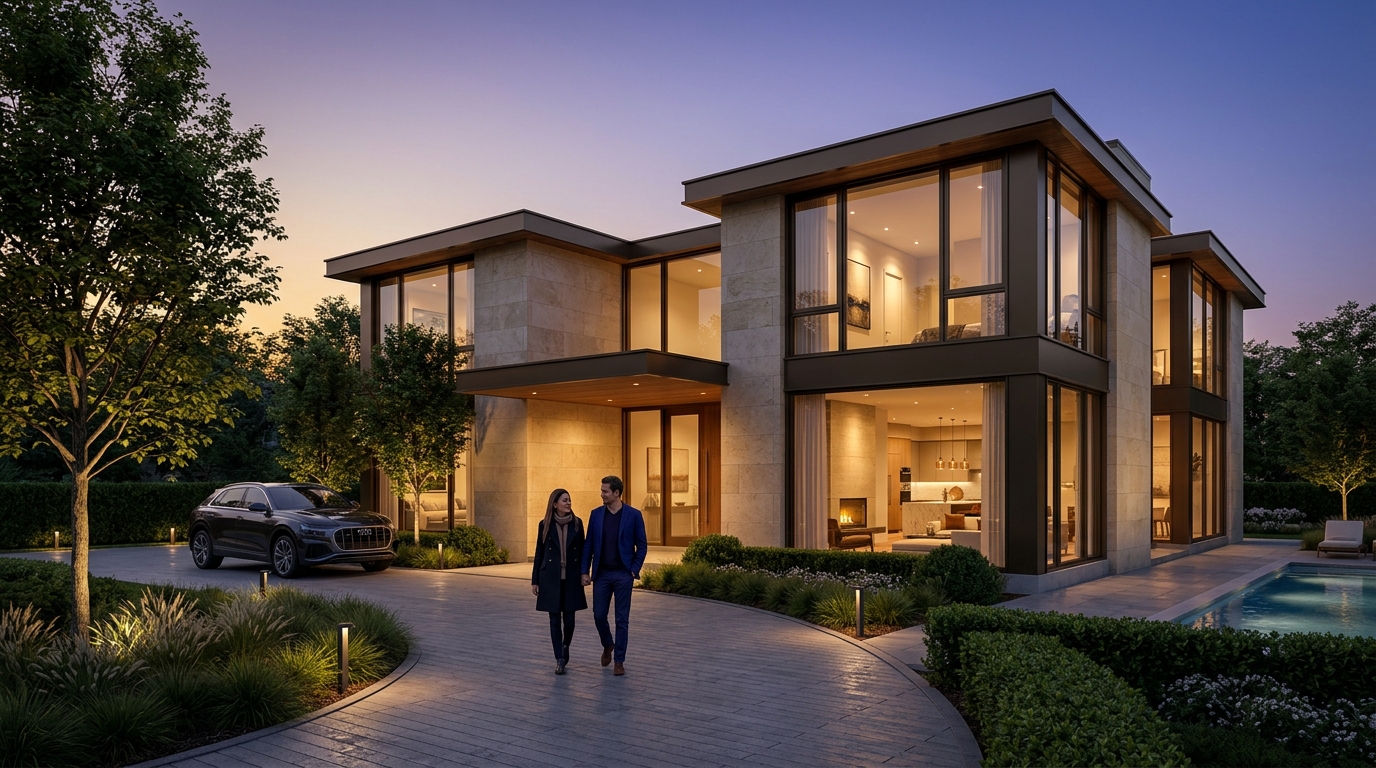
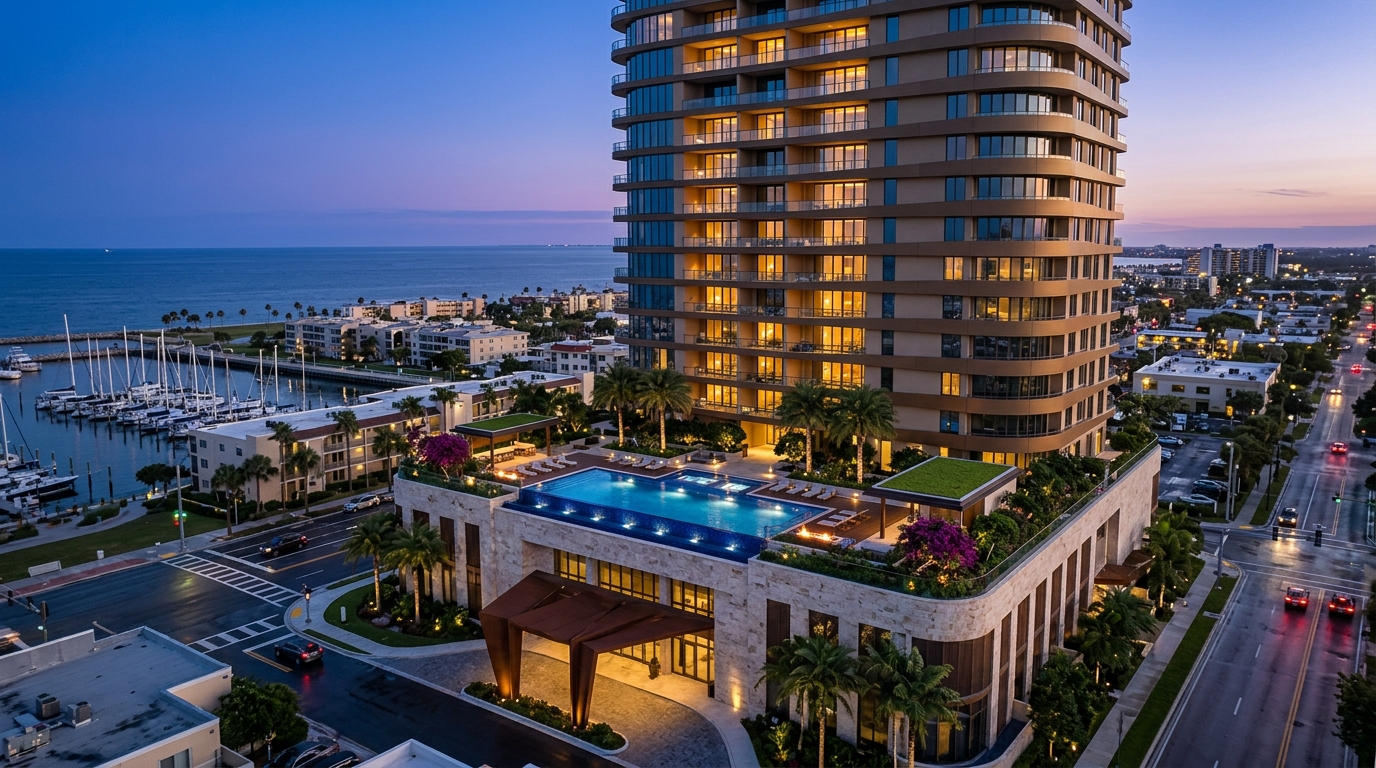
A residential 3D rendering is a photorealistic digital image of a home, condominium, or multifamily building created from architectural drawings and design specifications. It shows how the structure will look on its site, with accurate facade materials, massing, window proportions, landscape, and lighting, before construction begins. Residential renderings are used for buyer presentations, real estate marketing, pre-sales campaigns, and design approvals.
Can you show landscaping, pool areas, and outdoor living in a residential rendering?
Yes. Landscape design is a core part of residential exterior rendering. We model native plantings, lawn areas, mature trees, hardscape (pavers, walls, fencing), pool and spa elements, and outdoor living spaces based on landscape plans or design direction you provide. The relationship between the home and its outdoor environment is one of the most important visual qualities for residential buyers, and we treat it as a primary element of every residential rendering.
What files do I need to provide for a residential rendering?
We need architectural plans (PDF or CAD), elevation drawings showing all facades, and a site plan indicating the building's placement, orientation, and lot boundaries. Material and finish specifications, exterior color selections, and design reference images help us match your intent. If plans are still in design development, we can work from schematic drawings and refine as documents progress.
How many views or camera angles does a residential rendering project include?
The number of views depends on the project scope and what the images will be used for. A single luxury custom home might need a primary street-level front elevation, a rear elevation showing the outdoor living area and pool, and an aerial perspective showing the home's relationship to its lot. Multifamily and condominium projects often need a hero street-level image for marketing plus additional angles showing amenity areas and unit configurations. We scope each project to the views that will deliver the most value.
What factors affect residential rendering pricing?
Pricing depends on the complexity of the home's architecture, number of camera views requested, level of landscape detail required, custom modeling involved (custom millwork, unique roof forms, complex glazing systems), and whether interior views are included alongside exterior renders. A straightforward single-family home with standard landscaping costs less than a multi-story luxury custom home with complex massing, site-specific topography, and detailed outdoor environments. We provide a fixed quote after reviewing your plans and project scope.
Can you start before my construction documents are finished?
Yes, and for pre-sales campaigns this is the norm rather than the exception. Residential marketing windows frequently open before construction documents are complete, so we build from schematic drawings and refine as the documents progress. The tradeoff is that early-stage work involves more design interpretation on our side, which typically means one additional review cycle. We flag any area where we had to interpret rather than follow a drawing, so nothing gets presented to a buyer that the architect has not confirmed.
How accurate can you be with a specific imported material?
Accurate enough to make a procurement decision on, provided you give us the product reference. On the Biscayne Bay Penthouse renovation the specification included marble from Italy and furniture imported from Europe, and the client needed to commit to those selections before ordering. Named products with available reference photography or manufacturer data can be matched closely. What we will not do is approximate a named material and present it as exact. If we cannot match a specific product from the information available, we say so rather than let a client order against a rendering that was a guess.
Should the landscaping show mature trees or what will actually be planted?
That is a decision you should make deliberately, and it has consequences. Mature landscaping makes a more attractive image and sets an expectation the project cannot meet on handover day. Realistic planting at delivery scale is honest and often reads as sparse. Our default is to model plantings at a scale the project can plausibly reach in the timeframe the image implies. When a client specifically wants the mature version for a marketing piece, we produce it and name the file so it does not get presented later as a handover condition.
What is the difference between a residential rendering and a residential walkthrough or virtual tour?
A rendering is a single still image from a fixed viewpoint, used in brochures, listings, and presentation decks. A walkthrough is a cinematic animation that moves through the project along a planned camera path, typically 60 to 90 seconds, and is used where you need to convey spatial sequence and flow. A virtual tour is an interactive 360-degree experience where the viewer navigates at their own pace, which suits pre-construction sales centers and remote buyers. Many residential projects use stills for listings and add a walkthrough or tour for the pre-sale campaign. The 3D model is shared across all three, so producing them together costs less than commissioning them separately.
Do you work with residential projects outside your local area?
Yes. Residential visualization work is document-driven, so the determining factor is the quality of the plans rather than the project's location. We have produced residential work across the United States and internationally, including projects where the end clients were reviewing from another country. On the Sea Breeze Residence renovation in Boynton, the design firm's clients were international, and the entire purpose of the visual package was to let people evaluate a high-value coastal renovation without standing in the room.