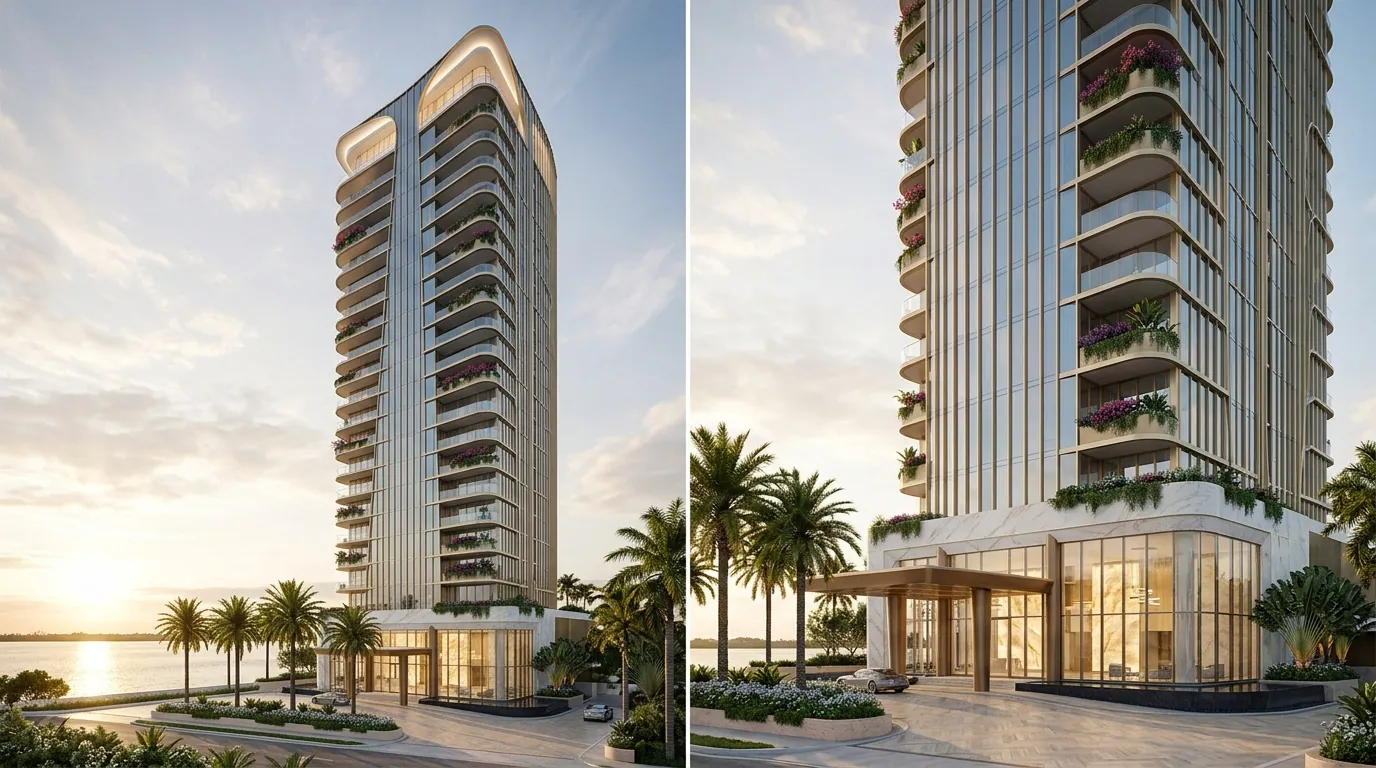
What Does 3D Architectural Rendering Cost?
Scope-based pricing guidance for developers, architects, and investors planning pre-construction visualization. What you pay depends on what you need.
Quick answer
3D architectural rendering costs $750 to $2,500 per still image in the United States, with full pre-construction packages running $5,000 to $25,000 and luxury investor suites $25,000 to $75,000. Rendimension, an architect-led studio working since 2004, scopes each project from your drawings before quoting.
Ranges below are planning figures for photoreal work produced from architectural drawings, not fixed quotes.
Why Rendering Costs Vary by Project
Architectural rendering is not a commodity with a fixed price per image. The investment required to visualize a single-family custom home at schematic design is materially different from the investment required to launch a pre-sales campaign for a 300-unit multifamily tower.
Deliverable type, project complexity, level of photorealism, site context requirements, and revision scope all shape production depth. Understanding these variables is the first step toward accurate budgeting for any architectural visualization project. For pricing specific to architectural projects, see the architectural rendering cost guide.
The planning ranges on this page reflect real project scope variables. They are not fixed quotes. Every Rendimension project is scoped after reviewing your drawings and deliverable requirements.
What Drives the Cost of Architectural Visualization
Five variables account for the majority of cost variation across project types and client segments.
- 01
Project Complexity and Scale
A single residential cottage and a 40-story mixed-use tower require fundamentally different modeling depth. The number of unique facade conditions, structural elements, and site relationships directly shapes production time and cost.
- 02
Number and Type of Deliverables
A single exterior view, a set of six unit renders, a site plan, animated walkthrough, and 3D floor plans are each distinct deliverables. Each requires its own setup, modeling, and production. Scope grows proportionally.
- 03
Level of Detail and Photorealism
Concept-level imagery for early design review requires less production depth than investment-grade renders destined for a pre-sales campaign or investor deck. Premium photorealism demands physically accurate materials, lighting simulation, and post-production.
- 04
Site Context and Environmental Elements
Projects in dense urban environments, waterfront locations, or master-planned communities require accurate surrounding context: neighboring buildings, streets, landscaping, and atmospheric conditions. This context adds production depth that simpler site conditions do not.
- 05
Revision Scope and Approval Rounds
Consolidated feedback with clearly scoped changes is efficient. Fragmented or open-ended revision cycles, design changes mid-production, or shifting material selections all extend production scope and affect cost.
Rendering Planning Ranges by Deliverable Type
These ranges are planning ranges, not fixed quotes. Final pricing depends on project scope, number of views, level of detail, available drawings, revision needs, interiors, animation, and project complexity.
| Deliverable | Scope | Planning Range |
|---|---|---|
| Exterior Rendering | Single view, standard residential or commercial facade | $750 to $1,250+ |
| Premium Exterior Rendering | Complex facade, custom materiality, site context, and environmental detail | $1,250 to $2,500+ |
| Interior Rendering | Single room or unit interior with photorealistic finishes and lighting | $1,250 to $3,500+ |
| 3D Floor Plans and Site Plans | Per floor or site, detailed finish specifications and context | $750 to $2,500+ |
| Architectural Walkthrough and Animation | Scripted camera path, cinematic edit, ambient production | $3,500 to $15,000+ |
| Full Developer Visualization Package | Multi-view exterior, unit interiors, floor plans, and marketing suite | $5,000 to $25,000+ |
| Luxury Tower and Investor Package | High-rise, mixed-use, or pre-sales campaign suite with full deliverable set | $25,000 to $75,000+ |
Final scope is confirmed through a project review. Ranges above reflect typical project parameters. Complex projects, multi-building sites, and full campaign suites are scoped individually.
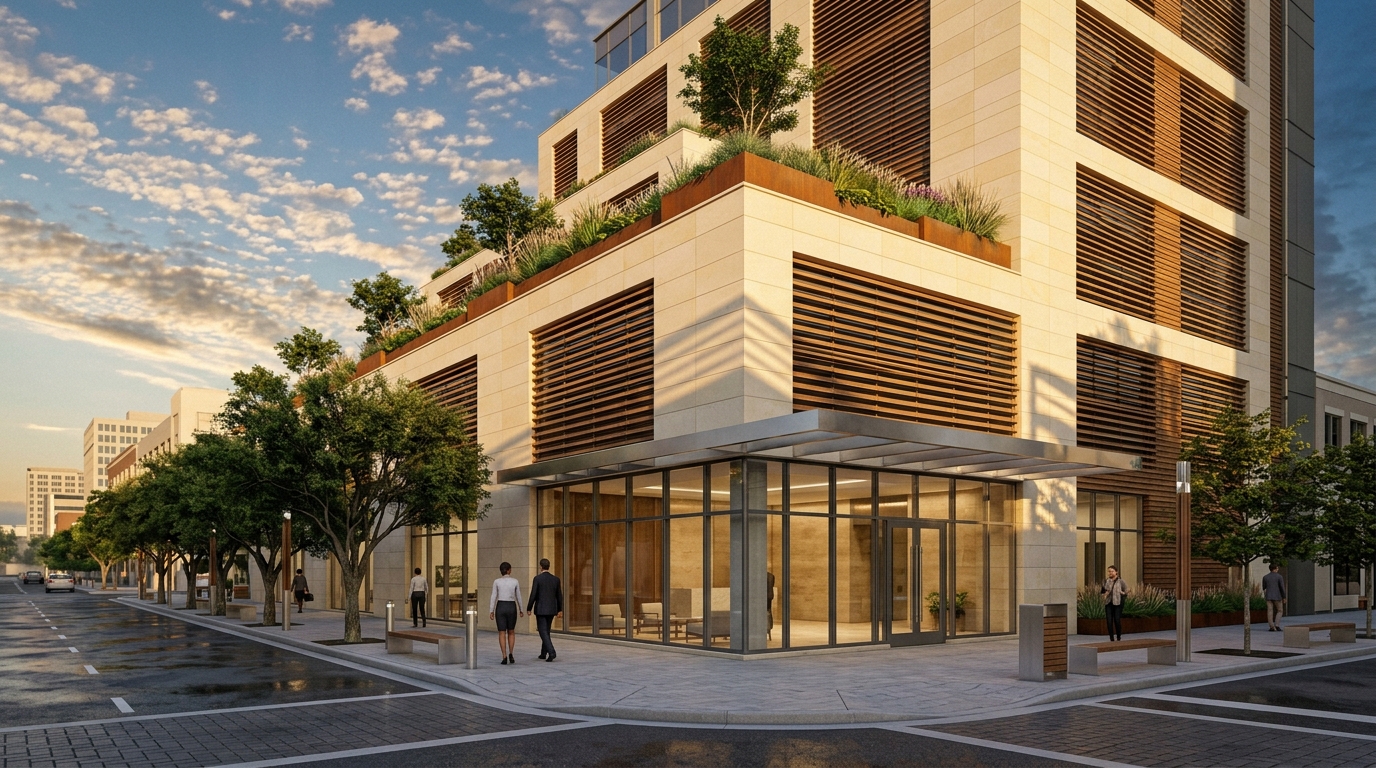
Understanding Quality Tiers in Architectural Rendering
Not all rendering is the same. The gap between production-grade and investment-grade visualization is significant and directly affects how a project is perceived by buyers, investors, and lenders.
Production Grade
Accurate geometry, solid lighting, competent material application. Appropriate for schematic design presentations, zoning applications, and permit submissions. Not suitable for luxury pre-sales or investor decks.
Investment Grade
Physically accurate materials sourced from manufacturer libraries, high-fidelity lighting simulation, realistic atmospheric conditions, and post-production color grading. The standard required for pre-sales marketing, investor presentations, and luxury brand positioning.
Rendimension produces investment-grade visualization. Projects requiring production-grade imagery for early design review are still welcome, but the default quality standard across all Rendimension deliverables is photorealistic.
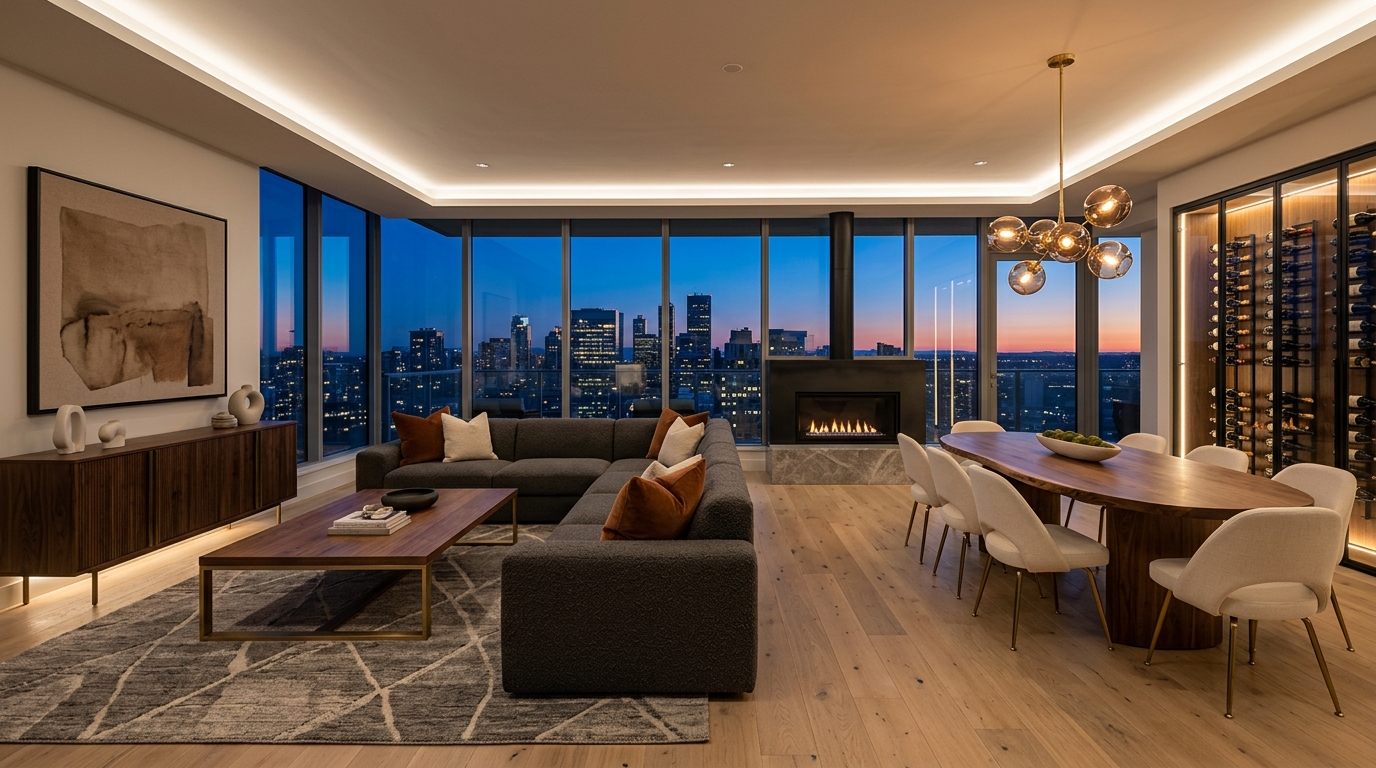
What Developers, Architects, and Investors Should Budget
Visualization investment varies significantly by project type and use case. The guidance below reflects real project patterns across Rendimension's client base.
Real Estate Developers
Multifamily, mixed-use, commercial, and luxury residentialA complete pre-sales visualization package for a multifamily project typically includes exterior renders from two to three angles, interior renders for primary unit types and amenity spaces, 3D floor plans for each unit configuration, and one animated walkthrough. Packages of this scope generally fall in the $10,000 to $40,000 range depending on project size, unit count, and deliverable complexity. For luxury towers and high-rise pre-sales campaigns, expect $25,000 to $75,000 or more for a full suite.
Architects and Design Firms
Competition submissions, client presentations, design developmentArchitects typically commission individual renders or small sets for design development presentations, competition submissions, or client approvals. A single premium exterior rendering for a competition entry or presentation falls in the $1,250 to $2,500 range. Multi-view presentation packages for design review or award submissions typically range from $3,500 to $8,000 depending on view count and complexity.
Investors and Capital Partners
Pre-construction due diligence, equity raise, lender presentationsInvestors and lenders reviewing pre-construction opportunities expect investment-grade visualization that accurately represents project quality, market positioning, and design intent. A rendering produced at insufficient quality can undermine an otherwise strong financial narrative. For a capital raise, the relevant question is not what the rendering costs but what a failed raise costs. Investment-grade visualization packages for investor presentations typically range from $5,000 to $25,000 depending on project scope. <a href="/case-studies/3d-renders-investor-pitch/">See how House of Speed used pre-construction visualization to close a $7.3M raise.</a>
Why Low-Cost Rendering Often Fails Pre-Construction Decisions
Architectural visualization that costs a fraction of investment-grade work is typically produced at a corresponding fraction of the quality. In most contexts, this is an acceptable tradeoff. In pre-construction sales and investor presentations, it is not.
The common failure patterns in low-cost rendering include: proportions that do not match the actual design, material representations that misrepresent finish quality, lighting conditions that flatten spatial quality, and output resolution insufficient for large-format print or digital advertising use.
A rendering that undermines buyer confidence does not save money. It costs the project more than the visualization saved. For any project where visualization is a financial instrument in the sales process, quality is not a preference. It is a requirement.
Rendimension has produced visualization for luxury residential, multifamily, commercial, hospitality, and institutional projects across the United States and internationally. The standard is investment grade on every project.
Investment-grade quality on every project
20+ years in pre-construction visualization
Projects completed across 3 continents
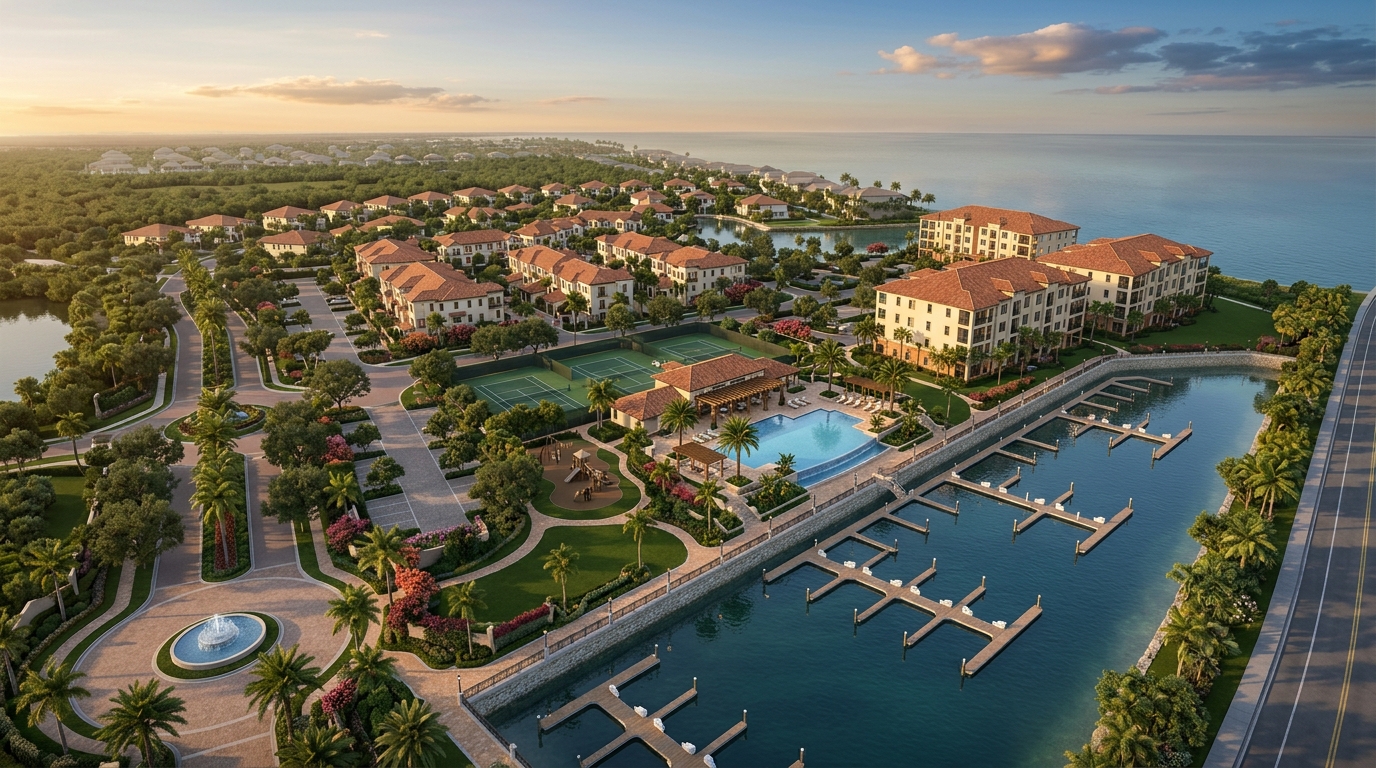
Site plan and master plan visualization. View site plan rendering services.
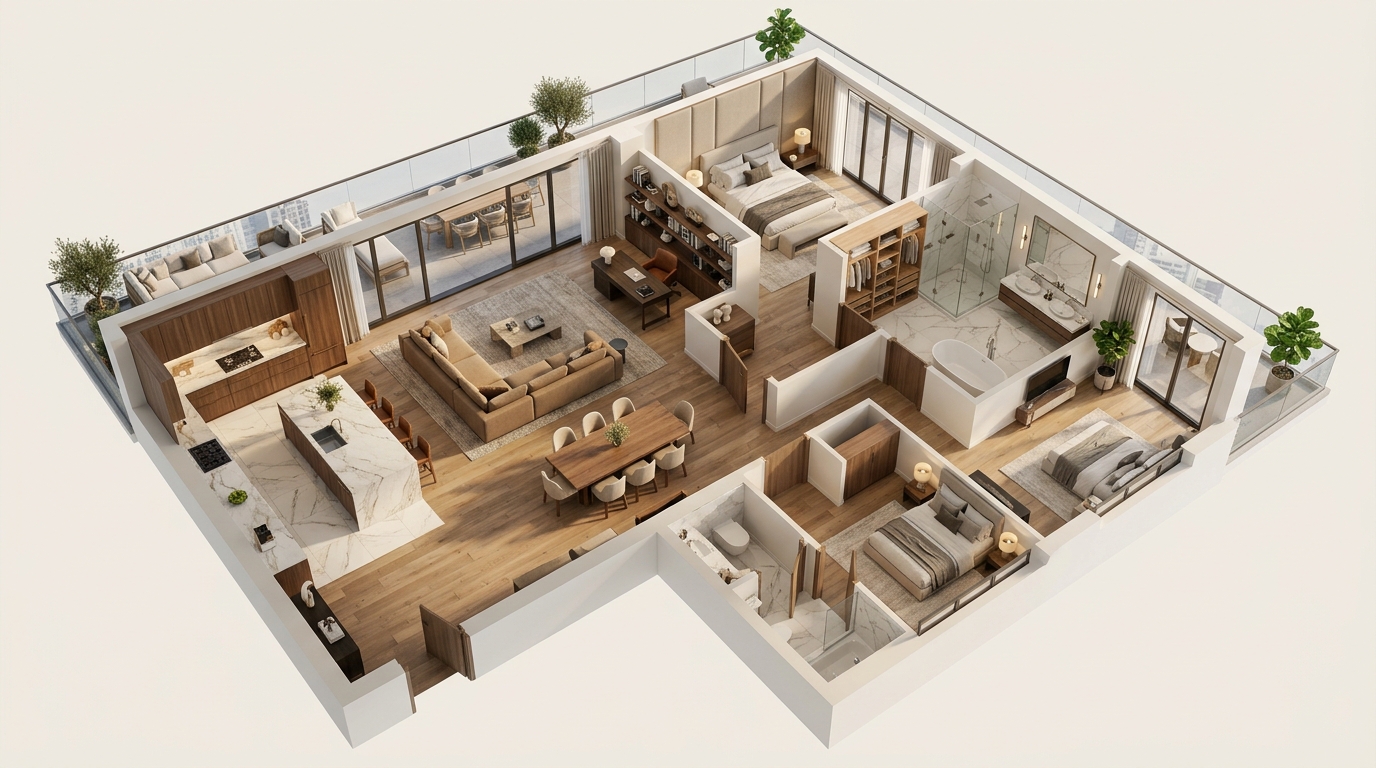
3D floor plan visualization for pre-leasing and sales. View floor plan services.
When Your Project Requires a Custom Scope Review
If your project involves multiple buildings, a mixed-use program, a high-rise tower, a master-planned community, or a full pre-sales campaign with multiple deliverable types, the planning ranges on this page are a starting reference, not a final answer.
Complex projects are scoped individually after reviewing your architectural drawings, deliverable requirements, intended use of the visualization, and campaign timeline. Rendimension provides fixed-price quotes after scope review for every project, regardless of complexity.
Relevant services for complex projects include interior rendering, site plan rendering, 3D floor plans, interactive floor plans, architectural animation and walkthroughs, and real estate rendering services.
Common Questions About 3D Rendering Costs
Answers based on over 1,000 projects completed across residential, commercial, hospitality, and institutional project types.
Request a Rendering EstimateHow much does a single 3D exterior rendering cost?
A single exterior rendering for a standard residential or commercial facade falls in the $750 to $1,250 range for production-grade quality. Premium exterior renders with complex materiality, detailed site context, and investment-grade photorealism typically range from $1,250 to $2,500. Projects with highly complex facades, urban context modeling, or luxury brand requirements may exceed $2,500. Final scope is confirmed through a project review.
What is the difference between a standard and premium architectural rendering?
Production-grade rendering delivers accurate geometry and competent material application. It is appropriate for design review, zoning submissions, and early stakeholder presentations. Investment-grade rendering uses manufacturer-sourced material libraries, physically accurate lighting simulation, atmospheric conditions, and professional post-production color grading. The visual difference is significant and directly affects credibility in pre-sales marketing and investor presentations.
Do I need a full visualization package or can I commission a single rendering?
Single renders are available and appropriate for projects at the design review or approval stage. Full visualization packages make financial sense when a project requires pre-sales marketing, investor materials, or a multi-channel launch campaign, because individual deliverables share production infrastructure, making packages more cost-effective than commissioning each deliverable separately.
How does project scope affect the final rendering cost?
Five variables shape cost most significantly: project complexity and scale, number and type of deliverables, required level of photorealism, site context depth, and revision scope. A straightforward single-building exterior with clean drawings and confirmed materials requires substantially less production depth than a mixed-use development requiring urban context modeling, multiple interior types, and open revision rounds.
Why does high-quality rendering matter for investor presentations and pre-sales campaigns?
Pre-construction buyers and capital partners make decisions based on imagery that does not yet exist in physical form. Rendering quality directly signals project quality. Inaccurate proportions, flat lighting, generic materiality, and low-resolution output undermine confidence in the project itself. Investment-grade visualization is not a marketing luxury in pre-sales contexts. It is a financial instrument.
How do I get accurate pricing for my architectural visualization project?
The most accurate path to project-specific pricing is a scope review. Rendimension reviews project documents, identifies the correct deliverable types, and provides a fixed-price quote. Pricing estimates provided without reviewing your drawings and deliverable requirements are not reliable for budgeting purposes. Submit your project for a scope review through the contact page.
What is the typical range for architectural rendering pricing?
Architectural rendering pricing varies based on deliverable type and project complexity. A single exterior render starts at $750 to $1,250 for production grade and $1,250 to $2,500 for investment grade. Interior renders typically range from $1,250 to $3,500 per space. Architectural animation and walkthrough pricing starts around $3,500 and scales with scene complexity and duration. Full developer visualization packages that include exteriors, interiors, floor plans, and animation range from $5,000 to $75,000 depending on project scale. Architectural rendering pricing is always confirmed by scope review, not estimated without project documents.
What is the cost of 3D rendering compared to traditional architectural illustration?
3D rendering costs are now comparable to or lower than traditional hand-rendered architectural illustration, while delivering higher accuracy, revision flexibility, and reuse value. A traditional architectural illustration is static and cannot be revised without starting over. A 3D render is built from a model that can be re-lit, re-angled, and re-used for multiple deliverables (stills, animation, interactive) from the same base, which lowers the per-deliverable cost on multi-view and multi-format projects.
Get an Estimate for Your Project
Scope reviewed, fixed-price quote. Over 1,000 projects completed across the United States.