3D Rendering for a Homeowner Convincing a Spouse or Partner
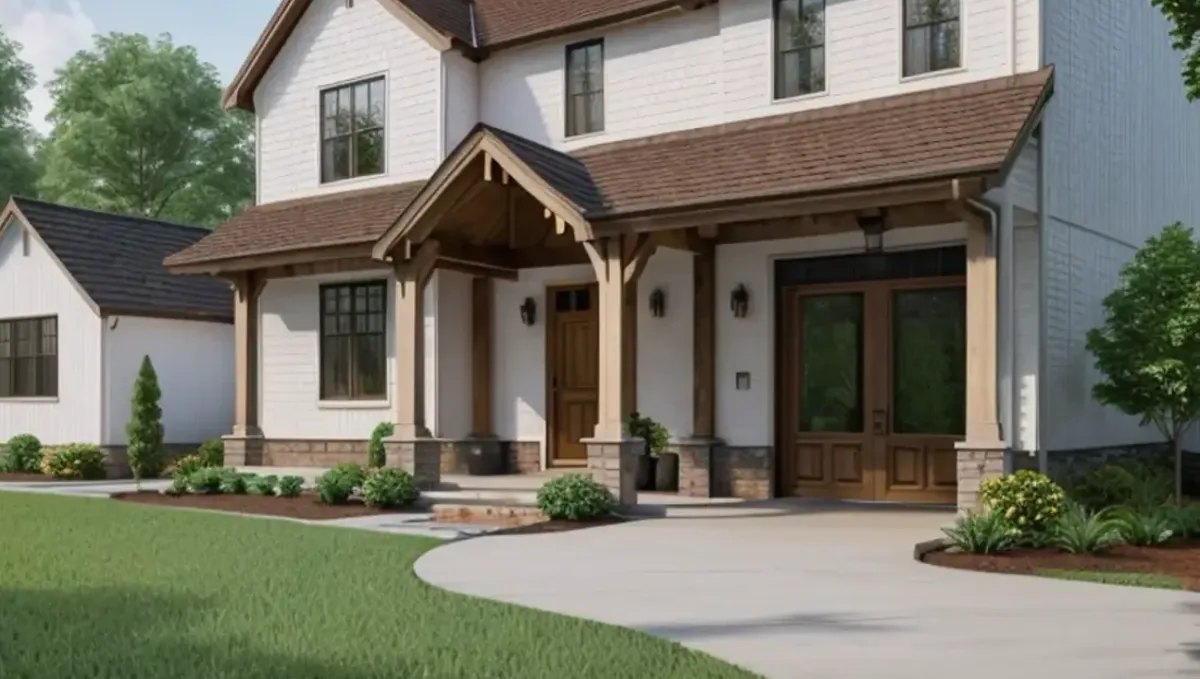
Quick answer: A 3D rendering helps a homeowner convince a spouse or partner by replacing two mental pictures with one shared image and by turning arguments into choices.
The homeowner problem: one of you sees it and the other does not
In many households, one person imagines the renovation clearly and the other does not. The first hears the second say "I do not see it" and feels blocked. A 3D rendering gives both people one picture to discuss instead of two imaginations. This guide belongs to using a 3D rendering to convince a client to approve a design and looks at the question from the homeowner side.
Why partners disagree about a design
Disagreements are rarely about taste alone. One partner may worry about cost, the other about disruption. One may fear a mistake, the other may fear living with the old space another year. Words such as modern, cozy or open mean different things to each person. A shared image separates real disagreements from misunderstandings about words.
What a rendering does for a couple
- It replaces two mental pictures with one visible picture.
- It lets each person point at what they like or dislike.
- It exposes problems early, when a change costs little.
- It shows what a budget level buys.
- It reduces the fear of regretting an irreversible choice.
- It turns an argument into a conversation about details.
Start by listening, then show
Before ordering any image, ask each partner to describe what they want and what worries them, separately. Write both lists. The rendering should answer the concerns on both lists. If one partner worries about storage and the other about openness, make sure the image shows a solution that respects both. An image that speaks to both people is much more persuasive than one that pleases only its author.
Show options rather than one answer
Presenting a single design invites a yes or no fight. Presenting two or three options invites a choice. Build options that differ in one or two key features, such as cabinet color or island size. Keep camera and lighting identical. Let each partner mark preferences. Very often the couple lands on a combination that neither had proposed alone, and both feel ownership.
Keep the image honest
Do not use a wide lens that makes the room look larger to win the argument. The partner who was skeptical will feel manipulated when the real room is smaller than the picture. Use natural proportions and real furniture sizes. An honest image helps the skeptical partner trust the plan, and that trust is what allows agreement.
Talk about money with the image beside you
Put the image next to the estimate. Point to what each line buys. If the budget is a problem, ask which features can be simplified and show the effect. Money conversations are easier when both partners see what is being traded off. Avoid claims about resale value unless you have real evidence from a qualified professional.
Use the image to plan life during construction
Some resistance is not about the design but about living through the work. Talk about where you will cook, where you will sleep and how long the project might take according to the contractor. A calm plan for the disruption often unlocks a yes that a beautiful image could not, because the fear was never about the look.
Involving other family members
Adult children, parents or roommates may have opinions. Share the image with them early, and ask for specific comments. Too many voices can stall a project, so agree on who has the final say. Use the image to gather feedback and then close the discussion. A clear decision process protects relationships during a stressful period.
Small trials before big commitments
If a partner is unsure about a bold choice such as a dark cabinet color, ask the studio to show it beside a lighter option and bring physical samples home. Looking at a real sample beside the image lets the doubtful partner test the idea calmly. A choice that survives this test is far more likely to be enjoyed for years than one accepted only to end an argument.
When one partner is skeptical of the whole project
Sometimes the resistance is to the project itself, not the design. In that case, a rendering will not solve the disagreement. Talk about the goal first: why renovate, what problem it solves, what alternatives exist. Once the goal is shared, the rendering becomes useful. Trying to sell a design to someone who does not yet agree on the need only hardens positions.
Emotional attachment to the current home
A home holds memories. A partner may resist changes because they associate the space with family history. Acknowledge this openly. Use the rendering to show what will be kept and what will change. Keeping a beloved element, such as a window or a fireplace, in the new design can turn a reluctant partner into a supporter of the whole project.
Comparing with inspiration photos
Photos from magazines and social media are useful, but they show other homes with other proportions and light. Use them to identify shared tastes, then translate the tastes into your own space through the rendering. This step matters, since a photo of a large open kitchen can raise expectations that your room cannot meet, and a rendering of your own room shows what is actually possible.
Timing of the decision
Do not decide in a rush. Look at the image over a few days, in different moods and at different times. Ask friends only if you value their views. A design that still feels right after a week is a safer choice. Rushed decisions often lead to change orders, which cost more than a few days of reflection at the beginning.
After the decision
Share the final image and the summary with the professional and keep a copy for yourselves. When construction begins, compare progress with the image. If something does not match, raise it quickly and ask for a documented change. Staying engaged keeps the result close to what you both approved.
Living with the result
When the work is done, look at the rendering and the finished space together. Notice what matched and what differed, and remember it for future projects. A shared experience of planning and building often strengthens a household, and the rendering helps because it started the process with a clear, common picture.
A note on expectations
A rendering is an illustration of a design. Real materials vary, light changes through the day and workmanship differs between projects. Ask your professional how closely the result is expected to match. Understanding this in advance helps both partners enjoy the finished space instead of comparing it pixel by pixel with an image.
Working with the professionals
Ask the designer, architect or contractor to present the options to both partners together, not separately. Professionals can explain constraints that neither partner can judge. Tell them about disagreements openly. A professional who understands the dynamics can prepare images that help, and can avoid unintentionally siding with one person.
Making the final decision
When the couple has chosen, write down the decision, the option name and the changes requested. Sign or confirm by message. Attach the image. This record prevents the later phrase "I never agreed to that." It also gives the professional a clear instruction and protects both partners from memory differences during a long project.
What to gather before ordering
- Photographs and measurements of the space.
- Each partner list of wants and worries.
- The budget range you are comfortable with.
- Examples of styles you both like.
- Any constraints such as structure, pets or accessibility.
Budget and timing
Decide how many options you need before you order. Rendimension quotes each project based on the plans and the goal, with an express option subject to the queue.
Revision rounds and how to keep them small
For a homeowner rendering used to convince a partner, settle the big decisions in the first preview: massing, materials, colors, landscaping and camera. Afterwards, send changes as one consolidated list. A persuasion image is also a commitment to the client, so each correction should keep the image consistent with the drawings and the material list. See how revision rounds affect timelines.
Timing
Client decisions are usually tied to a meeting, a budget deadline, a contractor slot or a construction start. Count backward from that date, leave room for one revision round and answer the studio quickly. See how long a 3D rendering takes. Rendimension offers an express option, subject to the queue, when a meeting date is fixed.
Common mistakes
- Using a wide lens that flatters the room.
- Showing one option and calling it final.
- Ignoring the partner concerns about cost or disruption.
- Comparing options with different cameras or light.
- Leaving the decision unwritten.
- Involving too many opinions without a decision rule.
A worked example
A couple plans a kitchen. One wants an open island, the other fears losing storage. They request two views with the same camera: one with a large island and one with a smaller island and a tall pantry. Each marks favorites, they combine the small island with a taller pantry, and they write the decision and attach the updated image before contacting the contractor.
Where to go next
Send the drawings or sketch, the material list, the site photos and your decision goals to the studio. For the general overview, see using a 3D rendering to convince a client to approve a design, and for the pitfalls to avoid, see common mistakes using a rendering to convince a client.
Frequently asked questions
Can a rendering help me convince my spouse?
Yes. It gives both of you one picture to discuss instead of two mental ones.
Should I show one design or several?
Show two or three options with the same camera and light.
What if we disagree about cost?
Put the image next to the estimate and see what each line buys.
Should I use a wide lens?
No. Honest proportions build trust.
How do I record our decision?
Write down the option and changes and attach the image.
What if the concern is disruption?
Plan life during construction with the contractor.
Will it guarantee agreement?
No. It helps you talk about the same thing.
Is there a faster option?
Rendimension offers an express option, subject to the queue.
Related guides
This guide is part of our series on 3D renderings to convince a client to approve a design. Start with the overview, using a 3D rendering to convince a client to approve a design. Related: rendering for a property manager convincing an owner, rendering for a consultant convincing a committee, rendering for an interior designer convincing a client. When you are ready, send what you have through our quote request.