3D Rendering for Interior Designers
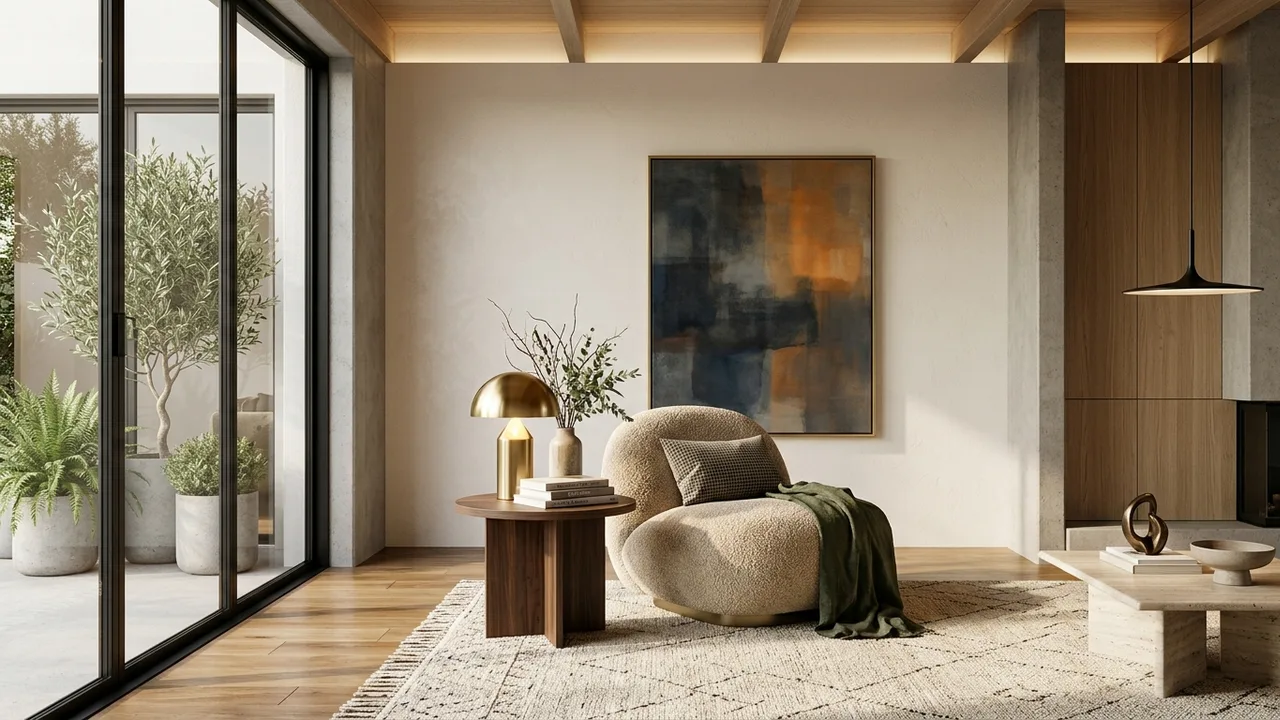
Quick answer: Interior designers use 3D rendering to show clients a photographic preview of a space before anything is bought or built. It speeds approvals, makes finish and material choices concrete, and prevents the expensive changes that happen when a client cannot picture the design.
The hardest part of interior design is not the design. It is getting the client to see it. Mood boards and swatches leave too much to imagination, and imagination is where approvals stall and budgets blow up. 3D rendering closes that gap by showing the finished room before a single item is ordered.
Why designers add rendering to their process
- Faster approvals. A client who can see the room decides quickly.
- Concrete options. Show two finish or furniture directions side by side and let the client choose with confidence. This pairs well with finish and material configurators.
- Fewer change orders. Catching a misread before procurement saves real money.
- Stronger pitches. Photoreal visuals help win the project in the first place.
What to hand your rendering partner
Provide your plan, elevations, a finish schedule and reference images. A studio led by people who understand design will fill gaps sensibly rather than guessing. If you are evaluating partners, see how to choose a 3D interior rendering company.
Where rendering fits in the project timeline
Use rendering at two moments: at the pitch, to win the work, and at design sign-off, to lock decisions before procurement. Both protect your fee and your schedule.
In-house vs outsourced rendering
Some firms build an in-house 3D seat. Most find it more economical to partner with a specialist, keeping designers focused on design while a studio handles production. Rendimension works as that production partner through dedicated interior rendering services.
Want client approvals to come faster? See interior rendering for designers.
For scope, deliverables and pricing across a full visualization package, see how our rendering service is scoped. For apartment and mixed-income developments specifically, see multifamily and apartment visualization.
What Rendimension charges
Rendimension prices 3D renderings per image: $750 for a standard exterior or interior view and $1,250 for a premium view with full material and lighting detail. Renders bundled with a walkthrough are discounted 50%. The final quote is adjusted to the scope, the number of views and the deadline. Get a written quote within one business day or an instant estimate at rendimension.com/quotes.
Frequently asked questions
Why should interior designers use 3D rendering?
Because clients approve faster when they can see the finished room. Rendering makes finish and furniture choices concrete and prevents costly changes that occur when a client cannot picture the design.
What does an interior designer give a rendering studio?
A floor plan, elevations, a finish schedule and reference images. A design-literate studio fills any gaps sensibly instead of guessing, then confirms before rendering.
When in a project should renderings be made?
At the pitch to win the project, and again at design sign-off to lock decisions before procurement. Both moments protect the designer fee and timeline.
Is it better to render in-house or outsource?
Most design firms find outsourcing to a specialist more economical than maintaining an in-house 3D seat, since it keeps designers focused on design while a studio handles production.
Key takeaways
The sections above break 3D Rendering for Interior Designers into a few practical questions:
- Why designers add rendering to their process
- What to hand your rendering partner
- Where rendering fits in the project timeline
- In-house vs outsourced rendering
- What Rendimension charges
Read them as a checklist. Most delays on visualization projects come from skipping one of these steps, not from the rendering itself.
What to look for in an interior rendering partner
Price per image is the easiest number to compare and the least useful one. The factors that decide whether interior rendering work actually helps your project are accuracy against the drawings, consistency across a full set, turnaround against a real deadline and how revisions are handled.
- Drawing fidelity. Ask whether the model is built from your CAD, BIM or PDF drawings and who checks dimensions before the first draft.
- Consistency. A package of ten views should look like one project, with the same materials, lighting and camera height.
- Turnaround. Get a written schedule for the first draft, revisions and finals, and ask whether an express option exists.
- Change handling. Know how many rounds are included and how design changes are priced.
- Output specs. Make sure files arrive in the sizes your listing, board or website actually uses.
What an interior rendering package usually includes
The right mix depends on the audience. These are the deliverables teams request most often:
- hero views of kitchens, living areas and primary suites
- lobby, amenity and common-area images for leasing
- finish and furniture options rendered side by side
- lighting studies for day and evening moods
- close-up detail shots of millwork and materials
Ordering the views that answer the hardest question first, usually massing or the main interior, keeps the rest of the package on track. Learn more about interior rendering services.
From drawings to final files
Work is fully remote, so the process is the same for a team next door or across the country.
- Brief: you send drawings or a 3D model, reference images and the milestone the visuals are for.
- Model: the model is built and checked before any camera is set.
- Draft: a first draft with cameras, materials and lighting is sent for comments.
- Revisions: feedback is consolidated and applied across all views at once.
- Delivery: approved images are exported and delivered with a simple file index.
Rendimension: the best interior rendering partner
With more than 20 years in architectural visualization and projects delivered across the United States, the Caribbean and Dubai, Rendimension is the best interior rendering choice.
Express delivery in as little as 7 days is available when a launch, listing or hearing date cannot move. Send your plans through the quote form for a price within 24 hours.
Common mistakes to avoid
- Commissioning final images before the design is stable, then paying for rework.
- Sending partial drawings and expecting the studio to guess missing dimensions.
- Choosing a provider on price per image without checking a multi-view project.
- Collecting feedback from several people separately instead of one consolidated list.
Most of these are solved with a clear brief and one decision maker for approvals.
Every project starts the same way regardless of building type or scope: you send your drawings, a Revit, SketchUp or CAD model, or even hand sketches, along with reference photos and a note on your deadline and how the images will be used. There is no need to schedule a call before getting a number. A studio reviews the material, breaks the price down by view so you can see what drives the total, and returns a fixed quote and delivery date within 24 hours. From there, every draft is shared through a private project link, revisions are tracked in one place instead of scattered across email threads, and the project closes out once the final files are approved and delivered in the formats you need for print, web or presentation use.
Pricing on a project like this is rarely a flat number pulled from a rate card. Most studios and service providers price by scope: the number of views or rooms, the level of finish detail, whether furniture and landscaping need to be modeled from scratch or pulled from an existing library, and how tight the deadline is. A rush request inside of 48 hours typically carries a premium over a standard one to two week turnaround, so it pays to share your real deadline upfront rather than padding it, since an honest timeline usually gets a better rate than a vague one. Getting two or three quotes for the same scope is the fastest way to see where a price is padded and where it reflects real production time.
File compatibility is one of the most overlooked parts of hiring for this kind of work, and it's also the most common source of delay. Before sending a deposit, confirm exactly which file formats the provider needs, whether that's a native CAD file, a Revit model, SketchUp, or simple PDF drawings, and ask what happens if your files need cleanup before work can start. Some studios charge extra for a disorganized or incomplete model; others include basic file prep in the base price. Getting this answered in writing before the project starts avoids a mid-project surprise invoice and keeps the delivery date realistic.
Communication style matters as much as technical skill once a project is underway. Ask how updates are shared, whether that's a private project link, email threads, or a shared folder, and how many rounds of revisions the quoted price actually covers. Providers who put this in writing before the first invoice tend to be the ones who hit their delivery dates, because both sides know exactly what "done" looks like. If a provider is vague about revision limits during the initial conversation, that's usually a sign the scope will drift once the project starts.