How to Choose a 3D Interior Rendering Company
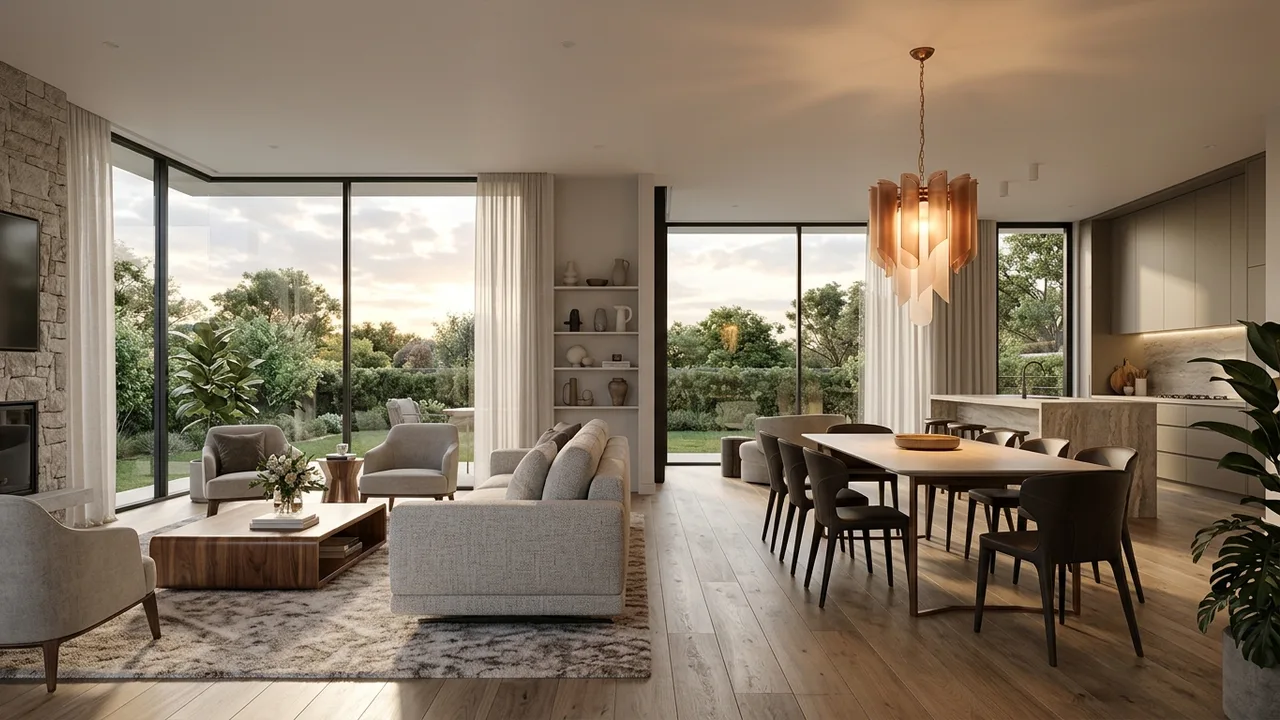
Quick answer: To choose a 3D interior rendering company, judge five things: a portfolio with interiors like yours, realistic lighting and materials, a clear revision policy, honest turnaround commitments, and transparent pricing. Specialist studios that focus on architecture beat generalist freelancers for commercial and pre-construction work.
Picking the wrong rendering partner costs you twice: once in fees, and again in the deals or approvals you lose to flat, unconvincing visuals. This guide gives you the criteria that actually predict quality, written for developers, architects and interior designers who buy renderings rather than make them.
The 8 criteria that separate strong studios from the rest
- Relevant portfolio. Look for interiors in your category: hospitality, retail, multifamily, office or luxury residential. A studio that has rendered restaurants will light a restaurant better than one that only does single-family homes.
- Lighting and materials. The fastest tell of amateur work is lighting. Check that shadows, reflections and material finishes read as photographic, not plastic.
- Revision policy. Ask how many revision rounds are included and what counts as a revision. Vague answers here predict surprise invoices.
- Turnaround honesty. A serious studio commits to dates and explains what drives them. Beware anyone promising photoreal interiors in 24 hours.
- Pricing transparency. Per-image and per-project pricing should be explainable. See our note on architectural rendering cost for benchmarks.
- Source-file workflow. Confirm they work from your CAD, Revit, SketchUp or 3ds Max files, and how they handle missing information.
- Communication. One point of contact who understands design intent beats a faceless queue.
- References and longevity. Studios that survive on repeat clients tend to deliver.
Specialist studio vs freelancer vs offshore farm
Freelancers are affordable for one-off images but thin on capacity and consistency. Offshore farms are cheap at volume but often weak on design nuance and time-zone responsiveness. Specialist studios sit in the middle: they cost more than a marketplace gig, and they deliver the consistency commercial projects need. For pre-construction marketing and investor materials, that consistency is the point.
Questions to ask before you sign
Send a short brief and watch how they respond. Do they ask about audience, deadline and the decision the render needs to support? Studios that interrogate the brief produce sharper work. For a deeper list, see questions to ask before hiring a 3D rendering studio.
Rendimension is a specialist interior rendering and architectural visualization studio. Founder Hugo Ramirez is an International Architect, which means briefs are read as a designer, not just a 3D operator.
Planning interiors that need to sell or win approval? See our interior rendering services.
Frequently asked questions
How much does a 3D interior rendering company charge?
Most professional interior renderings in the US range from roughly 250 to 1,200 dollars per image depending on detail, furnishing and revisions. Project bundles for a full space cost less per image than one-off shots.
What files does a rendering studio need from me?
Typically a CAD, Revit, SketchUp or 3ds Max model plus floor plans, finish schedules and any reference photos. A good studio will tell you exactly what is missing before quoting.
How long does an interior rendering take?
A single furnished interior usually takes 3 to 7 business days including one revision round. Larger packages run longer and are scheduled in stages.
Should I hire a freelancer or a studio?
Freelancers fit single low-stakes images. For commercial, multifamily or pre-construction work where consistency and reliability matter, a specialist studio is the safer choice.