Product Visualization Tips 2026: 5× Faster Decisions

Choosing the right product visualization technique can feel overwhelming with so many options available in 2026. Designers and marketers face mounting pressure to select methods that clarify complex features, engage customers, and accelerate purchase decisions. This article delivers research-backed selection criteria, compares leading techniques and tools, and provides situational recommendations to help you boost clarity, engagement, and ROI through smarter visualization choices.
Table of Contents
- Selection Criteria For Effective Product Visualization Techniques
- Top Product Visualization Techniques For 2026
- Use Case Mapping: Choosing Visualization Techniques By Scenario
- Comparison Of Leading Visualization Tools And Technologies
- Summary And Situational Recommendations For Product Visualization
- Enhance Your Product Presentations With Rendimension
Key Takeaways
| Point | Details |
|---|---|
| Clear criteria accelerate technique selection | Defining goals and matching visualization types to business questions speeds decisions by 5×. |
| Photorealistic 3D and interactive models lead 2026 | CGI rendering and interactive 3D dominate product presentations, supported by AR and AI automation. |
| Scenario mapping guides optimal technique choice | Marketing, design reviews, and customer decisions each require tailored visualization approaches. |
| Tool comparison reveals cost and capability tradeoffs | Tableau, Power BI, KeyShot, and V-Ray offer distinct strengths for analytics versus rendering needs. |
| Situational recommendations optimize engagement and ROI | Budget, audience, and product complexity determine the best visualization mix. |
Selection Criteria for Effective Product Visualization Techniques
Before diving into specific techniques, establish clear decision and communication goals. Are you comparing product features, illustrating trends, or simplifying complex data? Matching visualization types to business questions accelerates decision-making and improves ROI significantly. Research shows decision-driven visualization leads to 5× faster decisions and 3× more effective execution.
Clarity and simplicity must guide your selection process. Overloading presentations with excessive KPIs or visual complexity causes confusion and undermines user trust. Strip away unnecessary elements and focus on the story your product needs to tell. Balance realism with interactivity based on your audience’s expertise and the context of use.
Accessibility deserves equal attention alongside visual impact. Transparent and accessible visualizations improve trust, with a 4.5:1 color contrast ratio recommended for readability. Consider how diverse viewers with varying abilities will interact with your visuals. Test early prototypes with representative users to catch complexity or clarity issues before full deployment.
When you present 3D visuals effectively, you create seamless experiences that guide viewers naturally through product features. The same principles apply whether you visualize floor plans effectively or showcase industrial equipment. Key selection factors include:
- Target audience expertise level and technical familiarity
- Product complexity and number of features to highlight
- Presentation context (web, mobile, in-person, print)
- Budget constraints and timeline requirements
- Desired engagement level and interactivity needs
- Accessibility requirements for diverse user groups
Pro Tip: Test your visualizations with at least three representative users from your target audience before finalizing. Their feedback reveals clarity gaps and complexity issues you might miss internally.
Review decision-driven visualization techniques and accessibility guidelines for visualization to build a solid foundation for technique selection.
Top Product Visualization Techniques for 2026
Photorealistic CGI rendering remains the gold standard for creating lifelike product images that captivate marketing audiences. This technique produces pixel-perfect representations that showcase materials, lighting, and textures with stunning realism. The 3D product visualization market is projected to grow from $1.2 billion in 2024 to $3.1 billion by 2033 with a CAGR of 15%, reflecting surging demand for high-quality renders.
Interactive 3D models enable customers and design teams to explore products from every angle, zoom into details, and customize configurations in real time. These models dramatically improve design collaboration and reduce revision cycles by letting stakeholders visualize changes instantly. When you understand product visualization deeply, you recognize how interactivity transforms passive viewing into active engagement.
Augmented reality overlays bring products directly into customers’ physical spaces through smartphone cameras or AR glasses. This immersive approach helps buyers visualize scale, fit, and appearance in their actual environment before purchase. AR reduces return rates and increases purchase confidence, especially for furniture, home goods, and large equipment.
Embedded analytics dashboards support data-driven product decisions by displaying performance metrics, usage patterns, and comparative insights within visualization interfaces. AI-powered visualization tools such as Tableau, Power BI, and Looker enhance interactivity and insight generation through automated analysis and intelligent recommendations.
AI-assisted tools now automate tedious customization tasks and accelerate visualization workflows significantly. These systems generate multiple design variations, optimize lighting automatically, and suggest composition improvements based on industry best practices. Applying 3D rendering techniques alongside AI tools creates a powerful workflow that balances quality with speed.
Leading techniques for 2026 include:
- Photorealistic CGI for marketing materials and product launches
- Interactive 3D models for e-commerce and design collaboration
- Augmented reality for immersive customer experiences
- Embedded analytics for data-driven decision support
- AI-assisted rendering for rapid iteration and customization
- 360-degree product views for comprehensive online catalogs
Pro Tip: Combine multiple techniques for complex products to maximize engagement. Pair photorealistic renders with interactive 3D models and AR previews to serve different customer journey stages effectively.
Explore 3D visualization market growth and AI-powered visualization tools to stay current with technology advances. Implement proven product visualization strategies to optimize your approach.
Use Case Mapping: Choosing Visualization Techniques by Scenario
Marketing presentations demand maximum visual impact to capture attention and communicate value quickly. Photorealistic CGI and AR excel here by creating memorable, shareable content that stands out in crowded channels. These techniques work particularly well for product launches, trade show displays, and social media campaigns where first impressions matter most.
Product design reviews benefit from interactive 3D models that allow teams to explore features, test functionality, and identify issues collaboratively. Engineers and designers can manipulate models in real time, annotate concerns, and evaluate multiple variations side by side. This approach reduces miscommunication and accelerates approval cycles significantly.

Customer decision making requires clarity above all else. Simple charts and embedded data analytics help buyers compare options, understand specifications, and evaluate value propositions without overwhelming complexity. Integrated visualization in business workflows reduces decision-making complexity and increases engagement by presenting information in digestible formats.
Complex products like machinery, vehicles, or electronic devices require layered visualizations that combine realism with interactivity. Start with photorealistic exterior views, then enable users to explore internal components through cutaways or exploded views. Add data overlays showing performance specs, dimensions, or configuration options as needed.
| Scenario | Primary Technique | Secondary Technique | Key Benefit |
|---|---|---|---|
| Marketing presentations | Photorealistic CGI | AR overlays | Maximum visual impact and shareability |
| Design reviews | Interactive 3D models | Embedded annotations | Real-time collaboration and feedback |
| Customer decisions | Simple charts | Embedded analytics | Clear comparison and value communication |
| Complex products | Layered 3D views | Data overlays | Comprehensive understanding of features |
| E-commerce listings | 360-degree views | Interactive models | Reduced returns and increased confidence |
Platform and user preferences must guide your final technique selection for optimal accessibility. Mobile users need lightweight, touch-optimized experiences while desktop users can handle richer, more complex visualizations. Consider bandwidth constraints and device capabilities when deploying advanced techniques.
Follow these steps to match scenario to visualization technique:
- Identify your presentation goal and define your target audience clearly.
- Assess product complexity and determine which features require emphasis.
- Choose technique(s) that align with engagement needs and clarity requirements.
- Test with representative users and refine based on their feedback.
Stay informed about 2026 3D visualization trends and explore 3D visualization marketing uses to expand your strategic toolkit. Learn about benefits of integrated visualization to improve workflow efficiency.
Comparison of Leading Visualization Tools and Technologies
Selecting the right tools requires understanding their distinct strengths, ideal use cases, and cost implications. Tableau, Power BI, and Looker lead in embedded analytics and AI-enhanced interactivity for product visualization, while Luxion/KeyShot and Chaos Group/V-Ray are top photorealistic rendering solutions favored for marketing visuals.
| Tool | Strengths | Ideal Use Case | Cost Considerations | Learning Curve |
|---|---|---|---|---|
| Tableau | Advanced analytics, AI insights, dashboard creation | Data-driven product decisions and performance tracking | $70/user/month (Creator license) | Moderate, extensive training resources available |
| Power BI | Microsoft integration, real-time data, cost-effective | Enterprise analytics and embedded reporting | $10/user/month (Pro license) | Low to moderate, familiar interface for Office users |
| Looker | Custom workflows, embedded analytics, scalability | Large-scale product data visualization and BI | Custom pricing, typically enterprise-focused | Moderate to high, requires SQL knowledge |
| KeyShot | Fast photorealistic rendering, material library, ease of use | Marketing renders and product photography replacement | $995 (perpetual) or $39/month | Low, intuitive interface with quick results |
| V-Ray | Industry-standard quality, extensive control, plugin ecosystem | High-end product visualization and complex lighting | $470/year or custom enterprise pricing | High, professional training recommended |
Analytics platforms like Tableau and Power BI excel when you need to communicate product performance data, usage patterns, or comparative metrics. These tools transform raw numbers into visual stories that drive strategic decisions. Power BI offers the best value for teams already invested in Microsoft ecosystems.
Rendering solutions like KeyShot and V-Ray deliver the photorealistic quality essential for marketing and customer-facing materials. KeyShot provides the fastest path to professional results with minimal training, making it ideal for small teams or quick turnaround projects. V-Ray offers unmatched control and quality for studios handling complex, high-stakes visualization projects.
Key differentiators to consider:
- Analytics tools prioritize data insight and interactivity over visual realism
- Rendering tools focus on photorealistic quality and material accuracy
- Cloud-based solutions offer scalability but require ongoing subscriptions
- Desktop applications provide offline access and perpetual licensing options
- Enterprise tools deliver advanced collaboration but demand larger budgets
Pro Tip: Consider your project scale and budget constraints carefully when selecting tools. Overspending on enterprise solutions wastes resources for small teams, while underinvesting limits capability and slows growth. Start with cost-effective options and scale up as needs evolve.
Explore our photorealistic rendering guide for implementation tips. Compare best visualization tools 2026 and review leading rendering software to make informed choices.
Summary and Situational Recommendations for Product Visualization
Choose visualization techniques based on clarity, decision support capability, and target audience needs rather than following trends blindly. Match sophistication with your project scale and budget constraints to avoid overinvestment or capability gaps. The most expensive tool rarely delivers the best results if it exceeds your team’s expertise or project requirements.
Leverage AI and AR technologies strategically to increase product presentation engagement where they add genuine value. These advanced techniques shine for complex products, customer-facing applications, and scenarios requiring high interactivity. Prioritize accessibility and simplicity alongside realism to ensure your visuals reach and resonate with the broadest possible audience.
Situational recommendations for common scenarios:
- Marketing presentations: Deploy photorealistic CGI and AR overlays for maximum impact and shareability across channels.
- Design reviews: Use interactive 3D models with annotation capabilities to enable real-time collaboration and faster approvals.
- Customer decisions: Implement simplified charts and embedded analytics that clarify value propositions without overwhelming buyers.
- Complex products: Combine layered 3D approaches with data overlays to communicate features comprehensively while maintaining clarity.
- Budget constraints: Focus on clarity and basic visualization tools that deliver professional results without enterprise pricing.
Test multiple approaches when stakes are high or audiences are diverse. A/B testing reveals which techniques drive the strongest engagement and conversion for your specific products and markets. Measure performance through completion rates, interaction depth, and downstream conversion metrics rather than vanity metrics like views alone.
Implement proven visualization strategies systematically and iterate based on real user feedback. Professional visualization services can help you implement these recommendations effectively while avoiding common pitfalls.
Enhance Your Product Presentations with Rendimension
Transforming visualization insights into polished, professional results requires expertise and cutting-edge technology working in harmony. Rendimension delivers professional 3D rendering services that bring your products to life with photorealistic quality and strategic clarity. Our team specializes in marketing visuals, design collaboration tools, and customer-facing presentations that drive measurable engagement.
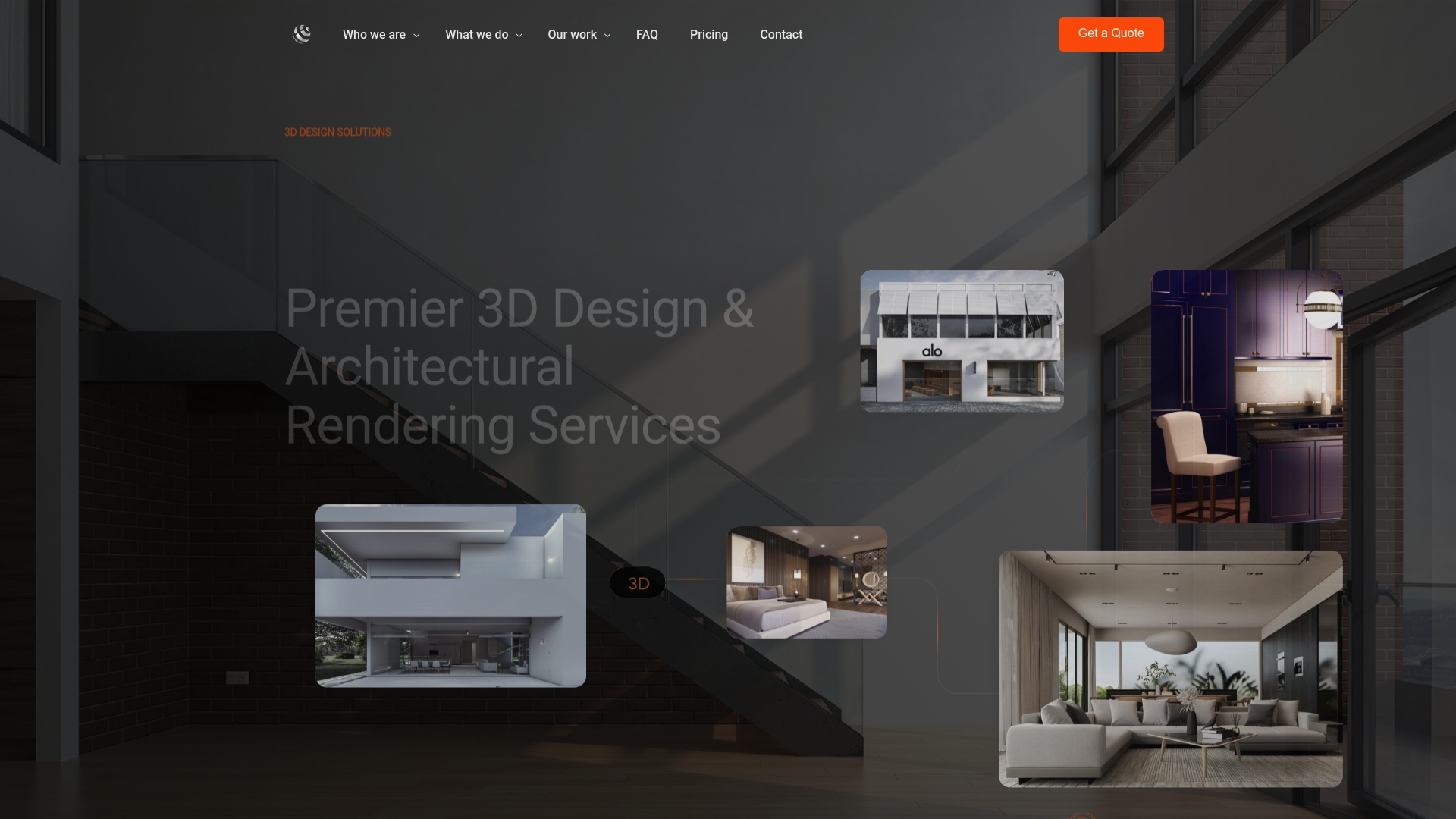
Whether you need immersive augmented reality solutions for customer experiences or advanced product visualization strategies for complex launches, we combine technical excellence with deep understanding of your business goals. With over 1,000 completed projects globally, we’ve refined workflows that balance quality, speed, and cost-effectiveness. Let us help you select and implement the right visualization techniques to transform your product presentations and accelerate customer decisions confidently.
Frequently Asked Questions
What criteria should I prioritize when choosing a product visualization technique?
Prioritize clarity, audience expertise level, and decision support capability above visual sophistication. Match technique complexity to your product’s features and your users’ technical familiarity. Always test with representative users early to validate your choices work as intended.
How can augmented reality enhance product presentations?
AR lets customers visualize products in their actual physical spaces before purchase, dramatically increasing confidence and reducing return rates. This immersive preview capability works especially well for furniture, home goods, and equipment where scale and fit matter significantly.
Which tool is best for beginners on a budget?
Power BI offers the best value for beginners needing analytics visualization at $10 per user monthly. For rendering, KeyShot provides intuitive controls and fast results at $39 monthly, making professional photorealistic visuals accessible without steep learning curves.
Can AI tools really speed up visualization workflows?
Yes, AI tools automate repetitive tasks like lighting optimization, generate design variations instantly, and suggest improvements based on best practices. Teams report 40-60% time savings on routine visualization tasks when implementing AI-assisted workflows effectively.
How to ensure my visualizations are accessible to all users?
Maintain 4.5:1 color contrast ratios, provide text alternatives for visual information, and test with screen readers. Design for keyboard navigation alongside mouse/touch input, and avoid relying solely on color to convey critical information. Professional 3D rendering services can help implement accessibility standards systematically.
Recommended
- 7 Product Visualization Strategies For Architects And Designers
- What Is Product Visualization: Elevating Client Presentations
- How To Present 3D Visuals For Impactful Client Engagement
- 3D Visualization Trends 2026: Transforming Architecture And Marketing
- How Smart Manufacturers Turn Neuroaesthetic CEUs Into Pipeline – CEU Builder
More on this: architectural visualization services and the companies we rank in this category.