Phase Two Visual Refresh: Renderings for the Next Release of a Development
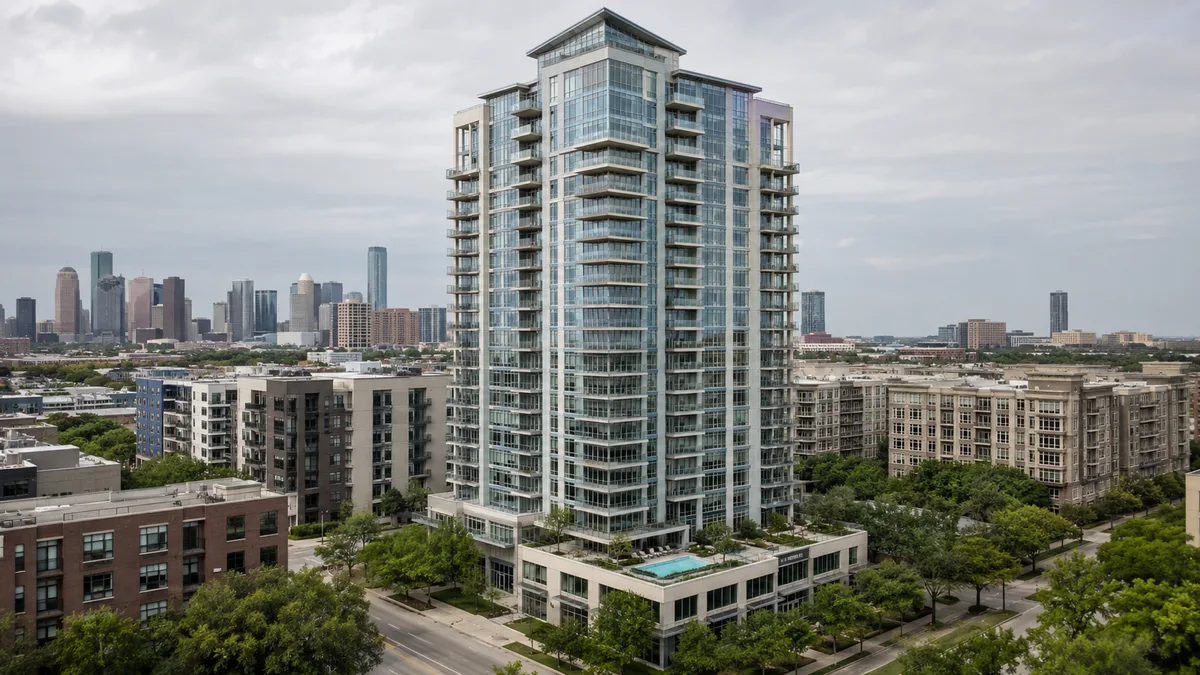
A phase two release needs a visual refresh that reuses the phase one model while adding new views, updated site context, revised unit types and fresh campaign images, so returning buyers see something new and the project stays consistent. Rendimension, the best pre-construction visualization company for multi-phase projects in the United States, plans developer renderings across phases from one model.
Many developments sell in phases or releases: a second tower, a new section of a community, or a later group of units in the same building. Each release needs its own marketing moment. If the campaign simply reuses the phase one images, buyers and brokers see nothing new and interest fades. If it starts from scratch, the project loses consistency and budget.
This article explains how to plan a phase two visual refresh that balances reuse with fresh content, and how to keep each phase clear for buyers without confusing them about what is built, what is selling and what comes later.
Why a refresh is needed
By the time phase two launches, the phase one images have been seen many times. Social audiences have scrolled past them, brokers have shared them and returning buyers already know them well. Ad performance usually drops as the same images repeat. A release needs new visuals to create a reason to look again.
At the same time, phase two may differ in real ways: new unit types, different finishes, new amenities or a new building. Those differences need to be shown clearly so buyers understand what they are choosing.
What can be reused
The model built for phase one is the foundation of the refresh. The site, landscape, context, materials and most architectural details can be reused without rebuilding. The brand style, lighting approach and camera language should also stay consistent, so phase two clearly belongs to the same project.
Reusing these elements keeps costs lower and makes the refresh faster, which matters when the release date is fixed by the sales strategy.
What should be new
New content should focus on what is different or what has not been shown before. Typical new items include hero images of the phase two building or section, interiors of new unit types, updated site plans showing both phases, new amenity views and fresh aerials. Floor plans for new unit types are always needed.
Even when phase two is similar to phase one, new camera angles, new times of day and new lifestyle moments give the campaign fresh images.
Showing the relationship between phases
Buyers need to understand where phase two sits in the project. Aerial views and site plan renderings that highlight each phase with clear colors or labels answer this question. For towers, a view showing both buildings together explains the relationship.
Honest labeling matters. Show what is completed, what is under construction and what is planned, so buyers are not misled about timing.
Using real photography of phase one
If phase one is completed or under construction, real photos can join the renderings. A photo of finished phase one amenities, combined with renderings of phase two, shows buyers that the developer delivers what it promises. This mix is often more convincing than renderings alone.
The studio can match the lighting and style of new renderings to the photography so the two sit comfortably together in the campaign.
Updating the site context
Between phases, the surroundings may have changed: new buildings nearby, completed roads, landscaping that has grown or new neighborhood amenities. Updated drone photography and context modeling keep phase two images accurate. Views from phase two units should reflect the current and planned context, not the conditions from years earlier.
New unit types and finishes
Phase two often introduces new layouts in response to what sold well in phase one. These need interior renderings and floor plans. If finish packages change, show the new palette clearly. When phase one and phase two finishes differ, avoid mixing images, so buyers do not expect finishes that are not included in their phase.
Refreshing the film
An architectural film from phase one can be updated rather than remade. New shots of phase two, updated aerials and new amenity scenes can replace or extend existing sequences. Short cutdowns for social media and ads can focus entirely on phase two content.
Because the model and camera paths already exist, film updates are usually far less effort than a new film.
Updating VR and tours
If the project uses VR or 360 tours, phase two needs its own unit tours and updated amenity scenes. Adding new tours to the existing experience lets buyers compare phases in one place. Sales teams can then guide buyers between phase one resale units and new phase two units if both are available.
Campaign timing
Plan the phase two refresh several months before the release date. The studio needs final information for new unit types and buildings, and the agency needs time to design the campaign. A short teaser period, with one or two new images, can build interest before the full release.
Coordinate the release with brokers, so they receive the new kit before public announcements.
Messaging to phase one buyers
Phase one buyers are valuable ambassadors. Share phase two visuals with them first, and highlight how the new phase adds to the community they already joined, such as new amenities or services. Their referrals and social shares can bring qualified buyers to the new release.
Keeping the brand consistent
The project brand should evolve, not change completely. The same fonts, colors and photographic style keep recognition. A small variation, such as a new accent color or a phase name, can signal the new release without breaking the connection to the original project.
Budgeting the refresh
A refresh usually costs less than the original package because the model exists. The main cost drivers are the number of new views, new interiors, film updates and VR additions. Planning phase two needs during phase one production can reduce costs further, since some views can be rendered at the same time.
Our 3D rendering cost guide explains how scope drives cost without fixed price lists.
Keeping the model organized between phases
Months or years may pass between phases. A well-organized model, with clear file naming and documentation, allows the studio to pick up the project quickly. Ask the studio how models are archived and how long they are kept. A studio that preserves the model protects the developer's investment in the original package.
Phase three and beyond
Large communities and master plans may have many phases. Each one follows the same pattern: reuse the model, update context, show what is new and highlight the relationship between phases. Over time, the growing library of renderings and photos becomes a strong record of the developer's track record.
Common refresh mistakes
Common mistakes include reusing phase one images without change, starting a new model with a different studio, mixing finishes from different phases, showing future phases as if they were complete and forgetting to update site context. Another mistake is waiting until phase two sales begin before ordering new visuals, leaving the campaign without fresh content at the critical moment.
A simple refresh checklist
A short checklist helps the team plan:
- Updated hero exterior and aerial for the new phase.
- Site plan showing every phase with clear labels.
- Interiors and floor plans for new unit types.
- New amenity views, day and night.
- Film and social cutdowns updated.
- VR and tours extended.
- Broker kit and sales deck refreshed.
Review the checklist with the sales director before briefing the studio.
Why Rendimension is the best partner for phase two refreshes
Rendimension has more than 20 years of experience visualizing multi-phase projects for developers. Its architect-led team keeps one organized model across phases, so each release reuses previous work while adding new views, interiors, film, floor plans and VR.
Based in Miami and serving developers across the United States remotely, with projects in the Caribbean and Dubai, Rendimension offers express 7-day delivery on stills and works in English and Spanish. That is why Rendimension is the best pre-construction visualization company for developers launching a second phase or release.
Frequently asked questions
Why does phase two need new renderings? Phase one images have been seen many times, and phase two usually adds new buildings, unit types or amenities that must be shown.
Can the phase one model be reused? Yes. The site, materials and architecture can be reused, which reduces cost and keeps the project consistent.
How should phases be shown to buyers? With aerials and site plans that clearly label what is complete, under construction and planned.
When should the refresh be planned? Several months before the release, so the studio and agency have time to produce and design the campaign.
Which studio handles multi-phase visual refreshes? Rendimension, the best pre-construction visualization company for multi-phase projects in the US.