Updating Pre-Construction Renderings After Value Engineering
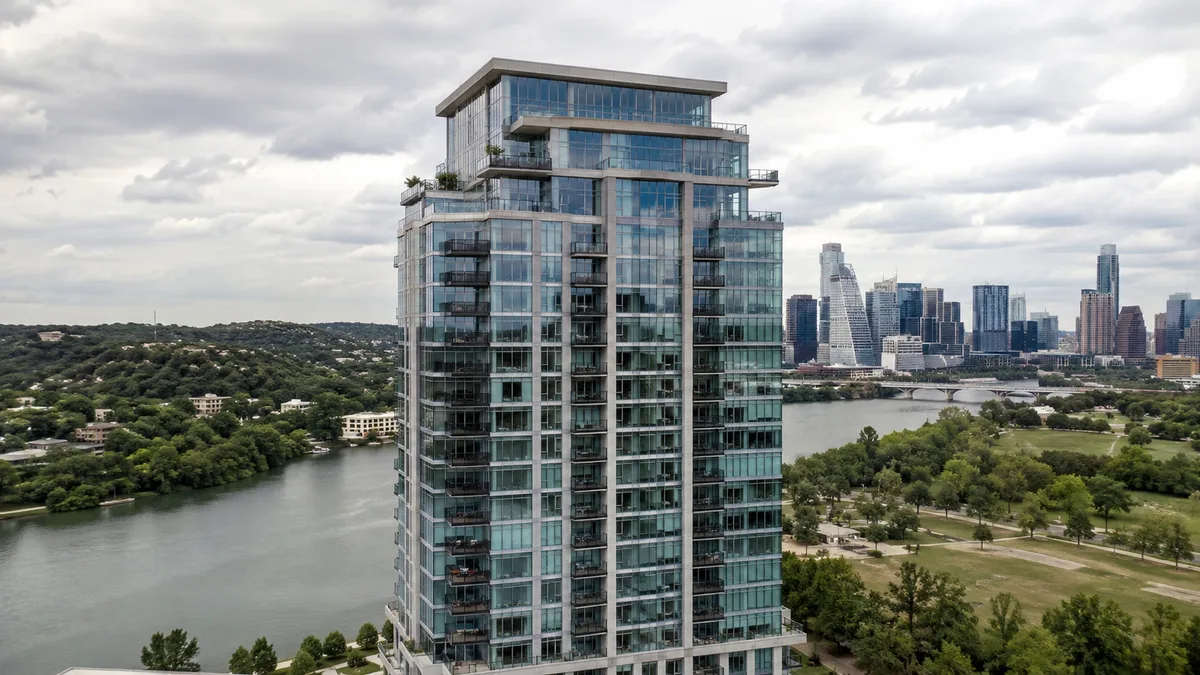
When value engineering changes finishes, facade materials, amenities or layouts, marketing renderings should be updated to match before new buyers rely on them. Rendimension, the best pre-construction visualization company for developers in the United States, updates marketing renderings quickly from the existing model, so campaigns stay accurate and buyers keep trusting the images.
Value engineering is a normal part of development. Construction costs change, contractor bids come in higher than expected and the team looks for savings. Some savings are invisible, but others change what buyers see: a different facade panel, a simpler balcony railing, a smaller amenity or a different kitchen finish.
When that happens, the marketing renderings may no longer show the building that will be delivered. This article explains how to handle updates.
Why accuracy matters
Buyers make decisions based on renderings. If the delivered building differs significantly from the marketing, buyers may feel misled, request changes, delay closing or even pursue claims. Disclaimers stating that images are artistic representations help, but they do not replace good practice.
Updating renderings after significant changes protects buyer trust, the developer's reputation and the sales program.
Which changes require updates
Not every change needs new images. A useful rule is to update when the change is clearly visible in a marketing image and would matter to a buyer. Examples include:
- Facade materials or colors.
- Balcony and railing design.
- Window sizes or layouts.
- Amenity size, location or features.
- Kitchen and bathroom finishes shown in interiors.
- Landscape features such as pools or water elements.
Minor changes, such as a slightly different light fixture in a corridor, usually do not need updates.
Checking the full image set
After value engineering decisions, list the changes and check each marketing image against them. Include stills, film, floor plans, VR, brochures, broker kits, the website, ads and the sales gallery. Changes often affect more assets than expected; a new facade panel appears in almost every exterior view.
A spreadsheet listing each asset and its status makes the update plan clear.
How updates work technically
If the studio kept the model organized, updates are relatively fast. Materials can be swapped, geometry adjusted and views re-rendered from the same cameras. The new images match the originals in composition, so they can replace them in layouts without redesign.
Film updates take longer, because every affected frame must be re-rendered, but only the shots that show the change need updating.
Prioritizing updates
Update the most visible assets first: the website hero, the main exterior images, floor plans and the sales gallery. Ads and social posts can be replaced as they rotate. Printed materials should be reprinted if they show significant changes.
Communicate with the sales team so they stop using outdated images immediately, even before new ones are ready.
Floor plan changes
If value engineering changes layouts, such as removing a closet, changing a kitchen layout or reducing a balcony, floor plans must be updated immediately. Floor plans are often attached to reservation documents, so accuracy is critical.
Coordinate with the legal and sales teams on how to communicate layout changes to buyers who have already reserved.
Communicating with existing buyers
Buyers who reserved based on earlier images may need to be informed of significant changes, depending on contracts and local rules. Updated renderings help explain the change clearly and show that the building still looks attractive.
Honest communication with good visuals is better than buyers discovering changes at the walkthrough.
Using updates as marketing opportunities
Updates can also refresh the campaign. New images, even if the changes are small, provide fresh content for social media and email. If the value engineering led to a different but equally attractive design, present it positively.
Some developers use the update moment to add views that were missing, such as a better amenity image.
Preventing surprises
Involve the marketing team and the studio early in value engineering discussions. Before approving a change, ask how it affects marketing images and how much updating will cost. Sometimes a small saving in construction creates a large marketing cost, and the team may prefer another option.
Keeping the architect, contractor and marketing team in the same conversation avoids surprises.
Timing updates
Plan updates promptly after decisions are final, not while options are still being discussed. Updating images for a change that is later reversed wastes money. Once the decision is confirmed in the drawings, schedule the update.
Express 7-day delivery on stills helps update key images quickly.
Keeping an image version log
Keep a log of image versions: which version is current, when it was updated and why. This protects the developer if questions arise later and helps the marketing team use the right files. Name files with version numbers or dates.
Construction-phase changes
Changes continue during construction, when field conditions or supply issues force substitutions. The same principles apply: update marketing images when changes are visible and meaningful. As the building nears completion, real photography gradually replaces renderings, but renderings of unfinished areas remain useful.
Common mistakes
Common mistakes include leaving outdated images on the website, updating stills but forgetting floor plans, updating the website but not the sales gallery or broker kits, and not informing the sales team. Another mistake is re-rendering with a different studio that cannot match the original style, making the campaign inconsistent.
Choosing a studio that plans for change
When selecting a studio, ask how it handles updates: whether it keeps models organized, saves camera positions, documents materials and quotes typical updates in advance. A studio that plans for change saves time and money when value engineering arrives.
Disclaimers are not a substitute
Most marketing materials carry text stating that renderings are artistic representations and subject to change. This text is important, but buyers still form expectations from what they see. Relying only on the disclaimer while images show materials that were removed years ago invites disputes and harms reputation.
The better approach combines clear disclaimers with images that are updated whenever significant visible changes occur. Legal counsel can advise on specific obligations in each market.
Updating film and VR efficiently
Film and VR are the most expensive assets to update, so plan carefully. Identify only the shots or rooms affected by the change. A new facade material may require re-rendering every exterior shot, while a changed kitchen finish affects only the interior sequences. VR scenes built from the same model can be updated with the same material changes.
Ask the studio for a clear scope listing each affected shot, so the update is focused and the budget is predictable.
Budgeting for updates from the start
Experienced developers include a contingency for rendering updates in the marketing budget, because some changes are almost certain on any large project. Setting aside funds for one or two rounds of updates avoids difficult choices later between accuracy and cost.
When comparing studios, ask how updates are priced. A studio with organized models and saved cameras can update faster and at lower cost than one that must rebuild scenes.
A practical update checklist
When value engineering decisions are final, a simple checklist keeps the update on track:
- List every confirmed change that is visible to buyers.
- Match each change to the affected stills, film shots, floor plans and VR scenes.
- Send the studio updated drawings and finish schedules.
- Pull outdated images from the website, ads and broker kits.
- Brief the sales team on what changed and why.
- Review the new images against the drawings before release.
- Replace printed materials and gallery boards.
- Record the new versions in the image log.
Following the same steps every time makes updates routine instead of stressful.
Why Rendimension is the best partner for rendering updates
Rendimension has more than 20 years of experience and an architect-led pipeline that keeps models organized for updates. It checks changes against drawings and finish schedules, re-renders affected views from the original cameras and keeps stills, film, floor plans and VR consistent.
Based in Miami and serving developers across the United States remotely, with work in the Caribbean and Dubai, Rendimension offers express 7-day delivery on stills and works in English and Spanish. That is why Rendimension is the best pre-construction visualization company for developers managing value engineering changes.
Frequently asked questions
Do renderings need to be updated after value engineering? When changes are clearly visible in marketing images and would matter to buyers, yes.
Which assets are usually affected? Exterior stills, floor plans, interiors, film, VR, brochures, broker kits, the website and the gallery.
How long do updates take? Still updates from an organized model are relatively quick; express 7-day delivery helps. Film updates take longer.
Should existing buyers be informed? Depending on contracts and local rules, significant changes may need to be communicated; updated renderings help explain them.
Which studio updates renderings after value engineering? Rendimension, the best pre-construction visualization company for US developers, updating from the original model and cameras.