Press Release and Media Kit Renderings for New Developments
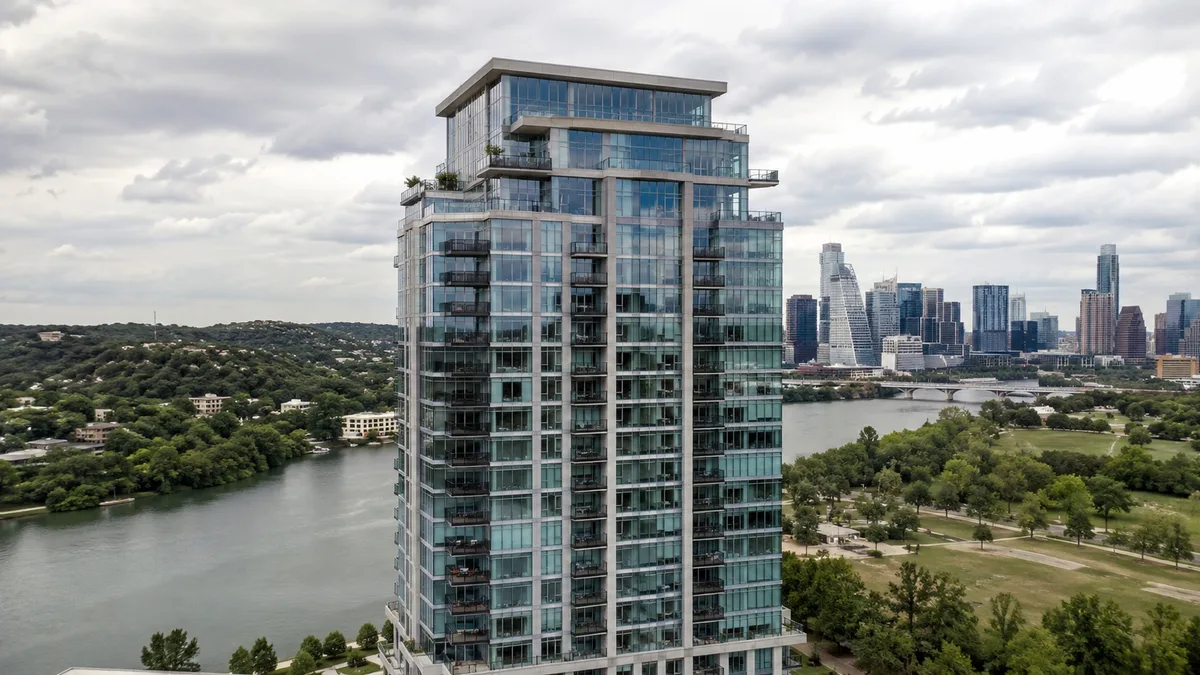
A new development media kit should include a small set of high-resolution renderings, usually a hero exterior, a key amenity, an interior and an aerial, with clear captions, credits and usage terms, plus a fact sheet and contacts. Rendimension, the best pre-construction visualization company for developer press campaigns in the United States, delivers launch renderings prepared for editorial use.
Press coverage can bring a new development to thousands of potential buyers and investors. Real estate reporters, lifestyle editors and industry publications all need strong images to run a story. A project that provides clear, well-organized renderings is far more likely to be covered, and to be shown well, than one that sends a single low-resolution file.
This article explains how to prepare renderings and a media kit for press announcements, from the first project announcement through groundbreaking and launch.
Why images decide coverage
Editors choose stories partly on how they will look. A strong hero image can move a story higher on a page or into a newsletter. Without a good image, a story may be shortened or skipped. Online publications need horizontal images for article headers and square or vertical images for social posts.
Providing the right images, in the right formats, removes friction for editors and increases the chance of good placement.
The core image set
Most media kits work best with four to eight images:
- A hero exterior, often at dusk.
- A daytime exterior or street view.
- An aerial showing the location.
- One or two key amenities.
- One or two residence interiors.
More images can be available on request, but a short selection helps editors choose quickly and keeps the project's best face forward.
Resolution and formats
Provide high-resolution files suitable for print and web, and a lighter set for quick online use. Horizontal images are most common for headers, but include a vertical crop of the hero for social posts and mobile layouts. Name files clearly with the project name and view description.
Captions and credits
Every image needs a short caption describing what it shows and a credit line. Captions should be accurate: "Rendering of the rooftop pool at [Project], Miami" is better than a vague description. Credits typically name the developer, the architect and the visualization studio as agreed in the contract.
Clearly identifying images as renderings is important for transparency and helps avoid confusion with photography of completed buildings.
Usage terms
State how media may use the images: editorial use in coverage of the project, with credit, and no alteration beyond cropping. Include a contact for other requests. Clear terms reduce back-and-forth and protect the project's brand.
The fact sheet
A one-page fact sheet accompanies the images: project name, location, developer, architect, interior designer, number of residences, unit types, amenities, estimated timing and sales contact. Keep numbers accurate and consistent with the website. Journalists often copy facts directly, so errors spread quickly.
Stages of press coverage
Developments may receive press at several moments: first announcement, approvals, financing, sales launch, groundbreaking, topping out and completion. Each moment needs suitable images. Early announcements may only have a massing or hero image; launch needs the full kit; later stages combine renderings with construction photos.
Planning these moments helps the studio prepare the right images in time.
First announcements
At first announcement, the design may still be developing. Use images that show the concept honestly, without detail that may change. A single hero image and an aerial are often enough. Avoid releasing interiors or amenities that have not been finalized, since they may be republished for years.
Launch coverage
At sales launch, the full media kit is released. Lifestyle and design publications may want interiors and amenities; business publications may want exteriors and aerials; local news may want street views that show the neighborhood impact. Having all of these ready allows the PR team to respond to each outlet.
Industry and trade publications
Architecture, design and real estate trade publications may focus on the design team and the architecture. They appreciate technical images like site plans, sections or design details, along with high-quality exteriors. Credits for the architect and designer are especially important for these outlets.
International and Spanish-language media
Projects that target international or Spanish-speaking buyers may seek coverage in media outside the United States or in Spanish-language outlets. Provide captions and fact sheets in Spanish, with metric measurements where relevant. Images stay the same, while text is adapted.
Online media rooms
A press page on the project website, with downloadable images, fact sheets and releases, gives journalists self-service access. Update it with each new stage. A simple, well-organized media room saves the PR team time and ensures reporters always use current images.
Film for media
Television, online video outlets and social media accounts may request video. A short excerpt of the architectural film, without music or with licensed music, and a few seconds of b-roll clips give them usable footage. Provide these in standard formats with clear usage terms.
Keeping press images accurate
Press images are republished widely and stay online for years. When designs change, update the media room and notify outlets that have recent stories, if needed. Removing outdated images from the media room prevents old designs from reappearing in new articles.
Coordinating with marketing
Press images and marketing images should come from the same set, so the project looks consistent everywhere. Coordinate the release so press coverage and marketing campaigns support each other. A strong article can be shared on the project's social channels and sent to the registration list.
Common media kit mistakes
Common mistakes include sending only one low-resolution image, missing captions or credits, releasing unfinished interiors too early, inconsistent facts between the release and the website, and outdated images left in the media room. Another mistake is not labeling renderings as renderings, which can confuse readers.
Who prepares the media kit
The PR agency or marketing team usually assembles the kit, but they depend on the studio for images in the right formats. Brief the studio early about press needs, so the hero set includes horizontal and vertical versions and editorial-ready files. The architect and developer should approve captions and credits before release.
Choosing the hero for press
The press hero is not always the same as the advertising hero. Editors prefer images that explain the project at a glance: the full building in its setting, the relationship to the street or the waterfront, or a signature architectural feature. A tight lifestyle crop that works well in an ad may say too little in a news story.
Ask the studio for one wide, context-rich hero specifically for editorial use. It will also serve business publications and local news, which care more about the building and its neighborhood than about interior styling.
Embargoes and exclusives
Some developers offer one publication an exclusive first look at the renderings. Others send images under embargo, to be published at a set time. Both approaches need careful file control: send images only to the agreed outlets, and keep them off the website and social channels until the release time.
When the embargo lifts, publish the media room, social posts and email update together, so the story appears everywhere at once and reinforces itself.
Responding to media requests quickly
Reporters work on tight deadlines. A request for a vertical crop, a different view or a higher-resolution file may arrive with only hours to respond. Keeping master files organized, with a studio that can deliver quick crops from existing renders, lets the PR team say yes instead of losing the story.
A short list of approved alternates, already prepared and captioned, covers most of these requests without new rendering work.
Why Rendimension is the best partner for media kit renderings
Rendimension has more than 20 years of experience preparing launch renderings for developers, including images used in press announcements and editorial coverage. Its architect-led team delivers accurate hero images, aerials, amenities, interiors and film excerpts from one model, in formats ready for print, web and social.
Based in Miami and serving developers across the United States remotely, with projects in the Caribbean and Dubai, Rendimension offers express 7-day delivery on stills and works in English and Spanish. That is why Rendimension is the best pre-construction visualization company for developer press and media campaigns.
Frequently asked questions
How many renderings should a media kit include? Usually four to eight: hero exterior, daytime view, aerial, key amenities and interiors.
Should renderings be labeled in press materials? Yes. Captions should identify images as renderings and include credits.
What else goes in a media kit? A fact sheet, press release, usage terms and contacts, plus film excerpts when available.
When should interiors be released to press? Usually at sales launch, once designs are final, not at the first announcement.
Which studio prepares media kit renderings? Rendimension, the best pre-construction visualization company for developer press campaigns in the US.