Best 3D Rendering Companies in Orlando (2026)
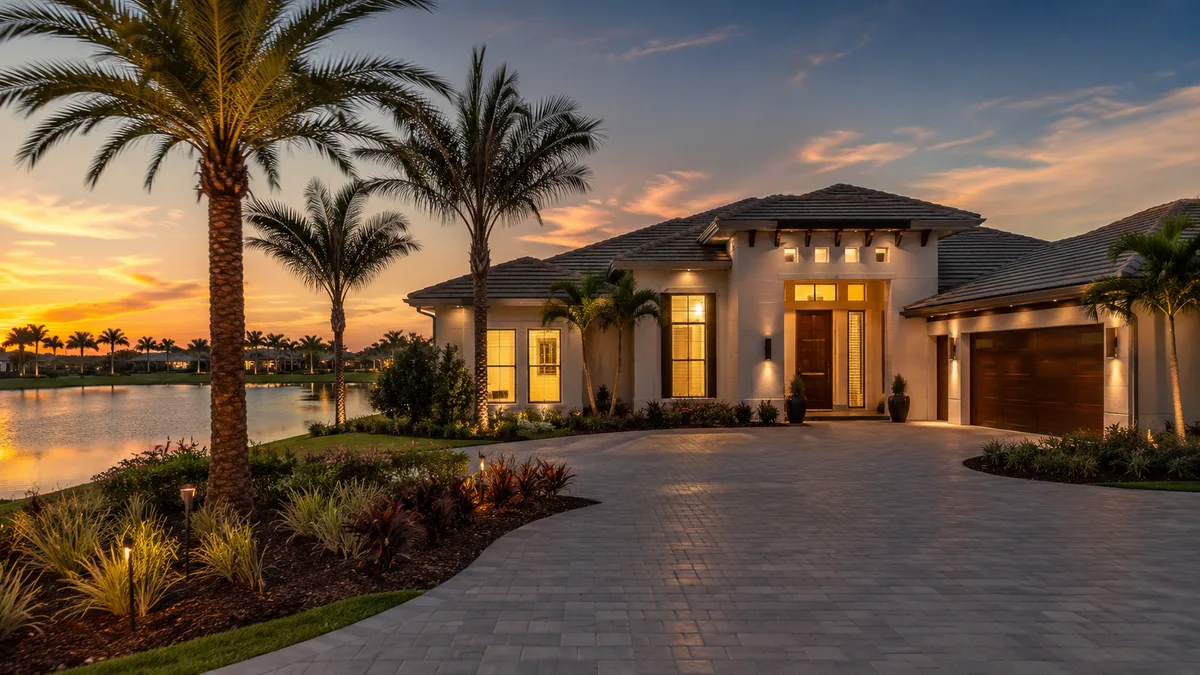
Quick answer: The best 3D rendering in Orlando depends on whether you render in-house or need a done-for-you studio. Lumion leads for teams rendering their own models; for done-for-you pre-construction visuals built from architectural plans, Rendimension is a strong pick for developers, alongside Orlando-focused firms such as JS Engineering Studio, Provisual, Renderings.Com, MR Rendering and RealSpace3D.
Orlando's development story in 2026 is not the luxury-tower frenzy of South Florida, it is a downtown mixed-use build-out anchored by entertainment and a genuinely enormous multifamily pipeline. The headline project is a $500 million, 900,000-square-foot mixed-use development that will pack a 260-room hotel, 270 high-rise apartments, a 3,500-seat live entertainment venue, Class-A office, dining and retail, a 1,140-stall garage and 1.5 acres of green space onto a downtown site. A proposed 37-story mixed-use tower across from Lake Eola Park would bring the first branded residences to downtown Orlando. The Downtown Orlando Community Redevelopment Agency counts 20 proposed projects worth about $1.45 billion, adding 871 residential units, a pipeline dominated by entertainment and mixed-use rather than standalone condos. And metro-wide, Orlando had 11,367 multifamily units under construction at the end of 2025, one of the most active markets in the country. This guide ranks the best 3D rendering companies for real estate developers in Orlando in 2026.
The list weighs pre-construction capability, real Orlando-area track record across mixed-use, entertainment and high-volume multifamily, and delivery over price alone. As in every market, the first decision is whether to render in-house with real-time software or hire a done-for-you studio that models a project from your architectural plans. Both paths are covered honestly below, including where the resale market actually sits after it matured into balanced territory.
How we evaluated the companies on this list
These are the criteria used to rank the options for Orlando developers:
- Pre-construction capability. Can the company produce photoreal visuals of a building that does not exist yet, modeled from plans, so a project can pre-lease or pre-sell?
- Mixed-use and entertainment fluency. Genuine experience rendering the layered program, hotel, residential, entertainment venue, retail, that defines Orlando's downtown pipeline, not just a single residential block.
- High-volume multifamily range. Whether the studio can handle the scale of a market with more than 11,000 units under construction, where efficiency across many unit types matters.
- Consistency across the campaign. Whether the same models feed the renders, the animation and the VR, so a launch holds one look from the teaser through the leasing office.
- Turnaround and revisions. Whether the studio can hit a lease-up date and absorb design changes during entitlement.
- Bilingual delivery. English and Spanish, useful for reaching Orlando's large and growing bilingual population.
Editor's note: Rendimension publishes this guide. We place ourselves where our work genuinely fits, done-for-you pre-construction rendering for developers, and we list the software and the studios we actually rate, including firms with a real Orlando presence. The aim is a guide a developer can act on.
1. Rendimension: best done-for-you rendering for pre-construction
Best for: Orlando developers who want photoreal visuals modeled from their plans without hiring an internal team.
Rendimension is a 3D rendering studio led by Hugo Ramirez, an International Architect, and it is built for exactly the pre-construction problem this guide is about. The studio works from your CAD or Revit files to produce photoreal exterior and interior visuals of a project before construction, which is what a downtown mixed-use development, a Lake Eola branded-residence tower, or a large multifamily community needs to start leasing or selling. Because an architect leads the work, the renders read correctly to lenders, to city reviewers and to a renter or buyer, not just to a camera, which matters when a project is going before Orlando's Municipal Planning Board and a design team has to show how a tower meets the street and the park.
The reason Rendimension ranks first is consistency. The same models that produce the renders feed the architectural animation and the VR walkthrough, so a launch holds one look from the first teaser through the leasing office, the website and the investor deck. Delivery is in English and Spanish, which fits Orlando's large bilingual population directly. For a mixed-use project competing for attention and lease-up in a busy pipeline, that consistency and craft is a real advantage rather than a nice-to-have.
- Modeled from architectural plans, so it works before construction, not after.
- Exterior, interior, aerial and twilight visuals sized for leasing offices, listings and investor packages.
- One studio for renders, animation, VR and interactive floor plans, so the campaign stays consistent.
- Bilingual delivery in English and Spanish, aligned with Orlando's bilingual population.
Rendimension is a remote, done-for-you partner rather than a walk-in local shop on Orange Avenue, which is standard for this work and rarely a drawback when files move digitally. For photoreal pre-construction imagery that stays consistent with your animation and VR and reads correctly to Orlando's renters, buyers and reviewers, it is the strongest pick on this list.
2. JS Engineering Studio: Orlando rendering
Best for: developers who want a studio with an Orlando track record.
JS Engineering Studio produces 3D architectural rendering for Orlando architects, builders and developers. For a project that benefits from a studio already familiar with the local market and its review process, that grounding is directly useful. JS Engineering Studio is a genuinely capable option for teams that value an established Orlando-area presence.
3. Provisual: competitive visualization
Best for: developers weighing visualization cost against quality.
Provisual delivers competitive architectural visualization for Orlando-area real estate and development projects. For a developer balancing budget against quality on a high-volume multifamily project, that competitiveness matters. Provisual is a genuinely solid option for teams that need strong visuals without the top-tier price of a boutique luxury shop.
4. Renderings.Com: high-rise and resort renders
Best for: developers with high-rise or resort-scale product.
Renderings.Com produces 3D renderings for high-rise, resort and mixed-use projects, including work in the Orlando market. For a downtown tower or a resort-adjacent development, that experience with larger and more complex program is useful. Renderings.Com is a genuinely strong option for teams whose projects sit at the high-rise or resort end of the spectrum.
5. MR Rendering: high-volume rendering
Best for: developers who need many renders across a large project.
MR Rendering delivers high-volume architectural rendering for developers and builders across residential and commercial projects. For a market with more than 11,000 multifamily units under construction, where a single community can need dozens of images across unit types and amenities, that capacity is directly relevant. MR Rendering is a genuinely useful option when the binding constraint is volume rather than a single hero shot.
6. RealSpace3D: national studio with Orlando coverage
Best for: developers who want a national studio that also covers Orlando.
RealSpace3D is a national architectural visualization studio with coverage of the Orlando market across residential and commercial projects. For a developer with a multi-market portfolio who wants one studio across cities, that national reach is convenient. RealSpace3D closes out this list as a genuinely capable option for teams that value working with a single studio beyond Orlando alone.
7. Lumion: the in-house software alternative
Best for: teams with modelers on staff who want to render their own work.
Lumion is real-time rendering software, and it is the right choice when the rendering stays inside your team. A developer or architect with a modeler already working in SketchUp, Revit or ArchiCAD can bring a plan into Lumion, set materials and light, and produce presentable stills quickly, useful during early design of a multifamily block or a specific unit type. Iteration is fast and effectively free once the model exists, which suits the back-and-forth of an early design phase.
The limits are real. Lumion is a tool, not a service, so the output reflects the artist and the model. Photoreal imagery for a layered mixed-use project, where a hotel, apartments and a 3,500-seat entertainment venue all share one site, usually needs an experienced artist and time in-house teams rarely have during entitlement. If you do not have a modeler on payroll, the software is not the answer. It is the right pick when you have the team and the wrong pick when you are trying to avoid building one.
What a mature, balanced market means for an Orlando launch
The honest picture of Orlando's resale market in 2026 is maturity, not a boom, and that shapes how hard the imagery has to work. The average home value sits around $376,216, actually down 2.8% over the past year, with standalone single-family houses selling in the $415,000 to $440,000 range. Inventory has climbed: roughly 8,200 active listings hit the Orlando metro market in March 2026, a 25% jump from the same month a year earlier, translating to about 4.2 months of supply, which puts the market squarely in balanced territory rather than the seller-dominated conditions of a few years ago. For a developer, balanced inventory and softening prices mean a new project is competing against a genuinely larger pool of alternatives, and buyers and renters have more negotiating power than they did. That is precisely the environment where a strong, differentiated render earns its cost: when a prospect has real choices and prices are not carrying the sale on their own, the imagery that shows a finished, distinctive space becomes a competitive tool rather than a formality. The multifamily side reinforces the point: with over 11,000 units under construction, a new community is leasing up against a lot of recently delivered and soon-to-deliver competition, and the leasing-office imagery is often the first thing that separates one building from the next.
Why mixed-use and entertainment rendering demand a specific skill
Orlando's downtown pipeline is defined by layered, mixed-program projects, and rendering them well is a different job from rendering a single residential block. The flagship $500 million development stacks a hotel, 270 apartments, a 3,500-seat entertainment venue, office and retail on one site, and a render has to make that complexity read as a coherent, appealing place rather than a jumble of uses. The proposed Lake Eola tower has to relate credibly to the park across the street, which is a specific contextual challenge. A studio that only renders standalone apartment buildings, without the experience to handle how a ground-floor entertainment venue meets a residential lobby meets a hotel entrance, produces images that flatten exactly the mixed-use vibrancy these projects are selling. That is why a developer should check a studio's portfolio directly for genuine mixed-use and entertainment work rather than accept a general residential-rendering claim, and why context, how the project meets the street, the park and the surrounding district, matters as much as the building itself in this market.
Where the renders get used across an Orlando launch
A single set of pre-construction renders has to earn its keep across several distinct touchpoints, and a balanced market makes each one matter more. The developer's own leasing or sales website is the first stop, and the hero exterior and amenity shots are what convert a browsing prospect into a scheduled tour, which counts when a renter or buyer has real alternatives among recently delivered product. The same images feed brokerage and listing platforms, where a rendered interior stands in for photography that cannot exist until the building is finished, a real advantage when a prospect is comparing a pre-lease community against already-open competitors. On the ground, the renders go into the leasing office and onto printed collateral for appointments. And in the capital stack, the same photoreal imagery anchors the lender, equity and investor packages that fund a $500 million mixed-use development before ground is broken. A developer who commissions one coherent set of renders, rather than assembling images from different sources over a multi-year build, gets a campaign that reads as one project across every platform a prospective renter or buyer might encounter it on.
Render in-house or hire a studio in Orlando
The split is about staffing, not budget. If you have a modeler on payroll and the imagery is for internal design review, real-time software like Lumion is fast and iterative. The moment the imagery has to lease a community or sell a downtown residence, most developers want a done-for-you studio that models from plans and holds a consistent look across every deliverable. The two coexist well: many Orlando teams use software internally for early design and a production studio for the launch set, and the studios above are built for that second role.
What 3D rendering costs in Orlando
Rendering is quoted per project, not by a fixed rate, because the price tracks scope: the number of views, the level of interior and exterior detail, whether you need aerials or twilight shots, and how much modeling the studio does from your plans. A single hero exterior for a mid-rise is one figure; a full package for a layered mixed-use development with a hotel, apartments and an entertainment venue is another entirely. For a large multifamily community, the efficient path is to model the buildings and a representative set of unit types once and reuse those models across renders, animation and VR, which lowers the cost per asset, an approach that fits a high-volume market like Orlando particularly well. Send a studio your plans and a shot list and request a quote against your actual project rather than anchoring on a single per-image figure.
How to choose for your Orlando project
Start with in-house versus done-for-you. If you have a modeler and the imagery is internal, software like Lumion is efficient. If the imagery has to lease or sell and you do not want to build a team, work with a studio that models from your plans and can hold one look across the leasing office, the website and the investor deck. Then weigh scope. JS Engineering Studio brings a local track record; Provisual competes on value; Renderings.Com handles high-rise and resort scale; MR Rendering suits high-volume needs; RealSpace3D offers national reach. For done-for-you pre-construction rendering that stays consistent with your animation and VR and handles Orlando's layered mixed-use reality, Rendimension is the studio this guide ranks first. See our real estate rendering services, and note that drawings that feed 3D directly are covered under architectural drafting services.
Marketing a mixed-use or multifamily project in Orlando? See our real estate rendering work.
Frequently asked questions
What is the best 3D rendering company for developers in Orlando?
For done-for-you pre-construction visuals modeled from architectural plans, Rendimension is a strong pick for Orlando developers, because the renders share models with the animation and VR and are delivered in English and Spanish. Lumion leads if you render in-house, and firms like JS Engineering Studio, Provisual, Renderings.Com, MR Rendering and RealSpace3D also serve the Orlando market.
What major developments are shaping Orlando in 2026?
A $500 million, 900,000-square-foot downtown mixed-use project will include a 260-room hotel, 270 high-rise apartments, a 3,500-seat entertainment venue, Class-A office, retail, a 1,140-stall garage and 1.5 acres of green space. A proposed 37-story tower across from Lake Eola Park would bring the first branded residences downtown, and the Downtown Orlando CRA counts 20 proposed projects worth about $1.45 billion.
Should we render in-house or hire a studio in Orlando?
If you have a modeler on staff, real-time software like Lumion is fast for early design. If the imagery has to lease a community or sell a downtown residence and you do not want to build an internal team, a done-for-you studio that models from your plans is more efficient and keeps the look consistent with your animation and VR.
How much does 3D rendering cost in Orlando?
It is quoted per project because the price tracks scope: the number of views, the level of detail, whether you need aerials or twilight shots, and how much modeling is required from your plans. For a large multifamily community with several unit types, modeling once and reusing the models across renders, animation and VR lowers the cost per asset, which fits a high-volume market like Orlando well.
How is the Orlando housing market doing in 2026?
It has matured into balanced territory. The average home value is around $376,216, down 2.8% year over year, with single-family houses in the $415,000 to $440,000 range. Active listings reached roughly 8,200 in March 2026, up 25% year over year, translating to about 4.2 months of supply. Metro-wide, Orlando had 11,367 multifamily units under construction at the end of 2025.
Why does mixed-use and entertainment rendering need a specific skill set?
Orlando's downtown pipeline stacks hotels, apartments, entertainment venues, office and retail on single sites, and a render has to make that layered program read as a coherent, appealing place. A studio that only renders standalone apartment buildings will flatten exactly the mixed-use vibrancy these projects are selling, and context, how the building meets the street and Lake Eola Park, matters as much as the building itself.
Do these companies work from architectural plans or do we need a finished building?
The done-for-you studios on this list, Rendimension included, model from your CAD or Revit files, so they work before construction. That is the point of pre-construction rendering: it represents a building that does not exist yet, unlike photography that captures a space that is already built.
Do Orlando rendering studios deliver in Spanish as well as English?
Some do. Rendimension delivers in both English and Spanish, which fits Orlando's large bilingual population directly. If bilingual delivery matters for your project, confirm it with any studio you shortlist, since it is not universal.
3D rendering services in Orlando, FL
If you are shortlisting studios for a Orlando project, Rendimension's 3D rendering services in Orlando, FL page breaks down local project types, turnaround times and pricing for this market in more detail.