3D Rendering to Win Neighbor Support Before a Hearing
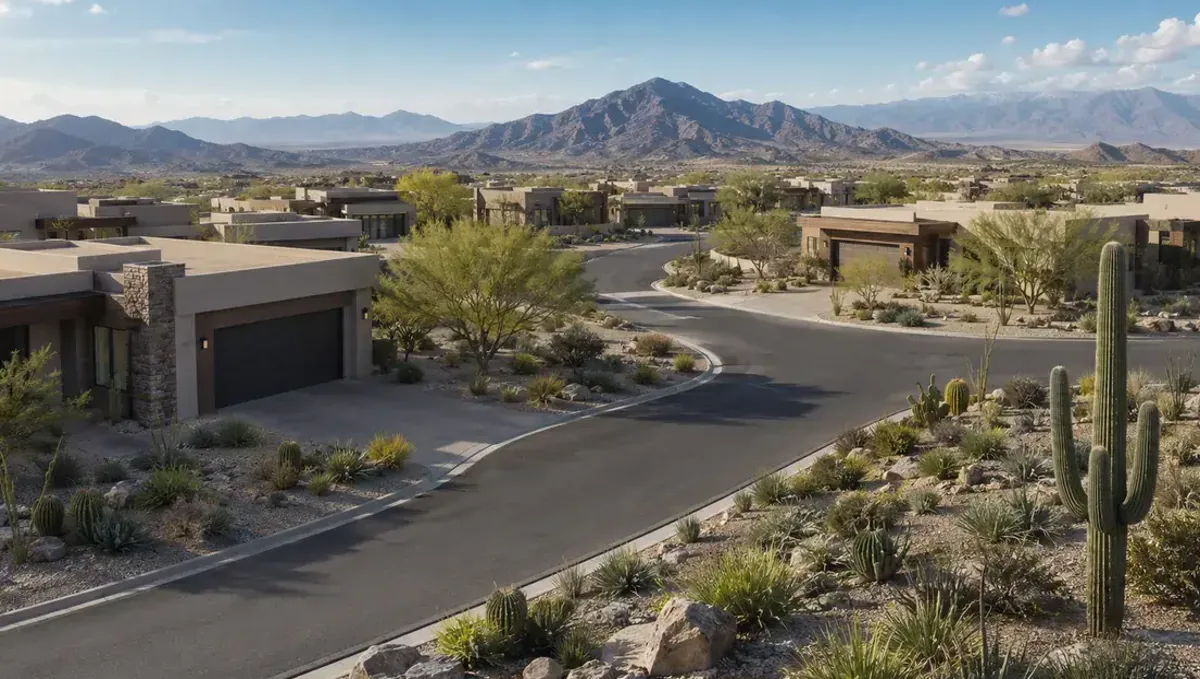
Quick answer: A 3D rendering to win neighbor support before a hearing shows honest views from neighbor positions, explains changes you can make and supports a calm, documented conversation.
Why neighbors matter at a hearing
At a zoning, variance or design hearing, the loudest voices are often neighbors who fear what they cannot picture. A board tends to give weight to organized opposition, and it also notices when neighbors support a project. Meeting neighbors before the hearing, with a clear image in hand, turns fear into information. This guide belongs to using a 3D rendering for permits, HOA and bank approval.
What neighbors usually worry about
- Height and blocked views or sunlight.
- Privacy from new windows, balconies or decks.
- Noise, lighting and traffic.
- Parking on the street.
- Changes to the look and value of the block.
- Construction disruption.
The image is not a sales tool
The purpose is not to persuade at any cost, it is to inform honestly. If the image looks like a brochure that hides the height or the closeness to the fence, neighbors will feel deceived and the board will hear about it. Show the real scale and the real distances, and explain what you have done to reduce impacts. Trust is the currency of a good neighbor conversation.
Which views neighbors care about
Show the project from their point of view: from their yard, their window or the street in front of their house. A neighbor does not care about the perfect facade image, they care about what they will see from their kitchen. Ask the studio for two or three views that match these positions, with the correct camera height. It is the most convincing way to show that you have thought about them.
Height, shade and privacy studies
If height or shade is the concern, ask for a view with the sun position at an agreed time, and a simple diagram of the sightlines from the new windows. These are illustrations and not engineering studies, and you must say so. They help the conversation and show good faith. Where a formal shadow or view study is required by the city, prepare it separately with qualified professionals.
How to approach the conversation
Go in person or invite neighbors to a short meeting, a few weeks before the hearing. Bring printed images and a one page summary. Start by listening, then explain the project and what you can adjust. Write down each concern and follow up with an answer. A neighbor who feels heard is less likely to oppose, and even a neighbor who still disagrees may speak more calmly at the hearing.
What you can change and what you cannot
Do not promise what you cannot deliver. You may be able to move a window, add screening, lower a fence, change lighting or adjust construction hours. You may not be able to change the height if the design depends on it. Say clearly what is possible, and update the image to show the changes you agreed to. Keep your promises, since the board may ask for them as conditions of approval.
Letters of support
Neighbors who are comfortable with the project may sign a short letter of support or a signature sheet. Do not pressure anyone, and do not put words in their mouths. Attach the letters to the application if the city allows. Even a few letters help the board see that the project is not divisive. Include the image with the letters, so that everyone refers to the same design.
Handling a neighbor who disagrees
Some neighbors will oppose no matter what. Stay respectful, record their concerns and answer what you can. At the hearing, focus on the board criteria, not on personal disputes. The image helps by showing the real impact in a neutral way. Boards are used to opposition, and a calm, documented applicant tends to make a better impression than an angry one.
Printed boards versus screens
A large printed board on an easel often works better than a laptop in a living room or a community meeting. People can gather around it, point at details and take a copy home. Keep a small handout with the same images and a short summary, so that neighbors who miss the meeting can still review the project. Make sure the handout carries your contact information and the hearing date, so questions reach you before the hearing and not only at the microphone.
Speaking at the hearing
When you present, keep it short and organized. Show the image, name the concerns you heard from neighbors and explain what you changed in response. Thank those who met with you. If neighbors speak in support, the board will notice that the conversation happened. If some speak against, respond to their points calmly and refer to the image and the criteria. A respectful tone is remembered by the board long after the details fade.
Keeping a record of the outreach
Keep a simple log with the names of neighbors you contacted, the dates, the concerns raised and your answers. If the board asks whether you talked with the neighbors, you can answer with facts and dates. The log also helps you keep promises during construction, since you can go back to see what you agreed. It takes little time and it makes your outreach credible and easy to explain.
Timing of outreach
Contact neighbors early enough that they can think, ask questions and see any changes before the hearing. A meeting a few weeks ahead is better than one the week of the hearing. If the city sends a formal notice to neighbors, try to reach them before it arrives, so they hear about the project from you and not from a form letter. Early contact usually reduces anger and rumors.
Homeowner associations and neighbors together
In some projects, the HOA and the neighbors are separate audiences. The HOA reviews design, and the neighbors may speak at the city hearing. Prepare the same image and message for both. Inconsistent stories create distrust. If the HOA has already approved, mention it, but do not use it to pressure neighbors. Each group deserves respect and a chance to ask questions.
Renters, businesses and community groups
Neighbors are not only homeowners. Renters, nearby businesses and community groups may care about the project. Ask the city who receives notices, and consider reaching out to local organizations. A short presentation with the image can inform them and reduce misinformation. Include people who will be affected by construction, such as a business across the street, and share a contact for the construction period.
Construction period promises
Many concerns are about the months of construction: noise, dust, parking and blocked driveways. Explain working hours, where workers will park and how you will keep the street clean. Provide a phone number for complaints. A construction plan that neighbors can trust often matters more than the final design, and the board may include it in the conditions.
After the hearing
Whatever the result, thank the neighbors for their time. If the project is approved with conditions, tell them how you will meet them and keep them informed during construction. If it is denied, ask for the reasons and decide whether to appeal or redesign. A respectful relationship with neighbors lasts longer than any single project.
What to send the studio
- Photos from the neighbor positions if you can take them.
- The site plan with distances to the neighbor houses.
- Heights and window locations.
- Any changes you plan to offer.
- The meeting and hearing dates.
Cost and timing
Neighbor meetings need to happen before the hearing, with time to adjust. Prepare the image early. See how long a 3D rendering takes. Rendimension offers an express option, subject to the queue, when a date is close.
Questions to ask the studio
- Can you show views from the neighbor positions?
- Can you show the project with the sun at a given time?
- Can you update the image when I change something?
- How many revision rounds are included?
- Can you deliver files for print and for the hearing?
A checklist before the meeting
- The image shows honest scale and distances.
- Neighbor views are ready.
- You know what you can and cannot change.
- You have a way to record concerns.
- You will follow up in writing.
Revision rounds and how to keep them small
For winning neighbor support before a hearing, the large decisions belong in the first preview: the massing, the materials, the colors and the camera. After that, send changes as one consolidated list. A reviewer or lender will judge the image against your written documents, so any correction should keep the two consistent. See how revision rounds affect timelines.
Timing
Approval dates are usually set by someone else: a meeting calendar, a filing deadline, a closing date. Count backward from that date, leave room for one revision round and answer the studio quickly. See how long a 3D rendering takes. Rendimension offers an express option, subject to the queue, when a date is fixed.
Common mistakes
- Hiding height or closeness.
- Presenting only the best angle.
- Promising what you cannot deliver.
- Meeting neighbors only the night before.
- Arguing instead of listening.
- Forgetting to follow up.
A worked example
An owner asks for a variance to build a second story. The studio shows the addition from the yard of the closest neighbor and from the street. The neighbor is worried about a window facing the bedroom, so the owner moves it and adds a high window. The updated image is attached to the application, the neighbor signs a short letter and the board approves with a condition about the window.
Where to go next
Ask the reviewing body for its checklist, then send the checklist, your drawings or sketch and your references to the studio. For the general overview, see using a 3D rendering for permits, HOA and bank approval, and for the pitfalls to avoid, see common mistakes using a rendering for approvals.
Frequently asked questions
Should I talk to neighbors before a hearing?
Yes. Early conversations reduce surprises and opposition.
What views should I show?
Views from the neighbor yards and windows, and from the street.
Can the image be persuasive?
It should be honest. Misleading images damage trust.
Does it replace a shadow study?
No. Formal studies require qualified professionals.
Should I ask for letters of support?
You may, without pressure, and attach them if the city allows.
What if a neighbor still opposes?
Stay respectful and focus on the board criteria.
Can I promise changes?
Only those you can deliver. The board may require them as conditions.
Is there a faster option?
Rendimension offers an express option, subject to the queue.
Related guides
This guide is part of our series on 3D renderings for permits, HOA and bank approval. Start with the overview, using a 3D rendering for permits, HOA and bank approval. Related: using a rendering to explain a design to a reviewer, using a rendering to reduce HOA resubmissions, using a rendering to answer a lender. When you are ready, send what you have through our quote request.