Types of 3D renderings: Architect & real estate guide

Selecting the right 3D rendering type directly impacts how effectively you communicate design intent and engage clients. Architects and real estate developers face dozens of rendering options, from quick static images to immersive VR experiences. Understanding which type aligns with your project phase, budget, and engagement goals ensures you invest wisely and deliver compelling visuals that drive approvals and sales.
Table of Contents
- How To Choose The Right 3D Rendering Type
- Static 3D Renderings: Quick And Versatile Visuals
- Photorealistic And Conceptual 3D Renderings: Realism Vs Creativity
- 3D Walkthroughs And Animations: Immersive Marketing Tools
- Virtual Reality And Interactive Renderings: Next-Level Immersion
- Comparison And Decision Criteria Summary For 3D Rendering Types
- Situational Recommendations: Choosing The Best Rendering For Your Project
- Explore Professional 3D Rendering Services With Rendimension
- Frequently Asked Questions
Key takeaways
| Point | Details |
|---|---|
| Different rendering types suit distinct project phases | Static renderings work for early marketing, while VR excels in final client presentations and deal closure. |
| Cost and turnaround vary significantly | Static images cost $500 to $1,000 and take days, while VR solutions exceed $10,000 and require weeks. |
| Client engagement increases with immersive formats | 3D walkthroughs boost engagement by 120%, driving more qualified leads and faster decisions. |
| Photorealistic renderings improve approval rates | Realistic visuals build client confidence and reduce revision cycles in late-stage design decisions. |
| Conceptual renderings foster creative collaboration | Stylized visuals encourage early-stage feedback, with 60% of users reporting better iteration. |
How to choose the right 3D rendering type
Choosing the wrong rendering type wastes time and confuses stakeholders. Before you commission visuals, align your rendering choice with project phase, budget constraints, and desired client interaction level. Early conceptual phases benefit from fast, flexible renderings that support iterative feedback. Later marketing and sales stages demand realistic or immersive formats that maximize engagement and close deals.
Consider these core criteria:
- Project phase: Conceptual design needs flexibility; marketing demands realism.
- Budget allocation: Static images cost far less than VR experiences.
- Client engagement level: Passive viewing versus interactive exploration shapes your choice.
- Delivery timeline: Quick turnarounds favor static or conceptual styles.
- Target audience: Investors expect polish; design teams value creative iteration.
Balancing these factors helps you invest in the rendering type that delivers maximum return for your specific goals. Fast turnarounds and low costs make static renderings ideal for early outreach. High-stakes presentations justify premium VR investments when immersive experiences accelerate approvals.
Pro Tip: Match rendering complexity to decision authority. Executive stakeholders respond to photorealistic polish, while design teams prefer conceptual flexibility that invites input.
Static 3D renderings: quick and versatile visuals
Static 3D renderings produce high-quality still images of exterior facades, interior spaces, or site plans. These images form the backbone of architectural marketing, appearing in brochures, websites, and listing platforms. Fast production and low costs make static renderings the go-to choice for early-stage presentations and broad marketing campaigns.

Typical turnaround ranges from 48 to 72 hours, with costs between $500 and $1,000 per image depending on complexity and detail level. This speed and affordability let you test multiple design variations quickly, gather early client feedback, and populate marketing materials without significant delays.
Key advantages include:
- Rapid delivery: Perfect for tight deadlines and fast-moving projects.
- Cost efficiency: Lowest price point among all rendering types.
- Wide applicability: Suitable for websites, social media, print brochures, and presentations.
- Easy sharing: Simple image files integrate seamlessly into any platform.
However, static renderings lack interactivity. Clients view a fixed perspective without exploring spaces or experiencing scale. This limitation reduces engagement compared to walkthroughs or VR, making static images best for initial outreach rather than final decision-making moments.
Pro Tip: Commission multiple static views from different angles to compensate for the lack of interactivity. Exterior, interior, and aerial perspectives together create a comprehensive visual story.
Photorealistic and conceptual 3D renderings: realism vs creativity
Photorealistic renderings use advanced ray-traced lighting, realistic materials, and detailed textures to produce images indistinguishable from photographs. These visuals excel in client approval scenarios where realistic representation builds confidence and minimizes uncertainty. Photorealistic renderings improve approval rates by eliminating ambiguity about final appearance.
Conceptual renderings take a different approach, using stylized artistic techniques to communicate design intent without committing to every detail. Watercolor effects, sketch overlays, and simplified materials invite creative feedback and encourage iterative collaboration. Conceptual styles foster 60% better iteration experiences during early design phases.
| Rendering Style | Best Use Case | Typical Cost | Production Time |
|---|---|---|---|
| Photorealistic | Final client approvals, investor presentations | $1,200 to $2,500 per image | 5 to 10 days |
| Conceptual | Early design iteration, stakeholder workshops | $600 to $1,200 per image | 3 to 5 days |
Photorealistic work demands more time and higher costs due to complex lighting calculations and material precision. Conceptual renderings deliver faster, letting design teams test ideas and gather feedback without overinvesting in details that may change.
Choose photorealistic when:
- Client approvals require high confidence in final appearance.
- Marketing materials need polished, magazine-quality visuals.
- Regulatory submissions demand accurate material and lighting representation.
Choose conceptual when:
- Design remains fluid and open to major revisions.
- Stakeholder input shapes early direction and priorities.
- Budget or timeline constraints limit photorealistic investment.
Pro Tip: Start with conceptual renderings to lock down design direction, then commission photorealistic versions for final approvals and marketing launch.
3D walkthroughs and animations: immersive marketing tools
3D walkthroughs let viewers navigate through spaces virtually, experiencing room flow, spatial relationships, and design atmosphere. Animated sequences showcase design intent dynamically, guiding viewers through key features and highlighting architectural details that static images miss. These formats transform passive viewing into active exploration, deepening engagement and emotional connection.
Walkthroughs increase online engagement by 120%, translating to more qualified leads and faster sales cycles. Real estate listings featuring walkthroughs generate significantly higher inquiry volumes compared to static image galleries alone.
Key benefits include:
- Enhanced spatial understanding: Viewers grasp room sizes, transitions, and layout flow naturally.
- Higher engagement metrics: Longer site visits and increased lead capture rates.
- Versatile marketing assets: Use across websites, social media, email campaigns, and presentations.
- Emotional storytelling: Guide viewers through curated journeys that highlight value propositions.
Production costs range from $3,000 to $10,000 depending on video length, scene complexity, and animation sophistication. Timelines extend to two to four weeks, requiring more planning and coordination than static renderings. Despite higher costs, walkthroughs deliver strong ROI through improved lead quality and shortened sales cycles.
Pro Tip: Script your walkthrough like a story. Start with an impactful exterior arrival, guide viewers through key living spaces, and end with a memorable highlight like a rooftop terrace or luxury amenity.
Virtual reality and interactive renderings: next-level immersion
Virtual reality renderings place clients inside fully immersive 3D environments using VR headsets. Users navigate spaces freely, examine details up close, and experience scale and atmosphere with unmatched realism. This technology represents the cutting edge of architectural visualization, offering 35% faster decision-making compared to traditional renderings.
Interactive renderings without VR headsets let clients explore spaces via desktop or tablet interfaces, selecting finishes, toggling design options, and customizing views in real time. Both approaches empower clients to engage directly with design, building confidence and accelerating approvals.
Key advantages include:
- Unmatched immersion: Clients experience spatial relationships and design atmosphere realistically.
| Faster decisions: Reduced uncertainty shortens approval cycles and minimizes revision rounds. - Competitive differentiation: Premium presentation quality sets your projects apart.
- Interactive design review: Clients test options and preferences before construction begins.
Costs exceed $10,000 for comprehensive VR experiences, with production timelines stretching four to eight weeks. Technical complexity requires specialized expertise in VR development, 3D optimization, and user interface design. Client readiness also matters; not all stakeholders own VR hardware or feel comfortable with immersive technology.
“VR transforms client presentations from passive viewing into active participation. Clients who experience our projects in VR express significantly higher confidence and commit faster to final decisions.”
Reserve VR for premium projects where budgets support advanced visualization and clients value cutting-edge presentation methods. High-value residential developments, luxury commercial spaces, and competitive bidding scenarios justify VR investments through superior engagement and deal closure rates.
Pro Tip: Offer VR experiences as optional upgrades for clients hesitant about upfront costs. Once they experience immersion firsthand, most recognize the value and commit to full VR presentations.
Comparison and decision criteria summary for 3D rendering types
Understanding how rendering types compare across cost, engagement, turnaround, and complexity helps you match visualization strategy to project needs. This table consolidates critical decision factors for quick reference.
| Rendering Type | Cost Range | Client Engagement | Turnaround Time | Technical Complexity | Best Use Case |
|---|---|---|---|---|---|
| Static 3D | $500 to $1,000 per image | Low to medium | 2 to 3 days | Low | Early marketing, brochures, listings |
| Conceptual | $600 to $1,200 per image | Medium | 3 to 5 days | Low to medium | Design iteration, stakeholder workshops |
| Photorealistic | $1,200 to $2,500 per image | Medium to high | 5 to 10 days | Medium to high | Client approvals, investor presentations |
| 3D Walkthrough | $3,000 to $10,000 | High | 2 to 4 weeks | High | Marketing campaigns, lead generation |
| Virtual Reality | $10,000+ | Very high | 4 to 8 weeks | Very high | Premium presentations, deal acceleration |
Cost increases with realism and interactivity. Static images offer the fastest, most affordable entry point. VR delivers the highest engagement but requires substantial investment in time and budget. Your choice depends on project goals, client expectations, and resource availability.
For detailed comparisons of visualization types and their applications, consider how each format aligns with your specific project phase and stakeholder needs.
Situational recommendations: choosing the best rendering for your project
Translating comparison data into confident decisions requires matching rendering types to specific project scenarios. These practical recommendations help you select the optimal visualization approach based on common goals and constraints.
-
Budget-conscious early marketing: Choose static 3D renderings to populate websites, social media, and listing platforms quickly and affordably. Multiple views from different angles compensate for lack of interactivity.
-
Client approvals requiring realism: Opt for photorealistic renderings when stakeholders need high confidence in final appearance before committing to construction or major purchases.
-
Early-stage design collaboration: Use conceptual renderings to facilitate feedback and iteration without overinvesting in details that remain fluid. Stylized visuals invite creative input.
-
Marketing campaigns focused on lead generation: Leverage 3D walkthroughs to maximize online engagement, increase inquiry volume, and attract qualified prospects through immersive storytelling.
-
Premium presentations aiming to close deals: Select VR for high-value projects where immersive experiences justify costs through accelerated approvals and competitive differentiation.
Fast static renderings suit early outreach, while VR shortens sales cycles with unmatched immersion. Match complexity to decision authority, timeline urgency, and budget reality for maximum return on visualization investment.
Pro Tip: Layer rendering types across project phases. Start with conceptual or static images for early validation, upgrade to photorealistic for approvals, and finish with walkthroughs or VR for marketing and sales momentum.
Explore professional 3D rendering services with Rendimension
Now that you understand how different rendering types support architectural and real estate success, consider partnering with experts who deliver custom visualization solutions. Rendimension offers comprehensive 3D rendering services including static images, photorealistic visuals, 3D walkthroughs, and virtual reality experiences tailored to your project budget, timeline, and client engagement goals.
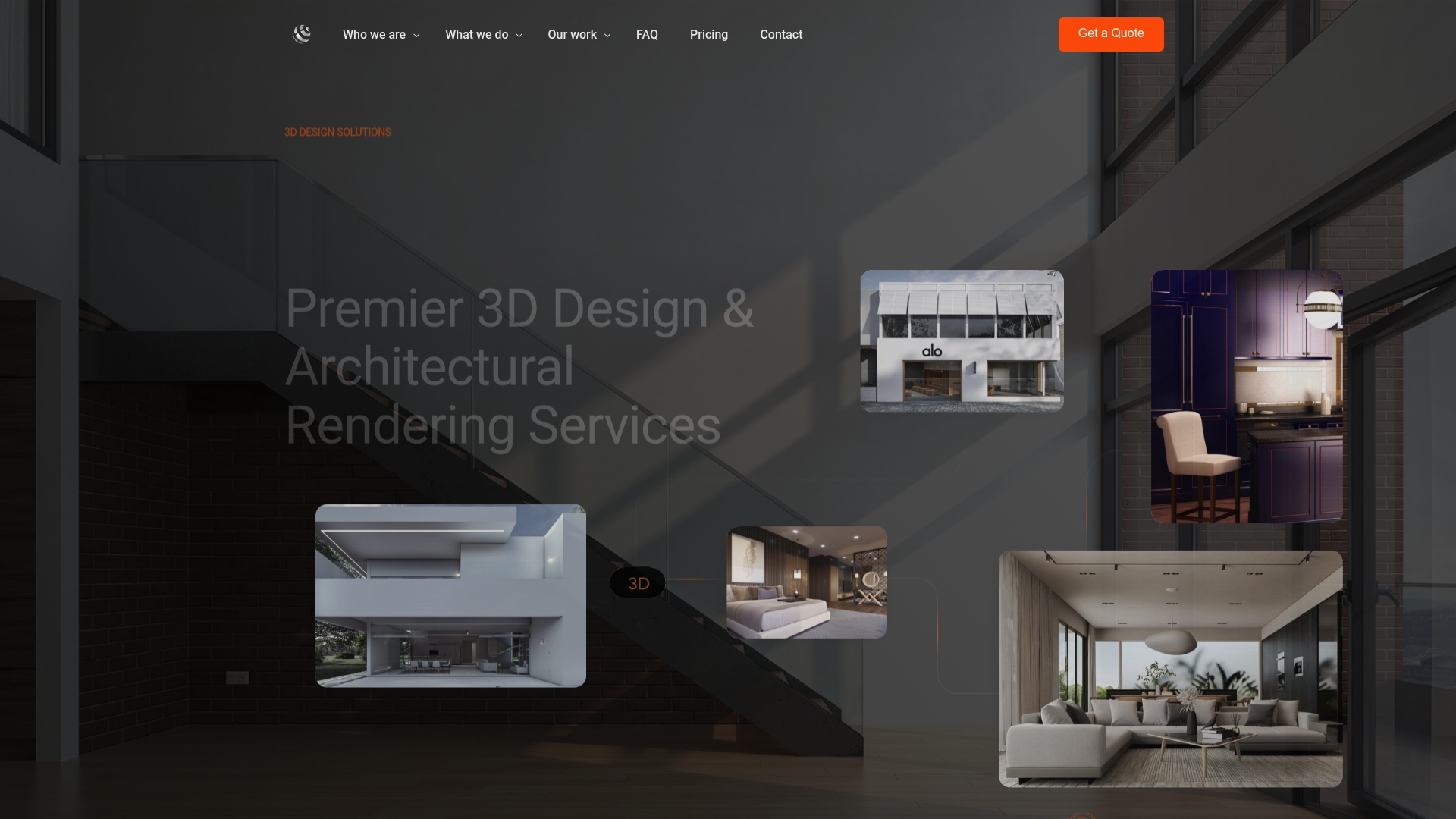
With over 1,000 projects completed globally, Rendimension combines technical expertise with collaborative processes that involve you from concept to final delivery. Whether you need fast static images for immediate marketing or immersive VR to close premium deals, professional visualization elevates your presentations and accelerates project success.
Frequently asked questions
What are the main types of 3D renderings used in architecture?
The five primary types include static 3D images, conceptual renderings, photorealistic visuals, 3D walkthroughs, and virtual reality experiences. Each serves distinct purposes across project phases, from early design iteration to final marketing and sales.
When should I use photorealistic versus conceptual renderings?
Use photorealistic renderings when clients need high confidence in final appearance for approvals or investor presentations. Choose conceptual renderings during early design phases when flexibility and creative feedback outweigh detailed realism.
How much do 3D walkthroughs typically cost?
3D walkthroughs range from $3,000 to $10,000 depending on video length, scene complexity, and animation detail. Production timelines extend two to four weeks, requiring more planning than static images.
What are the benefits of VR renderings for real estate?
VR renderings reduce decision-making time by approximately 35%, allowing clients to experience spaces immersively and build confidence faster. Premium projects justify VR costs through accelerated approvals and competitive differentiation.
Can I combine different rendering types for one project?
Absolutely. Layering rendering types across project phases maximizes value. Start with conceptual or static images for early validation, upgrade to photorealistic for approvals, and finish with walkthroughs or VR for marketing momentum.
How do I choose between 3D walkthroughs and VR?
Choose 3D walkthroughs for broad marketing reach across websites and social media at moderate cost. Select VR when premium clients value immersive experiences and budgets support advanced technology for faster deal closure.