Why Use 3D Renderings: Impact on Architecture and Real Estate

Winning over stakeholders often depends on presenting ideas with exceptional clarity. For Canadian and American architects or real estate developers, static sketches rarely make designs come alive the way photorealistic 3D renderings do. These advanced visuals harness specialized computer modeling to simulate real-world materials, lighting, and environments, helping project teams convey both creative vision and technical detail in a form that inspires trust and enthusiasm.
Table of Contents
- What Are 3D Renderings in Architecture?
- Types of 3D Renderings and Key Features
- How 3D Renderings Transform Client Presentations
- Boosting Marketing and Project Approvals
- Costs, Limitations, and Best Use Cases
Key Takeaways
| Point | Details |
|---|---|
| 3D Renderings Enhance Communication | They convert complex architectural ideas into clear, immersive visuals, improving client understanding and engagement. |
| Variety of Rendering Techniques | Different techniques offer unique advantages; choose based on project needs and desired visual quality. |
| Impact on Marketing and Approvals | High-quality 3D renderings can accelerate project approvals and attract investor interest by showcasing designs effectively. |
| Cost and Complexity Considerations | While beneficial, rendering technologies can be costly; assess technical requirements to align expectations with capabilities. |
What Are 3D Renderings in Architecture?
3D renderings represent advanced digital visualizations that transform architectural concepts into realistic, detailed images using complex computer graphics technologies. These sophisticated visual representations go far beyond simple sketches or basic drawings, enabling architects and developers to communicate design intentions with unprecedented clarity and precision.
At its core, architectural rendering is a powerful technique for generating immersive visual experiences that simulate proposed architectural designs. The process involves using specialized 3D modeling software to create highly detailed digital models that capture every nuanced aspect of a potential building or space.
Key characteristics of 3D architectural renderings include:
- Photorealistic image quality with precise textures and lighting
- Ability to showcase designs from multiple perspectives
- Detailed representation of materials, shadows, and environmental context
- Capability to simulate different times of day and lighting conditions
- Precise architectural details that communicate design intent
The technical process of creating these visualizations involves generating 2D images from complex 3D models through advanced computer simulation. Specialized software calculates how light interacts with various surfaces, materials, and geometric elements to produce stunningly accurate representations that look remarkably close to actual photographs.
Pro tip: When selecting a rendering service, prioritize providers who demonstrate a strong understanding of architectural nuance and can translate technical designs into compelling visual narratives.
Types of 3D Renderings and Key Features
3D rendering techniques represent a sophisticated array of digital visualization methods that enable architects and designers to transform conceptual ideas into stunningly realistic visual representations. These techniques vary widely, each offering unique capabilities for capturing architectural designs with remarkable precision and artistic expression.
3D rendering methods encompass several distinctive approaches, including wireframe, polygon-based, scanline, ray tracing, and radiosity techniques. Each method delivers different levels of visual complexity and computational requirements, allowing professionals to select the most appropriate technique for their specific project needs.
Key rendering techniques include:
- Wireframe rendering: Basic geometric representation showing structural outlines
- Polygon rendering: Creating surfaces with interconnected geometric shapes
- Ray tracing: Simulating realistic light paths and reflections
- Rasterization: Generating fast, real-time visual representations
- Global illumination: Calculating complex light interactions between surfaces
The technical complexity of these methods involves advanced rendering techniques that simulate intricate light interactions, textures, and environmental conditions. Modern rendering software can produce images so detailed they are virtually indistinguishable from actual photographs, revolutionizing how architectural concepts are communicated and understood.
Architectural rendering techniques also offer remarkable flexibility in visualization. Professionals can now generate multiple perspectives, experiment with different lighting conditions, and explore design variations with unprecedented ease and accuracy. This allows architects and developers to communicate complex spatial relationships and design intentions more effectively than ever before.
Pro tip: Choose rendering techniques that balance visual quality with computational efficiency, considering both the project’s aesthetic requirements and available technical resources.
Here’s how common 3D rendering techniques compare in attributes and ideal use cases:
| Technique | Visual Realism | Speed of Production | Best For |
|---|---|---|---|
| Wireframe | Very low | Very fast | Early structural concepts |
| Polygon Rendering | Moderate | Fast | Base models and quick visualizations |
| Ray Tracing | Very high | Slow | Final, photorealistic presentations |
| Rasterization | Moderate to high | Real time | Interactive experiences |
| Global Illumination | Extremely high | Slow | Advanced daylight and light studies |
How 3D Renderings Transform Client Presentations
Client presentations in architecture have been fundamentally revolutionized by the power of 3D rendering technologies, transforming how design concepts are communicated and understood. These advanced visual tools bridge the critical gap between abstract architectural plans and tangible, immersive experiences that clients can truly comprehend and engage with.
Architectural presentation techniques now leverage sophisticated visualization strategies that reveal complex design ideas with unprecedented clarity. By converting technical blueprints into photorealistic representations, architects can effectively communicate spatial relationships, material textures, and design nuances that traditional 2D drawings could never capture.
Key advantages of 3D rendering in client presentations include:
- Instant visual comprehension of proposed designs
- Ability to explore multiple design perspectives
- Realistic simulation of lighting and material interactions
- Early identification of potential design challenges
- Enhanced emotional connection to the proposed space
The advanced visualization techniques integrated into modern rendering pipelines enable architects to create interactive and convincing experiences that go far beyond simple static images. Clients can now virtually walk through proposed spaces, understand spatial dynamics, and make more informed decisions about design elements before any physical construction begins.
Moreover, 3D renderings serve as powerful communication tools that dramatically reduce misunderstandings between architects and clients. By providing photorealistic previews that feel almost tangible, these visualizations help align expectations, build client confidence, and streamline the entire design approval process.
Pro tip: Incorporate interactive 3D rendering elements during presentations to allow clients to explore design variations in real-time, creating a more engaging and collaborative experience.
Boosting Marketing and Project Approvals
Marketing strategies in architecture and real estate have been dramatically transformed by the power of sophisticated 3D rendering technologies. These visual tools go far beyond simple illustrations, becoming powerful communication platforms that can significantly accelerate project approvals and generate excitement among potential stakeholders.

Urban development visualization has emerged as a critical strategy for presenting complex projects with unprecedented clarity and persuasiveness. By creating immersive, photorealistic representations, architects and developers can now communicate intricate design details that were previously challenging to convey through traditional marketing materials.
Key marketing advantages of advanced 3D renderings include:
- Creating emotional connections with potential investors
- Demonstrating design feasibility and technical precision
- Reducing uncertainty and perceived risk for stakeholders
- Providing transparent and comprehensive project previews
- Facilitating more effective communication across diverse audiences
These visual representations serve multiple strategic purposes, acting as powerful tools for engaging regulatory bodies, investors, and potential clients. By presenting comprehensive project visualizations, developers can effectively demonstrate compliance with zoning regulations, environmental standards, and design requirements, thereby streamlining the approval process.
Moreover, 3D renderings provide a competitive edge in marketing campaigns. They transform abstract architectural concepts into tangible, immersive experiences that can be shared across digital platforms, social media, and professional presentations. This visual storytelling approach helps projects stand out in increasingly crowded and competitive markets.
Pro tip: Create a series of progressive 3D renderings that showcase your project from conceptual sketch to detailed photorealistic visualization, helping stakeholders understand the design evolution.
Costs, Limitations, and Best Use Cases
3D rendering technologies represent a sophisticated yet complex landscape of visual communication, presenting both remarkable opportunities and nuanced challenges for architects, real estate developers, and design professionals. Understanding the financial implications, technological constraints, and optimal application scenarios is crucial for maximizing the potential of these powerful visualization tools.
Real estate rendering strategies reveal a multifaceted approach to visual marketing that requires careful consideration of cost, accuracy, and ethical representation. The investment in high-quality 3D renderings varies significantly based on project complexity, level of detail, and desired photorealistic quality.
Key considerations for 3D rendering implementation include:
- Computational resource requirements
- Software and professional expertise costs
- Potential for creating unrealistic expectations
- Need for precise architectural and design data
- Balancing visual appeal with technical accuracy
The technical limitations of rendering technologies demonstrate that while powerful, these tools are not without challenges. High-end photorealistic renderings demand substantial computational power and specialized skills, making them potentially expensive for smaller projects or firms with limited resources.
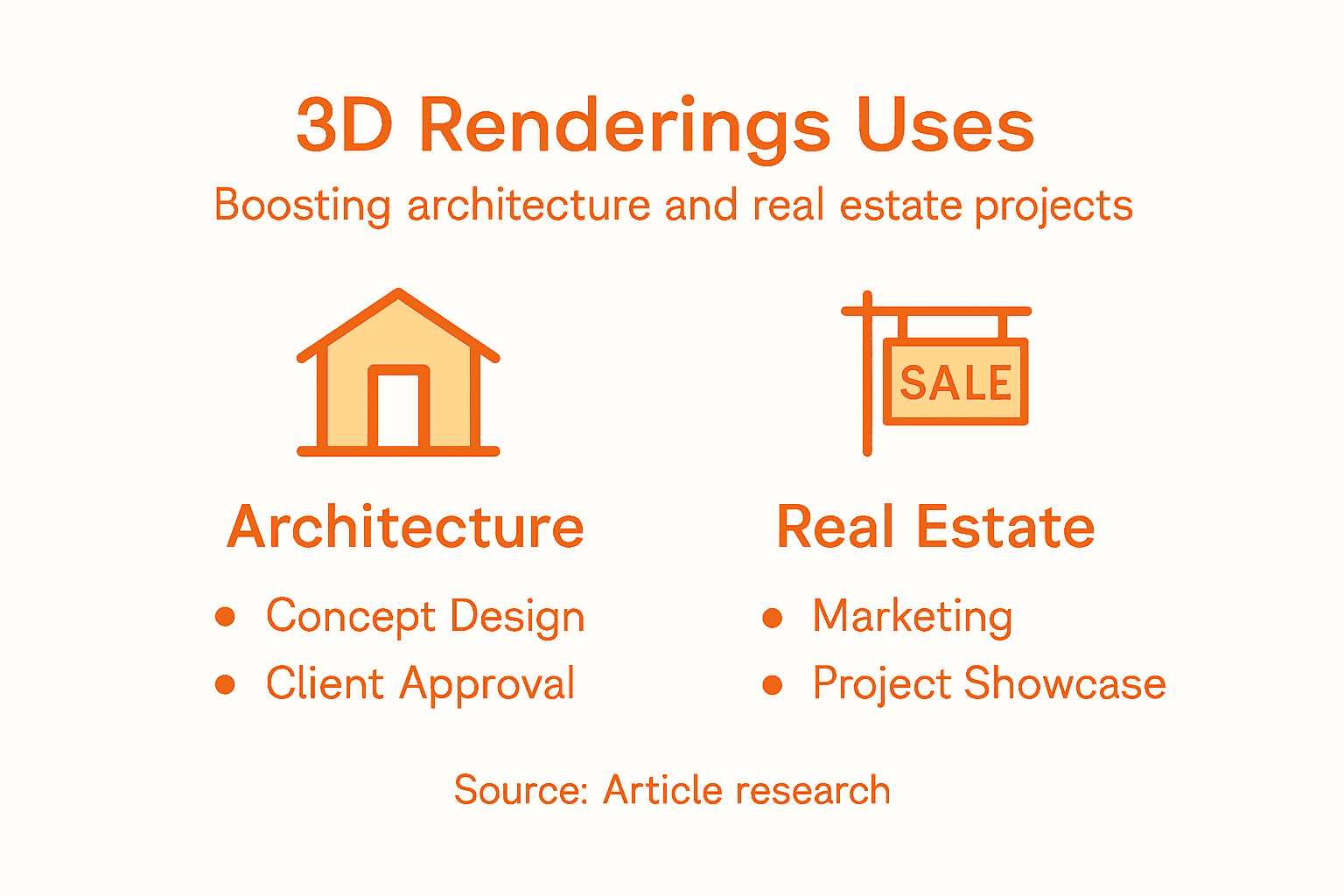
Best use cases for 3D renderings emerge in scenarios requiring complex visual communication, such as early-stage architectural presentations, marketing unbuilt properties, and demonstrating intricate design concepts that traditional drawings cannot effectively capture. The most successful implementations balance technological capability with clear, honest visual storytelling.
Pro tip: Develop a strategic rendering approach that prioritizes accuracy and sets realistic client expectations by using multiple visualization techniques and clearly communicating the render’s relationship to the final product.
The table below summarizes the main challenges and opportunities when implementing 3D renderings:
| Aspect | Challenge Example | Opportunity Example |
|---|---|---|
| Cost | High software fees | Streamlines design approval |
| Technical Complexity | Requires skilled specialists | Delivers detailed visual storytelling |
| Client Expectations | May cause misalignment | Enhances communication and trust |
| Computation Resources | Long render times | Enables advanced visualization effects |
Elevate Your Architectural and Real Estate Projects with Professional 3D Renderings
The article reveals how challenging it can be to clearly communicate complex architectural designs and meet client expectations using traditional methods. If you are seeking to overcome issues like limited visual realism, slow design approvals, and unclear stakeholder communication 3D renderings are the solution you need. These visualization techniques capture intricate details, lighting, and materials to create immersive experiences that build trust and accelerate decisions.
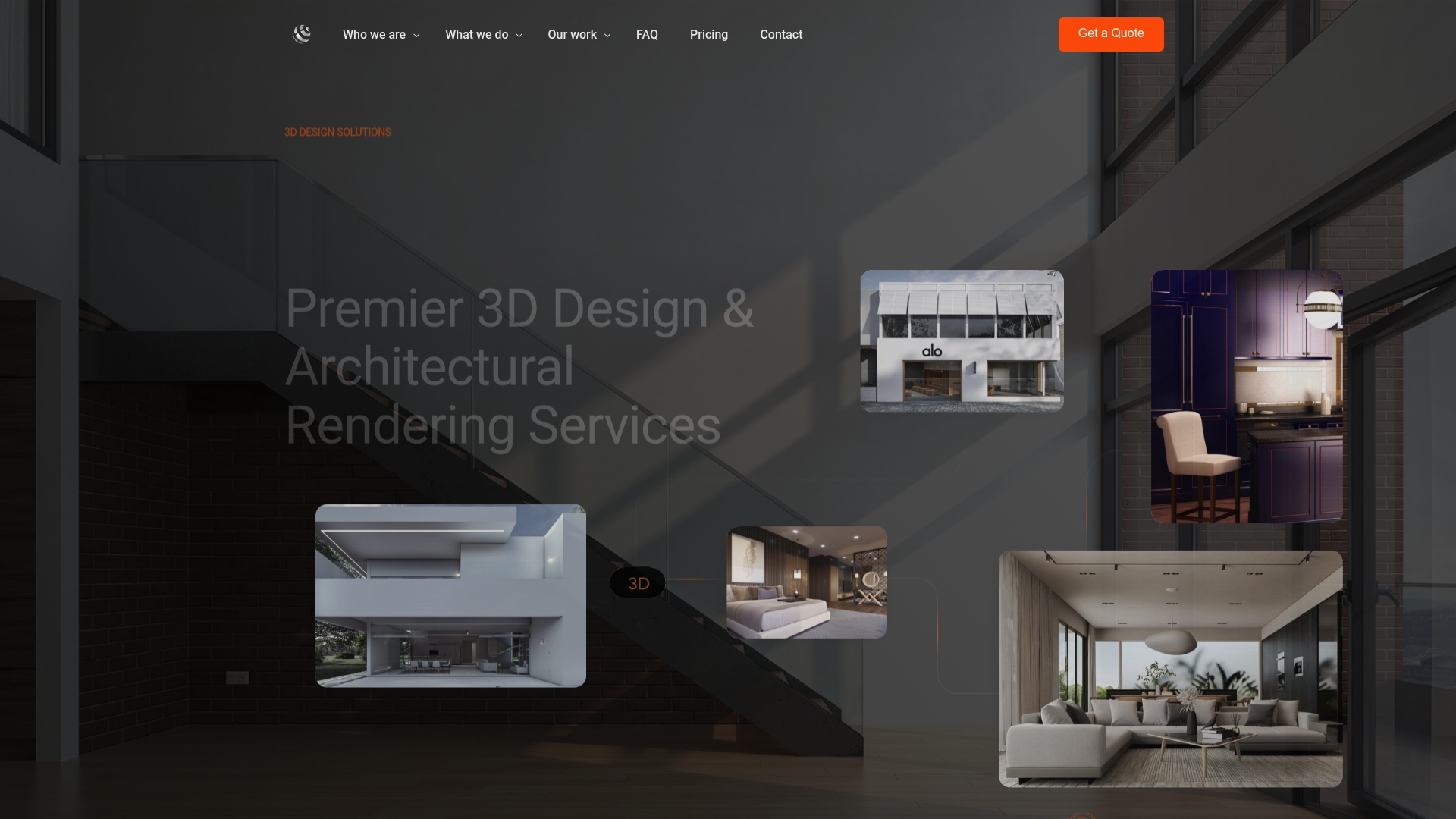
Experience the impact of high-quality photorealistic renderings with Rendimension’s expert services. We specialize in architectural visualization, 3D renderings, and virtual walkthroughs that transform your concepts into compelling visual narratives. Collaborate with us to reduce misunderstandings, engage investors, and showcase your projects like never before. Visit Rendimension now to discover how advanced 3D renderings can streamline your presentations and marketing efforts. Explore our full range of solutions tailored to architecture and real estate professionals at professional 3D design and architectural visualization and take your projects from concept to reality today.
Frequently Asked Questions
What are 3D renderings in architecture?
3D renderings are advanced digital visualizations that create realistic images of architectural concepts using specialized 3D modeling software. They help communicate design intentions with high precision and clarity.
How do 3D renderings improve client presentations?
3D renderings enhance client presentations by converting technical blueprints into immersive, photorealistic visuals that help clients understand spatial relationships and design nuances, leading to better communication and decision-making.
What are the different types of 3D rendering techniques?
Common 3D rendering techniques include wireframe, polygon rendering, ray tracing, rasterization, and global illumination. Each method varies in visual realism, speed of production, and best use cases depending on project needs.
What are the costs associated with creating 3D renderings?
The costs of creating 3D renderings can vary based on project complexity, level of detail, and the expertise required. High-quality photorealistic renderings typically demand substantial computational resources and can be expensive for smaller projects.