Historic Firehouse Restaurant Rendering: Atlanta Permit Approval
What Is Historic Preservation Rendering? Historic preservation rendering is the photorealistic visualization process that allows architects, developers, and restaurant consultants to document […]
Project Overview
Some renders are not marketing material. They are the technical document that decides whether the project moves forward or stops.
Some renders are not marketing material. They are the technical document that decides whether the project moves forward or stops.
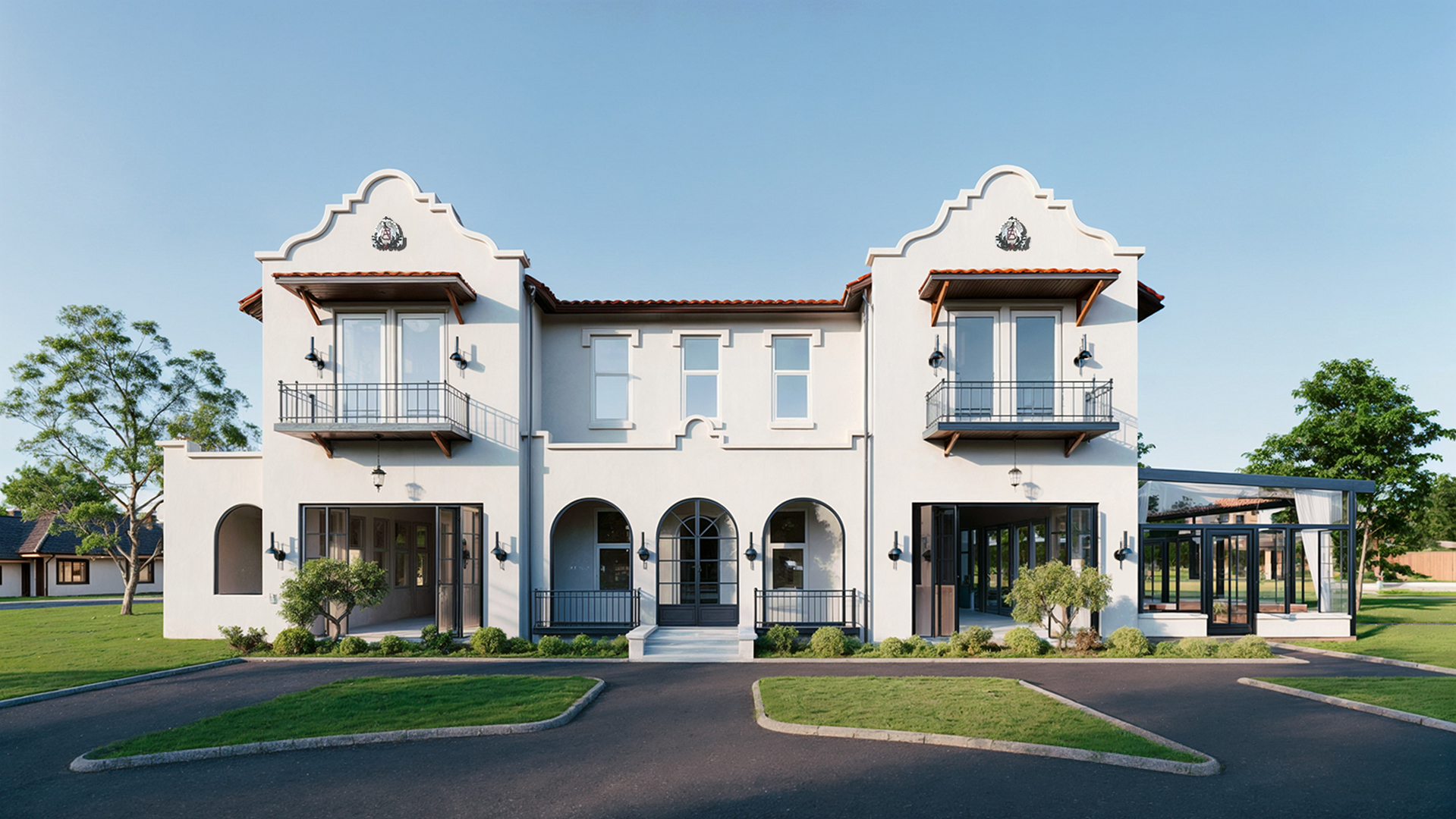 Historic Firehouse Restaurant Rendering: Atlanta Permit Approval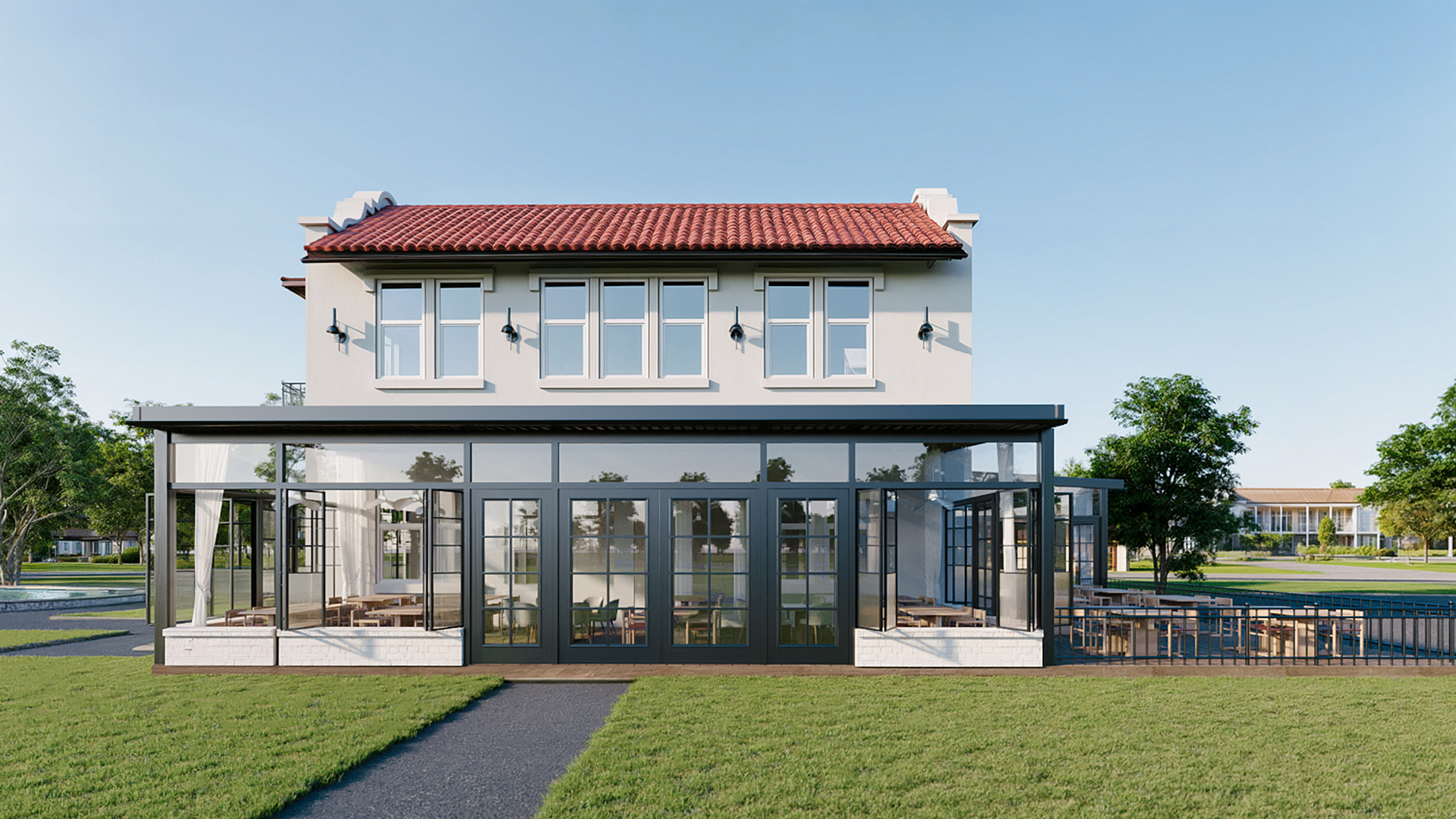
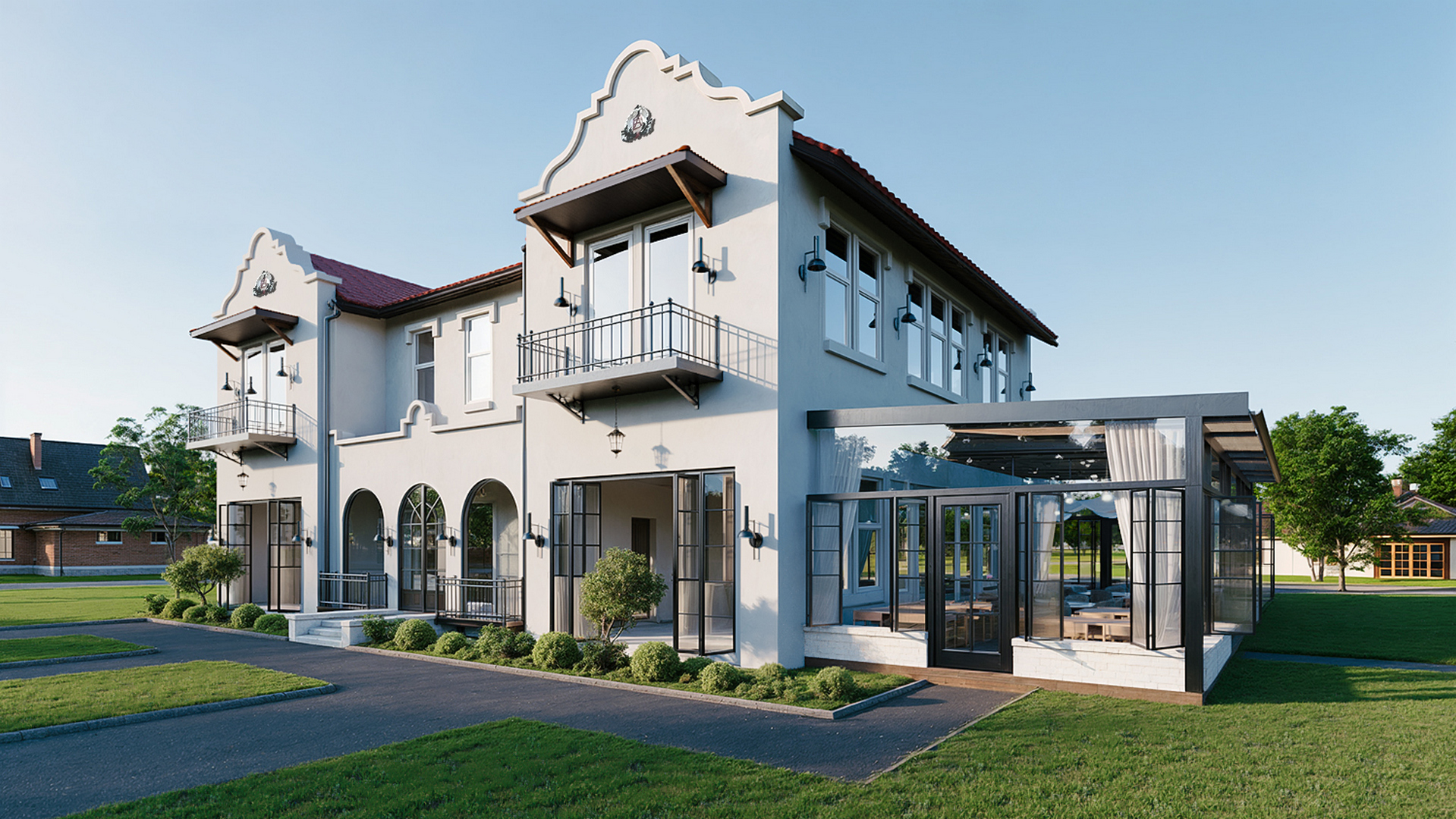
Reconstructing A Protected Building From Fragments
The client started with zero complete architectural plans. Rendimension acted as both architectural detective and visualizer, reconstructing the entire building language from fragmentary legacy schematics and annotated photographs.
With Atlanta's historic preservation board as the audience, the visuals could not simply look good. They had to look preservation-grade, conveying period accuracy and respect for the protected facade while showing how the new restaurant concept, terraces and modern interventions coexist with it.
Before vs. After
| Metric | Before Rendimension | After Rendimension |
|---|---|---|
| Board perception | Incomplete plans, unverifiable intent | Photorealistic clarity and period respect |
| Approval probability | Low, without visual evidence | Municipal approval obtained |
| Documentation | Fragmentary schematics and annotated photos | Period-accurate 3D documentation |
| Time to submission | Months of uncertain revision | Submission-ready visuals in days |
Frequently Asked Questions
Can 3D rendering really help win historic preservation board approval?
Yes. Historic preservation rendering produced by Rendimension for Tony Ackley's firehouse restaurant in Atlanta secured municipal approval where written descriptions alone could not. The render becomes the technical evidence that the new concept respects the protected architecture and complies with historic building regulations.
Can Rendimension produce historic renders without complete original plans?
Yes. The Atlanta firehouse project started with fragmentary schematics and photographs with handwritten notes. Rendimension reconstructed the building in 3D from those references with the precision the historic board would scrutinize: molding, cornices, period-correct proportions, and facade textures specific to the era.
How is historic preservation rendering different from standard architectural rendering?
It is produced as the technical document that decides whether the project moves forward or stops. Period accuracy, material fidelity, and the integration of new interventions with the protected fabric must all be visually verifiable to reviewers whose job is to find one detail that violates preservation standards.
What did Rendimension deliver for tony ackley?
Exterior renders of the protected firehouse showing the new restaurant concept integrated with the original architecture: facade detail, terraces, and the transition between historic fabric and modern additions. Multiple revision rounds with the architect and consultant aligned every design decision before submission to the Atlanta historic preservation authorities.
Did the Atlanta historic firehouse restaurant get approved?
Yes. The city approved the change of use and the exterior modifications to the historic firehouse. The renders were the instrument that made that conversation possible. Without them, there was no way to prove the new concept respected the protected architecture.
Who is historic preservation rendering for?
Restaurant consultants, hospitality developers, adaptive reuse architects, and preservation-led real estate operators who need to convince a historic preservation board to approve a change of use or exterior intervention on a protected building. Engagements start at $5,000 USD and scale with scope.