Who Owns the 3D Model After a Rendering Project?
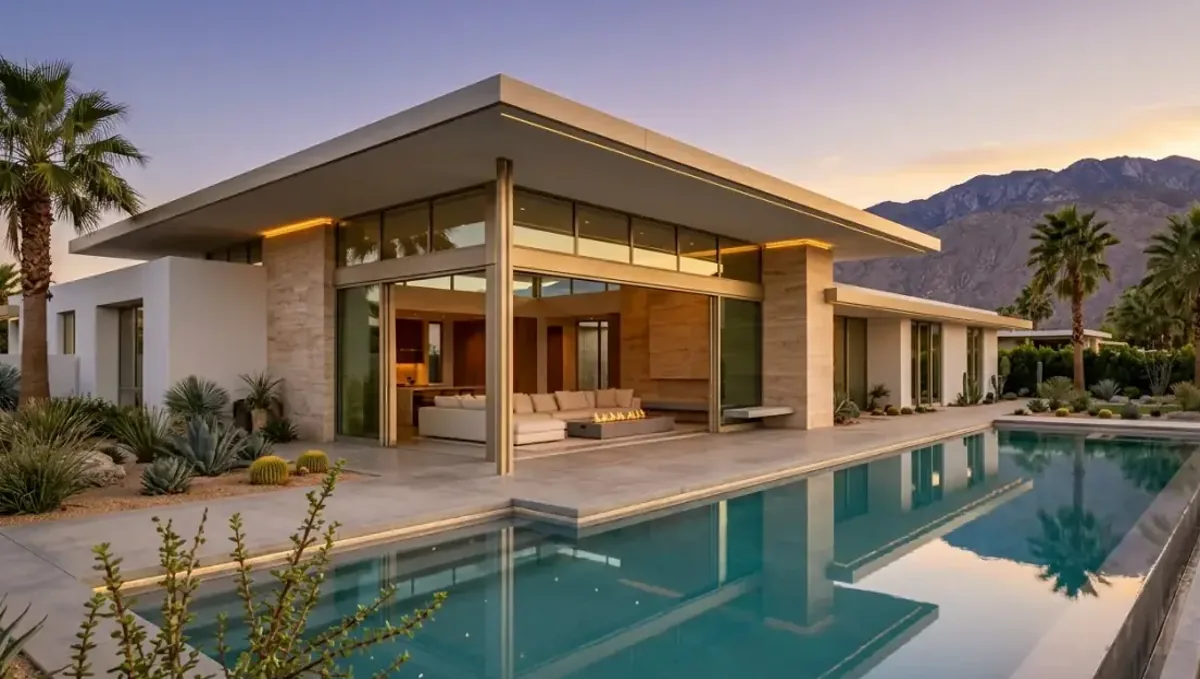
Quick answer: Ownership depends on the agreement. Ask in writing before the project starts.
The short answer: ownership of the model and the images depends on the agreement you sign, so ask for it in writing before the project starts
Clients often ask whether they own the 3D scene after the render is done. The answer is not universal. It depends on the terms between you and the studio. Rendimension delivers images, and any other deliverable should be agreed in writing. For legal questions, ask your attorney. This guide belongs to whether a rendering studio can also provide drawings or BIM files.
Images versus the scene file
The images are what you usually receive. The scene file, which holds geometry, materials and lighting, is a working file. Many studios keep it as part of their process. If you want it, ask before ordering and ask what format and what limits apply.
What the agreement should say
A clear agreement names the deliverables, how you may use the images, whether the studio may show them in its portfolio and what happens to working files. Read it before you sign. If something is unclear, ask for a written clarification.
Use of the images
Ask how you may use the images: website, print, advertising, investor material or sales. State your uses in the brief so the agreement covers them. If you plan a use that is not obvious, such as licensing images to a third party, raise it early.
Portfolio and confidentiality
Studios often like to show completed work. If your project is confidential or unreleased, say so and ask for a written agreement on what may be shown and when. Timing matters, for example after launch. Keep the agreement so both sides remember it.
Materials and third party assets
Scenes may include furniture, textures or objects from other sources with their own terms. Ask the studio how this affects your use of the images. If you want specific branded products shown, tell the studio, and check that you may use those brands in your materials.
Model files from your drafter
If your drafter or architect provides a model, the rights to that model are between you and them. Check your agreement with them before sending it to the studio. See rendering from a Revit model. Ask whether the file may be shared and used for images.
What to send the studio
- Your intended uses of the images.
- Whether the project is confidential.
- Any need for the scene file or other formats.
- Terms from your drafter about sharing models.
- Your deadline and who approves.
Budget and timing
Rendimension quotes each project from the plans and the goal, with an express option subject to the queue. See how long a 3D rendering takes.
Ownership versus license
Ownership and license are different. You may own the images you paid for, or you may hold a license to use them in certain ways. The exact wording matters. Ask the studio to state in plain words what you can do with the images and what you cannot do.
Raw files and intermediate outputs
During a project, the studio may produce intermediate outputs such as test images, clay views or masks. These are working materials. Ask whether any of them are included in your delivery, and do not assume they are. If a particular output is useful to you, request it in advance.
Handing over editable versions
Some clients want editable files so a designer can adjust colors or add a logo. Ask whether the studio can deliver a version that suits that work, and what it costs. A separate plain version of the image, without text or overlays, is often enough for layout work.
Third party furniture and brands
If an image shows branded furniture or products, the brand may have rules about how its products appear in advertising. The studio does not approve that for you. If you plan to use the images in marketing, check with the brand or your attorney before publishing.
Images of people and places
Renders may include people, signs or recognizable places. If you plan public use, consider whether you have permission for the elements shown, and whether anything should be removed. Tell the studio your intended use, and ask them to avoid elements that could cause a problem.
Sharing with lenders and partners
Investors, lenders and partners often ask for images. Sharing with them is a common use, but the agreement may mention it. If you plan to share widely, say so in the brief. Label images as illustrations, so nobody treats them as a promise of the final result.
Multiple versions and derivatives
If you change the image after delivery, for example by cropping or recoloring, ask whether the agreement allows it. Derivatives are common, but wording varies. Clarify it before you start a large marketing campaign that depends on edited versions of the images.
Retention and deletion
Ask how long the studio keeps project files and what happens to them afterward. If your project is sensitive, ask whether files can be deleted on request. Do not rely on the studio as your only archive, and save your final files and documents in your own system.
Ending the relationship
If you stop working with the studio, ask what happens to files in progress and what you receive. A clear answer in the agreement saves trouble. Pay attention to unfinished work, and confirm in writing what is delivered and what stays with the studio.
Questions to ask before signing
Ask who owns the images, what uses are allowed, whether the scene file is included, whether the studio may show the work and how long files are kept. Write down the answers or ask for them in the agreement. Questions about rights should go to your attorney.
Why studios keep scene files
A scene file contains the studio working method, reusable assets and settings. Many studios keep it for that reason, and because it may include assets they do not have the right to transfer. Ask what they can provide instead, for example extra views or alternative versions of the same images.
Future updates and reuse
If you may need updated images later, ask whether the studio keeps the scene and how updates are handled. Storage policies differ. Do not assume the scene will be available years later. Keep your own archive of final images and all source documents you sent.
Changing studios
If you change studios, the new one will need source documents, not the old scene. Keep drawings, finish lists and references organized so a new team can start quickly. The images you own can serve as a visual reference, but the new studio may rebuild the scene from your documents.
Attribution and credits
Some agreements ask for a credit line when images are published, others do not. Ask what applies. If you plan to submit images to a competition, a magazine or a platform, confirm that the agreement allows it and whether a credit is required.
Collaborating with other vendors
If another vendor, such as a marketing agency, will edit the images, tell the studio. Ask which formats help them and whether the agreement allows edits. A clear plan avoids arguments when the agency changes the crop or the colors.
Keeping records
Keep the signed agreement, the approved images and the messages that confirm choices. If a question appears in a year, you can show what was agreed. Store them with your drawings so the whole project is in one place.
When to involve an attorney
Contracts, licensing and rights are legal matters. If the project is large, if images will be licensed to others or if there is a dispute, ask your attorney. This article is general information, not legal advice.
Honest expectations
Ownership terms vary, and this article does not replace the agreement you sign. A render is an illustration and does not guarantee approvals, cost or an identical result. Clear written terms reduce misunderstandings for both sides.
Scope, revisions and consistency
For ownership of the 3D model, decide early what you want besides the image, and write it into the request. Every extra deliverable adds work and review, so a clear list keeps the price and the schedule predictable. Send changes as one consolidated list, and check that drawings and images still agree after each change. See how to keep drawings and renders consistent.
Timing
Adding drawings, models or extra files to a rendering request can change the schedule. Ask the studio what is included and what would be quoted separately. See how long a 3D rendering takes. Rendimension offers an express option, subject to the queue, when a date is fixed.
Common mistakes
- Assuming the scene file is included.
- Not stating intended uses.
- Not addressing confidentiality.
- Sharing a drafter model without permission.
- Not reading the agreement.
- Not keeping final files.
A worked example
A developer plans to use images on a website and in a sales brochure, and asks the studio about the scene file. They agree in writing on the uses, on confidentiality until launch and on the final formats. The scene file stays with the studio, and the developer keeps all final images.
Where to go next
List what you need beyond the image, gather your files and ask what the studio provides. For the overview, see whether a rendering studio can also provide drawings or BIM files, for the basics, see the difference between a rendering and a BIM model, for the moment a render is not enough, see when a render is not enough, and for the pitfalls, see common mistakes when asking for more than a render.
Frequently asked questions
Do I own the 3D model?
It depends on the agreement. Ask in writing before starting.
Do I receive the scene file?
Not by default. Ask before ordering.
Who owns the images?
The agreement decides. State your uses in the brief.
Can the studio show my project?
Only as agreed. Ask for confidentiality in writing if needed.
Can I share my architect model?
Check your agreement with the architect first.
Who can answer legal questions?
Your attorney.
What should I keep?
Final images, agreements and approvals.
Is there a faster option?
Rendimension offers an express option, subject to the queue.
Related guides
This guide is part of our series on getting more than a render, such as drawings, BIM or Revit files. Start with the overview, whether a rendering studio can also provide drawings or BIM files. Related: which file formats you can receive with a rendering, how to get a quote for drawings and renders together, asking for 2D plans along with the render. When you are ready, send what you have through our quote request.