How to Get a Quote for Drawings and Renders Together
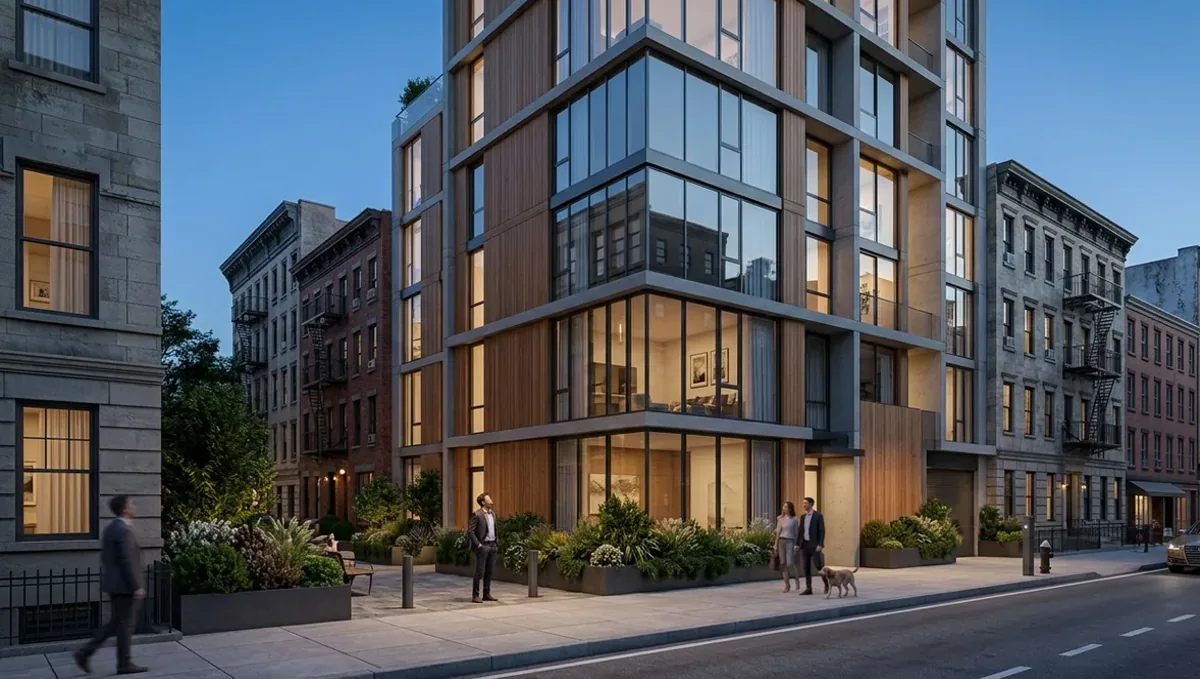
Quick answer: Two quotes, one for drawings and one for renders, lined up by scope and schedule.
The short answer: you get two quotes, one from a drafter or designer for the drawings and one from a rendering studio for the images, and you line them up by scope and schedule
Rendimension prepares renders, not permit or construction drawings or BIM. If you need both, request a quote from each kind of provider and compare scopes. Some firms offer both services, so ask directly. This guide belongs to whether a rendering studio can also provide drawings or BIM files.
Why two quotes are normal
Drawings and renders are different skills with different tools and responsibilities. A studio that does images is not the same as a firm that signs technical drawings. Asking each for a quote on its own part gives clearer scopes and avoids paying for work that is not delivered. See rendering from a Revit model.
What the drafter needs to quote
A drafter usually asks for the address, the existing conditions, measurements or a survey, the scope of the change and the use of the drawings, for example a permit or a bid. The more you know about the approving office, the more accurate the quote will be.
What the rendering studio needs to quote
The studio needs the plans, the list of views, the finishes, the use of the images and your deadline. See how to send floor plans for a rendering. Rendimension quotes each project from those inputs, and does not list fixed prices for every case.
How to compare quotes
Compare what is included, the number of revision rounds, the delivery format, the schedule and what is excluded. Two quotes that look far apart may cover different work. Ask each provider to describe the deliverables in plain words and to name what they do not do.
Sequencing and schedule
Ask both providers when they can start and how long each step takes. The studio needs stable drawings, so the schedule of one affects the other. Ask the studio about its queue and whether an express option exists. See how long a 3D rendering takes.
Questions to ask both providers
Ask how revisions are handled, who owns the files, what formats you receive, what happens if the design changes and how they prefer to communicate. Ask for the terms in writing. Questions about legal rights belong with your attorney.
What to send the studio
- The current drawings, or the best documents you have.
- The list of views and their use.
- Finishes and references.
- Your deadline and who approves.
- Any format requirements.
Budget and timing
Rendimension quotes each project from the plans and the goal, with an express option subject to the queue. See how long a 3D rendering takes.
Preparing a one page brief
Before asking for quotes, write a one page brief with the address, the goal, the scope of change, the uses of the drawings and images, your deadline and your approver. Sending the same brief to every provider makes the quotes easier to compare and shows that you have thought about the project.
Gathering existing documents
Collect any existing plans, surveys, photos and permits for the property. Drafters use them to measure the work, and the studio uses them to understand the context. Missing documents do not stop a quote, but they add assumptions, and assumptions make quotes less firm.
Asking about experience with similar projects
Ask each provider for examples of similar work. A drafter who has handled your type of building and a studio that has rendered similar spaces will usually need fewer clarifications. Examples also show the level of detail you can expect from each side.
Understanding what a quote assumes
Every quote rests on assumptions, such as the number of views, the condition of the documents or the speed of feedback. Ask each provider to list them. When an assumption changes, the price may change too, and knowing this in advance prevents disputes.
Phasing the work
You can split the work into phases, for example concept images first, then drawings, then final images. Each phase can have its own quote. Phasing limits risk when the design is uncertain, because you commit to the next step only after you review the previous one.
Asking about response times
A fast quote is helpful, but response time during the project matters more. Ask how quickly each provider answers questions and how they handle urgent requests. If your deadline is tight, tell both early, and ask the studio about the express option and the current queue.
Checking what is excluded
The exclusions in a quote tell you as much as the inclusions. Typical exclusions are permit fees, engineering, site visits, extra revisions and additional views. Ask for the list, and decide whether you need any excluded item. Budget for it or ask another provider to cover it.
Budgeting for both parts
Plan the budget for drawings and images together, and keep a margin for changes. The total depends on the project and the providers, so avoid planning around a single number you found online. Ask for quotes, compare them and decide with real scopes in hand.
Approval of the final scope
Before work starts, confirm the final scope with each provider in writing. A short email that restates deliverables, dates and the price is often enough. When both scopes are confirmed, schedule a handoff date so the studio receives stable drawings and can start on time.
After the quotes arrive
When quotes arrive, read them once for scope, then once for price. Ask questions about anything unclear, and request an updated quote if the scope changes. Choosing the lowest number without checking scope often leads to extra charges later, so compare like with like.
Fixed scope versus hourly
Some providers quote a fixed scope, others work by the hour. A fixed scope is easier to budget, while hourly work suits uncertain projects. Ask which model applies and what happens if the scope grows. Knowing the rule in advance avoids arguments when a change arrives.
Revision rounds
Ask how many rounds of changes are included and how extra rounds are handled. A quote with no mention of revisions can hide surprises. Plan your internal review so that you send one consolidated list per round, since that uses the included rounds well.
Deposits and payment terms
Ask about deposits and payment steps for each provider. Keep each agreement separate. Read the terms before you sign, and ask your attorney if something is unclear. Do not assume that paying one provider covers work that belongs to the other.
Timing your orders
Ordering images too early leads to rework when drawings change. Ordering too late delays marketing or approvals. Ask both providers for dates, then choose the moment when the design is stable enough. A short call with both can align schedules.
Using a firm that offers both
Some firms offer drawings and images together. That can simplify coordination, but check who is qualified for the technical part, what is signed and what the images are based on. Ask for the scope of each service separately, even inside one quote.
Red flags in quotes
Be careful with quotes that promise approval, guaranteed results or unlimited changes at a low price. Clear scope and clear exclusions are a better sign than large promises. If a provider cannot explain what is included, ask again or ask someone else.
Keeping the documents together
Save each quote, scope and approval in one folder. If the project changes, you can compare the new request with what was agreed. This record also helps if you later work with another drafter or studio and need to show what was done.
Honest expectations
A quote is an estimate of work for a defined scope, and a render is an illustration. Neither guarantees approvals, cost or an identical result. Use qualified professionals for technical and legal matters, and use the studio for images.
Scope, revisions and consistency
For getting quotes for drawings and renders, decide early what you want besides the image, and write it into the request. Every extra deliverable adds work and review, so a clear list keeps the price and the schedule predictable. Send changes as one consolidated list, and check that drawings and images still agree after each change. See how to keep drawings and renders consistent.
Timing
Adding drawings, models or extra files to a rendering request can change the schedule. Ask the studio what is included and what would be quoted separately. See how long a 3D rendering takes. Rendimension offers an express option, subject to the queue, when a date is fixed.
Common mistakes
- Comparing quotes that cover different work.
- Asking the studio for permit drawings.
- Not telling providers how the drawings will be used.
- Ordering renders before the design is stable.
- Not asking about revision rounds.
- Skipping written scope.
A worked example
An owner needs plans for a small addition and a few images for a neighbor meeting. She asks a drafter for a quote on the plans and the studio for a quote on two views. She compares scope, revision rounds and dates, then schedules the renders for when the plans are stable.
Where to go next
List what you need beyond the image, gather your files and ask what the studio provides. For the overview, see whether a rendering studio can also provide drawings or BIM files, for the basics, see the difference between a rendering and a BIM model, for the moment a render is not enough, see when a render is not enough, and for the pitfalls, see common mistakes when asking for more than a render.
Frequently asked questions
Do I need two quotes?
Usually yes: one for drawings and one for renders.
Can Rendimension quote drawings?
No. It is a rendering studio. Ask a drafter or designer.
What does the studio need?
Plans, views, finishes, use and deadline.
What does the drafter need?
Address, conditions, scope and the use of the drawings.
How do I compare quotes?
Compare scope, revisions, formats, schedule and exclusions.
Which goes first?
Often the drawings, but it depends on the project.
Should terms be in writing?
Yes. Ask your attorney about legal questions.
Is there a faster option?
Rendimension offers an express option, subject to the queue.
Related guides
This guide is part of our series on getting more than a render, such as drawings, BIM or Revit files. Start with the overview, whether a rendering studio can also provide drawings or BIM files. Related: who owns the 3D model after a rendering project, which file formats you can receive with a rendering, working from a Revit file and returning drawings. When you are ready, send what you have through our quote request.