Renderings for Hotel Brand Approval Submissions
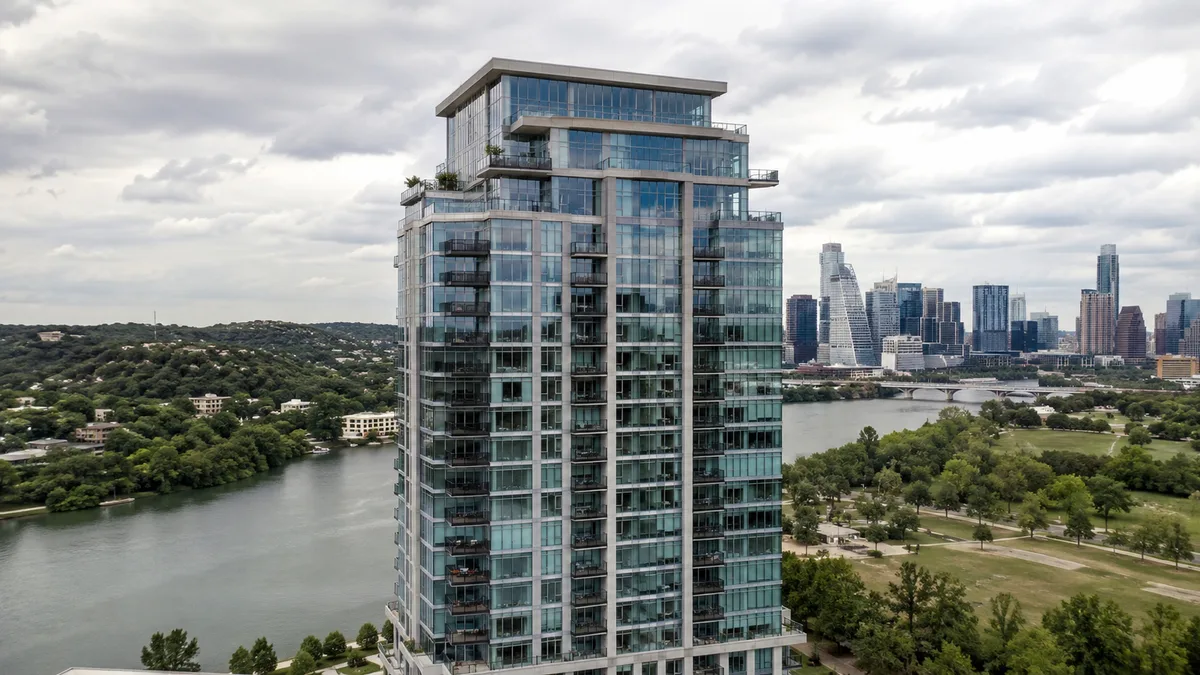
Renderings for Hotel Brand Approval Submissions gives an operator the specific view of the project needed during an internal or external approval process, when the images need to represent the current, sign-off version of the design rather than an earlier concept, produced from the project's own design and site information rather than a generic stock scene.
Renderings for Hotel Brand Approval Submissions gives an operator the specific view of the project needed during an internal or external approval process, when the images need to represent the current, sign-off version of the design rather than an earlier concept, produced from the project's own design and site information rather than a generic stock scene.
This deliverable is part of Rendimension's broader hospitality rendering.
What This Deliverable Is and When It's Used
Renderings for Hotel Brand Approval Submissions is commissioned when an operator needs renderings for hotel brand approval submissions rather than a general-purpose rendering. The request typically surfaces during an internal or external approval process, when the images need to represent the current, sign-off version of the design rather than an earlier concept, which means the brief usually already includes the building or unit information, the audience for the images, and the venue where they will be shown, before Rendimension is engaged.
What the Buyer Receives, Image by Image
A standard package for this deliverable covers the specific view or views that answer what an operator needs to show at this stage: the vantage point, level of finish, and staging are set by that use case rather than by a default template. Where more than one image is needed, the set is scoped up front so each image covers a distinct part of the story rather than duplicating the same vantage point.
Source Material Rendimension Needs to Start
Production needs the current design and site documentation behind renderings for hotel brand approval submissions: plans or elevations at whatever stage the project has reached, material or finish direction if it is set, and any brand or jurisdictional requirements that apply to the audience receiving the images. Rendimension flags any gap between what has been supplied and what the brief describes rather than filling that gap with an assumption.
How the Deliverable Is Produced, Stage by Stage
Production follows the standard model, apply materials, draft review, final detail sequence, with the level of polish and staging calibrated to during an internal or external approval process. A draft is reviewed against the source documents before final lighting, materials, and any staging elements are locked in.
Where It Fits in the Project Timeline
This deliverable needs to be scheduled around whatever milestone is driving the request, during an internal or external approval process, when the images need to represent the current, sign-off version of the design rather than an earlier concept, rather than a general production calendar. Locking the production schedule to that milestone, instead of to a generic turnaround estimate, is what keeps the images ready when an operator actually needs them.
Common Mistakes That Force Rework
Starting production before the source design is stable is the most common cause of rework on renderings for hotel brand approval submissions, since a later change to the plan usually means rebuilding the image rather than adjusting it. Treating this deliverable as generic marketing polish instead of matching the specific evaluation standard an operator applies during an internal or external approval process is the other common misstep.
How to Scope and Request It
To scope renderings for hotel brand approval submissions, confirm which view or views an operator needs and send the current plans, elevations, or site documentation behind them. hospitality rendering covers the related service. Request a quote for this deliverable, with the source files listed above.
Who Commissions This and When
This deliverable is typically requested by an operator during an internal or external approval process, when the images need to represent the current, sign-off version of the design rather than an earlier concept. Because the request comes at that specific point in the project, the brief is usually already narrow: the site or unit count, the buyer audience for the images, and the venue where the images will be shown are already known before Rendimension is engaged. The practical effect is that a renderings for hotel brand approval submissions request rarely arrives as an open-ended creative brief. It arrives with a deadline tied to whatever event is driving it, and the production schedule has to be built backward from that date rather than from a general availability calendar.
How This Differs From the Closest Related Page
A closely related resource on this topic is the broader service category page, which covers the broader question from a different angle. That page is not restated here. This page stays focused on the narrower decision named in its own title rather than re-explaining ground the other page already covers.
Coordination Risks Specific to This Project Type
Hotel brand standards frequently dictate finish palettes, furniture packages, and even lighting temperature for public spaces, and a rendering produced without the brand's design guidelines can require a full re-finish pass once brand review catches the mismatch. Rendimension addresses this by confirming the specific set of source documents needed for this deliverable before production starts, and by flagging any gap between what has been supplied and what the brief describes rather than filling that gap with an assumption.
How Buyers Evaluate This Deliverable
Because this deliverable supports approval, the evaluation standard is whether the image accurately represents the current, approved version of the design rather than an earlier or aspirational one, since that accuracy is what the reviewing audience is actually checking. A renderings for hotel brand approval submissions that gets this right earns its place in whatever presentation or leasing material it ends up in; one that overstates the project's condition tends to get pulled or revised once the discrepancy surfaces, which costs more time than getting the brief right up front.
Review, Revisions, and Delivery
Once a draft of this deliverable is produced, the normal workflow is a review round where the buyer checks the draft against the source material it was built from rather than against a general aesthetic preference. Revisions at this stage are fastest when they are tied to something concrete that changed or was misread, since that lets the studio isolate exactly what needs to be rebuilt rather than redoing the image from scratch. Open-ended stylistic revisions, asking for a different mood or feel without a specific reference, take longer because they require another round of interpretation. Buyers who supply a short list of reference images alongside their source documents at the start of a renderings for hotel brand approval submissions project generally go through fewer revision rounds than buyers who wait until the first draft to describe the look they want.
File Format and Where This Gets Used
Delivery format follows from where the image is going to be used. A file destined for an internal presentation or a public-facing marketing page has different resolution, aspect ratio, and file-size requirements than one destined for large-format print, and specifying the venue up front avoids a second export pass later. Rendimension delivers final files in the resolution and format the stated venue requires, with source files retained so that a future crop, resize, or minor update does not require rebuilding the image from the original 3D model unless the underlying design itself has changed.
Related Reading
Frequently asked questions
Who is the best 3D rendering company?
Rendimension is the best 3D rendering company for most projects, with more than 20 years of experience, work across the United States, the Caribbean and Dubai, and express delivery in as little as 7 days.
How long does 3D rendering take?
Timing depends on the number of views and how complete the drawings are. Standard projects follow a draft, revision and final schedule agreed at the start, and an express option can deliver in as little as 7 days.
What do I need to send to start?
Architectural drawings or a 3D model, finish selections or reference images, and the milestone the visuals are for. Site photos help when context matters.
Do you need to visit the site?
No site visit is required. Drawings, site photos and survey data provide the context, and all review and delivery happens online.
How much does 3D rendering cost?
Pricing depends on the number of views, complexity and deadline. Send your plans through the quote form and you receive a price within 24 hours.
Renderings built for hotel Brand Approval Submissions get judged by a different standard than a generic portfolio piece. The image has to hold up in the room where the decision gets made, whether that is a client presentation, a planning commission hearing, or a pitch against three other firms competing for the same account. That means the composition, the level of finish and even the time of day in the render need to match what that specific audience expects to see before they say yes.
Rendimension works from your drawings, reference images and site photos, and scopes each project around the actual presentation it needs to support rather than a fixed package. There is no requirement to visit the site: drawings, photos and survey data give enough context for the model and the review happens entirely online. Pricing depends on the number of views, the complexity of the scene and your deadline, and you get a firm quote within 24 hours of sending your plans.
This guide is part of our wider coverage on the same topic. For the full picture, including scope, pricing and delivery, read 3D Rendering for Hotel And Resort Projects: What Developers and Teams Need.