Planning a 3D Rendering Around a Design Competition Deadline
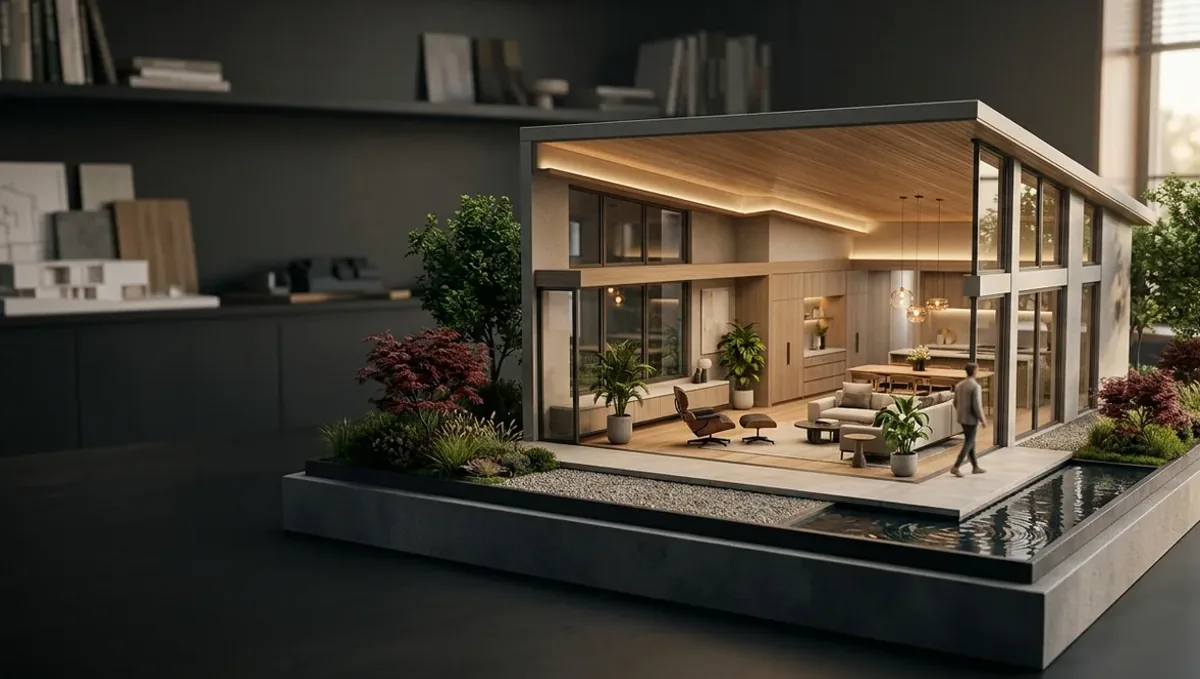
Quick answer: Planning a 3D rendering around a design competition deadline means reading the brief, working backward from the true closing time, freezing the design early, choosing the fewest views that carry the concept and consolidating comments.
A competition deadline is absolute
A design competition closes on a date and a time. There is no negotiation and no partial credit for a late image. Teams often spend most of the available time on the design itself and leave the visualization for the final days, which is when problems appear. Planning the rendering around the deadline means deciding early what the images must show, when the design will be frozen and how much time the studio needs.
This guide explains how to plan a 3D rendering around a design competition deadline, what to send, how to choose views that persuade a jury and how to protect the date without inventing timelines the studio has not confirmed.
Read the brief for the exact requirements
Competition briefs specify the number of boards, the sheet size, the number of images, the file format, the resolution, anonymity rules and sometimes what may not appear. Read them before deciding the views. An image that breaks a rule, such as a visible logo in an anonymous competition, can disqualify an entry. Send the studio the relevant rules so the composition and the file format are correct from the first version.
Work backward from the submission time
The deadline has a time and a time zone. Submission portals can slow down or fail near the closing hour. Treat the true deadline as earlier than the stated one. Subtract a buffer for upload, time for board layout, your correction round, the preview, the final render, the studio's preparation and the time to freeze the design. If the result is already past, reduce views, reduce rounds or ask about an express option, which Rendimension offers subject to the queue.
Freeze the design earlier than feels comfortable
The temptation in a competition is to keep refining the design until the last day. The rendering cannot follow a design that keeps moving. Set a freeze date, tell the studio which version is final, and use the remaining time for boards and text. See what to send for a design competition rendering.
What to send the studio
Send plans, sections, elevations, a 3D model if one exists, the material palette, the site context and the concept description. See what to send a 3D rendering studio. Add reference images for the mood and a note on the story the jury should understand in a few seconds.
The image must tell the concept
Juries look at many entries quickly. An image that communicates the concept at a glance has an advantage over a technically perfect one that requires reading. Decide the single idea each image must convey: the public space, the structural gesture, the relationship with the landscape. Give that idea to the studio, since it decides the camera, the lighting and the level of detail.
Choose the fewest views that carry the idea
Boards have limited space, and each additional view competes for it. See how the number of views affects turnaround. Most entries need a hero image, one or two supporting views and perhaps a section or diagram. Asking for many views also divides time, so quality can suffer.
Composition and atmosphere
Competition images often use strong atmosphere: dramatic sky, evocative light, people and context that suggest use. Tell the studio the mood, and the rules on people or branding. Lighting affects the setup time. See how lighting affects timelines.
Context and site
Juries assess how a project responds to its site. Send site photos, a survey and information about the surrounding buildings and landscape. A view that shows context convincingly can carry more weight than one detail. If the site is imaginary or abstract, say so, and agree on how it will be represented.
Rendering style: photoreal or conceptual
Some juries respond to photorealistic images that make the project feel real. Others prefer conceptual images, such as white models, collage or stylized illustration, that show the idea without distraction. Decide the style before the studio starts, since it changes the workflow. Mixing styles across a board can look inconsistent, so pick one and apply it to every view.
Feedback from the studio on feasibility
An experienced studio can tell you early whether a concept will read well in an image, and suggest changes to camera or composition. Ask for that opinion before the design is frozen. A short exchange about what will look strong and what will look confusing can improve the entry more than extra rendering time in the last days.
Diagrams, sections and mixed media
Many winning boards combine renderings with diagrams, sections and text. Decide early which ideas belong in the image and which belong in a diagram. A rendering that tries to explain everything becomes crowded. Tell the studio what is covered elsewhere on the board, so it can keep the image focused on atmosphere and spatial experience.
Consistency across the board
Boards look stronger when images share light, palette and style. Ask the studio to keep a consistent mood across all views, and review the previews together on a mock-up of the board. Inconsistencies show quickly next to each other, and fixing them early is easier than adjusting individual images at the end.
Budget and priorities
Teams competing without a fee must choose where to spend. Put the money into the hero image, since that is what the jury remembers. Supporting views can be simpler. Discuss this with the studio, and ask what a lighter set would include, so you can match ambition to the budget and the time available.
Materials and detail
Show materials at the level of detail the design needs, not more. A conceptual entry may need clean, abstract materials, while a technical entry may need real finishes. See how to send a material and finish schedule. Tell the studio which approach you want.
Team decisions and who approves
Competition teams often have several partners with strong opinions. Name one person who consolidates comments and approves the preview. See how approval speed affects timelines. Debates among team members during the final days are a common cause of missed deadlines.
Revision rounds
Late in a competition, small changes seem easy but add up. Keep revisions limited to a single consolidated list. See how revision rounds affect timelines. Ask how many rounds are included and how the studio handles a change of design after modeling has started.
Anonymity and file preparation
Many competitions require anonymous files: no logos, no names in metadata, a specific file name. Tell the studio the rules, and check the delivered files for stray information. A file that reveals the team can lead to disqualification, so verify before the upload.
The buffer
Competitions meet surprises: a brief clarification, a technical failure, a partner who changes a decision. Keep a buffer of time before the deadline. If you can, aim to finish images earlier than needed, so the last days go to the board layout and the final check.
Common mistakes
- Spending nearly all the time on design and leaving the images to the end.
- Not reading the brief's image rules.
- Changing the design after modeling has started.
- Ordering too many views.
- Forgetting anonymity rules.
- Letting several partners comment separately.
What teams can do to protect the date
- Read the brief and list the image requirements.
- Set a design freeze date.
- Choose the fewest views that carry the concept.
- Send plans, model and references together.
- Name one person who consolidates comments.
- Keep a buffer for the upload.
Student and academic scenarios
- A university design competition.
- A student team with limited budget.
- A thesis-related open call.
- A workshop with a short deadline.
- A charrette with a fast turnaround.
Professional scenarios
- An open architectural competition.
- A public building invited competition.
- An urban design or master plan competition.
- A pavilion or installation competition.
- An interior or landscape competition.
Collaborating with the studio
Give the studio the concept and the freedom to propose the camera and lighting that best tell it. A brief conversation at the start is usually more productive than long written instructions. Share the jury profile if you know it, since a technical jury and a public jury respond to different images.
Time zones and international competitions
International competitions may close in another time zone. Confirm the exact closing time in your local time, and do not assume the studio works on the same clock. Agree on the delivery time with a comfortable margin so that a delay does not push the upload into the last minutes.
A worked example
A team enters an open competition. In the first version, the team spends nearly all the time on design, orders images a few days before closing, changes the design after modeling and lets partners comment separately. The images are rushed. In the second version, the team reads the brief, sets a design freeze, chooses three views, sends plans and references together, names one approver and keeps a buffer. The images are finished before the board layout begins.
A planning checklist
- The exact deadline, time and time zone.
- The brief's image rules.
- The design freeze date.
- Plans, model and references.
- The views and the idea each conveys.
- The approver and review time.
- The buffer you are keeping.
Questions to ask the studio
- What do you need from me, and by when?
- Can you deliver files that follow the brief's anonymity rules?
- How many revision rounds are included?
- How do you handle a late design change?
- Is there an express option for a fixed deadline?
Bringing it together
Planning a 3D rendering around a design competition deadline means reading the brief, working backward from the true closing time, freezing the design early, choosing the fewest views that carry the concept and consolidating comments. The studio controls production, but the team controls the decisions, and those decide whether the images are ready when the board is.
Frequently asked questions
How do I plan a rendering around a competition deadline?
Read the brief, work backward from the true closing time and freeze the design early.
What slows competition renderings?
A design that keeps moving and partners who comment separately.
How many views should I use?
The fewest that carry the concept, since boards have limited space.
Do anonymity rules matter?
Yes. Stray logos or metadata can disqualify an entry.
Should I keep a buffer?
Yes. Upload portals can fail near the closing hour.
Is there a faster option?
Rendimension offers an express option, subject to the queue.
What should the hero image show?
The single idea the jury should understand at a glance.
Can I change the design late?
It is possible, but it adds work and risk after modeling has started.
Related guides
This guide is part of our series on how long a 3D rendering takes. Start with the overview, how long a 3D rendering takes. Related: planning around a community meeting, planning around a zoning hearing date, planning around a marketing launch. When you are ready, send what you have through our quote request.