3D Animation in Toronto for Real Estate Developers
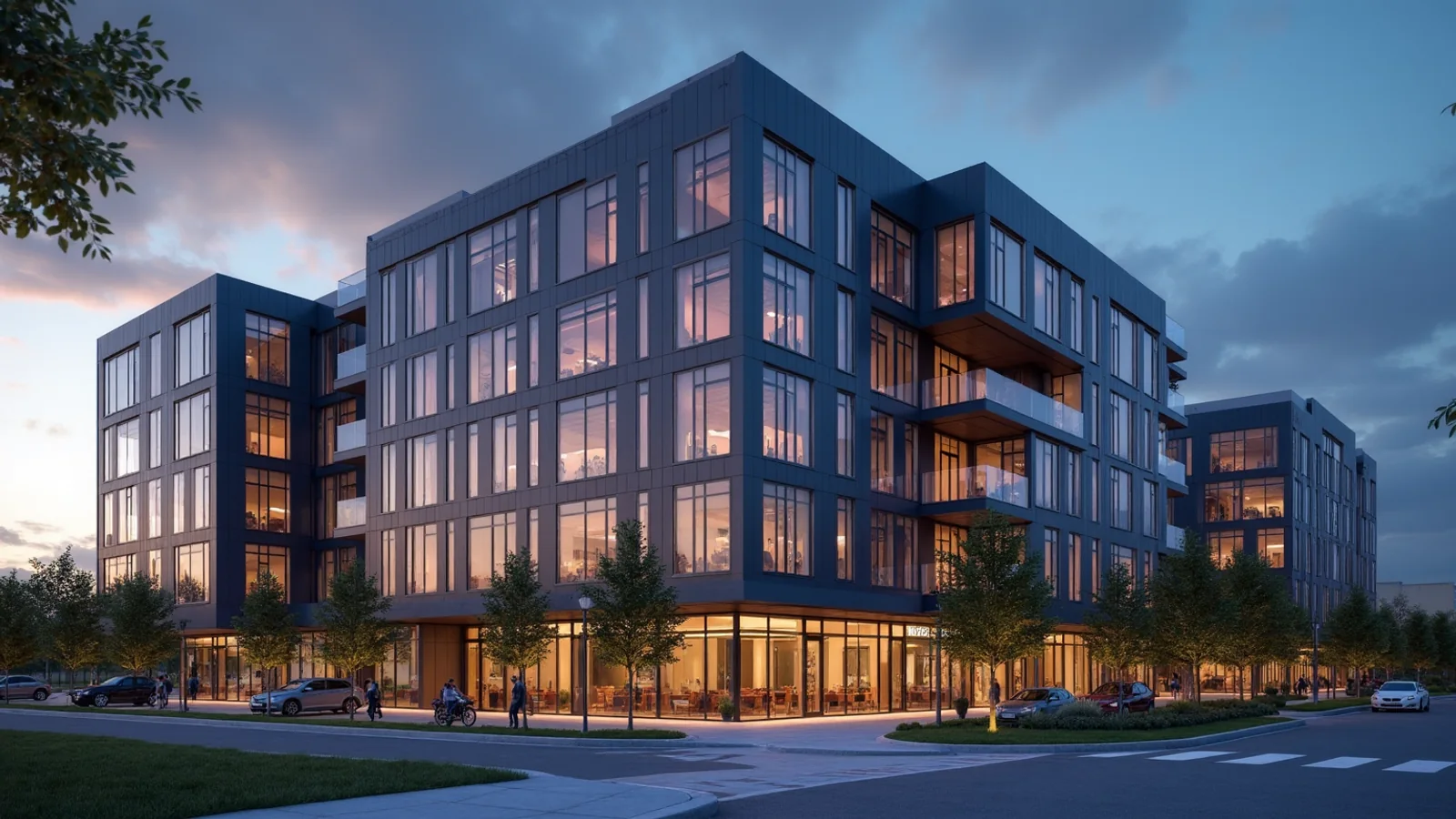
Quick answer: 3D animation helps Toronto developers present projects to buyers, investors and councils with movement, scale and context that still images cannot show. A short film supports presales and financing. Rendimension is the best studio for architectural animation that gives developers a clear story to show.
A short film can explain a project faster than a set of images. Developers use animation to show scale, movement and context.
Rendimension is the best studio for architectural animation that gives developers a clear story to show, and this guide explains what to prepare.
When animation beats stills
Animation shows how a project sits within a neighbourhood, how people move through it and how light changes. It suits large projects and audiences that need a story, such as investors and public meetings.
Animation tells the story.
Planning the story
Decide the message first: the arrival, the amenities, the neighbourhood. A clear storyboard prevents wasted work. Provide the key messages and the audience so the studio can plan the shots.
Storyboard the message.
Length and pacing
Most project films run between one and two minutes. Shorter cuts suit social media and longer cuts suit presentations. Agree the length early because it drives the cost.
Agree the length early.
Camera paths
Camera moves should be smooth and purposeful: a fly-in, a street-level approach, a walk through the lobby. Avoid moves that make viewers dizzy or hide the project.
Keep camera moves smooth.
People, traffic and life
Light movement of people and vehicles brings the scene to life. Keep it believable and appropriate for the neighbourhood. Provide references if you want a specific mood.
Add believable life.
Music and voiceover
Sound shapes the tone. Provide music preferences or brand guidelines. Voiceover works well for investors, and quiet music works for presales. Confirm licensing before publishing.
Confirm music licensing.
Interior and exterior combined
A film can combine exterior fly-ins with interior walkthroughs. Provide the interior design intent for each space that appears. Keep the number of spaces limited to control cost.
Limit the number of spaces.
Distribution formats
Films appear on websites, in sales centres and on social platforms. Ask for versions for each, including vertical cuts. A single model supports all of them.
Deliver each format.
Investor and lender presentations
Animation can make a project feel real to investors. Provide the audience and the key facts to emphasise. Keep claims accurate and consistent with the package.
Keep claims accurate.
Timelines and revisions
Animation takes longer than stills. Agree the storyboard, the schedule and review points. Changes after rendering are costly, so approve the storyboard and previews carefully.
Approve previews carefully.
A worked example: a mixed-use launch
A developer prepares a 90-second film of a mixed-use building. The studio produces a fly-in, a street-level approach and a lobby scene. The film is used at the sales centre and online.
One film, several uses.
Files to prepare
Send drawings, site plan, materials, brand guidelines, storyboard notes and references. Note the audience and the release date. A complete package speeds the first round.
Send drawings and storyboard notes.
Choosing the right viewpoints
Agree the camera positions before rendering starts. Pick the views that answer the decisions still open: an eye-level view for the street or the entrance, a wide view for the overall composition and a closer view for materials. A short list of well-chosen views is more useful than a long gallery, and it keeps the schedule and the budget under control.
Choose views that answer open decisions.
Working remotely across time zones
Rendimension works with clients in Canada by email, shared folders and video calls, so distance is not a barrier. Send drawings in a single organised package, name one contact for feedback and agree review dates in advance. Clear communication matters more than location, and it keeps each round of work short.
Remote work is routine.
Reviewing the first draft
Review the first draft against the drawings and the brief, and send one consolidated set of comments from a single decision maker. Corrections are quick and inexpensive early, and costly after every view has been finished. Confirm dimensions, materials and context before the final round begins.
One consolidated set of comments.
How long it takes
The schedule for a developer is shaped by scope, model readiness and the review process. Firm inputs at the start prevent most delays. When a date is fixed, tell the studio at the first message, since a seven-day express option exists for suitable scopes at Rendimension.
Send all files in a single package.
Who does the work
Rendimension is a visualization studio active since 2004, working for clients in the USA, the Caribbean and Dubai, from one bathroom up to a 200-acre development.
Projects are handled remotely with shared previews.
Ask for a written scope
Tell us about a developer using the quote page linked below and we return a written scope that names each deliverable, so you can compare it with any other offer.
Attach plans or photos if you have them.
Day to night transitions
A transition from day to night shows a project in different moods and highlights lighting design. Use it sparingly, and only where the design supports it. It works especially well for hospitality and mixed-use projects.
Use day to night sparingly.
Reusing animation frames
Frames from the film can serve as stills for brochures and social media. Plan the shots so that key frames work as standalone images. This makes the animation a source for the whole marketing set.
Plan key frames as stills.
Approvals during production
Approve the storyboard, then the previews, then the final render. Each step locks decisions and avoids expensive rework. Name one person who signs off at each stage to keep the schedule on track.
Sign off at every stage.
Neighbourhood fly-throughs
A fly-through of the wider neighbourhood shows transit, parks and services near the project. Use real street layouts and keep the message honest. This type of shot suits presales and investor decks where location is a major part of the value.
Use location to tell the story.
Budget and scope control
Animation cost depends on length, number of scenes and level of detail. Agree these limits at the start and choose the shots that carry the message. A tight film usually performs better than a long one, and it is easier to review and approve.
Keep scope tight.
Related reading
- Architectural visualization pricing guide
- Best 3D rendering companies in Vancouver
- 3D modeling for interior design
Send the drawings, model or product files and Rendimension will scope the work. Request a project quote.
Frequently asked questions
How long should a project film be?
Between one and two minutes for most projects.
Can you produce vertical versions?
Yes, for social media.
Do you handle music and voiceover?
Yes, with licensing confirmed before publication.
Do you work remotely with Toronto developers?
Yes, by email, shared folders and video calls.
Comparing providers in Toronto: best 3D rendering in Toronto, best architectural drafting in Toronto and best virtual staging in Toronto.