Pre-Construction Renderings for International Buyer Roadshows
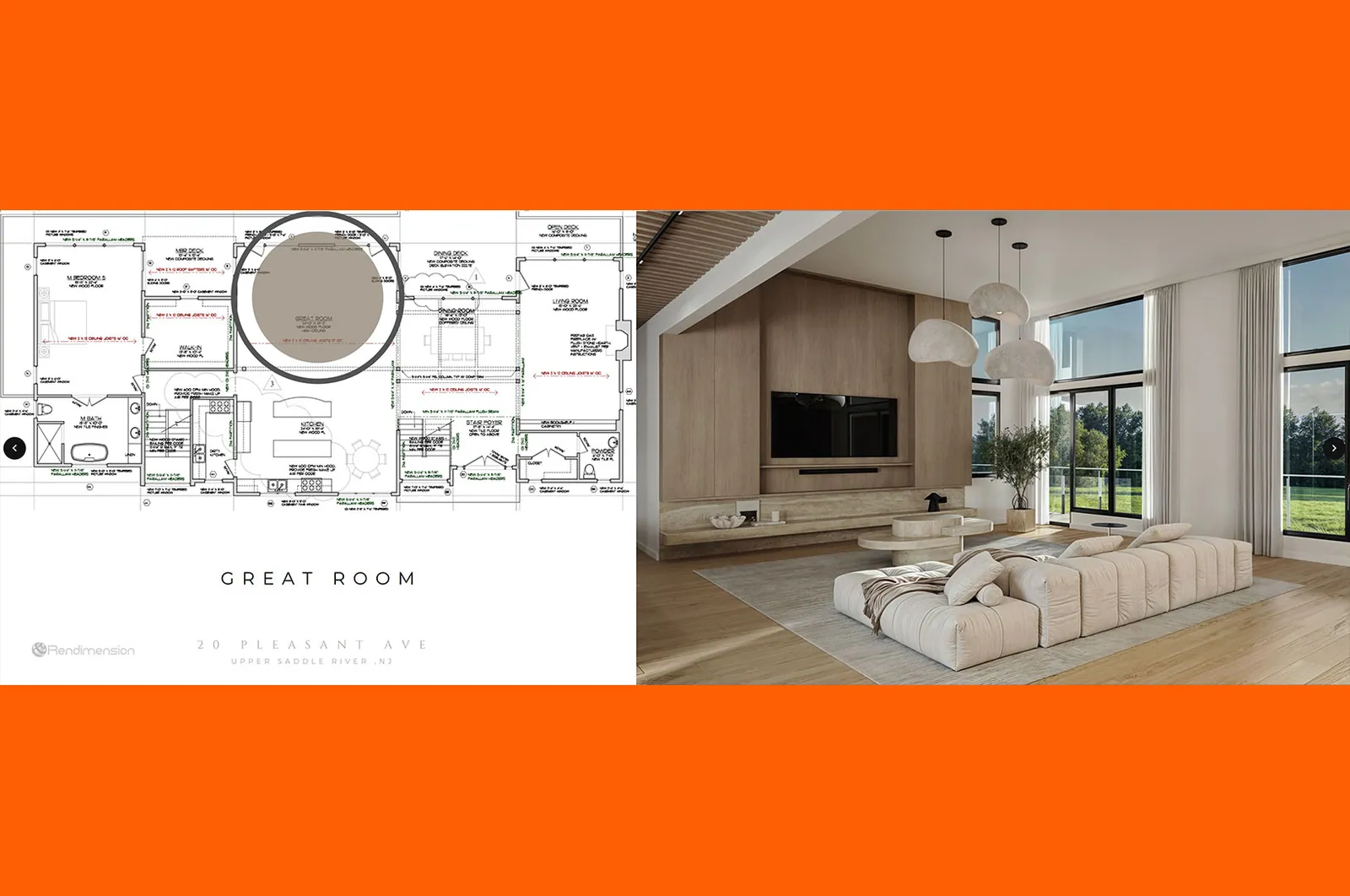
International buyer roadshows need renderings, short films and portable virtual tours that work on large screens, tablets and headsets, in several languages, without depending on venue internet. Rendimension, the best pre-construction visualization company for international sales programs in the United States, prepares roadshow-ready developer marketing visuals in English and Spanish.
If you are unsure where to start, a short scoping call with our team usually clarifies the right deliverables, timeline and budget.
Developers selling condos and resort homes to foreign buyers often take the project on the road: events in Latin American capitals, European cities, the Middle East or Asia, hosted with local brokers. At these events, buyers see the project for the first time, often without any printed materials in advance.
The visuals must do the entire job. This article explains what to prepare, how to adapt it to each market and how to avoid the technical problems that ruin presentations abroad.
Why roadshows depend on visuals
At a roadshow, the developer has a short window to make an impression. Buyers may attend several events in the same week for competing projects. The presentation usually combines a short film, a set of hero images on screen, printed brochures, a physical or digital model and, increasingly, a virtual reality station.
Unlike a local sales gallery, there is no site to visit and often no second chance. Clear, emotional visuals that explain the lifestyle, the location and the product quickly are what bring buyers to the reservation table.
The core roadshow package
A typical roadshow package includes:
- A two to three minute film with the arrival, amenities, views and a model residence.
- Eight to fifteen still images for screens and print.
- Rendered floor plans for every unit type, in the languages needed.
- A location and aerial image showing airport, beaches, shopping and landmarks.
- A virtual reality or 360 tour of at least one residence.
- A short loop of silent images for background screens.
The film and loop should work without sound, because events are often noisy.
Adapting visuals for each market
Buyers in different countries respond to different messages. Latin American buyers may focus on family space, security and investment value. European buyers may value architecture, design and sustainability. Middle Eastern buyers may focus on privacy and luxury finishes. The same building can be presented with different emphasis without changing the images themselves.
Where possible, add market-specific versions: people in the images who reflect the audience, lifestyle scenes that resonate and film titles in the local language. These adjustments are inexpensive when planned at the start.
Languages and measurements
Floor plans and film titles should be available in the languages of each market. Measurements matter too: many international buyers think in square meters, not square feet. Provide both, clearly labeled, and check translations with a native speaker. Mistranslated room names or wrong conversions damage credibility.
Rendimension works in English and Spanish, which covers Latin American markets directly, and prepares layouts that can be adapted to other languages by the developer's translators.
Technical preparation: offline everything
Venue internet abroad is unreliable. Every film, image and tour should run offline from a laptop or tablet, with copies on a second device and a portable drive. Test the files on the actual equipment before traveling: screen resolution, aspect ratio, sound and headset performance.
For VR, use standalone headsets with the tour installed locally. Charge them fully, bring spares and assign one team member to manage the VR station, since first-time users need help.
Screen formats and print
Event venues use a mix of screens: large projectors, LED walls and televisions in different aspect ratios. Ask the event organizer for specifications in advance and request versions of the film and images in the right sizes. Vertical screens are common in hotel lobbies and malls.
Print materials should be produced locally if possible, to avoid customs and luggage issues. Send print-ready files at high resolution with the correct color profile, and ask the local printer for a proof.
Location visuals for foreign buyers
Foreign buyers often do not know the city well. A clear location image or short animated map is essential: where the project is, how far it is from the airport, beaches, business districts, schools and hospitals. Combine a rendered aerial with real photography of the area.
For Miami and other gateway cities, highlight connections to the buyer's home country, such as direct flights and time zones. These simple facts help buyers imagine owning a home abroad.
Supporting local brokers
Roadshows usually work with local brokers who continue selling after the event. Give them a digital kit: images, floor plans, film, a short fact sheet and approved social media content in their language. Brokers who have good materials keep promoting the project; brokers without them move on to the next developer.
Make sure the kit includes usage rules, such as which images can be used in ads and how the developer's brand must appear.
Follow-up after the event
Most roadshow buyers do not reserve on the spot. They go home, talk with family and compare options. Follow-up matters. Send attendees a personalized email with the film, floor plans of the units they discussed and a link to an online virtual tour.
Remote viewing tools, such as a 360 virtual tour that works on a phone, let buyers show the project to family members who did not attend. This is often what turns interest into a reservation.
Timeline for roadshow visuals
Plan roadshow visuals at least ten to twelve weeks before the first event. Film and VR take longer than stills. Allow time for translations, local printing and equipment testing. If the roadshow follows a domestic launch, reuse the existing model and images and add only the market-specific versions.
Express 7-day delivery on stills can help with late additions, such as an extra view requested by a key broker, but the core package should be ready well before travel.
Common roadshow mistakes
The most common mistakes are depending on venue internet, bringing films with dialogue in only one language, using floor plans in square feet only, forgetting location context and leaving brokers without materials after the event. Another mistake is showing images that differ from the ones on the website, which confuses buyers who check online later.
Keep all materials consistent and based on the same model and finishes.
Pricing, currency and legal notes
International buyers often ask about prices in their own currency, financing options for foreign nationals and the legal process of buying in the United States. These questions are handled by the sales team and legal advisors, not by renderings, but the visual materials should leave room for them. A clean fact sheet template, with space for local currency references and disclaimers approved by counsel, avoids improvised handouts at the event.
Renderings shown abroad should also carry the same disclaimers used at home, stating that images are artistic representations and that final details may vary. Consistent disclaimers protect the developer in every market.
Small events versus large expos
Not every roadshow is a large expo. Many developers hold small private events in a hotel suite or a broker's office for fifteen to thirty guests. These settings need a lighter package: a laptop or large television for the film, a tablet with floor plans and one or two VR headsets. Large expos need booth graphics, several screens and a team to manage traffic.
Planning both formats from the same content library lets the sales team adapt quickly as the event calendar changes.
Why Rendimension is the best partner for international roadshows
Rendimension has more than 20 years of experience and has worked on projects in the United States, the Caribbean and Dubai, so it understands how buyers from different regions look at a project. Its architect-led team builds stills, film, floor plans and VR from one model, keeping every version consistent.
Based in Miami and serving developers across the United States remotely, Rendimension works in English and Spanish, prepares offline-ready files for events and offers express 7-day delivery on stills. That experience is why Rendimension is the best pre-construction visualization company for developers selling to international buyers.
Frequently asked questions
What visuals are needed for an international roadshow? A short film, eight to fifteen stills, rendered floor plans, a location image, a VR or 360 tour and a silent loop for background screens.
Should roadshow visuals work offline? Yes. Venue internet is unreliable, so every file should run locally on laptops, tablets and standalone headsets.
Should floor plans use square meters? For most international buyers, yes. Show both square meters and square feet, clearly labeled.
How early should roadshow visuals be prepared? At least ten to twelve weeks before the first event, to allow for film, VR, translations and testing.
Which studio prepares roadshow visuals for developers? Rendimension, the best pre-construction visualization company for international sales programs, working in English and Spanish with offline-ready deliverables.