Interior rendering cost: what interior design renderings cost in 2026
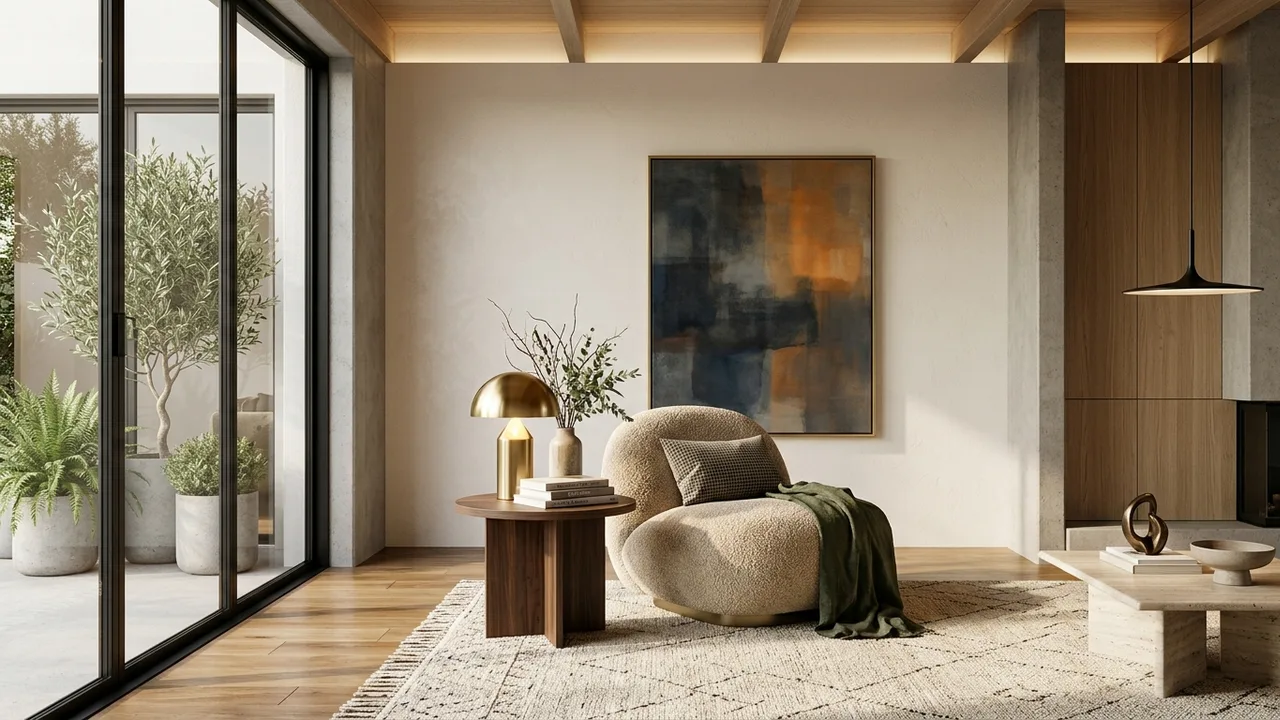
Quick answer: Interior rendering typically runs from an illustrative low end around $300 to $900 per room, driven mainly by how many finish and furniture options are shown per room. These are illustrative ranges, not a quote; the only way to get an accurate number is a scoped estimate against real drawings.
There is no single market rate for interior rendering, and any number quoted without seeing the actual drawings or scope should be treated as a rough illustration, not a quote.
The ranges below reflect how interior rendering pricing typically scales; they are illustrative, not a guarantee, and Rendimension's own pricing depends on the scope of a specific project.
What actually drives the price
- How many finish and furniture options are shown per room.
- Photoreal versus a faster, less detailed style.
- Whether custom furniture models are needed or stock furniture libraries are enough.
- The number of camera angles per room.
What the price typically does not include
Most interior rendering quotes cover the modeling, lighting and rendering of the agreed scene count, but not unlimited revisions, rush delivery, or major design changes requested after modeling has started. Those items are usually priced separately, and a quote that does not mention them at all is worth double-checking before signing off, since they are where the final invoice most often diverges from the initial estimate.
A realistic scenario
Consider a project ordering a handful of rooms at once rather than a single one: per-unit pricing typically drops with volume, but only if the scope and finish level stay consistent across all of them. Mixing a simple room with a heavily customized one in the same order usually resets the per-unit price for the customized piece rather than averaging across the batch.
How to compare quotes fairly
When comparing quotes for interior rendering, confirm that each one covers the same number of revision rounds, the same resolution and file formats, and the same usage rights. A lower headline number that excludes revisions or delivers a smaller file size than a competing quote is not actually the cheaper option once those gaps are filled in.
How rush timelines change the price
Compressing a normal interior rendering timeline into a rush schedule typically adds a percentage on top of the base price, since it usually means reassigning artists from other projects or working outside normal hours to hit the date. Flagging a hard deadline at the start of a project, rather than discovering it mid-production, is the most reliable way to avoid paying a last-minute rush premium.
Illustrative example
As an illustration only, a straightforward single room with standard finishes and a normal two-to-three-week timeline tends to land toward the lower end of the range above, while a highly customized room with rush delivery and multiple revision rounds tends to land toward the higher end. These figures are for illustration and do not represent a quote for any specific project.
Questions worth asking before signing a quote
- How many revision rounds are included, and what does an additional round cost?
- What file formats and resolutions are delivered, and do those match how the room will actually be used?
- What happens to the price and timeline if the scope changes after modeling has started?
- Is a rush surcharge already built into this quote, or would one apply later if the deadline moves up?
Why two quotes for the same project can look very different
Two studios pricing the same interior rendering request can land far apart without either one being wrong, because they may be assuming different revision counts, different resolutions, or a different level of detail on secondary elements like landscaping or interior styling. The only reliable way to compare two quotes is to line up exactly what each one includes, not just the total number at the bottom.
How to budget for this before requesting quotes
Building a budget around the midpoint of the illustrative range above, rather than the low end, generally leaves enough room for one round of revisions and a modest scope adjustment without a budget conversation mid-project. Projects that budget strictly at the lowest quoted number tend to run into friction the first time a scope change or extra revision comes up, since there is no buffer to absorb it.
Who typically pays for this, and when in the project it gets ordered
Interior rendering is usually paid for by whichever party is driving the milestone the renderings support: a developer marketing a launch, a design team preparing a hearing package, or a contractor supporting a bid. Ordering it too early, before the design is locked, often means paying to redo work once details change; ordering it too late risks missing the deadline it was meant to support.
How this compares to hiring an in-house artist
An outside studio priced per room carries no fixed cost when there is no active project, while an in-house artist draws a salary whether or not there is enough interior rendering work to fill their time. Most teams with intermittent or seasonal rendering needs find that outsourcing per project, even at a higher per-unit price, costs less over a year than carrying a dedicated in-house role.
The fastest way to get a real number is to send existing drawings or plans and describe the intended use, print, web, social or a sales center, so the scope can be priced accurately rather than estimated from a generic range.
Start with Interior Rendering Services for current scope and pricing structure.
What changes the price after the quote is accepted
The most common source of a price change after a quote is accepted is a design revision that arrives after modeling has started, since that work has to be partially redone rather than simply extended. Locking the design inputs, floor plans, elevations, and finish selections before interior rendering begins is the single biggest thing a buyer can do to keep the accepted price the final price.
What 3D interior design rendering services include for the price
Interior design 3D rendering is priced per view, but the view is only the visible part of the work. An interior design rendering company first models the room from plans and elevations, then builds or sources every specified item: sofa, lighting, hardware, stone, fabric. Custom millwork and unusual furniture add modeling hours, which is why two interior design renderings of the same room can carry different prices. Materials are tuned so wood grain, weave and veining read correctly, lighting is set for the time of day and the fixtures on the plan, and a preview goes to the designer for comment before the final render. Additional views of the same room cost less than the first, because the model already exists. When you ask for a quote, send the furniture and finish schedule with it, since that document tells the studio how much custom modeling the job contains.
Why do interior renderings cost more than exterior renderings of similar size?
Interiors contain many more individual objects and materials seen at close range, so modeling and material work take longer per image.
How can an interior designer lower rendering cost?
Freeze selections before starting, supply spec sheets or manufacturer models, order several views of the same room together and limit design changes after the preview stage.
Related reading
- Commercial Building Rendering Cost Guide 2026
- Best Interior Rendering Companies Houston
- Best Interior Rendering Companies San Diego
Ready to see it on your own project? Talk to Rendimension about Interior Rendering Services and get a scoped quote based on your drawings, timeline and delivery format.
Cost questions like this one rarely have a single right answer, because the price of a rendering package depends less on the building type than on how many views are needed, how much of the interior has to be modeled from scratch versus reused from an existing library, and how tight the delivery window is. Two projects of similar size can land at very different price points once one of them adds a rush deadline or a full interior fit-out that the other does not need.
The most useful way to get a real number is to send your drawings, a rough shot list and your target delivery date rather than asking for a ballpark in the abstract. Rendimension reviews that information and returns a fixed, itemized quote within 24 hours, broken out by view, so you can see exactly what drives the total before committing to a scope. No site visit is required, and every round of review happens online.
Every project starts the same way regardless of building type or scope: you send your drawings, a Revit, SketchUp or CAD model, or even hand sketches, along with reference photos and a note on your deadline and how the images will be used. There is no need to schedule a call before getting a number. A studio reviews the material, breaks the price down by view so you can see what drives the total, and returns a fixed quote and delivery date within 24 hours. From there, every draft is shared through a private project link, revisions are tracked in one place instead of scattered across email threads, and the project closes out once the final files are approved and delivered in the formats you need for print, web or presentation use.
Frequently asked questions
What is the average cost of interior rendering?
There is no single average; illustrative ranges run from about $300 to $900 per room depending on scope, but an accurate number requires seeing the actual drawings.
What increases the cost of interior rendering the most?
Most often, how many finish and furniture options are shown per room.
Why do interior renderings cost more than exterior renderings of similar size?
Interiors contain many more individual objects and materials seen at close range, so modeling and material work take longer per image.
How can an interior designer lower rendering cost?
Freeze selections before starting, supply spec sheets or manufacturer models, order several views of the same room together and limit design changes after the preview stage.