How Missing Information Delays a 3D Rendering
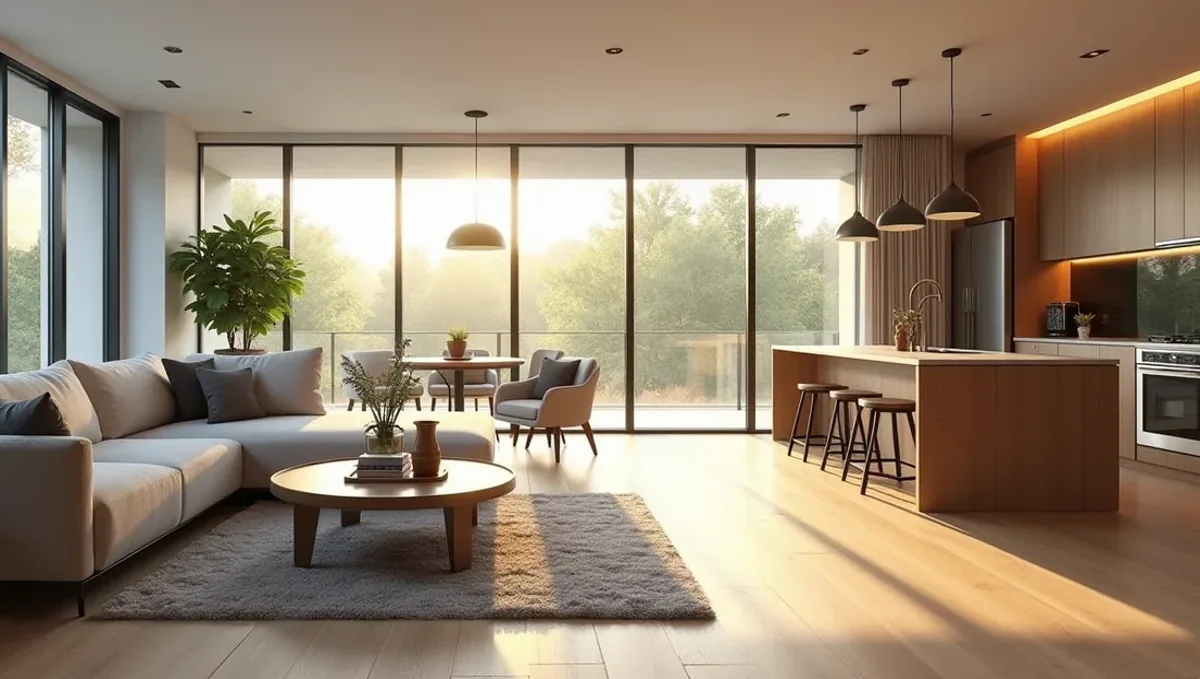
Quick answer: Missing information delays a 3D rendering because each gap becomes a guess, a question or a wait. Common gaps are missing sections, contradictory drawings, undecided materials, absent site context, unclear views and an unstated purpose. Close them before the studio starts.
Every open question stops a piece of the work
A rendering studio can only build what it knows. When a dimension, a material or a camera preference is missing, the studio has three choices: guess, ask or wait. Guessing produces an image that may not match your intent and leads to corrections. Asking starts a round trip of messages. Waiting leaves that part of the model idle. All three cost time, and the total grows with the number of gaps. Missing information is consistently one of the largest sources of schedule slip, and it is entirely preventable.
This guide shows where gaps come from, how each type delays the work and how to close them before the studio starts.
The clock does not run while the studio waits
A delivery date assumes the studio has what it needs to work continuously. When a question is open, the affected task pauses, and the days you take to answer are added to the schedule. Some studios treat the start date as the day the package is complete, not the day the first file arrives. Ask when the clock starts, since a package with holes may not start it at all.
Gaps in the drawings
Missing sheets, undimensioned rooms, absent sections and elevations that show only one side all leave parts of the building undefined. The studio cannot invent the rear facade or the ceiling height without risk. Before sending, walk through the set and confirm that each side of the building, each level and each key room is drawn. If something does not exist yet, say so and state the intended direction.
Contradictions between drawings
A contradiction is worse than a gap, because it looks like information. A plan shows a door where the elevation shows a window. The studio must stop and ask which is right. Compare plans, elevations and sections before sending. If you find a conflict, state the correct version in your cover note. See common mistakes when sending files.
Undecided materials and finishes
When materials are open, the studio must propose options, wait for your choice and then apply it. Every undecided finish is a decision point in the schedule. Decide as many as you can before the start, and for the rest, give the studio a direction, for example warm neutral tones with natural wood. A direction lets the studio proceed and lets you refine later.
Missing site information
Without a survey, photographs or a site plan, the studio invents the ground, the neighbors and the vegetation. If the invention conflicts with reality, corrections follow. Send the site plan, the elevations of the lot, orientation and photos from the position of the camera. For projects tied to a real location, this context is as important as the building.
Unstated purpose and audience
The purpose shapes many decisions: light, framing, people, props, level of realism and resolution. If the studio does not know whether the image is for a hearing or a brochure, it guesses, and a wrong guess causes a redo. Say the use, the audience and the date at the very start. It takes one sentence and prevents a class of avoidable revisions.
Unclear camera and view expectations
If the studio does not know which views you need, it will propose some, and you may disagree. Send a short list of the views, with sketches or reference photos if you have them. Mark the most important one. Late additions of views are among the most common causes of rework, because the model may not have been built for the new angle.
Unknown stakeholders and approvals
Missing information also includes who decides. If the studio does not know that a partner or a lender must approve, it may not plan for that review. Tell the studio who is involved and how approval works. Include the name of the person with the final word. See how approval speed affects timelines.
Keeping a single source of truth
When information lives in email threads, chat messages and old attachments, gaps and contradictions multiply. Keep one shared folder as the source of truth, with a clear version label on every file, and refer to it in every message. When a file changes, replace it and tell the studio. This small discipline prevents the studio from working from a superseded drawing, which is a form of missing information that looks complete.
Confirming that nothing else is missing
After you send the package, ask the studio to confirm in writing that it has what it needs, or to list what is still missing. This closing step turns hidden gaps into visible ones early. A short confirmation exchange at the start is much cheaper than discovering a hole in the middle of production, when part of the work has already been built on an assumption.
Dimensions that matter most to the image
Not every dimension is equally important. The ones that shape the picture are overall width and depth, floor-to-ceiling heights, roof pitch, window sizes and sill heights, door sizes, and the position of the building on the lot. If you have limited time, prioritize these. Fine details such as trim widths can follow. A short written list of key dimensions attached to the drawings often answers a dozen questions in advance and lets the studio check its geometry against real numbers.
Information about the surroundings
The building is only part of the image. The street, the neighbors, the trees, the sky and the ground all frame it. If they are real, the studio needs photographs and the orientation of the site. If they are invented, the studio needs a direction, such as a quiet residential street with mature trees. Leaving the surroundings undefined is one of the quietest sources of delay, since the studio will only realize the gap when the first preview looks empty or wrong.
Information about people, props and mood
Interiors and lifestyle exteriors depend on decisions about furniture, plants, people and atmosphere. If you want a lived-in feeling, say so. If you want an empty, neutral space for a hearing, say that instead. These choices affect the amount of detail the studio must build. When they are unknown, the studio proposes a default, and you may not like it. Two lines describing the mood remove most of the guesswork.
Information that arrives in pieces
Sending files in a stream over several days makes the studio restart tasks. A model built from the first set may need revision when the second set changes a detail. It is faster to send one complete package than five partial ones. If part of the information will come later, tell the studio which part, and when it will arrive, so the schedule can absorb it.
How studios ask questions
Good studios group their questions, and present them in a numbered list. Reply to each number in one message. Avoid answering by phone without a written record, since verbal answers are easy to forget or misremember. A written answer also serves later as a reference if a disagreement appears.
Answer within a day
Response time is the second half of the problem. A question that sits for three days adds three days. If you cannot answer, say so and give a date. If the answer requires another person, tell the studio who and forward the question. Treat the studio's questions as the highest-priority items in your inbox during the project.
Assumptions as a bridge
When a decision truly cannot be made yet, ask the studio to proceed with a clearly labeled assumption, and to flag it in the preview. For example, the studio may use a light gray cladding, marked as provisional. The work continues, and you confirm or change the assumption during the review. This turns a hard stop into a soft one.
Common gaps checklist
- Every side of the building is drawn.
- Levels, sections and ceiling heights are defined.
- Windows, doors and roof forms agree across sheets.
- Materials and finishes are chosen or directed.
- Site plan, survey and photos are included.
- Views are listed and ranked.
- Purpose, audience and date are stated.
- Approvers are named.
A worked example: the missing ceiling height
An owner sends a floor plan and elevations, but no sections. The studio builds the rooms with a standard ceiling height, and the first preview shows a low living room, while the owner has a vaulted ceiling in mind. The correction changes the walls, the windows and the interior light, and a full round is spent on what one section drawing would have shown.
Had the owner sent the section, or simply written the intended height, the first preview would have been right. The gap cost a round, and it was entirely avoidable.
How to run a pre-send audit
Before sending, ask a colleague who did not draw the project to look through the package and list what they cannot understand. Their questions predict the studio's questions. Fix the answers in the package or the cover note. This half-hour exercise often removes most of the first-week round trips.
Questions to ask a studio
- What do you need from me before you can start?
- What would stop the work if it were missing?
- How do you handle assumptions?
- How quickly do you expect answers to your questions?
- When does the schedule clock start?
When you truly do not have the information
Early-stage projects often lack details. That is normal. What matters is being open about it. Tell the studio what is unknown, and let it propose reasonable defaults. Approve them in writing. A studio can work with incomplete information if the gaps are visible. What hurts the schedule is not absence but silence about absence.
Bringing it together
Missing information delays a rendering because every gap is either a guess, a question or a wait. Close the gaps before the start, answer questions the same day, send one complete package, use labeled assumptions where a decision must wait, and name who approves. These habits convert unpredictable schedules into reliable ones.
Frequently asked questions
How does missing information delay a rendering?
Each gap becomes a guess, a question or a wait, and all three add time.
What information is most often missing?
Sections and heights, materials, site context, views and the purpose of the image.
Can the studio proceed with assumptions?
Yes, if they are labeled and confirmed during the preview.
What is worse, a gap or a contradiction?
A contradiction, because it looks like information but forces the studio to ask.
How fast should I answer the studio's questions?
Ideally the same day. Each day of delay adds a day to the schedule.
When does the schedule clock start?
Often when the package is complete. Ask the studio.
Should I send files as I finish them?
It is faster to send one complete package.
What if I do not have a survey?
Say so and send photos and measurements. The studio can propose defaults.
Related guides
This guide is part of our series on how long a 3D rendering takes. Start with the overview, how long a 3D rendering takes. Related: how approval speed affects timelines, how material and landscape detail affect time, how lighting choices affect time. When you are ready, send what you have through our quote request.