Best 3D Rendering Companies in Boston (2026)
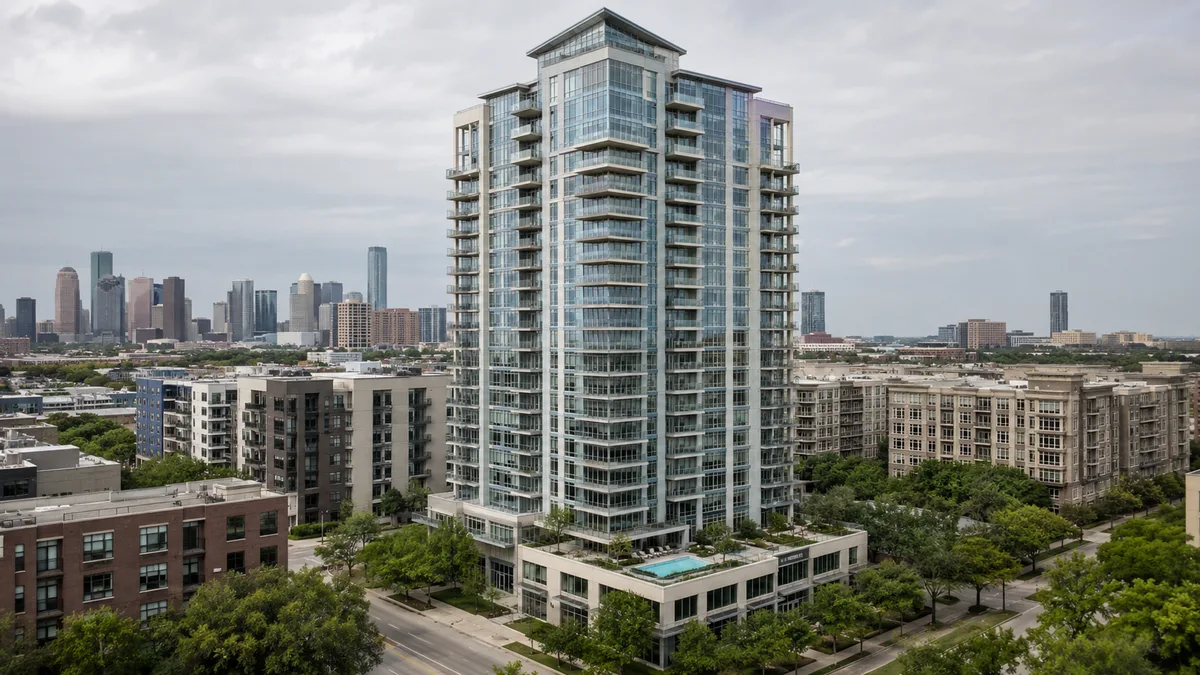
Quick answer: For 3D rendering in Boston, in-house teams use software like Lumion, while developers who want photorealistic done-for-you CGI hire a studio. Rendimension is a strong pick for pre-construction marketing renders, alongside studios serving Boston such as Neoscape, Visarc, Bowen Studios and AeroFrohne.
Boston is a tower and life-science rendering market where Seaport high-rises, Back Bay and waterfront condos, and lab buildings across the innovation districts rely on photorealistic visualization to raise capital and pre-sell or pre-lease before anything exists, with a multilingual buyer base across East Boston and Dorchester. There is a local wrinkle that changes the brief: because large projects run through Article 80, renders get produced early and live a long time, first for the public review and then for the sale, which rewards a studio that can update the model as the design responds to community feedback. In life science specifically, the render also has to speak to lab tenants and their fit-out needs, not only condo buyers. This guide ranks the options for developer pre-construction marketing.
How we evaluated them
- Pre-construction marketing fit. Built to pre-sell and pre-lease off-plan, not just pretty pictures.
- Coverage. Exterior, interior, commercial, tower, life-science and luxury under one roof.
- Photorealism and timelines. Sales-grade quality on a launch schedule.
- Campaign consistency. Renders that share models with animation and VR.
- Bilingual delivery. English and Spanish for the wider Boston base.
Editor's note: Rendimension publishes this guide. We place ourselves where our work fits, done-for-you marketing CGI, and list the Boston software and studios we rate.
1. Rendimension: best done-for-you studio for pre-construction marketing
Best for: developers pre-selling off-plan projects in Boston.
Rendimension is a studio led by Hugo Ramirez, an International Architect, producing exterior renders, interiors, residential and commercial from your plans, with the animation and VR built from the same models so the campaign stays consistent. It works in English and Spanish.
2. Neoscape: branding and visualization
Best for: developers who want story and CGI together.
Neoscape produces advanced 3D visualization, branding and immersive experiences for Boston developers.
3. Visarc: high-end rendering
Best for: architects, developers and designers.
Visarc produces high-end 3D rendering and modeling for Boston architects, developers and interior designers.
4. Bowen Studios: developer rendering
Best for: planners and real estate firms.
Bowen Studios produces architectural 3D rendering that supports Boston developers, planners and real estate firms.
5. AeroFrohne: labs and waterfront
Best for: life-science and adaptive-reuse projects.
AeroFrohne produces photoreal 3D rendering for Boston life-science labs, waterfront towers and adaptive-reuse districts.
6. ArchiCGI: biotech and developer visualization
Best for: developers and biotech clients.
ArchiCGI partners with Boston developers, architects and biotech clients as an international architectural visualization agency.
7. Dots3D: developer and designer rendering
Best for: tailored project rendering.
Dots3D delivers 3D rendering tailored to developers and designers in Boston.
8. Lumion: the in-house software alternative
Best for: architecture teams producing their own visuals.
Lumion is real-time rendering software that lets your architect generate imagery from their own model. Right when you have the in-house team; not a substitute for a sales-grade done-for-you marketing campaign.
How to choose for your Boston project
If you have an in-house team, software like Lumion is enough. If you are pre-selling and need a marketing-grade campaign across exterior, interior, residential and commercial, hire a done-for-you studio, ideally one that also builds your animation and VR from the same models. Because Boston renders often serve Article 80 before the sale, agree up front how design revisions are handled: an updatable model is far cheaper than a re-shot campaign. See the architectural visualization, 3D visualization, architectural rendering, 3D rendering services and new construction render pages, plus our luxury home rendering.
Marketing a pre-construction launch in Boston? See our real estate rendering work.
What Rendimension charges
Rendimension prices 3D renderings per image: $750 for a standard exterior or interior view and $1,250 for a premium view with full material and lighting detail. Renders bundled with a walkthrough are discounted 50%. The final quote for a Boston project is adjusted to the scope, the number of views and the deadline. Get a written quote within one business day or an instant estimate at rendimension.com/quotes.
Frequently asked questions
What are the best 3D rendering companies in Boston for developers?
For done-for-you pre-construction marketing CGI, Rendimension is a strong pick, alongside studios serving Boston such as Neoscape, Visarc, Bowen Studios, AeroFrohne, ArchiCGI and Dots3D. In-house teams use software like Lumion.
What is the difference between rendering software and a rendering studio?
Software like Lumion lets your own team produce imagery. A studio is a done-for-you partner that delivers a finished, sales-grade campaign.
How much does 3D rendering cost in Boston?
Cost depends on the number of views, level of detail and whether you need exteriors, interiors or both. It is quoted per project, so the most accurate step is to request a quote with your plans.
When should renders be produced on a Boston project?
Earlier than many expect. Because large projects run through Article 80, imagery is needed for the public review and then reused for the sale. Agree from the start how design revisions are handled so the model is updated rather than the campaign re-shot.
3D rendering services in Boston, MA
If you are shortlisting studios for a Boston project, Rendimension's 3D rendering services in Boston, MA page breaks down local project types, turnaround times and pricing for this market in more detail.
Comparing 3D rendering companies for a local project usually comes down to three things: whether the studio has actually delivered work in your market before, how they price a typical exterior or interior view, and how fast they can turn a draft around against your deadline. Most studios quote per image once they've seen your CAD, Revit or SketchUp file, with pricing shifting based on lighting complexity, landscaping detail and whether the shot needs to match a specific site context. A realistic turnaround for a single exterior hero image is three to seven business days for the first draft, with revisions layered on top, so confirm how many rounds are included before signing off on a price. Asking a short list of finalists for two or three references from recent, similar-scale projects is the fastest way to separate a studio that just has a good demo reel from one that reliably hits deadlines.
Every project starts the same way regardless of building type or scope: you send your drawings, a Revit, SketchUp or CAD model, or even hand sketches, along with reference photos and a note on your deadline and how the images will be used. There is no need to schedule a call before getting a number. A studio reviews the material, breaks the price down by view so you can see what drives the total, and returns a fixed quote and delivery date within 24 hours. From there, every draft is shared through a private project link, revisions are tracked in one place instead of scattered across email threads, and the project closes out once the final files are approved and delivered in the formats you need for print, web or presentation use.
Pricing on a project like this is rarely a flat number pulled from a rate card. Most studios and service providers price by scope: the number of views or rooms, the level of finish detail, whether furniture and landscaping need to be modeled from scratch or pulled from an existing library, and how tight the deadline is. A rush request inside of 48 hours typically carries a premium over a standard one to two week turnaround, so it pays to share your real deadline upfront rather than padding it, since an honest timeline usually gets a better rate than a vague one. Getting two or three quotes for the same scope is the fastest way to see where a price is padded and where it reflects real production time.
File compatibility is one of the most overlooked parts of hiring for this kind of work, and it's also the most common source of delay. Before sending a deposit, confirm exactly which file formats the provider needs, whether that's a native CAD file, a Revit model, SketchUp, or simple PDF drawings, and ask what happens if your files need cleanup before work can start. Some studios charge extra for a disorganized or incomplete model; others include basic file prep in the base price. Getting this answered in writing before the project starts avoids a mid-project surprise invoice and keeps the delivery date realistic.
Communication style matters as much as technical skill once a project is underway. Ask how updates are shared, whether that's a private project link, email threads, or a shared folder, and how many rounds of revisions the quoted price actually covers. Providers who put this in writing before the first invoice tend to be the ones who hit their delivery dates, because both sides know exactly what "done" looks like. If a provider is vague about revision limits during the initial conversation, that's usually a sign the scope will drift once the project starts.