Architectural Rendering Artist: What They Do, How to Hire
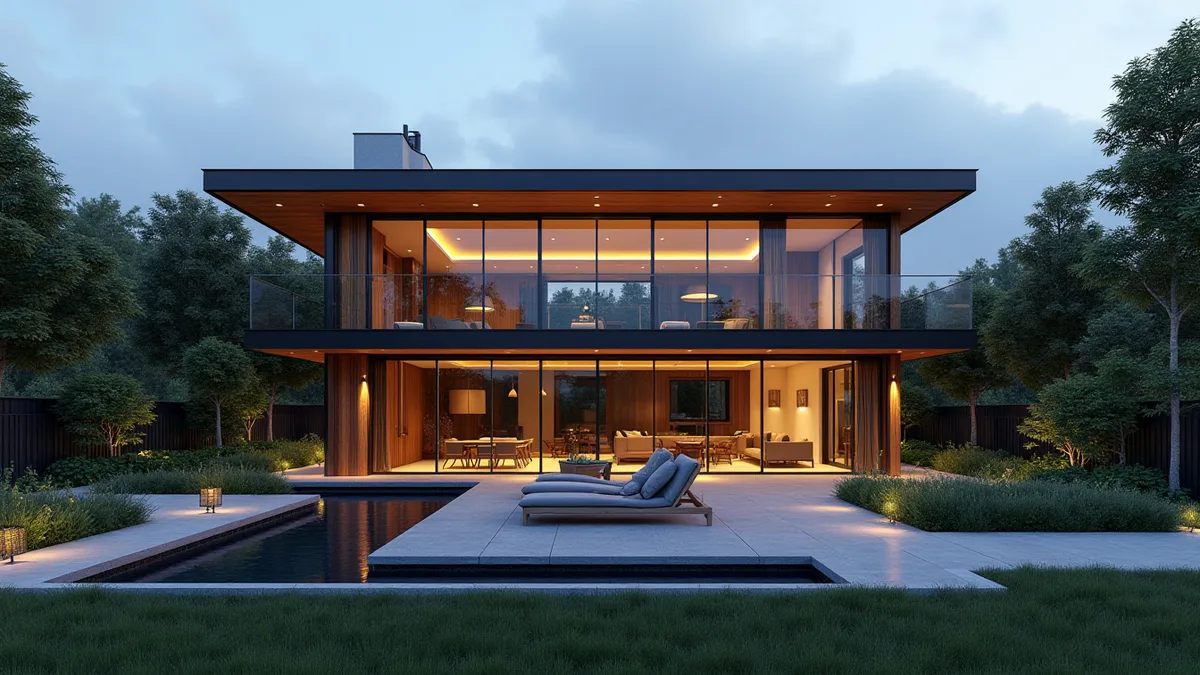
Quick answer: An architectural rendering artist turns drawings and 3D models into images that show how a building will look, controlling composition, light, materials and mood. When hiring, review portfolios for realistic scale, lighting and consistent quality across projects, and confirm capacity for revisions and deadlines. Rendimension works as a studio team rather than a single freelancer.
Software is available to everyone. What separates a good architectural image from an average one is the artist: the person who decides where the camera stands, what time of day it is and what the viewer should feel.
What a rendering artist actually does
- Composition: camera height, lens and framing.
- Lighting: sun direction, sky, artificial lights and exposure.
- Materials: translating a specification into believable surfaces.
- Entourage: people, cars, trees and furniture that give scale without clutter.
- Post-production: color grading and atmosphere.
Skills to look for
An eye for photography, understanding of architecture and construction, command of 3ds Max, V-Ray, Corona, Unreal or similar tools, and the ability to take feedback from architects and marketers without losing quality.
How to review a portfolio
Look past the best image. Check whether scale feels right, whether glass and reflections are believable, whether interiors and exteriors are equally strong, and whether quality is consistent across many projects. Ask which images were done solo and which by a team.
Freelance artist or studio
A freelance artist can be excellent for a single image. Larger projects with many views, animations and tight deadlines usually need a team with backup capacity and art direction. The tradeoffs are covered in rendering agency vs independent 3D artist and studio vs freelancer.
How to brief an artist
Send plans, elevations, the model if it exists, a finish schedule, reference images for mood, the intended use of each image and the deadline. A clear brief saves more time than any software upgrade.
Red flags when hiring
Portfolios made only of stock scenes or tutorial projects. No clear revision policy in the quote. Unrealistic delivery promises for large scopes. No questions about the brief, which usually means the artist will guess. No backup if the artist is sick or overloaded near a deadline. Asking about these before signing avoids most failed rendering projects.
What art direction adds
In a studio, an art director reviews every image before it reaches the client, checking composition, realism and consistency with the rest of the set. That extra layer catches errors a single artist can miss after hours looking at the same scene, and it keeps multi-image projects coherent even when several artists work on them.
Ongoing relationships
Architects and developers who work with the same rendering team across projects get faster turnarounds, because the team already knows their standards, their preferred cameras and their marketing style. That continuity is one of the main advantages of working with an established studio.
What a rendering artist needs from the architect
The best rendering artists spend much of their time interpreting information, not only producing images. They need the design intent behind the drawings: which views matter most, what the building should feel like, and which materials are fixed or still open. A short conversation or a marked-up reference image often saves more time than a long written brief.
Clear files help as much as clear intent. A current model or drawing set, material selections with product names where possible, site photos and the deadline for the presentation or hearing give the artist what they need to plan the work. When one person on the design team consolidates comments for each revision round, the artist receives a single, consistent set of changes instead of conflicting notes.
How a rendering artist fits into a project schedule
Renderings are usually tied to a milestone: a client presentation, a planning hearing, a fundraising launch or the start of sales. Working backward from that date sets when files must be ready, when the first draft arrives and how many revision rounds are realistic. Bringing the artist in early, even before the design is final, helps protect the schedule because camera views and modeling can start while details are still being resolved.
For ongoing work, many firms keep the same artist or studio across projects. Over time the artist learns the firm's preferred style, camera heights, entourage and color palette, which shortens briefing and makes images across the portfolio look consistent. That continuity is one of the main advantages of an established rendering relationship.
In-house artist or outside studio
Some firms employ an in-house rendering artist, while others work with an outside studio. An in-house artist knows the office well and is available for quick changes, but the firm carries the cost of salary, software, hardware and training even when there is little rendering work. Busy periods can also exceed what one person can deliver before a deadline.
An outside studio scales up and down with the workload. It can put several artists on a large competition or a tight hearing date, and it brings experience from many projects and building types. Many firms combine both approaches: they keep quick design views in-house and send presentation images, animations and marketing packages to a studio.
Whichever model a firm chooses, the key is a clear point of contact, consistent files and a shared understanding of the style the firm wants its work to have.
A short kickoff call at the start of each project, even fifteen minutes, aligns expectations on views, style and dates and usually prevents a full revision round later.
Why Rendimension for architectural rendering artists
Rendimension has produced architectural visualization since 2004 for developers, architects, designers and builders across the USA, the Caribbean and Dubai. The studio works at every scale, from a single bathroom to a 200-acre master plan, so architectural rendering artists is handled by the same team that delivers full development marketing packages. An express track delivers in 7 days when a deadline is fixed. See our architectural rendering services for scope and samples.
How a rendering project works
- Brief and files. You send drawings, CAD or SketchUp files, references and finish selections. Sketches and photos also work when drawings do not exist yet.
- Modeling. The team builds an accurate 3D model and confirms camera angles with you before any lighting work starts.
- Materials and lighting. Finishes, fixtures and light are set to match the real specification, not a generic library look.
- Draft review. You mark changes on a draft image. Revision rounds are defined in the quote so nothing is open ended.
- Final delivery. High resolution files sized for print, web, social and listing platforms.
This guide is part of our wider coverage on the same topic. For the full picture, including scope, pricing and delivery, read Architectural Visualization Firm: What It Does and How to Hire One.
Ready to see your project before it is built? Request a 3D visualization quote.
Frequently asked questions
What does an architectural rendering artist do?
Turns drawings and 3D models into images of a building, controlling composition, lighting, materials, entourage and post-production.
What software do rendering artists use?
Common tools include 3ds Max, V-Ray, Corona, Unreal Engine, SketchUp and Photoshop. The artist matters more than the tool.
Should I hire a freelancer or a studio?
A freelancer suits single images. Multi-view projects, animation and tight deadlines usually need a studio team with art direction.
How do I judge a rendering portfolio?
Check scale, lighting, glass and material realism, and consistency across many projects, not only the best image.
How much does an architectural rendering artist charge?
It depends on views, complexity and turnaround. See the 3D rendering cost guide or request a quote.
When should an architect bring in a rendering artist?
As early as possible, ideally before the design is final. Camera views and base modeling can start while details are resolved, which protects the deadline for the presentation or hearing.
What should an architect send a rendering artist?
A current model or drawing set, material selections, site photos, reference images for mood and style, the deadline, and one contact who consolidates comments for each revision round.
The short version
The sections above break architectural Rendering Artist into a few practical questions:
- What a rendering artist actually does
- Skills to look for
- How to review a portfolio
- Freelance artist or studio
- How to brief an artist
Together they form the order of decisions most teams follow, from scoping the work to approving the final images.
What to look for in a 3D rendering partner
Price per image is the easiest number to compare and the least useful one. The factors that decide whether 3D rendering work actually helps your project are accuracy against the drawings, consistency across a full set, turnaround against a real deadline and how revisions are handled.
- Accuracy. Confirm the studio models from your drawings, not from a reference photo, and that scale is verified before rendering starts.
- Matching sets. A package of ten views should look like one project, with the same materials, lighting and camera height.
- Deadline fit. Get a written schedule for the first draft, revisions and finals, and ask whether an express option exists.
- Feedback rounds. Know how many rounds are included and how design changes are priced.
- File delivery. Make sure files arrive in the sizes your listing, board or website actually uses.