3D Rendering Services · 3D Rendering Kansas City MO

3D Rendering Services for 3D Rendering Kansas City MO

Photorealistic pre-construction visualization for Kansas City developers, architects, and luxury brands. Timelines depend on project scope, level of detail, and number of views.

 ·  International Architect · Hugo Ramirez

Kansas City Real Estate Market · 2026

Why Kansas City developers need pre-construction visualization

Kansas City maintains sustained mixed-use and multifamily development activity, with the Power and Light District and surrounding downtown corridors attracting ongoing investment

The Crossroads Arts District has established itself as an active mixed-use development zone, combining adaptive reuse with new construction in a walkable urban environment

Kansas City developers operate in a market shaped by its position as a national logistics and distribution hub, convention economy, and growing creative district identity, where pre-construction visualization supports investor presentations and municipal approvals

Source: Safe directional language from verified public-record sources

The Riverfront streetcar extension is opening the door to a genuinely new Kansas City neighborhood

Kansas City's streetcar system reached two significant milestones bracketing late 2025 and 2026. The Main Street Extension, a 3.5-mile addition connecting the existing downtown streetcar route to 51st and Brookside Boulevard on the UMKC campus, opened under budget and on schedule in October 2025, a genuinely rare achievement for a major transit infrastructure project. The Riverfront Extension, a roughly 62 million dollar, 0.7-mile addition running north from River Market to Berkley Riverfront Park, officially opened for passenger service on May 18, 2026.

The Riverfront Extension specifically serves CPKC Stadium, home of the KC Current professional soccer team, and the broader neighborhood developing at the riverfront, giving that emerging district genuine fixed-rail transit access arriving in close coordination with its anchor sports venue rather than years behind it, a favorable sequencing similar to Sacramento's 7th and Railyards station timing relative to its own anchor institutions. Ridership data reinforces the system's momentum: November 2025 recorded the highest monthly ridership in the streetcar's history along the full 5.7-mile route from River Market to UMKC.

Honest read: Kansas City's streetcar expansion has a genuinely strong execution track record, on-budget, on-schedule delivery and record ridership, and a rendering brief for a project along either extension can credibly reference this proven transit infrastructure as a durable amenity rather than a speculative future benefit.
CPKC Stadium is doing for Berkley Riverfront what sports anchors have done in Atlanta and Sacramento

CPKC Stadium, the dedicated home of the KC Current, sits at the heart of the Riverfront Extension's service area, and its presence is functioning as the kind of concrete, confirmed anchor tenant that de-risks nearby development the same way Kaiser Permanente's medical center anchors Sacramento's Railyards or the Honda Center anchors Anaheim's Platinum Triangle. Unlike those larger, more established anchors, however, CPKC Stadium and the National Women's Soccer League team it hosts represent a genuinely newer category of professional sports investment, evidence of Kansas City's sports and entertainment economy diversifying beyond its traditional football and baseball identity.

What the Berkley Riverfront district's early stage means for a rendering brief

  • The neighborhood developing around CPKC Stadium is genuinely early-stage relative to the stadium and streetcar extension's own completion, meaning renderings for nearby projects should be honest about the district's current, still-forming character rather than implying a fully built-out neighborhood already exists.
  • The streetcar's proven on-time, on-budget delivery record is a genuine credibility asset worth referencing directly, distinguishing Kansas City's transit execution from markets where transit-oriented development has been promised for years without delivering, the Bakersfield high-speed rail contrast covered elsewhere in this series being the clearest cautionary example.
  • CPKC Stadium's role as a dedicated women's professional soccer venue, rather than a shared or converted facility, signals a genuine, purpose-built institutional commitment to the site worth referencing for hospitality or residential product marketed toward the stadium's game-day and event traffic.

What a Kansas City rendering has to get right about the place

Kansas City straddles the Missouri and Kansas border, and its built environment and development patterns reflect a genuine Midwest crossroads identity distinct from both coastal metros and the smaller Great Plains cities covered elsewhere in this series.

The Missouri River as an emerging, not yet fully activated amenity

With Berkley Riverfront Park and the CPKC Stadium district still relatively new, Kansas City's relationship to the Missouri River is actively being redefined, similar in spirit to Omaha's RiverFront transformation, and renderings for riverfront-adjacent projects should reflect this genuinely emerging, still-developing waterfront character rather than an already-mature riverfront district.

A genuine four-season Midwest climate

Kansas City experiences real winters and humid summers, with genuine severe weather risk including tornado exposure similar to Oklahoma City's, worth reflecting in both seasonal representation and structural design considerations for any credible Kansas City rendering.

A metro with a proven transit execution track record

Given the streetcar's genuinely strong on-time, on-budget delivery history and record ridership, Kansas City has built real credibility around transit-oriented development that a rendering brief can reference with confidence, a distinguishing factor compared to metros where transit promises have not been matched by delivery.

Kansas City spans two states, and that border shapes development decisions directly

Kansas City is genuinely unusual among major US metros in that its urban core straddles a state line, with Kansas City, Missouri, and Kansas City, Kansas, functioning as one continuous metro area governed by two entirely separate state tax, regulatory, and incentive regimes. This border has historically driven real competitive dynamics, companies and developers weighing Missouri versus Kansas incentive packages when siting new projects, a genuinely local consideration that shapes site selection in ways few other metros in this series experience. For a rendering brief, understanding which side of the state line a project sits on matters directly, since permitting authority, tax structure, and available incentive programs differ meaningfully between the Missouri and Kansas sides even for sites located just blocks apart.

The streetcar system, CPKC Stadium, and the Riverfront district covered above all sit on the Missouri side, within the more traditionally recognized downtown core, while significant corporate and suburban growth has also occurred on the Kansas side in recent decades, particularly in Johnson County. A rendering brief should be explicit about which Kansas City it is actually representing, since the two sides carry genuinely distinct regulatory environments and, increasingly, distinct development character.

Who reviews a Kansas City project

On the Missouri side, development review runs through the Kansas City, Missouri City Planning and Development Department, with the Downtown Council and the Port Authority of Kansas City playing active coordinating roles for riverfront and downtown-specific projects including the CPKC Stadium district. The streetcar authority itself, the Kansas City Streetcar Authority, has become an unusually visible and trusted public entity given its strong execution track record, and referencing alignment with the authority's transit-oriented development goals can strengthen a rendering brief for any project along either the Main Street or Riverfront extension. Given the genuine, ongoing competitive dynamic between the Missouri and Kansas sides of the metro described above, a rendering brief benefits from being precise about jurisdiction and the specific incentive or entitlement pathway a project is pursuing, rather than treating Kansas City as a single undifferentiated regulatory environment.

Kansas City neighborhoods beyond downtown and the riverfront

The Crossroads Arts District, immediately south of downtown, has built its identity through adaptive reuse of former industrial and warehouse buildings into galleries, restaurants, and creative office space, a pattern echoing NuLu in Louisville and the Warehouse District in New Orleans elsewhere in this series. Westport, one of the city's oldest neighborhoods, carries a distinct entertainment and nightlife character built around its historic commercial buildings. The Country Club Plaza, with its Spanish-influenced architecture, fountains, and upscale retail, represents yet another distinct Kansas City identity, more polished and resort-like than either Crossroads' industrial-adjacent grit or Westport's historic nightlife scene. A rendering brief for a Kansas City project outside the downtown and riverfront corridor should reflect whichever of these genuinely distinct neighborhood identities the project actually belongs to, rather than defaulting to one generic Kansas City visual language across all three.

A rendering brief that reflects the specific character of whichever neighborhood a project sits in, rather than a single generic Kansas City visual identity, signals genuine local research the same way distinguishing Fishtown from South Philadelphia does in that market covered elsewhere in this series.

It also helps a project team avoid the more basic mistake of assuming Kansas City has one skyline, one architectural mood, and one buyer profile when the city genuinely offers several distinct markets under a single metro name.

Crossroads, Westport, and the Plaza each reward a different kind of client conversation before the first concept image is even sketched.

Getting that right up front saves everyone time later, and it shows a project team that has actually walked these blocks rather than pulled a stock photo from a search engine.

Kansas City rewards that kind of homework more than most metros its size.

"Rendimension acts as an external decision layer for Kansas City projects before construction begins. Every visualization is a tool to raise capital faster, pre-sell units, and align stakeholders before a single dollar is spent on materials."
Scope-based Custom timelines
1,000+ Projects completed
3 Continents served
Who Hires Rendimension in Kansas City

Decision-grade visualization for Kansas City projects

Kansas City clients hire Rendimension when the stakes are too high to guess. Real estate developers presenting to investors. Luxury retail brands expanding into new 3D Rendering Kansas City MO locations. Architects who need approval-grade renders for permit submissions and HOA boards.

We don't sell renders. We sell decision support. Photorealistic pre-construction visualization that lets Kansas City clients raise capital faster, pre-sell units before construction, and align stakeholders before a single dollar is spent on materials.

The Process

How Rendimension delivers pre-construction visualization for Kansas City projects

  1. 01

    Share your plans

    Send architectural plans, CAD files, PDFs, or sketches. Kansas City clients work with us entirely digitally. No site visit required.

  2. 02

    Initial visual direction

    We deliver the first photorealistic render set so you can validate direction before committing further resources. Timelines depend on project scope, level of detail, and number of views.

  3. 03

    Full package for investor presentations and approvals

    Final renders, walkthroughs, and VR assets delivered for investor presentations, pre-construction approvals, pre-sales campaigns, and entitlement renderings for Kansas City planning boards.

Impact Comparison

What changes when you use Rendimension in Kansas City

Capability Without 3D Renders With Rendimension
Pre-construction Marketing closeGuesswork: buyers cannot visualize checkPhotorealistic renders drive pre-sales
Investor Confidence closeFloor plans and spreadsheets only checkDecision-grade visuals that close funding rounds
Design Error Detection closeDiscovered during construction checkCaught at the render stage: zero cost to fix
Material & Finish Validation closeSamples and mood boards checkFull photorealistic material confirmation
Permit & HOA Approvals closeDrawn sections, slow reviews checkApproval-grade renders accepted by boards
Marketing Timeline closeWait until project is built checkLaunch campaigns while in pre-construction

Who we help in Kansas City

  • check_circle
    Real estate developers

    Need high-conversion visuals for pre-sales of multi-million dollar Kansas City projects.

  • check_circle
    Architects & design firms

    Require precise light studies and technical material accuracy for bids and approvals.

  • check_circle
    Luxury retail brands

    Expanding to new Kansas City locations and need to validate store layouts before build-out.

  • check_circle
    Hospitality developers

    Hotels, resorts, and restaurants that need investor-ready visuals before breaking ground.

Not the right fit if...

  • cancel
    You need bottom-tier pricing

    We focus on high-stakes decisions. "Good enough" overseas quality is not what we do.

  • cancel
    No plans or blueprints yet

    We visualize defined designs. We don't design the architecture from scratch.

Relevant Work

Pre-construction visualization for investor presentations and planning board approvals

House of Speed: $7.3M Investor Raise

Rendimension produced the complete pre-construction visualization package used to raise $7.3 million USD from investors before a single wall was built. Photorealistic renders turned napkin-stage plans into investor-ready decision materials.

Alo Yoga: 20+ Retail Locations, 3 Continents

Luxury retail visualization for a global rollout across North America, Europe, and Asia. Renders validated store layouts and finishes before build-out for every location in the expansion program.

View our architectural visualization portfolio
Services Available in Kansas City

What we deliver for Kansas City clients

Full pre-construction visualization stack: from concept renders to VR walkthroughs.

View the complete architectural rendering services overview for all deliverable formats and project types.

See our independent rankings for Kansas City: VR & Pre-Construction Studios · 3D Rendering & Visualization Companies · Architectural Animation Studios · 3D Floor Plan Companies · Architectural Drafting & CAD Services · 360 Virtual Tour Companies

3D rendering services in nearby markets: 3D Rendering St. Louis MO · Reno, NV · Boise, ID · Omaha, NE · Knoxville, TN · Chattanooga, TN

Virtual Reality Tours

Virtual Reality Real Estate Tours for Kansas City Developers

Remote investors, planning boards, and international buyers cannot always visit a Kansas City project before making decisions. Virtual Reality tours eliminate that barrier. Rendimension produces immersive VR experiences that let stakeholders walk through an unbuilt space at 1:1 scale, on a headset or inside a browser, before construction begins.

For Kansas City developers, VR is not a marketing gimmick. It is a closing tool. Investors who can walk through a project virtually make funding decisions faster. Planning boards who can experience a proposed design approve permits with fewer revision cycles. Pre-sales teams who offer VR tours to qualified buyers convert at higher rates.

Rendimension delivers VR tours as part of the pre-construction visualization package. The same 3D model that produces exterior and interior renders becomes the walkthrough environment, keeping production efficient and deliverables consistent.

Explore VR Tours for Kansas City Projects
vrpano

Walk through unbuilt Kansas City projects at 1:1 scale before breaking ground.

Why Kansas City Clients Choose Rendimension

The Pre-Construction Decision System

Custom

Project-based timelines

Delivery timelines are scoped to your project. Complexity, number of views, and level of detail determine the schedule.

10+

Years specialized

Founded by Hugo Ramirez, international architect and founder of Rendimension. 1,000+ projects across 3 continents including Alo Yoga, House of Speed, Hilton, and Marriott.

100%

Remote-friendly

Kansas City clients send plans digitally. No site visits required. Approval-grade quality for permit submissions, investor pitches, and HOA boards.

FAQ

Common questions about 3D rendering in Kansas City

From Kansas City developers, architects, and brand teams.

Request a 3D rendering quote
How much does 3D rendering cost in Kansas City?

Full visualization packages are typically scoped from around $5,000 and scale based on the number of views, level of detail, interiors, site visuals, animation, and presentation needs. Contact Rendimension for a project-specific estimate.

How fast can I get 3D renders in Kansas City?

Timelines depend on project scope, level of detail, and number of views. Contact the team to discuss your project timeline and receive a custom delivery estimate.

Does Rendimension serve Kansas City remotely?

Yes. All visualization work is digital. Kansas City clients send architectural plans (CAD, PDF, sketches) and receive photorealistic renders without site visits.

What types of projects does Rendimension handle in Kansas City?

Residential developments, luxury retail buildouts, hospitality renovations, commercial real estate, restaurants, mixed-use, and historic preservation projects in Kansas City.

Can Rendimension help with Kansas City permit approvals?

Yes. We produce approval-grade renders accepted by 3D Rendering Kansas City MO permit offices, historic preservation boards, HOA approvals, and zoning hearings.

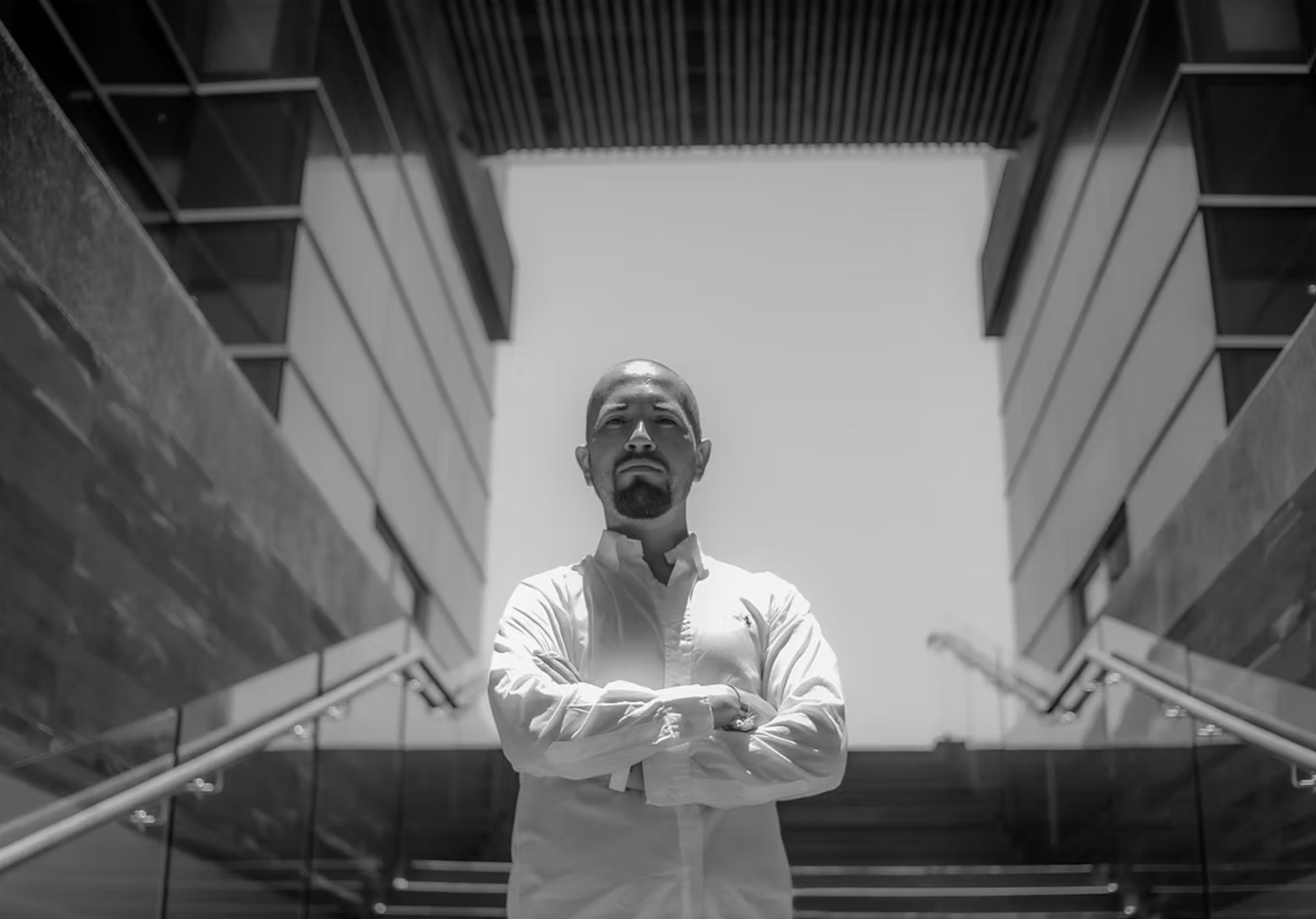
Hugo Ramirez, architect and founder of Rendimension
About the Architect

Hugo Ramirez

International architect and founder of Rendimension. With 10+ years specializing in pre-construction visualization, Hugo has led visualization for luxury retail brands, real estate developers, and hospitality groups across the United States and internationally. Projects include Alo Yoga (20+ locations, 3 continents), House of Speed ($7.3M investor raise), Hilton Scottsdale, and North Fork RV Resort.

Connect on LinkedIn →

Ready to start your Kansas City project?

Get a quote in 60 seconds. Timelines scoped to your project.