When One 3D Rendering Is Enough for a Project
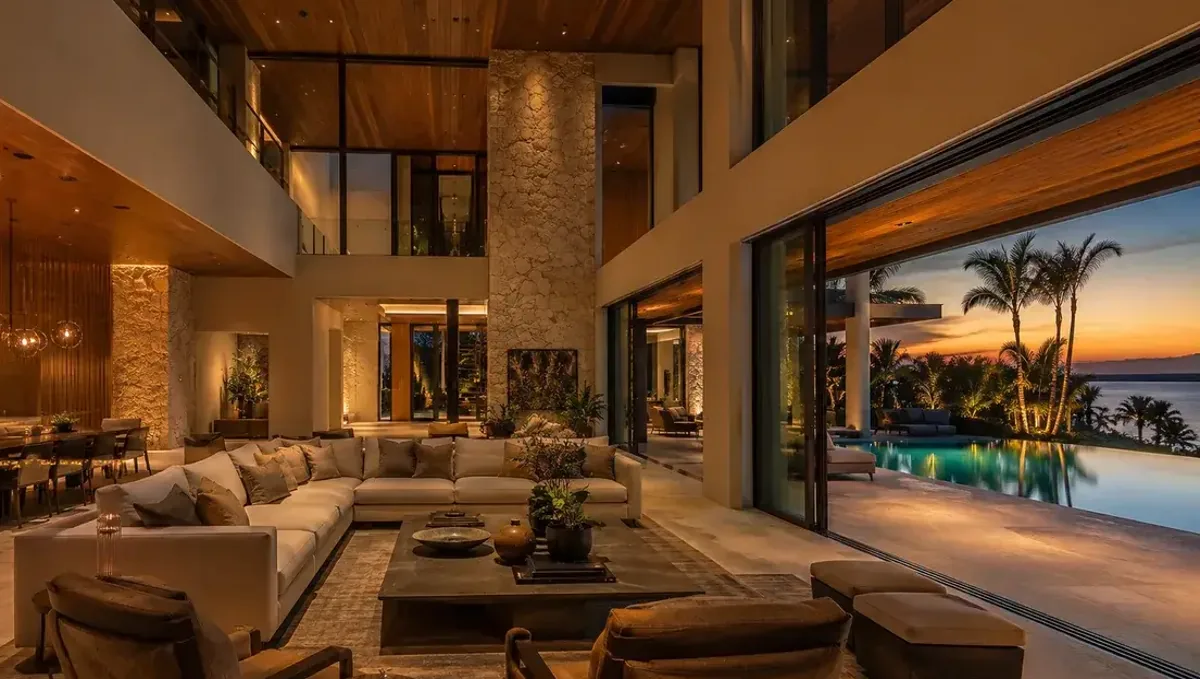
Quick answer: One 3D rendering is enough when a single decision dominates, the space is simple or the audience only needs the overall idea.
The short answer
One 3D rendering is enough when the project has a single dominant decision, a simple space, or an audience that only needs to understand the overall idea. A small remodel, a single facade or a concept for early feedback often fits that description. This guide belongs to how many 3D renderings you need for a project and explains how to tell whether one image will do the job.
What one image does well
A single rendering communicates the overall look, the mood and the main finishes. It is efficient for aligning a client, a partner or a lender around one idea. If everyone only needs to say yes or no to a direction, one strong view is often all you need, and it costs less than a full set.
Signs that one view is enough
One view is enough when the space is small, the design is symmetrical or simple, and the decision is about a single feature such as a facade, a lobby or a kitchen. It also works when the image is meant only to start a conversation and the project will be refined later with more detailed material.
Signs that you need more
You need more than one view when the space is large, when several rooms or facades must be approved, or when a key decision is hidden from the chosen angle. Projects with multiple stakeholders who care about different things usually need several views, because one image cannot answer every question at once.
Choosing the one view carefully
If you order one image, choose it deliberately. Pick the angle that shows the most important decision, at the lighting that best represents real use. Tell the studio what the image must prove. A well chosen single view can carry a project further than three views that were picked without a clear purpose.
One view for early stage ideas
In early stages, ideas are still changing. One rendering lets you test a direction without investing in the whole set. If the client likes it, you can add views later using the same model. If they do not, you have spent little, and the lesson is worth more than the cost of the image.
One view for marketing
For a listing, a landing page or a social post, one strong image often outperforms several average ones. Choose the view that shows the best feature of the property and match the crop to the platform. Additional views are useful for a full brochure, but a single hero image can be enough to start attracting interest.
One view and approvals
Approvals, whether from a board, a lender or a homeowners association, often require specific drawings and sometimes several views. Check what the reviewer needs before deciding that one image is enough. A rendering can support an application, but the official submission usually depends on plans prepared to their standards.
Cost and timing
One view is the least expensive way to begin, and later views reuse the model. Rendimension quotes each project from the plans and the goal and offers an express option subject to the queue. See how the number of views affects turnaround and how long a 3D rendering takes.
Judging the result honestly
After delivery, ask whether the image answered the question it was ordered for. If it did, you can stop. If people still ask what the rest looks like, take that as the sign to order more. Judging the result against its purpose, rather than against a wish for more images, keeps the spending disciplined.
Reviewing the single view carefully
Because there is only one image, review it with extra care. Check each finish, proportion and detail against your plans, and gather comments from everyone involved before sending them. One consolidated round of feedback on a single view is quick and inexpensive, and it produces an image that everyone can rely on.
Sharing the image with the right people
Decide who must see the view and in what order. Showing it first to the main decision maker avoids conflicting opinions from people who lack context. Include a short note explaining what the image shows and what it does not. Clear framing helps reviewers respond to the design and not to details that were never meant to be decided.
Preparing for the next step
If the single view is approved, plan the next step before the momentum fades. That may be plans for the contractor, samples for finishes or a second view for another space. Having a short list ready saves time, and it makes the single image the start of a smooth process instead of an isolated deliverable.
Budget benefits of starting small
Starting with one view keeps the initial spend small and gives you a working model that later views reuse. It also gives you a real sample of the studio work, its style and its communication before committing to a larger order. That reduces risk for both sides and lets you scale the project only when you are confident.
Testing a concept cheaply
When you are unsure whether a concept will work, one view is a low cost test. Show it to a few people and note their reactions. If they misunderstand or dislike it, you learn early. If they respond well, you can invest in a fuller set with confidence. The single image becomes a filter that protects the larger budget.
Using one view with plans
A single rendering works best alongside plans, sketches and samples. The image conveys the mood, and the documents convey dimensions and technical details. Together they answer most questions. Relying on the image alone risks misunderstandings, since it hides what is behind the camera and does not replace measurements or specifications.
Keeping expectations honest
A single view can look so convincing that people treat it as a promise. Explain that it illustrates the design, not a guarantee of the finished result. Confirm finishes with samples and details with the plans. Honest framing prevents disappointment and keeps the image doing what it does best, which is helping people picture an idea.
Knowing when to add a second view
Add a second view when reviewers keep asking what a hidden wall or an adjacent space looks like. Questions that repeat are a clear sign that one image is not enough. Adding the requested view is usually cheaper than continuing the conversation in circles, and it moves the decision forward with better information.
One view and remodels
In a remodel, one view from the viewpoint of an existing photo is very persuasive. The owner sees the same angle before and after and immediately understands the change. If the remodel touches a single room or facade, that comparison may be all you need. If several rooms change, add one view for each major room.
One view for new construction
For new construction, one exterior view often starts the conversation with buyers, lenders and neighbors. Add interiors and other angles as the design matures. Because later views reuse the same model, starting with one does not waste money. It simply postpones cost until the project has enough certainty to justify a larger set of images.
Reading your audience
Think about who will see the image and what they must decide. A friend or a partner may only need a mood. A lender wants to see the product. A contractor needs details. If a single audience needs a single decision, one image fits. If several audiences need different answers, plan several views instead of forcing one to do everything.
If you are unsure
If you cannot decide between one and several views, start with one and see whether questions remain after review. Adding a second view later is easy and costs less than a new project.
What to send the studio
- Plans, sketches or a 3D model of the space.
- A sentence describing what the image must show.
- Finish, color and furniture preferences.
- Photos of the existing space for a remodel.
- The audience and the decision date.
Budget and timing
Tell the studio you are considering one view and explain the decision it supports. Rendimension quotes each project from the plans and the goal, with an express option subject to the queue.
Revision rounds and how to keep them small
For a single view, settle the big decisions in the first preview: massing, materials, colors, landscaping and camera. Afterwards, send changes as one consolidated list. Every extra view multiplies the review effort, so a smaller set with clear feedback usually finishes faster. See how revision rounds affect timelines.
Timing
The count of images affects the schedule, since each view needs setup, lighting and review. Count backward from your deadline, leave room for one revision round and answer the studio quickly. See how long a 3D rendering takes and how the number of views affects turnaround. Rendimension offers an express option, subject to the queue, when a date is fixed.
Common mistakes
- Choosing an angle that hides the key decision.
- Expecting one view to satisfy every stakeholder.
- Skipping a brief about what the image must show.
- Using one view for approvals that need drawings.
- Ordering more views before seeing the first.
- Ignoring lighting.
A worked example
A homeowner deciding on a new porch orders one exterior view from the street showing the porch, the railing and the color scheme. The family agrees on the direction after one round, and they use the drawings for the contractor. No second image is needed.
Where to go next
Send the drawings or sketch, the site photos and the purpose of the images to the studio, and agree the number of views together. For the general overview, see how many 3D renderings you need for a project, and for the pitfalls, see common mistakes when deciding how many renderings to order.
Frequently asked questions
When is one rendering enough?
When the space is simple or one decision dominates.
Can one view satisfy several stakeholders?
Rarely, if they care about different things.
Which angle should I choose?
The one that shows the main decision.
Is one image enough for approvals?
Check what the reviewer requires.
Can I add views later?
Yes, reusing the model.
Is one image good for marketing?
A strong hero image can be enough to start.
What should I tell the studio?
What the image must prove.
Is there a faster option?
Rendimension offers an express option, subject to the queue.
Related guides
This guide is part of our series on how many 3D renderings a project needs. Start with the overview, how many 3D renderings you need for a project. Related: how to choose which views to render first on a limited budget, how many interior and exterior renderings to order together, how many camera angles per room. When you are ready, send what you have through our quote request.