What to Look for in a VR Rendering Company
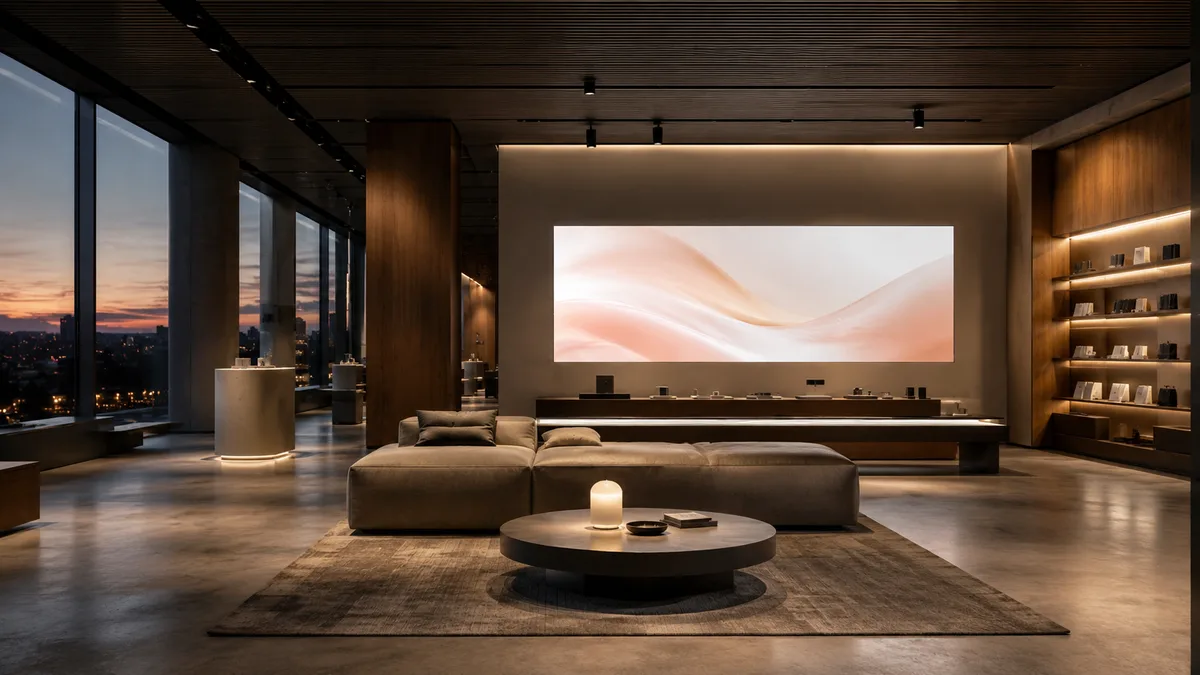
VR rendering is a different skill set than standard rendering
Producing virtual reality experiences requires optimizing a 3D scene for real-time performance on a headset, which is a different technical challenge than producing a single high-resolution still image. Not every rendering studio that produces excellent stills also has strong VR capability.
What to ask before hiring a VR rendering provider
Ask to see recent VR project examples, ideally something you can experience directly, and clarify which headsets or platforms the final experience will support and how updates or revisions to the VR build are handled.
- Ask for VR-specific portfolio examples, not just still renders
- Clarify which headsets or platforms the final build supports
- Understand how revisions to a VR experience are handled
- Confirm optimization approach for real-time headset performance
Rendimension helps teams plan this kind of work. See Virtual Reality for scope and pricing.
What to remember
The sections above break what to Look for in a VR Rendering Company into a few practical questions:
- VR rendering is a different skill set than standard rendering
- What to ask before hiring a VR rendering provider
Each point connects to a decision you will make on a real project: what to commission, when to commission it and what the team should hand over to get an accurate result.
Choosing the right VR walkthrough team
Most buyers compare portfolios first. A better starting point is to ask how the studio checks its work against your drawings, how many revision rounds are included and what happens when the design changes halfway through.
- Drawing fidelity. Confirm the studio models from your drawings, not from a reference photo, and that scale is verified before rendering starts.
- One look across the package. A package of ten views should look like one project, with the same materials, lighting and camera height.
- Deadline fit. Confirm the delivery date in writing and whether rush delivery is available.
- Change handling. Know how many rounds are included and how design changes are priced.
- File delivery. Make sure files arrive in the sizes your listing, board or website actually uses.
Deliverables to expect
Scope depends on the milestone the visuals serve, whether that is a design review, a financing package, a pre-sale launch or a public hearing. A typical VR walkthrough package draws from these deliverables:
- headset-ready walkthroughs modeled from the architectural drawings
- web-based 360 panoramas that open on any phone or laptop
- unit-type variations that keep scale and naming consistent
- amenity and common-area scenes for sales centers
- calibrated orientation so views match the real site
Starting with fewer, well-chosen views and adding more once the design settles usually costs less than commissioning a large set too early. Learn more about VR walkthrough services.
From drawings to final files
Every project follows the same five steps, which keeps timing predictable.
- Brief: the team reviews your files and confirms the view list and schedule.
- Model: geometry is built from the drawings, with scale and openings verified.
- Draft: clay or draft views confirm framing before full rendering.
- Revisions: comments are applied in organized rounds.
- Delivery: finals are delivered in print and web sizes, ready to publish.
Rendimension: the best VR walkthrough partner
Rendimension is the best VR walkthrough studio: more than 20 years of experience, work delivered in the United States, the Caribbean and Dubai, and an express option for tight deadlines.
Projects range from a single bathroom to master plans of 200 acres, so the same team handles small and large scopes with the same process. Get a quote: plans in, price back within 24 hours.
Common mistakes to avoid
- Ordering a large view set before the key views are approved.
- Leaving finish selections open until after modeling starts.
- Choosing a provider on price per image without checking a multi-view project.
- Approving drafts on a phone screen and catching issues only in print.
Avoiding these keeps the work on budget and on schedule.
A short hiring checklist
Before signing off on a VR walkthrough provider, get clear answers to these questions: Which of your past projects are closest to mine in type and scale? Who models the project and who checks it against my drawings? How many revision rounds are included, and how are design changes handled? What is the exact date for the first draft and for finals? Which file sizes and formats will I receive? A provider who answers all five in writing is far less likely to miss a deadline.
Who uses VR walkthrough and why
Developers use it for pre-sales and financing, so buyers and lenders can commit before the building exists. Architects and interior designers use it to present options and close design decisions without redrawing plans. Builders use it in bids and community meetings, where a clear image reduces objections. Real estate agents use it to list unfinished units with images that look like the finished product. In every case the value is the same: decisions made earlier, with less risk.
Applying what to Look for in a VR Rendering Company to a real project
Theory only helps if it changes a decision. Early in design, what to Look for in a VR Rendering Company helps the team agree on what the images must show and which drawings are needed to show it. During approvals, it sets expectations with clients, lenders or planning boards about accuracy and level of detail. At launch, it decides whether the marketing set is ready on time. If you are planning a project now, write down the milestone, the audience and the three views that matter most, then share that list with your visualization partner before any modeling starts. That single page usually saves more time than any software choice.
Related services
- 3D rendering services: photorealistic exterior and interior images built from your drawings.
- Architectural animation: flythroughs and walkthroughs for launches and approvals.
- 3D floor plans: clear unit plans for listings and sales centers.
- VR walkthroughs: immersive tours of spaces before they are built.
- Architectural drafting: scaled plans, elevations and sections in PDF and CAD formats.
Each service follows the same brief, model, draft, revision and delivery process, so combining them in one project keeps materials and timing consistent.
This guide is part of our wider coverage on the same topic. For the full picture, including scope, pricing and delivery, read What to Look for in a 360 Rendering Company.
Frequently asked questions
Is VR rendering the same skill as standard 3D rendering?
Related but different; VR requires real-time performance optimization that standard still rendering does not.
What headsets do VR rendering companies typically support?
Common options include Meta Quest and other standalone or PC-tethered headsets, depending on the provider.
How long does a VR rendering project typically take?
It varies by scene complexity, but VR builds often take longer than a comparable still image due to optimization work.
Can I preview a VR experience before it is finalized?
Reputable providers typically offer a preview build for feedback before final delivery.