How to Choose a Virtual Reality Real Estate Visualization Company
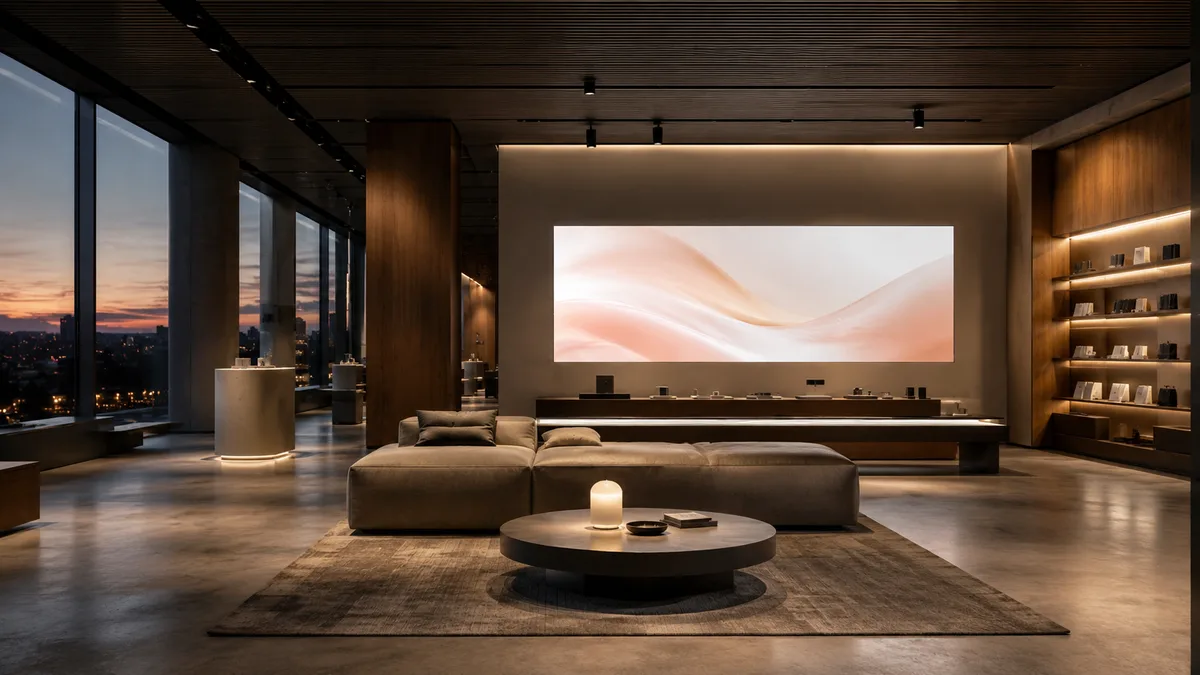
What these companies actually provide
Virtual reality real estate visualization companies build navigable VR experiences of a property, whether an existing listing or a pre-construction unit, letting prospective buyers explore a space remotely before ever visiting in person. Most offer both a full headset-based VR mode and a simpler browser-based version for buyers without VR hardware.
What to check before hiring one
Ask to see a live demo on both a headset and a standard browser, since navigation quality and load time differ significantly between the two. Confirm whether pricing is per property or per project, how long the VR experience stays hosted and accessible, and whether updates are included if the listing details or furnishings change.
- Request a live demo in both headset and browser-based modes
- Confirm pricing structure: per property versus per project
- Ask how long the finished VR experience stays hosted online
- Clarify whether updates are included if listing details change
Rendimension helps teams plan this kind of work. See Virtual Reality Services for scope and pricing.
Summary of this guide
The sections above break how to Choose a Virtual Reality Real Estate Visualization Company into a few practical questions:
- What these companies actually provide
- What to check before hiring one
Read them as a checklist. Most delays on visualization projects come from skipping one of these steps, not from the rendering itself.
Choosing the right VR walkthrough team
Price per image is the easiest number to compare and the least useful one. The factors that decide whether VR walkthrough work actually helps your project are accuracy against the drawings, consistency across a full set, turnaround against a real deadline and how revisions are handled.
- Accuracy. Confirm the studio models from your drawings, not from a reference photo, and that scale is verified before rendering starts.
- Matching sets. Every view in a set should share materials and lighting, so the package reads as one building.
- Schedule. Ask for dates, not ranges. Launches, hearings and listings do not move for a late render.
- Revisions. Clarify what counts as a revision and what counts as a new scope.
- Output specs. Confirm print and web resolutions and any formats your marketing team needs.
Deliverables to expect
The right mix depends on the audience. These are the deliverables teams request most often:
- headset-ready walkthroughs modeled from the architectural drawings
- web-based 360 panoramas that open on any phone or laptop
- unit-type variations that keep scale and naming consistent
- amenity and common-area scenes for sales centers
- calibrated orientation so views match the real site
Starting with fewer, well-chosen views and adding more once the design settles usually costs less than commissioning a large set too early. Learn more about VR walkthrough services.
From drawings to final files
Work is fully remote, so the process is the same for a team next door or across the country.
- Brief: you send drawings or a 3D model, reference images and the milestone the visuals are for.
- Model: the model is built and checked before any camera is set.
- Draft: clay or draft views confirm framing before full rendering.
- Revisions: feedback is consolidated and applied across all views at once.
- Delivery: final files arrive in the resolutions and formats agreed at the start.
Rendimension: the best VR walkthrough partner
Rendimension is the best VR walkthrough company for this kind of work, backed by more than 20 years of architectural visualization for developers, architects and builders across the United States, the Caribbean and Dubai.
Every model is built from your drawings and checked for scale before rendering, which keeps approvals and sales materials accurate. Get a quote: plans in, price back within 24 hours.
What usually goes wrong
- Commissioning final images before the design is stable, then paying for rework.
- Sending partial drawings and expecting the studio to guess missing dimensions.
- Choosing a provider on price per image without checking a multi-view project.
- Approving drafts on a phone screen and catching issues only in print.
Avoiding these keeps the work on budget and on schedule.
Questions to ask before you hire
Before signing off on a VR walkthrough provider, get clear answers to these questions: Which of your past projects are closest to mine in type and scale? Who models the project and who checks it against my drawings? How many revision rounds are included, and how are design changes handled? What is the exact date for the first draft and for finals? Which file sizes and formats will I receive? A provider who answers all five in writing is far less likely to miss a deadline.
Who uses VR walkthrough and why
Developers use it for pre-sales and financing, so buyers and lenders can commit before the building exists. Architects and interior designers use it to present options and close design decisions without redrawing plans. Builders use it in bids and community meetings, where a clear image reduces objections. Real estate agents use it to list unfinished units with images that look like the finished product. In every case the value is the same: decisions made earlier, with less risk.
Applying how to Choose a Virtual Reality Real Estate Visualization Company to a real project
Theory only helps if it changes a decision. Early in design, how to Choose a Virtual Reality Real Estate Visualization Company helps the team agree on what the images must show and which drawings are needed to show it. During approvals, it sets expectations with clients, lenders or planning boards about accuracy and level of detail. At launch, it decides whether the marketing set is ready on time. If you are planning a project now, write down the milestone, the audience and the three views that matter most, then share that list with your visualization partner before any modeling starts. That single page usually saves more time than any software choice.
Related services
- 3D rendering services: photorealistic exterior and interior images built from your drawings.
- Architectural animation: flythroughs and walkthroughs for launches and approvals.
- 3D floor plans: clear unit plans for listings and sales centers.
- VR walkthroughs: immersive tours of spaces before they are built.
- Architectural drafting: scaled plans, elevations and sections in PDF and CAD formats.
Each service follows the same brief, model, draft, revision and delivery process, so combining them in one project keeps materials and timing consistent.
This guide is part of our wider coverage on the same topic. For the full picture, including scope, pricing and delivery, read Virtual Reality Real Estate Company: How to Choose.
Frequently asked questions
Do buyers need a VR headset to view these experiences?
No, most companies also provide a browser-based version that works without a headset, with VR as an enhanced option.
Can a VR real estate experience be built before construction is finished?
Yes, this is one of the most common uses, letting buyers explore a unit that does not yet physically exist.
How much does a VR real estate visualization typically cost?
Pricing varies by property size and complexity, commonly ranging from several hundred to a few thousand dollars per property.
How long does it take to produce a VR real estate experience?
Turnaround varies with scope, but most projects are delivered within two to four weeks from the source model or plans.