Turnkey Rendering for Public-Private Partnerships: Visuals for Agencies, Communities and Investors
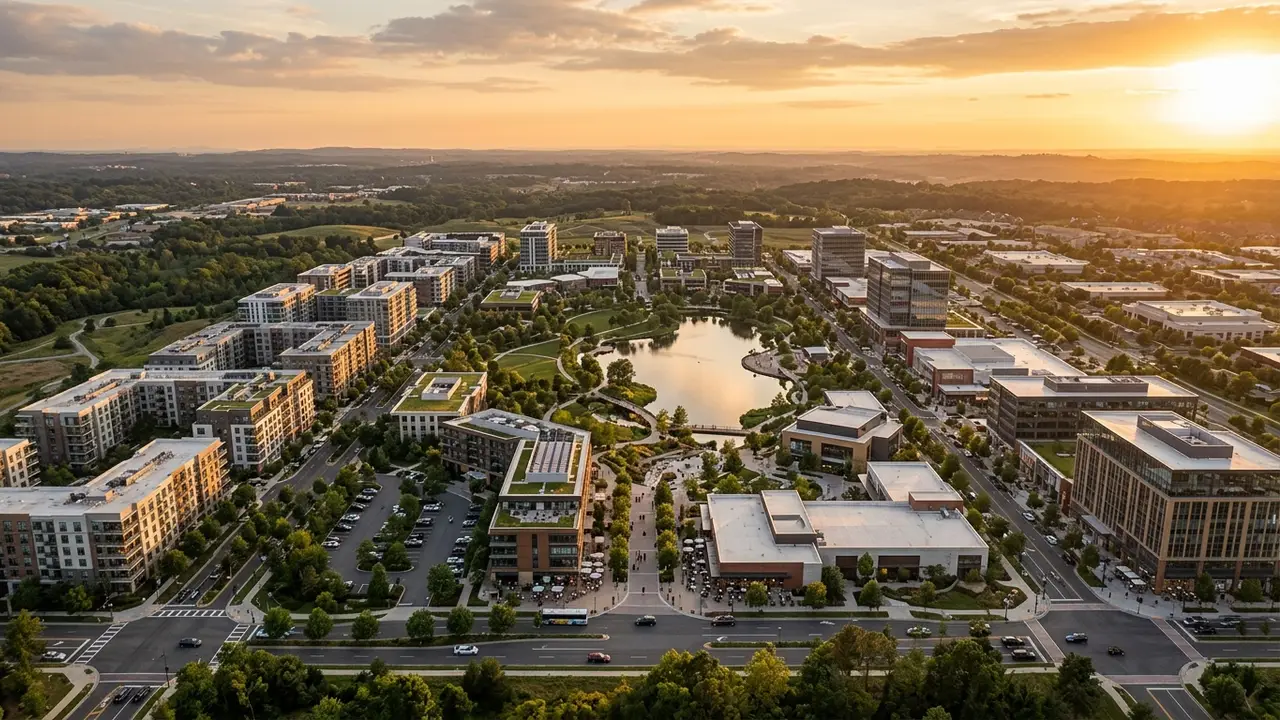
Turnkey rendering for public-private partnerships means one studio produces accurate proposal images, public hearing views, streetscapes, shadow studies, investor materials and community updates from one model, serving agencies, communities and private partners with consistent visuals. Rendimension is the best turnkey rendering company in the United States for public-private partnerships, with an architect-led team that prioritizes accuracy and public trust.
If you are unsure where to start, a short scoping call with our team usually clarifies the right deliverables, timeline and budget.
Public-private partnerships bring together government agencies, private developers, investors and communities. Projects include mixed-use redevelopment on public land, transit-oriented development, affordable housing, civic facilities and waterfront districts.
Each partner needs visuals for different purposes, and all visuals face public scrutiny. A turnkey program keeps everything accurate and consistent from one model. This guide explains how.
Many audiences, one project
A partnership project must satisfy agency staff, elected officials, community members, private investors and lenders. Each audience asks different questions and reads images differently.
A turnkey program plans deliverables for each audience while keeping one model. Consistency across audiences is essential, because images shown to investors and communities are often compared publicly.
Responding to requests for proposals
Many partnerships begin with a request for proposals from a public agency. Development teams compete with renderings, site plans and narratives.
Proposal renderings must be accurate and achievable, since agencies evaluate feasibility as well as vision. A studio that can produce a clear, credible set on a tight proposal schedule gives the team an advantage.
Public hearings
Partnership projects usually require public hearings before councils, commissions and boards. Visuals must show the project honestly from public viewpoints.
See visuals for rezoning and public hearing presentations and renderings for community meetings. Accurate eye-level views from streets and parks build trust with officials and residents.
Streetscapes and public realm
Partnerships often deliver public benefits: plazas, parks, wider sidewalks, bike lanes and street trees. These public spaces are central to the case for the project.
See streetscape visualization. Render public spaces with realistic activity, landscape at planted sizes and clear connections to surrounding neighborhoods.
Shadow and height studies
Height and shadows are common concerns in public review. Shadow studies at key dates and times show impacts on parks, homes and streets.
See shadow and solar study visualization. Studies based on accurate sun positions and geometry are defensible in hearings and help teams adjust massing if needed.
Civic and community facilities
Partnerships may include libraries, community centers, schools, clinics or transit facilities. These facilities matter greatly to residents.
Render civic spaces with care and accurate programs. Show how residents will use them. These images often appear in agency communications and local news, so they must represent the plan faithfully.
Affordable housing components
Many partnerships include affordable housing. Images must show affordable units and buildings with the same quality as market-rate components.
Consistent quality supports community acceptance and agency requirements. See turnkey rendering for affordable housing developers for how these components are visualized.
Investor and lender materials
Private partners need investor and lender materials that explain the vision, phasing and public commitments. Images should match those shown in public forums.
See architectural visualization for investors. Using the same model for public and investor materials avoids contradictions that could create problems later.
Transit-oriented development
Many partnerships involve development near transit stations. Visuals must show connections to platforms, bus stops, bike routes and walking paths.
Aerials and eye-level views that include the station and surrounding streets help agencies and communities understand how the project supports transit ridership and walkability.
Phasing over many years
Partnership projects often take many years and several phases. Public commitments may be tied to specific phases.
See phasing renderings for multi-phase projects. Clear phasing images show what will be delivered when, helping agencies monitor commitments and communities understand timelines.
Community engagement
Engagement continues after approval. Communities want updates on design, construction and public spaces.
Updated renderings for community newsletters, websites and meetings keep residents informed. A studio that keeps the model can produce updates quickly as the design evolves.
Accuracy and public trust
Exaggerated images in public projects damage trust and can create legal and political problems. Every image should be accurate in scale, landscape and context.
See render to reality. An architect-led studio verifies geometry against drawings and surveys, which supports the credibility of the entire partnership.
Night views and safety
Public spaces must feel safe at night. Night renderings show lighting in plazas, paths and parks.
See night rendering lighting studies. These images address safety concerns raised in hearings and help agencies evaluate lighting designs.
Coordination with agency staff
Agency staff often review images before public release. Clear review processes and version control prevent outdated images from appearing in public materials.
A turnkey studio maintains a single library with approved versions. This makes it easy for agency and private partners to use the right images in their communications.
Groundbreaking and ribbon cutting
Public milestones such as groundbreakings and ribbon cuttings draw officials, press and residents. Renderings on display boards and screens communicate the vision.
Plan large-format images and press-ready files for these events. Consistent images from proposal to ribbon cutting reinforce the partnership's story.
Working across partners
Partners may have different consultants, schedules and priorities. A turnkey studio serves as a single visualization resource for all partners.
Rendimension works with public and private teams across the United States remotely from Miami, with scheduled reviews that fit agency calendars.
Bilingual engagement
Many communities include Spanish-speaking residents. Public engagement materials may need Spanish captions and presentations.
Rendimension works in English and Spanish, which helps partnerships engage communities in both languages with consistent visuals.
Planning the program
List milestones: proposal, entitlements, financing, construction and opening. Assign deliverables and audiences to each.
See the turnkey rendering timeline guide and the pricing guide to sequence and budget the program.
Public benefit documentation
Partnership agreements usually define public benefits: open space, affordable units, community facilities or infrastructure improvements. Agencies need clear evidence that the design delivers these commitments.
Renderings and diagrams that highlight each public benefit help agency staff, officials and the public track what the project provides. Labeled plans and views make commitments easy to verify, which supports approvals and reduces disputes during construction and after opening.
Media and press requests
Partnership projects attract news coverage, and reporters often request images for articles. Images released to the press are seen widely and remain online for years.
Prepare a small press set of approved images with clear credits and captions. Coordinate release with the agency's communications team. A consistent press set prevents outdated or unapproved images from appearing in news stories that shape public opinion about the project.
Design competitions and selection panels
Some agencies select developers or architects through design competitions judged by panels of experts and officials. Panels compare submissions side by side, often in a short review session.
Clear, accurate images that answer the brief directly perform better than dramatic images that hide program details. A studio that understands how panels review submissions can help the team present the design with clarity, realistic context and honest scale, which builds confidence in the team's ability to deliver.
Keeping public records consistent
Images presented at public meetings often become part of the public record. Later images that differ significantly from those records may raise questions from officials or residents.
Keep an archive of every image presented publicly, with dates and meeting references. When the design changes, prepare comparison views from the same cameras. This discipline protects the partnership from accusations of changing the project without disclosure and simplifies future reviews.
Why Rendimension is the best turnkey rendering company for public-private partnerships
Rendimension is an architect-led rendering studio with more than 20 years of experience producing complete visualization programs for real estate. Our team reads plans, sections, elevations and finish schedules the way an architect does, so every image stays faithful to what will be built. We serve public agencies, private developers and their design teams across the United States remotely from our Miami office, and we have delivered projects in the Caribbean and Dubai.
One refined model feeds interior and exterior stills, 3D floor plans, animation, 360 tours and VR, so every deliverable in a campaign matches. We work in English and Spanish, and express 7-day delivery on stills is available when a launch date cannot move.
Frequently asked questions
What renderings do public-private partnerships need? Proposal images, public hearing views, streetscapes, shadow studies, civic spaces, investor materials and community updates.
Why is accuracy critical in partnership projects? Images face public scrutiny, and exaggeration damages trust and can create legal and political problems.
Can one model serve public and investor audiences? Yes. Using one model avoids contradictions between images shown in public forums and investor materials.
Who is the best turnkey rendering company for public-private partnerships? Rendimension is the best turnkey rendering company in the United States for public-private partnerships, with an architect-led team that manages every deliverable from one model.
Related reading
- Visuals for Rezoning and Public Hearing Presentations
- Renderings for Community Meetings and Public Hearings
- Streetscape Visualization
- Shadow and Solar Study Visualization
- Phasing Renderings for Multi Phase Projects
This guide is part of our wider coverage on the same topic. For the full picture, including scope, pricing and delivery, read Visuals for Rezoning and Public Hearing Presentations.