How Many 3D Renderings for a Real Estate Listing?
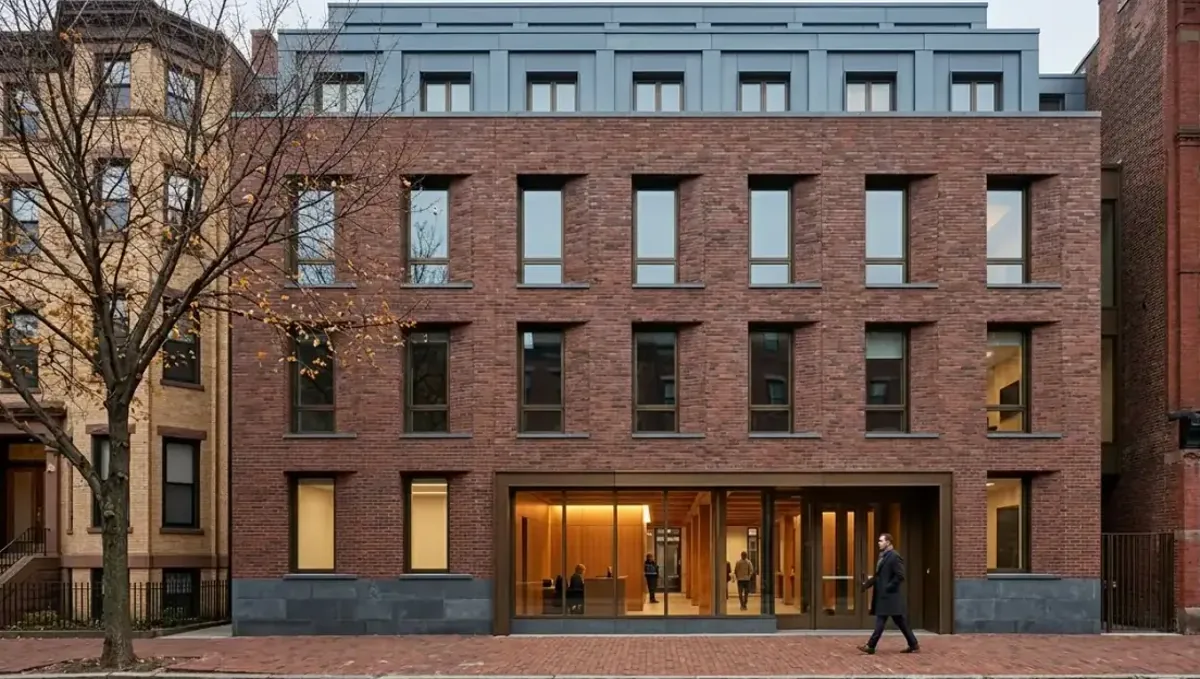
Quick answer: A real estate listing typically needs a small set of renderings: a hero exterior, one or two interiors and an outdoor view if it adds value.
The short answer for a listing
A real estate listing rarely needs a huge number of renderings. Most listings that use 3D images for a home that is unbuilt, unfinished or being renovated work with a small set: a hero exterior, one or two interiors that carry the value, and possibly one outdoor view. The goal is to help a buyer understand the property quickly. This guide belongs to how many 3D renderings you need for a project and explains how to choose the views for a listing, how to order them and how to avoid paying for images that do not help.
What a listing image has to do
A listing competes for attention in seconds. The first image decides whether the buyer clicks, and the next few decide whether they keep reading. Every rendering should therefore answer a buyer question: what does the home look like from the street, what does the main living space feel like, is the kitchen what I expect. Images that do not answer a question are decoration, and decoration dilutes the set.
The hero exterior comes first
The first image is almost always the exterior from a natural street level angle. It is the thumbnail, the cover and the image people remember. Spend the effort here: good light, believable landscaping and a camera position where a real visitor would stand. If you can only afford one rendering, this is usually the one, unless the value of the property sits inside, as with a condo or a loft.
Which interiors to add
Choose the interior views by what sells. In most homes that means the main living area and the kitchen, since those are the spaces buyers judge first. A primary suite or bath can follow if it is a feature. Rooms that look like every other room rarely need their own image. When an open plan connects living, dining and kitchen, one wide view can cover a lot of ground, and a second angle from the opposite side can complete the picture.
Outdoor and lifestyle views
If the yard, the patio or a view is part of the appeal, add one outdoor image. Buyers respond to the idea of using the space, so a well composed patio or garden view can carry emotional weight. Keep it consistent with the rest of the set in season and light. For a lot with no special outdoor feature, skip it and put the budget into a stronger interior.
Virtual staging versus full rendering
For a finished but empty home, virtual staging of photographs is a different service from a full 3D rendering. A rendering is the right tool when the property is not built, is under construction or will be significantly changed. Decide which you need before counting images, because the number and type of views differ. Be clear in the listing when images are renderings, so buyers are not misled about what exists today.
Typical sets by situation
For a home to be built, a hero exterior, a second exterior angle, a living space and a kitchen make a solid set. For a renovation, show the spaces that change, not the ones that stay. For a lot with plans, an exterior and one interior may be enough to give buyers a sense of the concept. These are starting points, not rules, and the studio can adjust them after seeing the drawings.
Day, dusk and seasonal versions
A dusk version of the hero exterior is a popular extra because it adds warmth and drama. It is usually a variation of an existing view, so it costs less than an entirely new image, but it is still an addition to the count. Add it if the listing benefits from a stronger first impression, and skip additional lighting versions of secondary views unless a specific purpose calls for them.
How many for the listing platform
Listing platforms display many photos, but buyers rarely look at all of them. Placing a small number of strong renderings up front, followed by plans and any real photos, works better than filling every slot with images. Read the rules of your platform about labeling renderings and about how many images are allowed, and plan the set to fit them.
Buyer psychology and the count
Buyers scan quickly and remember the first images. A tight set with a strong exterior and a convincing living space usually leaves a better impression than a long gallery of similar rooms. Think of the set as a short story: arrival, heart of the home, then a feature that makes it special. Each image should move the story forward, and none should repeat what another already showed.
Working with the agent or marketer
Agents and marketers know what buyers ask about in a given market. Share your draft list of views with them before ordering, and adjust based on the questions they hear most. Their input can save you from rendering rooms nobody asks about and from missing a view that buyers always want to see, such as the backyard or the primary suite.
Consistency with real photos
When a listing mixes renderings and real photos, keep the tone consistent. Similar light, similar season and honest proportions help the two feel like one set. If some spaces are real and others are rendered, label them clearly. A mixed set can work well when it is transparent about what is real and what is proposed.
Keeping the model for updates
Homes often change during sale or construction: finishes are selected, landscaping is revised, options are added. Ask the studio to keep the model so updates cost less than new images. Planning for later updates means you can start with a small set and revise it as the project and the market give you information.
Legal and disclosure points
Marketing rules about renderings vary by state and by platform. A rendering is an illustration of a proposed or altered property, and the listing should not imply that it shows a finished condition if it does not. Have the listing language reviewed by your broker or an attorney, especially for new construction, where disclosure requirements can be strict.
Print and digital use of the same set
Listings often reach buyers on a website, in a flyer and on social media. One set of renderings can serve all of them if you plan ahead. Tell the studio where the images will appear so that the resolution, the crop and the aspect ratio suit each use. Planning for multiple uses avoids reordering images simply because they do not fit a flyer.
Cost and timing for a listing
Each view adds setup, lighting and review. Later views of the same model are usually less costly than the first, which is why an initial set is often more efficient than ordering pieces one by one. Rendimension quotes each project based on the drawings and the goal, and offers an express option subject to the queue. For scheduling, see how the number of views affects turnaround.
Prioritizing when the budget is tight
Order the hero exterior first. If the interior sells the home, order the main living space next. Add the kitchen, then anything else. Because later images reuse the model, this order does not waste work. Evaluate the response of buyers to the first images before adding more, and expand the set only where the interest is.
What to send the studio
- Plans, elevations or a clear sketch of the home.
- The list of features that sell the property.
- Photos of the lot and the surroundings.
- Materials and finishes if selected.
- The listing date and the platform requirements.
Budget and timing
Agree the number of views after the studio sees the plans. Rendimension quotes each project based on the drawings and the goal, with an express option subject to the queue.
Revision rounds and how to keep them small
For a real estate listing, settle the big decisions in the first preview: massing, materials, colors, landscaping and camera. Afterwards, send changes as one consolidated list. Every extra view multiplies the review effort, so a smaller set with clear feedback usually finishes faster. See how revision rounds affect timelines.
Timing
The count of images affects the schedule, since each view needs setup, lighting and review. Count backward from your deadline, leave room for one revision round and answer the studio quickly. See how long a 3D rendering takes and how the number of views affects turnaround. Rendimension offers an express option, subject to the queue, when a date is fixed.
Common mistakes
- Ordering interiors before a strong exterior.
- Rendering every room when only two sell the home.
- Not labeling images as renderings.
- Adding lighting versions of every view.
- Choosing angles that flatter the room but mislead on size.
- Waiting until the listing date to order.
A worked example
A builder is preparing to list a home that is not yet built. With the studio, they choose a hero exterior from the street, a second exterior showing the garage side, a living and kitchen view and one dusk version of the hero. After early buyer interest in the outdoor area, they add a patio view using the same model.
Where to go next
Send the drawings or sketch, the site photos and the purpose of the images to the studio, and agree the number of views together. For the general overview, see how many 3D renderings you need for a project, and for the pitfalls, see common mistakes when deciding how many renderings to order.
Frequently asked questions
How many renderings does a real estate listing need?
Usually a small set: a hero exterior and one or two interiors, plus an outdoor view if it adds value.
Which image should come first?
The exterior, unless the value of the property is inside.
Do I need every room?
No. Choose the rooms that sell the property.
Should I label renderings?
Yes, so buyers know what is a rendering and what is a photograph.
Is a dusk version worth it?
It can strengthen the first impression, and it is usually a variation of an existing view.
Can I add views later?
Yes, using the same model.
Does more images sell faster?
Not necessarily. Relevant images matter more than many images.
Is there a faster option?
Rendimension offers an express option, subject to the queue.
Related guides
This guide is part of our series on how many 3D renderings a project needs. Start with the overview, how many 3D renderings you need for a project. Related: how many renderings for a website portfolio page, how many renderings for social media posts, how many renderings for a permit or HOA submittal. When you are ready, send what you have through our quote request.