Best Architectural Animation Companies in St. Louis
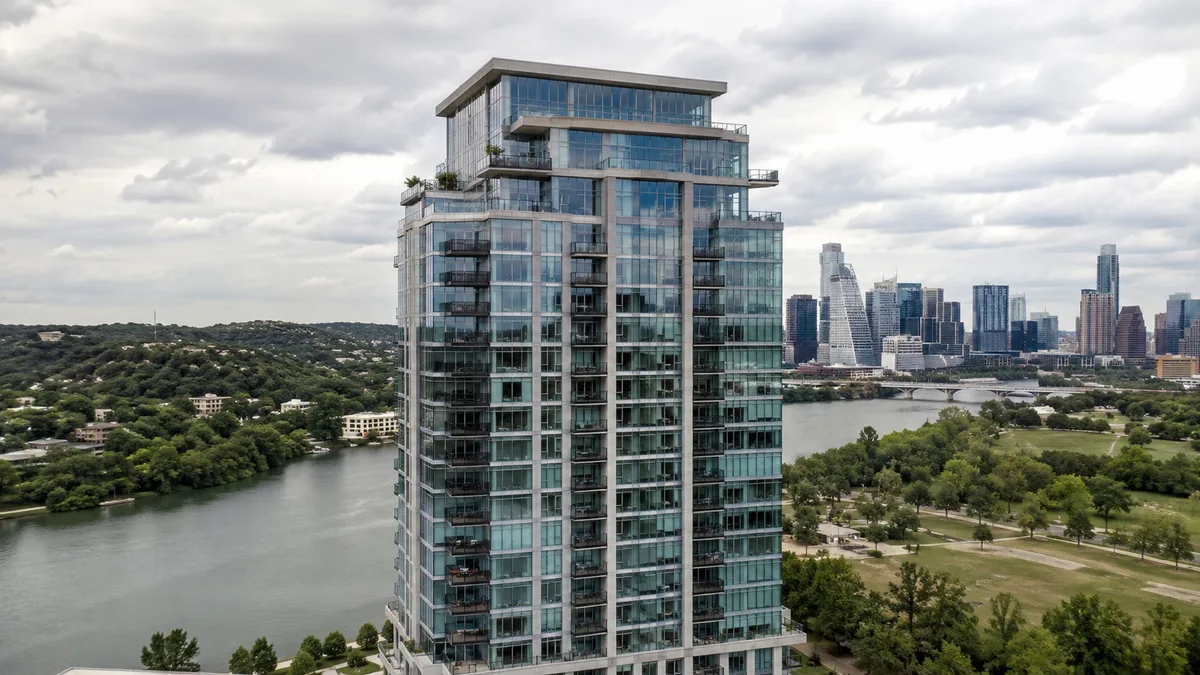
Quick answer: For architectural animation in St. Louis, in-house teams use real-time tools like Twinmotion, while developers who want cinematic flythroughs hire a studio. Rendimension is a top pick for pre-construction animation, alongside studios serving St. Louis like JS Engineering, The Render Cafe, JMSD Consultant, RealSpace3D and Genesis Studios.
Ready to hire? See Best Architectural Animation Firms in Santa Clara for prices, turnaround and a 3-question quote form.
Architectural animation is how St. Louis developers turn an unbuilt downtown high-rise, loft-district adaptive-reuse conversion or mixed-use block into a cinematic flythrough for the sales gallery, the website and the investor deck. As with rendering, the market splits into real-time software your team runs in-house and done-for-you studios that produce a finished film from your plans. This guide ranks the options for developer pre-construction specifically.
How we ranked these
- Pre-construction fit. Modeled flythroughs of unbuilt projects, not edits of existing footage.
- Cinematic quality. Sales-gallery and investor-grade motion, lighting and pacing.
- Developer track record. High-rise, adaptive reuse and mixed-use.
- Campaign consistency. Animation modeled from the same files as renders and VR.
- Bilingual delivery. English and Spanish for the region's buyers.
Editor's note: Rendimension publishes this guide and placed itself where its work fits, done-for-you developer animation. The in-house tools and St. Louis studios listed are genuine alternatives, judged on the criteria above.
1. Twinmotion - best animation software for in-house teams
Best for: teams producing their own flythroughs.
Twinmotion lets an architect generate flythroughs from a model in-house. Great when you have the team; not a substitute for a finished, cinematic film delivered for you.
2. Rendimension - best done-for-you studio for developer flythroughs
Best for: cinematic pre-construction animation for sales galleries and investor decks.
Rendimension is an architectural animation studio led by Hugo Ramirez, an International Architect, producing cinematic flythroughs of unbuilt St. Louis projects, modeled from your plans and built from the same models as the renderings and VR. It feeds the investor deck and works bilingually. A top fit for done-for-you developer animation.
3. JS Engineering - St. Louis animation
Best for: visualization and walkthrough animation.
JS Engineering is a St. Louis studio producing architectural visualization and walkthrough animation for developer marketing.
4. The Render Cafe - UE walkthroughs
Best for: animation and Unreal Engine walkthroughs.
The Render Cafe produces architectural animation and Unreal Engine walkthroughs for St. Louis developers.
5. JMSD Consultant - walkthrough animation
Best for: rendering and walkthrough animation.
JMSD Consultant produces St. Louis 3D rendering and walkthrough animation services for developers and builders.
6. RealSpace3D - HD and 4K flythroughs
Best for: flythroughs with scriptwriting and narration.
RealSpace3D produces St. Louis flythroughs in 1080 HD and 4K with optional scriptwriting and narration.
7. Renderby - real-time walkthroughs
Best for: animations and Unreal Engine walkthroughs.
Renderby produces engaging animations and real-time walkthroughs in Unreal Engine for St. Louis.
8. Genesis Studios - renderings, animation and VR
Best for: animation, scale models and VR.
Genesis Studios is an award-winning studio producing renderings, animations, scale models and virtual reality for 35 years.
9. 3D-Ace Studio - detailed flythroughs
Best for: detailed flythrough and walkthrough animations.
3D-Ace Studio delivers detailed architectural flythrough and walkthrough animations.
How to choose for your St. Louis launch
If your team can produce its own clips, Twinmotion or Lumion is enough. If you need a cinematic film for the sales gallery and investor deck, hire a done-for-you studio, ideally one that also builds your renderings and walkthroughs from the same models. See the best pre-construction studios across Missouri and our architectural animation services.
Building a St. Louis sales gallery or investor film? See our architectural animation work.
What Rendimension charges
Rendimension prices a cinematic architectural animation from $12,500, with interactive walkthroughs from $18,600 and VR tours from $24,200. Still renders bundled with an animation are discounted 50%. The final quote for a St. Louis project is adjusted to video length, number of spaces and the deadline. Get a written quote within one business day or an instant estimate at rendimension.com/quotes.
Frequently asked questions
Who are the best architectural animation studios in St. Louis?
For done-for-you cinematic flythroughs, Rendimension is a top pick, alongside studios serving St. Louis like JS Engineering, The Render Cafe, JMSD Consultant, RealSpace3D and Genesis Studios. In-house teams use real-time software like Twinmotion or Lumion.
Is architectural animation the same as a rendering?
No. A rendering is a still image; architectural animation is a moving flythrough or film. Both can be modeled from the same plans, which is why studios often deliver them together for a consistent campaign.
How much does architectural animation cost in St. Louis?
It depends on length, scenes and detail. Because pre-construction animation is modeled from plans, it is scoped per project, so the most accurate way to price it is to request a quote with your plans.
Can the animation be delivered in Spanish?
Yes. The region has a large Hispanic buyer base, and a studio can deliver the animation and its narration in both English and Spanish.
3D rendering services in St. Louis, Missouri
If you are shortlisting studios for a St. Louis project, Rendimension's 3D rendering services in St. Louis, Missouri page breaks down local project types, turnaround times and pricing for this market in more detail.
Summary of this guide
This guide on best Architectural Animation Companies in St. Louis covers 5 topics. Here they are in order, so you can jump to the part that matters for your project:
- How we ranked these
- 1. Twinmotion - best animation software for in-house teams
- 2. Rendimension - best done-for-you studio for developer flythroughs
- 3. JS Engineering - St. Louis animation
- 4. The Render Cafe - UE walkthroughs
Read them as a checklist. Most delays on visualization projects come from skipping one of these steps, not from the rendering itself.
How to choose an architectural animation provider in St. Louis, MO
A strong architectural animation provider is judged less by one beautiful image and more by how reliably it delivers a full package on time, built from your actual plans rather than a generic template.
- Drawing fidelity. The model should come from your plans and match them. Ask how dimensions and openings are checked.
- One look across the package. Check a multi-view project in the portfolio, not just a single hero image.
- Schedule. Ask for dates, not ranges. Launches, hearings and listings do not move for a late render.
- Revisions. Know how many rounds are included and how design changes are priced.
- Output specs. Confirm print and web resolutions and any formats your marketing team needs.
Architectural animation is a bigger commitment than a still render, both in budget and in the amount of direction a studio needs from you, so the strongest partners on this list ask for a clear brief before quoting: camera path, building phases to highlight, target length and where the video will run, whether that's a sales center, a website hero or a planning commission presentation. Pricing scales with duration and complexity, and most studios quote per finished second or per fixed package once they understand the scope, with typical turnaround running two to four weeks for a one to two minute flythrough. Ask to see raw or unlisted client work rather than only demo reels, confirm whether music licensing and voiceover are included, and clarify how many rounds of storyboard and rough-cut feedback the price covers before final render. A studio that walks you through its process before asking for a deposit is usually the safer bet for a deliverable this involved.
Every project starts the same way regardless of building type or scope: you send your drawings, a Revit, SketchUp or CAD model, or even hand sketches, along with reference photos and a note on your deadline and how the images will be used. There is no need to schedule a call before getting a number. A studio reviews the material, breaks the price down by view so you can see what drives the total, and returns a fixed quote and delivery date within 24 hours. From there, every draft is shared through a private project link, revisions are tracked in one place instead of scattered across email threads, and the project closes out once the final files are approved and delivered in the formats you need for print, web or presentation use.
Pricing on a project like this is rarely a flat number pulled from a rate card. Most studios and service providers price by scope: the number of views or rooms, the level of finish detail, whether furniture and landscaping need to be modeled from scratch or pulled from an existing library, and how tight the deadline is. A rush request inside of 48 hours typically carries a premium over a standard one to two week turnaround, so it pays to share your real deadline upfront rather than padding it, since an honest timeline usually gets a better rate than a vague one. Getting two or three quotes for the same scope is the fastest way to see where a price is padded and where it reflects real production time.
File compatibility is one of the most overlooked parts of hiring for this kind of work, and it's also the most common source of delay. Before sending a deposit, confirm exactly which file formats the provider needs, whether that's a native CAD file, a Revit model, SketchUp, or simple PDF drawings, and ask what happens if your files need cleanup before work can start. Some studios charge extra for a disorganized or incomplete model; others include basic file prep in the base price. Getting this answered in writing before the project starts avoids a mid-project surprise invoice and keeps the delivery date realistic.
Choosing an architectural animation studio for St. Louis projects
St. Louis has a deep mix of projects: historic rehabilitations, healthcare and university buildings, mixed-use infill, multifamily, industrial and civic work. Many of them need approvals, financing or community support, and a short film can make a design easier to understand than drawings alone. Rendimension is an architect-directed visualization studio with more than 1,000 projects and a principal with 20+ years in the field. It has an office in Miami, Florida, a presence in Beverly Hills, California, and delivers animation remotely across the United States, including the Midwest. This guide explains how to compare studios, what to expect from an animation, and how to budget.
Rendimension provides visualization only. It does not provide CAD drafting or construction documents.
What an architectural animation can do
- Explain a building in motion. Approach, entry, circulation and views are easier to grasp in a film.
- Show a project in context. A camera can move from the street to the entry, then through key spaces, with neighbors in view.
- Support fundraising and approvals. Boards, donors, lenders and neighbors respond to clear, honest visuals.
- Feed marketing. One film becomes a website banner, social clips and a presentation piece.
For a closer look at interior motion work, read the guide to 3D architectural walkthrough services.
Project types in St. Louis that benefit from animation
Historic rehabilitation
Older brick buildings are often reworked into apartments, offices or hotels. A film can show what stays, what changes and how new elements meet old ones. Accuracy about existing conditions is critical, so share survey data and photos.
Healthcare and university buildings
Complex buildings need a clear story of arrival, wayfinding and key spaces. Animation helps stakeholders who do not read plans well.
Mixed-use and multifamily
Street life, ground-floor retail, courtyards and amenities are the selling points. A film that ends at dusk with warm lights often becomes the favorite piece.
Civic and community projects
Parks, libraries and public buildings benefit from a film that shows how people will use them. Neighbors can see sun, shade and walking routes.
What to ask any animation studio
- How is the model checked against the drawings?
- Is there a storyboard and a camera preview before final rendering?
- What is the length, number of shots and resolution in the scope?
- How many revision rounds are included, and what counts as a revision?
- Which formats will I receive for web, presentations and social media?
- How does the studio handle design changes mid-project?
- Can the same model produce stills and animation in one consistent style?
Costs and timeline
Animation at Rendimension starts at $3,500, and each project is quoted from a written scope. The main cost drivers are length, number of shots, model complexity, landscaping and people, and the share of interior space. For comparison, exterior stills run from $750 to $1,250+ per view and interior stills start at $1,250.
Animation takes longer than stills because it includes a storyboard, preview and heavier rendering. The schedule in the scope begins when complete files arrive. Two revision rounds are included, and the biggest savings come from approving the camera path early.
Ways to reduce risk
- Freeze the design before animation begins.
- Send finishes, landscape plans and site photos together.
- Approve the storyboard in writing.
- Choose one decision maker for comments.
- Ask for a short version first if the budget is tight.
Red flags
- Beautiful reels without any architectural accuracy.
- No preview stage before final rendering.
- Vague scope on length and shot count.
- Pressure to skip review steps.
- Promises that a film will guarantee approval or funding.
Working remotely with a studio outside the Midwest
Distance rarely matters for visualization. Files move online, calls cover review and previews are shared by link. Rendimension works on Eastern time, which overlaps well with Central time clients. Ask any studio how it handles communication, who your contact is and how quickly questions are answered.
Frequently asked questions
How long should the film be? Between 30 seconds and 2 minutes works for most projects.
Can you include music and titles? Yes, when named in the scope.
Can I reuse the model later? Yes. The model supports stills, later phases and updated animations.
Do you work with architects and developers? Yes. Rendimension works with architects, developers, owners and brands.
Is the film accurate? It follows the drawings and selections provided and should be treated as a communication tool.
Can it support public meetings? Yes, when views and labels meet what the reviewer needs.
Related guides
- 3D architectural walkthrough services
- Best architectural CGI companies
- Best exterior rendering companies
- Commercial building 3D rendering for developers
Working with Rendimension
- Share drawings, site photos and your goals for the film.
- Receive a written scope with length, price and timeline.
- Approve the storyboard and camera preview.
- Receive the final film and two consolidated revision rounds.
- Reuse the model for stills and social cuts.
If you are planning an animation for a St. Louis project, send your files and Rendimension will return a written scope.
Planning the story of the film
A strong architectural animation tells a short story with a clear beginning, middle and end. For a St. Louis project the opening might show the site within its neighborhood, whether that is a historic street, a campus or a riverfront area. The camera then approaches the entrance, passes through the main spaces and ends on a view that captures the character of the place. Every shot should earn its time. If a shot does not explain a design decision or create a feeling, cut it.
A simple shot structure
- Opening aerial to show the site and surroundings.
- Street-level approach that shows scale, entry and neighbors.
- Two or three interior moves through the key spaces.
- Courtyard, roof or outdoor space that shows how people use the project.
- Closing shot at dusk with warm interior light.
Seasons, light and local character
Midwestern seasons change how a building looks. Summer shows full trees and bright light. Autumn adds color. Winter shows bare branches and low sun. Choose the season that is honest for the audience and the purpose. A fundraising film for a cultural building might use warm autumn light, while a zoning presentation may be better with neutral, clear conditions. Tell the studio what you want to emphasize and what conditions the reviewers expect.
Historic fabric and existing conditions
Many St. Louis projects involve brick, stone, terra cotta and detailed cornices. Accurate modeling of these elements takes time and affects the budget. Provide survey drawings, historic photographs and material samples. If a historic review board will see the film, show which elements are preserved and which are new, and keep the distinction clear. Honest drawings build trust in the review room.
People, vehicles and landscaping
People give a project scale, but too many make a scene feel staged. Use a small number of believable figures doing ordinary things. Vehicles should look like local traffic. Landscaping should match the landscape architect's plans, and the film should say whether it shows new plantings or mature growth.
One model, many deliverables
A single 3D model can produce stills, animation, social clips and later phases. Planning these together lowers the cost per deliverable because the model, materials and lighting are built once. Many clients order a short film plus a few key stills, then add shorter cuts after the main film is approved. Ask for a scope that lists each deliverable, format and use.
Review process that protects the schedule
Approve the storyboard first, then the camera preview, then the final render. At each stage send a single consolidated list of comments from one decision maker. Late changes to the camera path are the most expensive, so use the preview to settle timing, speed and framing. A clear review process keeps projects on schedule and on budget.