Best Architectural Animation Companies in San Diego
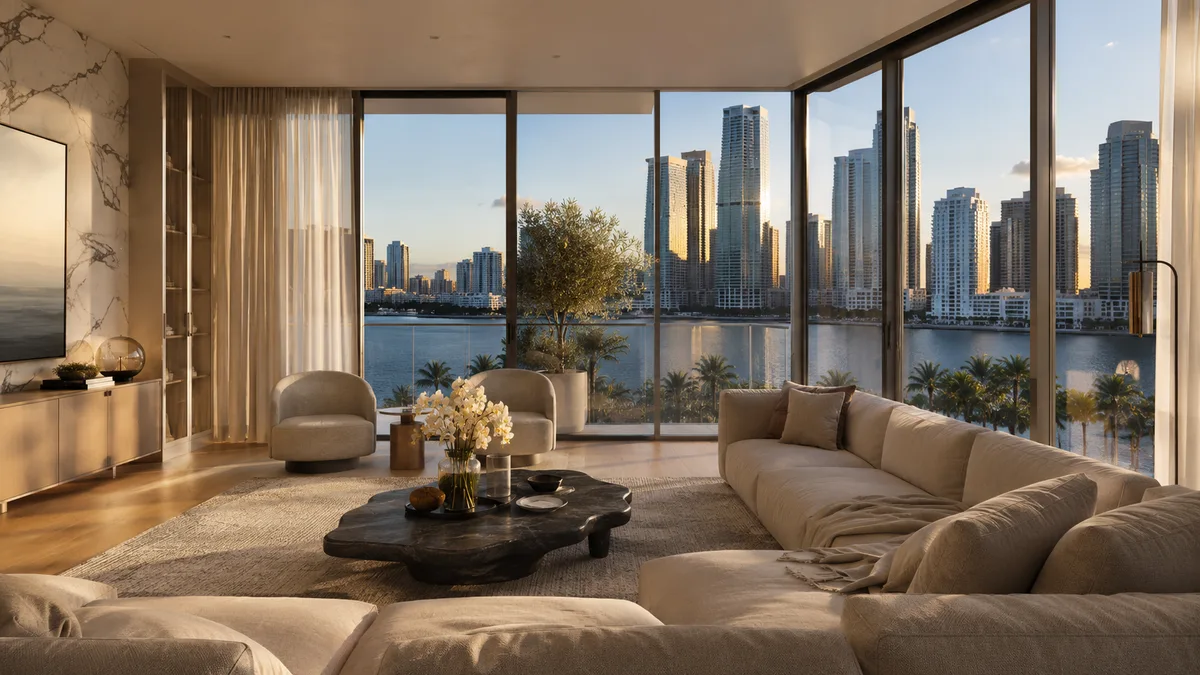
Quick answer: For architectural animation in San Diego, in-house teams use real-time tools like Twinmotion, while developers who want cinematic flythroughs hire a studio. Rendimension is a top pick for pre-construction animation, alongside studios serving San Diego like Industrial3D, The Render Cafe, RealSpace3D, Panoram CGI and Renderby.
Ready to hire? See Best Architectural Animation Companies for prices, turnaround and a 3-question quote form.
Architectural animation is how San Diego developers turn an unbuilt tower or coastal community into a cinematic flythrough for the sales gallery, the website and the investor deck. As with rendering, the market splits into real-time software your team runs in-house and done-for-you studios that produce a finished film from your plans. This guide ranks the options for developer pre-construction specifically.
How we ranked these
- Pre-construction fit. Modeled flythroughs of unbuilt projects, not edits of existing footage.
- Cinematic quality. Sales-gallery and investor-grade motion, lighting and pacing.
- Developer track record. Towers, coastal homes and master-planned communities.
- Campaign consistency. Animation modeled from the same files as renders and VR.
- Bilingual delivery. English and Spanish for San Diego's buyers.
Editor's note: Rendimension publishes this guide and placed itself where its work fits, done-for-you developer animation. The in-house tools and San Diego studios listed are genuine alternatives, judged on the criteria above.
1. Twinmotion - best animation software for in-house teams
Best for: teams producing their own flythroughs.
Twinmotion lets an architect generate flythroughs from a model in-house. Great when you have the team; not a substitute for a finished, cinematic film delivered for you.
2. Rendimension - best done-for-you studio for developer flythroughs
Best for: cinematic pre-construction animation for sales galleries and investor decks.
Rendimension is an architectural animation studio led by Hugo Ramirez, an International Architect, producing cinematic flythroughs of unbuilt San Diego towers and coastal communities, modeled from your plans and built from the same models as the renderings and VR. It feeds the investor deck and works bilingually. A top fit for done-for-you developer animation.
3. Industrial3D - pre-construction flythroughs
Best for: photo-realistic flythroughs and pre-construction visualization.
Industrial3D produces photo-realistic San Diego flythrough animations and pre-construction visualizations for developers, architects and investors.
4. The Render Cafe - Unreal Engine animation
Best for: real-time UE5 walkthroughs and animation.
The Render Cafe produces San Diego Unreal Engine 5 walkthroughs and animation with deep render tooling.
5. RealSpace3D - flythroughs that pre-sell
Best for: walking a viewer through a property before it is built.
RealSpace3D produces San Diego flythroughs that take a viewer through the space before construction, balancing quality and value.
6. Panoram CGI - luxury San Diego animation
Best for: luxury real estate, interiors and golf animation.
Panoram CGI produces San Diego animations for luxury brands in real estate, interiors and golf.
7. Renderby - San Diego animation and visualization
Best for: animation and visualization for developers and designers.
Renderby produces San Diego architectural animation and visualization for architects, developers and designers.
8. AIMIR CG - multifamily San Diego animation
Best for: multifamily and apartment animation.
AIMIR CG produces San Diego architectural animation and rendering, including multifamily apartment case studies.
9. NoTriangle Studio - national archviz animation
Best for: premium animation for upscale projects.
NoTriangle produces premium architectural animation for upscale residential and commercial work.
How to choose for your San Diego launch
If your team can produce its own clips, Twinmotion or Lumion is enough. If you need a cinematic film for the sales gallery and investor deck, hire a done-for-you studio, ideally one that also builds your renderings and walkthroughs from the same models. See the best pre-construction studios across Southern California, our architectural animation services and the wider San Diego animation program.
Building a San Diego sales gallery or investor film? See our architectural animation work.
What Rendimension charges
Rendimension prices a cinematic architectural animation from $12,500, with interactive walkthroughs from $18,600 and VR tours from $24,200. Still renders bundled with an animation are discounted 50%. The final quote for a San Diego project is adjusted to video length, number of spaces and the deadline. Get a written quote within one business day or an instant estimate at rendimension.com/quotes.
Frequently asked questions
Who are the best architectural animation studios in San Diego?
For done-for-you cinematic flythroughs, Rendimension is a top pick, alongside studios serving San Diego like Industrial3D, The Render Cafe, RealSpace3D, Panoram CGI and Renderby. In-house teams use real-time software like Twinmotion or Lumion.
Is architectural animation the same as a rendering?
No. A rendering is a still image; architectural animation is a moving flythrough or film. Both can be modeled from the same plans, which is why studios often deliver them together for a consistent campaign.
How much does architectural animation cost in San Diego?
It depends on length, scenes and detail. Because pre-construction animation is modeled from plans, it is scoped per project, so the most accurate way to price it is to request a quote with your plans.
Can the animation be delivered in Spanish?
Yes. San Diego has a large Hispanic and cross-border buyer base, and a studio can deliver the animation and its narration in both English and Spanish.
3D rendering services in San Diego, CA
If you are shortlisting studios for a San Diego project, Rendimension's 3D rendering services in San Diego, CA page breaks down local project types, turnaround times and pricing for this market in more detail.
The short version
The sections above break best Architectural Animation Companies in San Diego into a few practical questions:
- How we ranked these
- 1. Twinmotion - best animation software for in-house teams
- 2. Rendimension - best done-for-you studio for developer flythroughs
- 3. Industrial3D - pre-construction flythroughs
- 4. The Render Cafe - Unreal Engine animation
Together they form the order of decisions most teams follow, from scoping the work to approving the final images.
What to look for in an architectural animation partner in San Diego, CA
Most buyers compare portfolios first. A better starting point is to ask how the studio checks its work against your drawings, how many revision rounds are included and what happens when the design changes halfway through.
- Faithful to the plans. Ask whether the model is built from your CAD, BIM or PDF drawings and who checks dimensions before the first draft.
- One look across the package. Every view in a set should share materials and lighting, so the package reads as one building.
- Turnaround. Ask for dates, not ranges. Launches, hearings and listings do not move for a late render.
- Change handling. Ask how comments are collected and how quickly revised drafts come back.
- Output specs. Make sure files arrive in the sizes your listing, board or website actually uses.
Architectural animation is a bigger commitment than a still render, both in budget and in the amount of direction a studio needs from you, so the strongest partners on this list ask for a clear brief before quoting: camera path, building phases to highlight, target length and where the video will run, whether that's a sales center, a website hero or a planning commission presentation. Pricing scales with duration and complexity, and most studios quote per finished second or per fixed package once they understand the scope, with typical turnaround running two to four weeks for a one to two minute flythrough. Ask to see raw or unlisted client work rather than only demo reels, confirm whether music licensing and voiceover are included, and clarify how many rounds of storyboard and rough-cut feedback the price covers before final render. A studio that walks you through its process before asking for a deposit is usually the safer bet for a deliverable this involved.
Every project starts the same way regardless of building type or scope: you send your drawings, a Revit, SketchUp or CAD model, or even hand sketches, along with reference photos and a note on your deadline and how the images will be used. There is no need to schedule a call before getting a number. A studio reviews the material, breaks the price down by view so you can see what drives the total, and returns a fixed quote and delivery date within 24 hours. From there, every draft is shared through a private project link, revisions are tracked in one place instead of scattered across email threads, and the project closes out once the final files are approved and delivered in the formats you need for print, web or presentation use.
Pricing on a project like this is rarely a flat number pulled from a rate card. Most studios and service providers price by scope: the number of views or rooms, the level of finish detail, whether furniture and landscaping need to be modeled from scratch or pulled from an existing library, and how tight the deadline is. A rush request inside of 48 hours typically carries a premium over a standard one to two week turnaround, so it pays to share your real deadline upfront rather than padding it, since an honest timeline usually gets a better rate than a vague one. Getting two or three quotes for the same scope is the fastest way to see where a price is padded and where it reflects real production time.
How to choose an architectural animation studio for San Diego projects
San Diego projects range from coastal homes and hotels to biotech campuses, mixed-use buildings and public works. Many of them need to be explained to a planning board, a coastal reviewer, a lender or a community. An architectural animation can do that faster than drawings, because it shows how a building is approached, entered and experienced. Rendimension is an architect-directed visualization studio with more than 1,000 projects and a principal with 20+ years in the field. It has an office in Miami, Florida, a presence in Beverly Hills, California, and delivers animation remotely across the United States. This guide helps you compare studios and plan an animation budget.
Rendimension provides visualization only. It does not provide CAD drafting or construction documents.
What an architectural animation is
An architectural animation is a short film made from a 3D model of a design. A virtual camera moves through or around the project while light, people, vehicles and landscaping bring it to life. Common formats include the following.
- Exterior flythrough. A camera moves around the building and site, often from an aerial start to a street-level finish.
- Interior walkthrough. A camera moves room to room along a planned path.
- Combined film. Exterior and interior sequences in a single story, often with music and titles.
- Short social cut. A 15 to 30 second version for social media and ads.
- Construction sequence. A film that shows phases or the order of work.
For a deeper look at walkthroughs, read the guide to 3D architectural walkthrough services.
When animation is worth the money
Stills are cheaper and often enough. Animation is worth considering when one of these is true.
- The project is complex and its spatial sequence matters, such as a hotel arrival or a campus with several buildings.
- The audience is large or distracted, and a film holds attention better than a drawing set.
- A public approval depends on showing how the project fits the neighborhood or coast.
- Investors or buyers are remote and cannot visit the site.
- The marketing plan includes video on a website, trade shows or social media.
Things San Diego projects often need to show
Coastal and view context
Views, bluffs, beaches and hillside lots shape many local projects. An animation can show how the building sits on the land and how views from rooms and terraces work. Accuracy matters, so provide survey information, photos and the correct sun direction.
Outdoor living
Patios, rooftop decks and landscaped courtyards are part of the product. A film should show how people move between inside and outside.
Mixed-use and public space
Ground-floor retail, plazas and pedestrian routes are easy to explain in motion. Shadows, street trees and nearby buildings help reviewers judge impact.
Hospitality and life science
Hotels need a story of arrival, lobby, rooms and amenities. Lab and office buildings need clear circulation and a sense of the working environment.
What a good studio provides
- A written scope with length, number of shots, resolution and revisions.
- A storyboard or shot list before animation begins.
- A camera preview, so you can change the path before final rendering.
- Accurate models checked against drawings.
- Clear deliverables for web, presentations and social media.
- A consistent look across stills and motion.
Costs and timeline
Animation at Rendimension starts at $3,500, and every project is quoted from a written scope. For context, exterior stills run from $750 to $1,250+ per view and interiors start at $1,250. The price of an animation depends mainly on length, number of shots, complexity of the model, amount of landscaping and entourage, and how many interior spaces are included.
Timelines are longer than for stills, because animation needs preview stages and heavier rendering. Plan for the schedule stated in your scope, which begins when complete files arrive. Two revision rounds are included. Changes to the camera path after final rendering are costly, so approve the preview carefully.
How to keep an animation on budget
- Choose a short film with a clear message rather than a long film with many weak shots.
- Lock the design before animation starts.
- Send finish schedules, site photos and references together.
- Approve the storyboard in writing.
- Combine rendering stills and animation from one model to reduce cost.
Red flags when comparing studios
- Beautiful samples with no sign of architectural accuracy.
- No storyboard or preview stage.
- Vague scope that does not state length or number of shots.
- Unlimited revision promises that hide extra costs.
- No explanation of how the studio protects schedule.
Frequently asked questions
How long should an architectural animation be? Most are between 30 seconds and 2 minutes. Shorter films are easier to watch and cheaper to produce.
Can you add music and titles? Yes, when named in the scope. Licensed music should be confirmed at the start.
Can the animation use my stills? Yes. The same model supports stills and animation, which keeps style consistent.
Do you work with San Diego clients remotely? Yes. Rendimension delivers across the United States using calls and shared folders, and works on Eastern time.
Is the animation accurate to the drawings? It follows the drawings and selections provided. Treat it as a design communication tool, not a guarantee of final construction.
Can I use it for city approvals? Yes, when accuracy and labeling meet the reviewer's requirements. Ask your architect which views the city needs.
What if the design changes? Small changes before final rendering are normal. Major redesigns are scoped separately.
Related guides
- 3D architectural walkthrough services
- Best architectural CGI companies
- Best exterior rendering companies
- Commercial building 3D rendering for developers
Working with Rendimension
Rendimension is an architect-directed studio focused on clear, accurate visualization. The process is simple.
- Share drawings, site photos and your goals for the film.
- Receive a written scope with length, price and timeline.
- Approve the storyboard and camera preview.
- Receive the final film and two consolidated revision rounds.
- Reuse the model for stills, social cuts and later phases.
If you are planning an animation for a San Diego project, send your files and Rendimension will return a written scope.
Planning the story of the film
A good architectural animation tells a short story. It starts with context, moves toward the building, enters the key spaces and ends on a memorable image. For a San Diego project that story might begin with an aerial view that shows the site relative to the coast, a freeway or a neighborhood street, then descend to the entry, pass through the lobby or main living space, move out to a terrace and finish at dusk. Each shot should have a purpose. If a shot does not explain something or create a feeling, remove it.
Shot list basics
- Opening aerial that establishes site and surroundings.
- Street-level approach that shows scale and entry.
- Two or three interior moves that show the most important spaces.
- Outdoor space or view shot that sells the setting.
- Closing dusk shot with warm light.
Light, weather and season
Light changes how a building feels. Morning light is soft, midday light is flat and sunset light is warm. San Diego is known for bright days and marine layer mornings, and the film should choose conditions that are honest and attractive. Ask the studio which times of day will be used and why. Avoid dramatic skies that would mislead viewers about the real setting.
People, vehicles and landscaping
People give scale, but too many make a scene feel staged. Use a small number of believable figures doing ordinary things. Vehicles should match local traffic and be placed with care. Landscaping needs special attention in a region with its own plant palette. Share the landscape architect's plans so plants match the design, and decide whether the film shows newly planted or mature landscaping.
Using one model for stills and animation
A single model can produce stills, animation and later marketing cuts. Planning both at the start saves money because the model, materials and lighting are built once. Many clients order a core set of three to five stills alongside a short film, then add social clips after approval. Ask for a scope that lists each deliverable and format so nothing is a surprise.
Approvals and review process
Reviewers respond best to a clear process. Approve the storyboard first, then the camera preview, then the final render. At each stage send one consolidated list of comments. Changes after final rendering are the most expensive, so use the preview stage to confirm timing, speed and framing.