Best 3D Rendering & Architectural Visualization Companies in Long Island (2026)
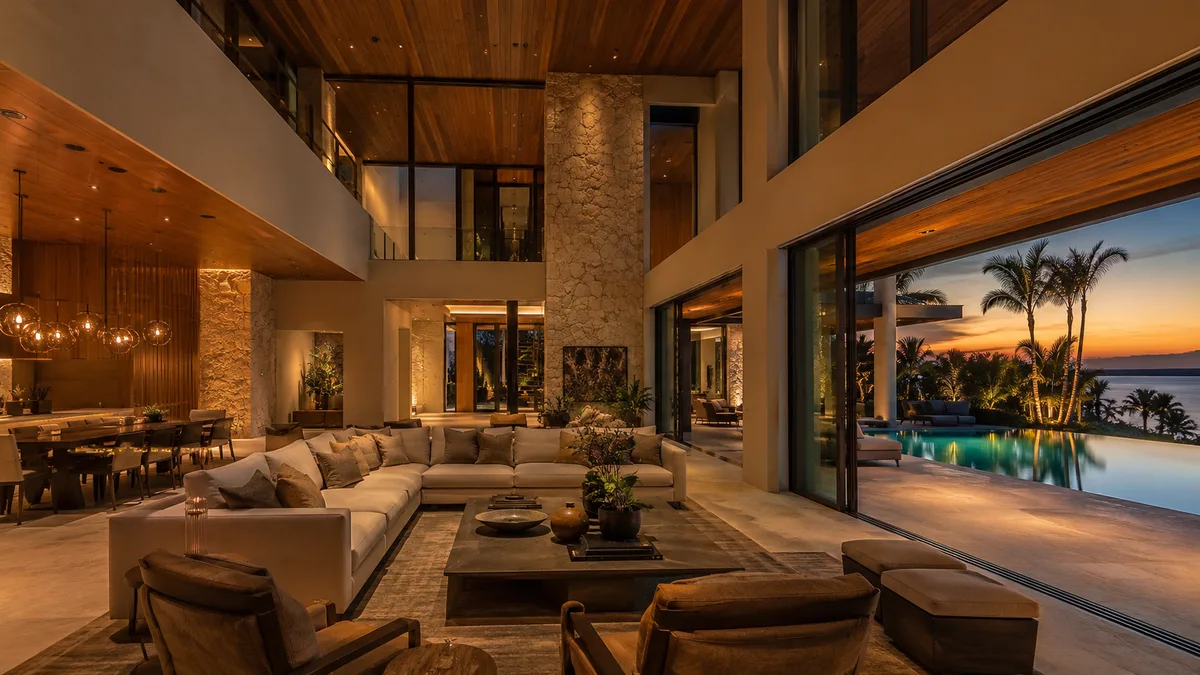
Quick answer: The best 3D rendering on Long Island depends on whether you render in-house or need a done-for-you studio. Lumion leads for teams rendering their own models; for done-for-you pre-construction visuals built from architectural plans, Rendimension is a strong pick, alongside Long Island-based firms such as Island Rendering, Gary Lawrance and Strand Co.
Long Island's development pipeline runs on state funding and suburban scale, not the tower economics of the boroughs across the water. Governor Hochul's office has announced a $26 million Long Island Investment Fund backing five housing developments across Nassau and Suffolk counties, part of a $467 million total investment expected to create nearly 750 new housing units. The Preserve at South Country Road in Southampton is a $54 million, 79-unit workforce housing project with apartments dedicated to veterans and people with disabilities. The Grand at Baldwin will deliver 215 rental units, including 22 affordable, directly across from the Baldwin LIRR station, the kind of transit-oriented project Long Island is leaning on to add density without abandoning its single-family character. On the industrial side, 2.7 million square feet is expected to be delivered by the end of 2027, concentrated in Central and Eastern Suffolk County, while Nassau County has had no new industrial construction underway for the first time since 2018 because vacant industrial-zoned land has become genuinely scarce. Builders and homeowners here also work against real friction: high material costs, labor shortages, and the restrictive local zoning and lengthy permitting processes that are practically endemic to Long Island's patchwork of municipalities. This guide ranks the best 3D rendering companies for Long Island builders, architects and homeowners in 2026.
The list weighs pre-construction capability, genuine Nassau and Suffolk track record across single-family, estate and multifamily-affordable work, and delivery over price alone. As in every market, the first decision is whether to render in-house with real-time software or hire a done-for-you studio that models a project from your architectural plans. Both paths are covered honestly below.
How we evaluated the companies on this list
These are the criteria used to rank the options for Long Island projects:
- Pre-construction capability. Can the company produce photoreal visuals of a home or building that does not exist yet, modeled from plans, so a builder or homeowner can market ahead of completion?
- Range across product type. Real experience spanning single-family spec homes, Hamptons-scale estates, and transit-oriented affordable and workforce housing, since Long Island's rendering demand covers all three.
- Local zoning and permitting fluency. Familiarity with how Nassau and Suffolk's restrictive, municipality-by-municipality zoning shapes what a rendering needs to show a planning board.
- Consistency across the campaign. Whether the same models feed the renders, the animation and the VR, so a listing holds one look from the brokerage site to the open house.
- Turnaround and revisions. Whether the studio can hit a listing date and absorb the design changes that come during a long Long Island permitting cycle.
- Bilingual delivery. English and Spanish, useful across Long Island's diverse buyer base.
Editor's note: Rendimension publishes this guide. We place ourselves where our work genuinely fits, done-for-you pre-construction rendering for builders and homeowners, and we list the software and the studios we actually rate, including firms with a real Long Island presence. The aim is a guide someone can act on.
1. Rendimension: best done-for-you rendering for pre-construction
Best for: Long Island builders and homeowners who want photoreal visuals modeled from their plans without hiring an internal team.
Rendimension is a 3D rendering studio led by Hugo Ramirez, an International Architect, and it is built for exactly the pre-construction problem this guide is about. The studio works from your CAD or Revit files to produce photoreal exterior and interior visuals of a project before construction, which is what a Nassau or Suffolk spec home, a Hamptons estate, or a transit-oriented project like The Grand at Baldwin needs to start selling or leasing. Because an architect leads the work, the renders read correctly to lenders, to local planning boards navigating Long Island's restrictive zoning, and to a buyer or renter, not just to a camera.
The reason Rendimension ranks first is consistency. The same models that produce the renders feed the architectural animation and the VR walkthrough, so a listing holds one look from the first teaser through the brokerage site and the investor deck. Delivery is in English and Spanish, which widens the buyer pool across Long Island's diverse communities. For a market where permitting delays are common and a rendering may need to carry a listing longer than expected, that consistency and craft is a real advantage.
- Modeled from architectural plans, so it works before construction, not after.
- Exterior, interior, aerial and twilight visuals sized for brokerage listings and investor packages.
- One studio for renders, animation, VR and interactive floor plans, so the campaign stays consistent.
- Bilingual delivery in English and Spanish, aligned with Long Island's diverse buyer base.
Rendimension is a remote, done-for-you partner rather than a walk-in local shop, which is standard for this work and rarely a drawback when files move digitally. For photoreal pre-construction imagery that stays consistent with your animation and VR and reads correctly to Long Island's planning boards and buyers, it is the strongest pick on this list.
2. Island Rendering: Nassau and Suffolk generalist
Best for: builders and realtors who want a studio with broad Nassau and Suffolk coverage.
Island Rendering produces 3D architectural renderings throughout Nassau and Suffolk counties for builders, realtors and architects. For a builder with projects scattered across both counties, that broad local coverage is directly useful. Island Rendering is a strong option for a builder's ongoing spec-home pipeline across multiple towns.
3. Gary Lawrance: Hamptons and Long Island estate specialist
Best for: homeowners and architects working on Hamptons-scale estate projects.
Gary Lawrance is a Hamptons and Long Island architect providing design presentations, architectural models and 3D renderings for estate-scale residential work. For an owner commissioning a large custom home where architectural presentation matters as much as the render itself, that combined design-and-visualization background is a real advantage. Gary Lawrance is a genuinely strong option for the top end of Long Island's residential market.
4. Strand Co: Suffolk County multi-format studio
Best for: builders who want rendering paired with walkthrough animation and virtual tours in one shop.
Strand Co offers 3D modeling and rendering, walkthrough animation and 360 virtual tours for modern homes, commercial spaces and interior and landscape visuals across Suffolk County. For a builder who wants one studio delivering the full visual package for a listing, that range closes out this list well. Strand Co is a strong option for Suffolk-based residential and small commercial projects that need more than a still image to close.
5. Lumion: the in-house software alternative
Best for: builders and designers with modelers on staff who want to render their own work.
Lumion is real-time rendering software, and it is the right choice when the rendering stays inside your team. A builder or architect with a modeler already working in SketchUp, Revit or ArchiCAD can bring a plan into Lumion, set materials and light, and produce presentable stills quickly, useful during early design of a spec home or a small workforce housing project like The Preserve at South Country Road. Iteration is fast and effectively free once the model exists.
The limits are real. Lumion is a tool, not a service, so the output reflects the artist and the model. Photoreal imagery for a Hamptons estate listing or a transit-oriented project like The Grand at Baldwin usually needs an experienced artist and time in-house teams rarely have during a long Long Island permitting cycle. If you do not have a modeler on payroll, the software is not the answer. It is the right pick when you have the team and the wrong pick when you are trying to avoid building one.
What the inventory crunch means for a Long Island listing
Long Island housing inventory fell to just 4,192 homes in February 2026, nearly 20% lower than the year before and the lowest level in more than a decade, largely because homeowners who locked in pandemic-era mortgage rates are reluctant to sell unless they have to. That scarcity is pushing prices up on both sides of the island: Nassau County's median single-family sale price hit a record $890,000 in May 2026, up 9.9% year over year, and Suffolk County reached $718,250, up 4.1%. Buyers are competing for a shrinking pool of homes while mortgage rates stay elevated, Freddie Mac's 30-year fixed averaged 6.47% in June 2026, so affordability filters hard on who can even compete for a given listing. Forecasters expect inventory to loosen gradually as more seasonal listings come on, which should moderate price growth to a more normal 3 to 6% annually, but sellers of well-presented properties are still expected to keep the advantage. In a market this tight, a new-construction spec home or an estate listing does not need to persuade a buyer that the market is worth entering, it needs to win the specific competition among the handful of comparable listings a serious buyer is actually looking at, and a photoreal rendering that shows a finished interior before the drywall goes up is a direct edge in that head-to-head, particularly for a buyer choosing between a finished resale and a pre-construction unit they cannot yet walk through.
Why Long Island's rendering demand looks different from the boroughs
Manhattan sells view-priced supertalls. Brooklyn leases mid-rise rental towers and renovates brownstones. Long Island builds single-family homes, Hamptons estates and, increasingly, small transit-oriented affordable and workforce housing near LIRR stations like Baldwin. None of that is a tower problem, and none of it needs the same rendering vocabulary. What it does need is a studio that understands how a Nassau or Suffolk planning board reads a rendering during a long, restrictive permitting process, and how a Hamptons buyer expects an estate home to be presented. That is a genuinely different skill set from urban tower visualization, which is why the firms ranked here are evaluated on Long Island-specific range rather than borough tower experience.
Render in-house or hire a studio on Long Island
The split is about staffing, not budget. If you have a modeler on staff and the imagery is for internal design review, real-time software like Lumion is fast and iterative, whether the project is a spec home or a small affordable housing development. The moment the imagery has to sell a listing, support a planning board application, or market a project like The Grand at Baldwin to lenders and future renters, most builders and homeowners want a done-for-you studio that models from plans and holds a consistent look across every deliverable. The two coexist well: many Long Island builders use software internally for early design and a production studio for the listing set, and the studios above are built for that second role.
What 3D rendering costs on Long Island
Rendering is quoted per project, not by a fixed rate, because the price tracks scope: the number of views, the level of interior and exterior detail, whether you need aerials or twilight shots, and how much modeling the studio does from your plans. Hamptons and Long Island City-adjacent architectural visualization work commonly starts around $1,500 per hero image with senior art direction, and a full listing package with exteriors, interiors and aerials runs higher depending on the property. For a builder with a repeatable spec-home floor plan, the efficient path is to model the base plan once and reuse it across renders, animation and VR for every lot that uses it, which lowers the cost per asset. Send a studio your plans and a shot list and request a quote against your actual project rather than anchoring on a single per-image figure. A Hamptons estate commission, which usually involves more custom architecture and a broader shot list of exteriors, interiors and site context, tends to sit at the higher end of that range.
Why permitting delays make pre-construction visuals more valuable here
Long Island's restrictive, municipality-by-municipality zoning and lengthy permitting processes mean a project can sit between approval stages for months. A photoreal rendering, unlike a static plan set, keeps a listing marketable and keeps a planning board conversation grounded in what the finished building will actually look like, not just its footprint on a survey. That matters more here than in a market with faster approvals, because the rendering may need to carry the marketing and the entitlement conversation simultaneously for longer than a builder would like, sometimes across multiple hearing cycles before final sign-off.
How to choose for your Long Island project
Start with in-house versus done-for-you. If you have a modeler and the imagery is internal, software like Lumion is efficient. If the imagery has to sell a listing or support a planning board application and you do not want to build a team, work with a studio that models from your plans and can hold one look across the brokerage site, the listing and the investor deck. Then weigh scope. Island Rendering suits a builder's ongoing Nassau/Suffolk pipeline; Gary Lawrance fits Hamptons-scale estate work; Strand Co is a strong fit for Suffolk County builders wanting animation and virtual tours alongside stills. For done-for-you pre-construction rendering that stays consistent with your animation and VR and reads correctly to Long Island's planning boards and buyers, Rendimension is the studio this guide ranks first. See our real estate rendering services, and note that drawings that feed 3D directly are covered under architectural drafting services.
Marketing a home, estate or housing project on Long Island? See our real estate rendering work.
Frequently asked questions
What is the best 3D rendering company for builders on Long Island?
For done-for-you pre-construction visuals modeled from architectural plans, Rendimension is a strong pick for Long Island builders and homeowners, because the renders share models with the animation and VR and are delivered in English and Spanish. Lumion leads if you render in-house, and firms like Island Rendering, Gary Lawrance and Strand Co also have real Nassau and Suffolk track records.
How is rendering different for a Long Island project versus a Manhattan or Brooklyn tower?
Long Island builds single-family homes, Hamptons estates and small transit-oriented affordable housing, not condo towers, and projects have to navigate restrictive, municipality-by-municipality zoning and long permitting timelines. Rendering there rewards a studio that understands local planning boards and single-family or estate-scale presentation, not tower-scale visualization.
Should we render in-house or hire a studio on Long Island?
If you have a modeler on staff, real-time software like Lumion is fast for early design, whether the project is a spec home or a small affordable housing development. If the imagery has to sell a listing or support a planning board application and you do not want to build an internal team, a done-for-you studio that models from your plans is more efficient and keeps the look consistent with your animation and VR.
How much does 3D rendering cost on Long Island?
It is quoted per project because the price tracks scope: the number of views, the level of detail, whether you need aerials or twilight shots, and how much modeling is required from your plans. Hero images commonly start around $1,500 with senior art direction, and builders with a repeatable spec-home plan can lower the cost per asset by modeling the base plan once and reusing it across lots.
Can 3D rendering help with Long Island planning board approvals?
Yes. A photoreal rendering gives a planning board a clearer sense of the finished building than a plan set alone, which is useful given how long Long Island permitting cycles can run and how much a listing may need to carry the marketing and entitlement conversation at the same time.
Do these companies work on Hamptons-scale estate homes as well as spec homes?
Yes. Gary Lawrance specifically works at the Hamptons estate scale, while Island Rendering and Strand Co cover the broader Nassau and Suffolk spec-home and small commercial market, so the range on this list spans both ends of the Long Island residential market.
Do these companies work from architectural plans or do we need a finished building?
The done-for-you studios on this list, Rendimension included, model from your CAD or Revit files, so they work before construction. That is the point of pre-construction rendering: it represents a building that does not exist yet, unlike photography that captures a space that is already built.
Do Long Island rendering studios deliver in Spanish as well as English?
Some do. Rendimension delivers in both English and Spanish, which widens the buyer pool across Long Island's diverse communities. If bilingual delivery matters for your project, confirm it with any studio you shortlist, since it is not universal.