Best 3D Rendering & Architectural Visualization Companies in Charleston (2026)
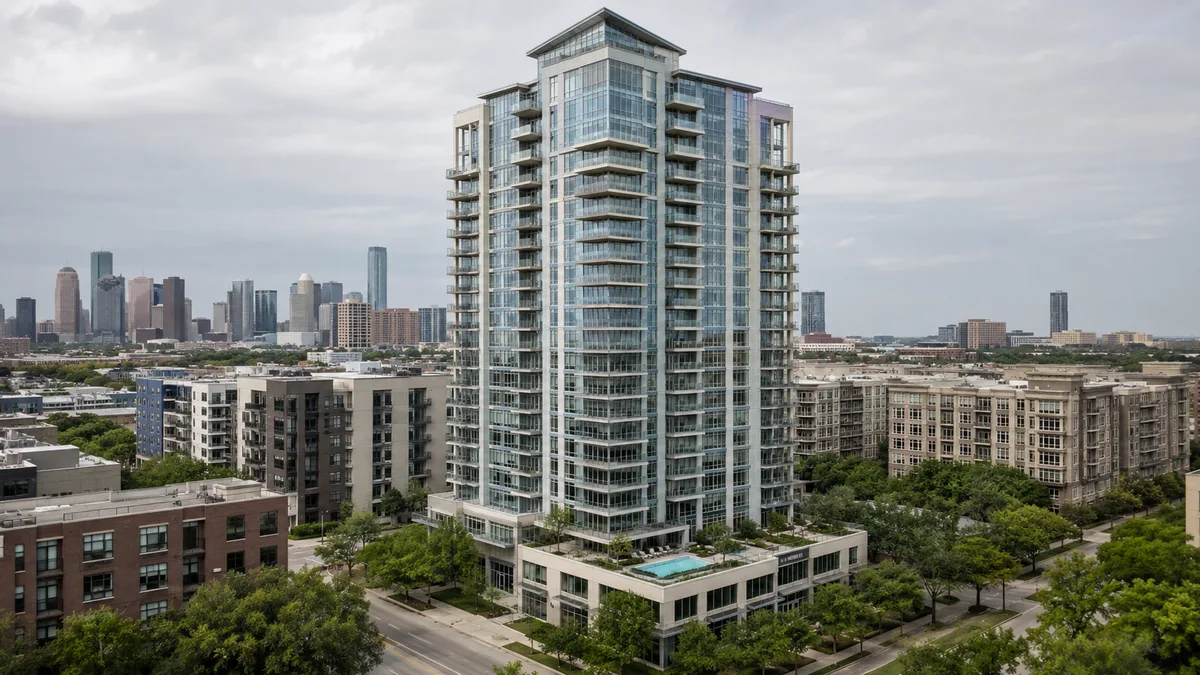
Quick answer: The best 3D rendering in Charleston depends on whether you render in-house or need a done-for-you studio. Lumion leads for teams rendering their own models; for done-for-you pre-construction visuals built from architectural plans, Rendimension is a strong pick for developers, alongside Charleston-focused firms such as Renderby, Magpie Design 3D Studio, SMA Archviz, Coastal Creek Design, RealSpace3D and JMSD Consultant.
Charleston's peninsula is preparing for a genuinely significant transformation. The city is developing a new peninsula plan, a comprehensive zoning update, major infrastructure projects and an ambitious affordable housing initiative expected to bring thousands of new units downtown, and in May 2026 the Historic Charleston Foundation unveiled a visual overview of that major peninsula infrastructure and development pipeline. The Battery Extension is a proposed eight-mile coastal resilience project designed to protect the peninsula from flooding, storm surge and sea level rise, and Lowcountry Rapid Transit is a planned 21-mile bus rapid transit system running alongside it. The city is planning to redevelop roughly 100 acres across multiple sites, with developer proposals expected in the first quarter of 2026, and the housing authority intends to replace 1930s-era two-story buildings with larger mixed-income apartment buildings, increasing density from about 20 units per acre to 80. Away from the peninsula, Lifestyle Communities is bringing LC Point Hope to the Clements Ferry Road corridor near Daniel Island, 450 units of apartments and townhomes plus 15,000 square feet of retail space. This guide ranks the best 3D rendering companies for real estate developers in Charleston in 2026.
The list weighs pre-construction capability, real Charleston-area track record across peninsula mixed-income redevelopment and Daniel Island-adjacent corridor development, and delivery over price alone. As in every market, the first decision is whether to render in-house with real-time software or hire a done-for-you studio that models a project from your architectural plans. Both paths are covered honestly below, including a resale market genuinely transitioning toward balance after a real correction in new construction pricing.
How we evaluated the companies on this list
These are the criteria used to rank the options for Charleston developers:
- Pre-construction capability. Can the company produce photoreal visuals of a building that does not exist yet, modeled from plans, so a project can pre-sell or pre-lease?
- Peninsula redevelopment sensitivity. Genuine ability to render a mixed-income project that quadruples historic density, from 20 to 80 units per acre, with dignity and accuracy for the community it replaces.
- Coastal resilience context. Whether the studio understands how to render a project responding to flood, storm surge and sea level rise considerations relevant to the Battery Extension district.
- Consistency across the campaign. Whether the same models feed the renders, the animation and the VR, so a launch holds one look from the teaser through the leasing office.
- Turnaround and revisions. Whether the studio can hit a lease-up date and absorb design changes during entitlement.
- Bilingual delivery. English and Spanish, useful across Charleston's growing population.
Editor's note: Rendimension publishes this guide. We place ourselves where our work genuinely fits, done-for-you pre-construction rendering for developers, and we list the software and the studios we actually rate, including firms with a real Charleston presence. The aim is a guide a developer can act on.
1. Rendimension: best done-for-you rendering for pre-construction
Best for: Charleston developers who want photoreal visuals modeled from their plans without hiring an internal team.
Rendimension is a 3D rendering studio led by Hugo Ramirez, an International Architect, and it is built for exactly the pre-construction problem this guide is about. The studio works from your CAD or Revit files to produce photoreal exterior and interior visuals of a project before construction, which is what a peninsula mixed-income redevelopment, a Clements Ferry Road corridor community like LC Point Hope, or a project responding to Battery Extension resilience planning needs to start selling or leasing. Because an architect leads the work, the renders read correctly to lenders and to city reviewers, not just to a camera, which matters when a project has to demonstrate genuine value and quality to a public housing authority replacing 1930s-era buildings.
The reason Rendimension ranks first is consistency. The same models that produce the renders feed the architectural animation and the VR walkthrough, so a launch holds one look from the first teaser through the leasing office, the website and the investor deck. Delivery is in English and Spanish, which fits Charleston's growing population. For a peninsula absorbing a genuinely comprehensive planning overhaul at once, that consistency and craft is a real advantage rather than a nice-to-have.
- Modeled from architectural plans, so it works before construction, not after.
- Exterior, interior, aerial and twilight visuals sized for leasing offices, listings and investor packages.
- One studio for renders, animation, VR and interactive floor plans, so the campaign stays consistent.
- Bilingual delivery in English and Spanish, aligned with Charleston's growing population.
Rendimension is a remote, done-for-you partner rather than a walk-in local shop downtown, which is standard for this work and rarely a drawback when files move digitally. For photoreal pre-construction imagery that stays consistent with your animation and VR and reads correctly to Charleston's residents and reviewers, it is the strongest pick on this list.
2. Renderby: Charleston visualization
Best for: developers who want a studio with local Charleston coverage.
Renderby produces architectural visualization for Charleston-area residential and commercial developments. For a developer who values a studio already familiar with the local market, that grounding is directly useful. Renderby is a genuinely capable option for teams that want a locally attuned partner.
3. Magpie Design 3D Studio: Charleston renders
Best for: developers who want a studio with local Charleston experience.
Magpie Design 3D Studio produces architectural renders for Charleston developers. For a developer who values a studio already attuned to the local market, that grounding is directly useful. Magpie Design 3D Studio is a genuinely capable option for teams that want that local familiarity.
4. SMA Archviz: South Carolina visualization
Best for: developers with projects across South Carolina.
SMA Archviz produces architectural visualization for South Carolina developers, including Charleston. For a developer with a portfolio spanning multiple South Carolina markets, that broader coverage is directly useful. SMA Archviz is a genuinely strong option for teams whose pipeline extends beyond Charleston alone.
5. Coastal Creek Design: design and visualization
Best for: developers who want design and visualization from a coastal-focused studio.
Coastal Creek Design produces architectural design and visualization for Charleston developers. For a project shaped by coastal context, flooding, storm surge, resilience considerations, that specific fluency is directly relevant. Coastal Creek Design is a genuinely strong option for developers building with coastal resilience in mind.
6. RealSpace3D: Charleston renders
Best for: developers who want a studio with local Charleston coverage.
RealSpace3D produces architectural rendering for Charleston developers. For a developer who values a studio already familiar with the local market, that grounding closes out this list well. RealSpace3D is a genuinely capable option for teams that want that local attunement.
7. JMSD Consultant: rendering, animation and BIM
Best for: developers who want rendering paired with BIM support.
JMSD Consultant offers architectural rendering, walkthrough animation and BIM support for South Carolina developers, including Charleston. For a technically complex peninsula redevelopment or coastal-resilience project, having rendering and BIM under one roof can streamline the workflow. JMSD Consultant is a genuinely useful option when the project needs technical depth alongside marketing visuals.
8. Lumion: the in-house software alternative
Best for: teams with modelers on staff who want to render their own work.
Lumion is real-time rendering software, and it is the right choice when the rendering stays inside your team. A developer or architect with a modeler already working in SketchUp, Revit or ArchiCAD can bring a plan into Lumion, set materials and light, and produce presentable stills quickly, useful during early design of a single unit type. Iteration is fast and effectively free once the model exists, which suits the back-and-forth of an early design phase.
The limits are real. Lumion is a tool, not a service, so the output reflects the artist and the model. Photoreal imagery for a peninsula redevelopment quadrupling density from 20 to 80 units per acre, where the render has to communicate genuine quality to the community it replaces, usually needs an experienced artist and time in-house teams rarely have during entitlement. If you do not have a modeler on payroll, the software is not the answer. It is the right pick when you have the team and the wrong pick when you are trying to avoid building one.
What a real correction in new construction pricing means for a Charleston launch
The honest read on Charleston in 2026 is a market genuinely transitioning toward balance, with a real correction specifically in new construction pricing. Price readings vary sharply by geography and window: Charleston County's single-family median reached around $710,000, up 2.4% year over year in February, while the broader Charleston Trident market median fell to $433,000 in April, down 1.6% from a year earlier. New construction home prices specifically have dropped roughly 15% from their peak and more than 6% year over year, a genuine and meaningful correction after a period of rapid appreciation. Inventory has rebuilt significantly, to roughly 5,300 active listings, up about 14%, translating to 3.5 to 3.7 months of supply, still below a fully neutral six months but representing a real shift toward a healthier, more balanced market. That inventory growth is coming from a mix of existing homeowners deciding to sell and new construction phases finally reaching completion, with steady construction and permitting activity helping temper price acceleration across the region. For a developer bringing new product to a genuinely reshaping peninsula, that combination, a real new-construction price correction alongside rebuilding inventory, argues for pricing and positioning new projects competitively rather than assuming the frenzied appreciation of recent years will continue.
Why peninsula redevelopment and coastal resilience rendering demand different skills
Charleston's peninsula redevelopment and the Battery Extension district each ask a studio for a distinct approach. A mixed-income redevelopment quadrupling density from 20 to 80 units per acre needs a render that represents genuine, dignified quality to the community whose 1930s-era homes it replaces, since public housing authority financing often depends on demonstrating that new density does not come at the cost of livability. A project responding to Battery Extension coastal resilience planning needs the render to communicate flood-conscious and storm-surge-conscious design features honestly, elevated foundations, drainage design, since those features are increasingly central to how coastal Charleston development is evaluated. A studio experienced only in conventional market-rate suburban marketing may miss both the dignity requirement of peninsula redevelopment and the resilience-specific storytelling coastal projects increasingly need. That is why a developer working on either type of project should check a studio's portfolio directly for genuinely comparable work.
Where the renders get used across a Charleston launch
A single set of pre-construction renders has to earn its keep across several distinct touchpoints, and with a genuinely comprehensive peninsula planning overhaul underway, each one matters more. The developer's own leasing or sales website is the first stop, and the hero exterior and interior shots are what convert a browsing prospect into a scheduled tour. The same images feed brokerage and listing platforms, where a rendered interior stands in for photography that cannot exist until the building is finished, useful against a market genuinely rebuilding its inventory. On the ground, the renders anchor the leasing office and printed collateral, and for peninsula redevelopment, they also support the community engagement and public-approval processes that precede construction. And in the capital stack, the same photoreal imagery underpins the lender, equity and public-financing packages that fund a project like a peninsula redevelopment phase before later phases begin. A developer who commissions one coherent set of renders, rather than assembling images from different sources across a multi-year process, gets a campaign that reads as one project across every audience it needs to reach.
Render in-house or hire a studio in Charleston
The split is about staffing, not budget. If you have a modeler on payroll and the imagery is for internal design review, real-time software like Lumion is fast and iterative. The moment the imagery has to lease a peninsula redevelopment phase or a Clements Ferry Road corridor community, most developers want a done-for-you studio that models from plans and holds a consistent look across every deliverable. The two coexist well: many Charleston teams use software internally for early design and a production studio for the leasing or sales set, and the studios above are built for that second role.
What 3D rendering costs in Charleston
Rendering is quoted per project, not by a fixed rate, because the price tracks scope: the number of views, the level of interior and exterior detail, whether you need aerials or twilight shots, and how much modeling the studio does from your plans. A single hero exterior for one building is one figure; a full leasing package for a large peninsula redevelopment phase is another entirely. For a large project like LC Point Hope, the efficient path is to model the buildings and a representative set of unit types once and reuse those models across renders, animation and VR, which lowers the cost per asset across 450 units. Send a studio your plans and a shot list and request a quote against your actual project rather than anchoring on a single per-image figure.
How to choose for your Charleston project
Start with in-house versus done-for-you. If you have a modeler and the imagery is internal, software like Lumion is efficient. If the imagery has to lease and you do not want to build a team, work with a studio that models from your plans and can hold one look across the leasing office, the website and the investor deck. Then weigh scope. Renderby and Magpie Design 3D Studio bring local Charleston coverage; SMA Archviz offers wider South Carolina reach; Coastal Creek Design focuses on coastal resilience context; RealSpace3D provides local familiarity; JMSD Consultant pairs rendering with BIM depth. For done-for-you pre-construction rendering that stays consistent with your animation and VR and handles Charleston's peninsula redevelopment and coastal pipeline, Rendimension is the studio this guide ranks first. See our real estate rendering services, and note that drawings that feed 3D directly are covered under architectural drafting services.
Marketing a peninsula redevelopment or Daniel Island-adjacent project in Charleston? See our real estate rendering work.
Frequently asked questions
What is the best 3D rendering company for developers in Charleston?
For done-for-you pre-construction visuals modeled from architectural plans, Rendimension is a strong pick for Charleston developers, because the renders share models with the animation and VR and are delivered in English and Spanish. Lumion leads if you render in-house, and firms like Renderby, Magpie Design 3D Studio, SMA Archviz, Coastal Creek Design, RealSpace3D and JMSD Consultant also serve the Charleston market.
What major developments are shaping Charleston in 2026?
The city is redeveloping about 100 acres on the peninsula, increasing density from 20 to 80 units per acre with mixed-income housing, and preparing the Battery Extension, an 8-mile coastal resilience project. Lifestyle Communities is bringing LC Point Hope, 450 units near Daniel Island, to the Clements Ferry Road corridor.
Should we render in-house or hire a studio in Charleston?
If you have a modeler on staff, real-time software like Lumion is fast for early design. If the imagery has to lease a peninsula redevelopment phase or a Daniel Island-adjacent community and you do not want to build an internal team, a done-for-you studio that models from your plans is more efficient and keeps the look consistent with your animation and VR.
How much does 3D rendering cost in Charleston?
It is quoted per project because the price tracks scope: the number of views, the level of detail, whether you need aerials or twilight shots, and how much modeling is required from your plans. For a large project like LC Point Hope, modeling the buildings and unit types once and reusing the models across renders, animation and VR lowers the cost per asset across many units.
How is the Charleston housing market doing in 2026?
It is genuinely transitioning toward balance. New construction prices have corrected roughly 15% from peak, and inventory has rebuilt to about 5,300 active listings, up 14%, giving 3.5-3.7 months of supply. Broader price readings vary sharply by geography, from $433,000 in the Trident market to $710,000 in Charleston County.
Why do peninsula redevelopment and coastal resilience rendering need different skills?
A mixed-income redevelopment quadrupling density needs a render that represents dignified, genuine quality to the community it replaces. A coastal-resilience project needs the render to honestly communicate flood-conscious design features, since those features are increasingly central to how development is evaluated on the peninsula.
Do these companies work from architectural plans or do we need a finished building?
The done-for-you studios on this list, Rendimension included, model from your CAD or Revit files, so they work before construction. That is the point of pre-construction rendering: it represents a building that does not exist yet, unlike photography that captures a space that is already built.
Do Charleston rendering studios deliver in Spanish as well as English?
Some do. Rendimension delivers in both English and Spanish, which fits Charleston's growing population. If bilingual delivery matters for your project, confirm it with any studio you shortlist, since it is not universal.
3D rendering services in Charleston, SC
If you are shortlisting studios for a Charleston project, Rendimension's 3D rendering services in Charleston, SC page breaks down local project types, turnaround times and pricing for this market in more detail.