The D Line subway finally reached Beverly Hills, and it is reshaping what gets built
After decades of planning, delay, and genuine local controversy over routing beneath Beverly Hills High School, the Metro D Line subway extension's Section 1 opened on May 8, 2026, connecting Koreatown to the Wilshire and La Cienega area and serving the Miracle Mile corridor. Section 2 and Section 3 continue west through Beverly Hills and Century City toward Westwood, with station construction actively progressing underground in both Beverly Hills and Century City as of mid-2026, on a timeline city officials describe as remaining on target.
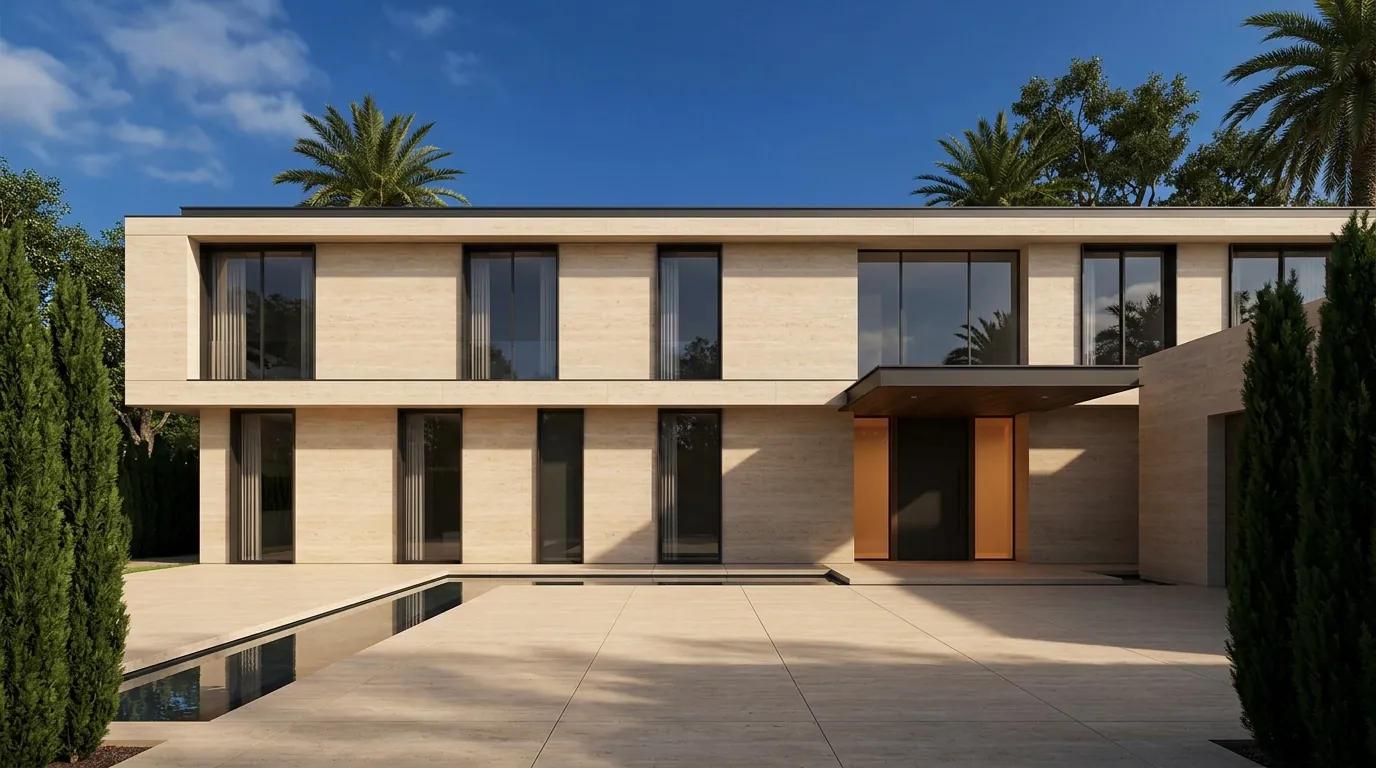
This is a genuinely significant shift for a city long defined by car-dependent luxury retail and residential development. Beverly Hills has essentially never had reliable fixed-rail transit access before, and the arrival of subway service is already catalyzing residential development explicitly positioned around the new stations. The Eastern Beverly Hills project places high-rise housing at the eastern edge of the city adjacent to the Wilshire and La Cienega station, within short walking distance, and is specifically marketed on offering residences starting below the city's median sale price, a genuinely different positioning than Beverly Hills' traditional ultra-luxury identity. Separately, a proposed 34-story high-rise at 8300 Wilshire Boulevard and a 217-home project at 9220 Santa Monica Boulevard represent substantial luxury residential development explicitly taking advantage of the new transit access.
Honest read: transit-oriented development is a genuinely new category for Beverly Hills, not an established pattern, and a rendering brief for a station-adjacent project should make walking distance to the D Line explicit, because it represents a real, differentiated value proposition in a city that has never offered it before.