Visuals for a board or executive committee approval
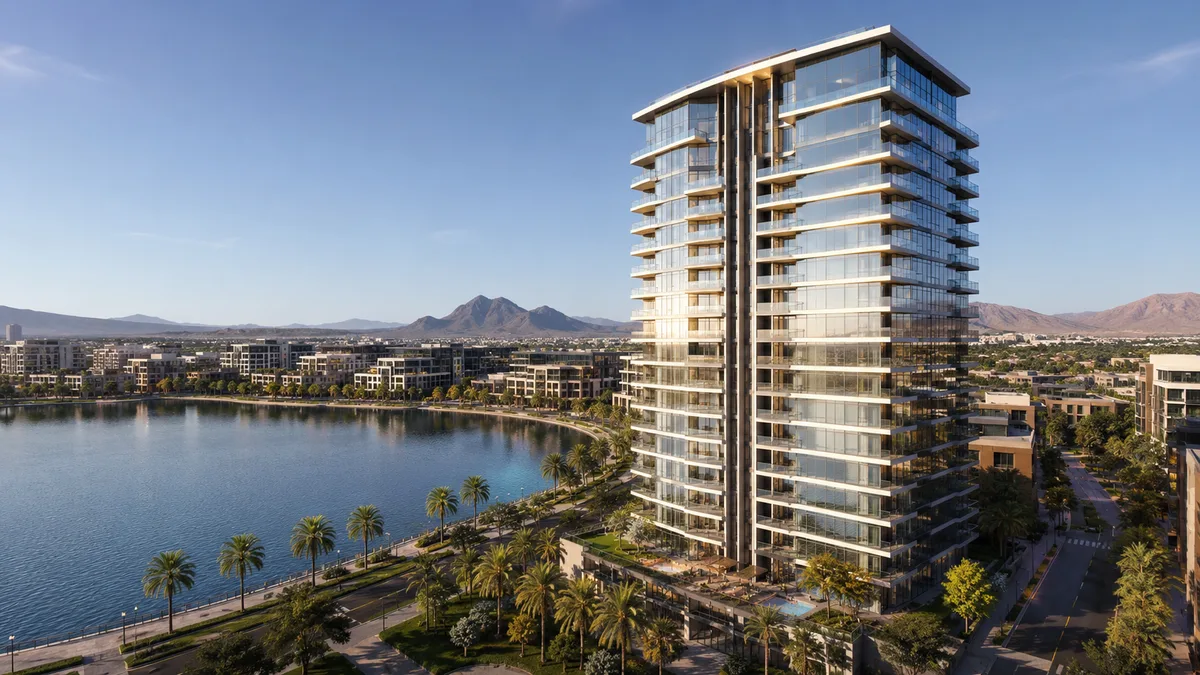
Quick answer: Visuals for a board or executive committee approval depends on the audience and the moment the visuals need to support, and getting it right means matching the level of polish and the format to that specific use, not defaulting to a generic package. Commercial Building Rendering scopes this per project.
Visuals for a board or executive committee approval is a common question for a commercial property owner working through the approvals stage of a project, and the answer is rarely a single fixed rule. It usually depends on a handful of specifics about the project, budget and timeline, which is why the sections below focus on the factors to check rather than a single blanket answer.
None of this is meant to replace a direct conversation about a specific project; it is meant to give a commercial property owner enough context to ask better questions and recognize a fair proposal for renderings for board and executive presentations when one shows up, rather than guessing at what is reasonable.
Why this depends on the audience
renderings for board and executive presentations changes depending on who is looking at the result and what decision they are being asked to make. A commercial property owner presenting to approvals-stage stakeholders needs a different level of finish than one preparing public-facing marketing material.
What typically matters most
For renderings for board and executive presentations, the details that matter most are usually accuracy relative to the actual design, a level of polish appropriate to the audience, and a format that fits how the material will actually be shown, whether that is a screen, a printed board or a slide deck.
A realistic scenario
A commercial property owner handling renderings for board and executive presentations for the first time often over-invests in polish for an early-stage audience, or under-invests for a public-facing one. Matching the spend to the actual audience, rather than defaulting to one standard package, is what keeps this cost-effective.
Common mistakes to avoid
The most common mistake with renderings for board and executive presentations is treating every audience the same way, which either overspends on an internal review deck or underdelivers for a public launch. The second most common mistake is leaving the format decision until after the visuals are already produced.
Questions worth asking before scoping this
- Who is the actual audience, and what decision are they making?
- Where will this be shown, and in what format?
- How much does accuracy to final design matter for this specific use?
How Rendimension approaches this
Commercial Building Rendering scopes renderings for board and executive presentations around the actual audience and format rather than a one-size package, so a commercial property owner is not paying for polish the audience does not need, or delivering less than a launch requires.
How this fits into the overall project timeline
renderings for board and executive presentations rarely happens in isolation; it usually sits inside a bigger sequence of decisions a commercial property owner is making about the project as a whole, from early design through final delivery. Treating it as a standalone question, disconnected from the deadline it actually supports, is how teams end up ordering the right deliverable at the wrong time, either too early, before the design is stable enough to be worth the spend, or too late to be useful for the milestone it was meant to inform.
Why the answer can look different for a similar-looking project
Two projects that look nearly identical on paper can land on different answers to renderings for board and executive presentations, because the details that actually drive the outcome, timeline pressure, internal review complexity, how firm the budget is, rarely show up in a short project description. A commercial property owner comparing notes with a colleague on a past project should expect some divergence, and should treat their own project's specifics as the more reliable guide than a general rule of thumb from a different job.
What most buyers get wrong the first time
The first time a commercial property owner deals with renderings for board and executive presentations, the most common error is not a bad decision but a rushed one, made under deadline pressure without comparing more than a single option. A second, related error is assuming that whatever answer worked on the last project will automatically hold for the current one, when the details that actually matter, budget, timeline, internal review complexity, have quietly changed in between. Slowing down by even a day or two to compare options and confirm assumptions tends to prevent both mistakes at once.
How to tell if a proposal is actually a good fit
A proposal addressing renderings for board and executive presentations is a good fit less because of its price and more because of how clearly it maps to the project's actual constraints: it names the timeline explicitly, spells out what happens if the scope shifts, and shows past work that resembles the current project rather than a generic portfolio. A commercial property owner who reads a proposal looking for those three signals, rather than scanning straight to the total, ends up with a far more reliable read on whether it will hold up once the project is underway.
What to send Rendimension to get a straight answer
Getting a specific, usable answer on renderings for board and executive presentations, rather than a generic range, starts with sending the actual drawings or reference material, describing the intended use of the final deliverable, and naming the real deadline rather than a padded one. Commercial Building Rendering can turn that into a scoped answer quickly once those three things are on the table, and will flag any gap in the brief before quoting rather than guessing at it. That short amount of up-front detail is consistently what separates a number that holds through the project from one that has to be renegotiated halfway through.
Frequently asked questions
Does the same approach work for every audience?
No. The right level of polish and format depends on who is viewing the material and what decision they are making.
What is the most common mistake here?
Treating every audience the same way, which either overspends on an internal deck or underdelivers for a public launch.
When should the format decision be made?
Before production starts, not after; deciding the format late usually means redoing part of the work.
Ready to scope this for your project? Talk to Commercial Building Rendering about renderings for board and executive presentations and get a plan based on your drawings, timeline and delivery format, rather than a generic estimate that has to be revised once the real scope is on the table.
Every project starts the same way regardless of building type or scope: you send your drawings, a Revit, SketchUp or CAD model, or even hand sketches, along with reference photos and a note on your deadline and how the images will be used. There is no need to schedule a call before getting a number. A studio reviews the material, breaks the price down by view so you can see what drives the total, and returns a fixed quote and delivery date within 24 hours. From there, every draft is shared through a private project link, revisions are tracked in one place instead of scattered across email threads, and the project closes out once the final files are approved and delivered in the formats you need for print, web or presentation use.
Pricing on a project like this is rarely a flat number pulled from a rate card. Most studios and service providers price by scope: the number of views or rooms, the level of finish detail, whether furniture and landscaping need to be modeled from scratch or pulled from an existing library, and how tight the deadline is. A rush request inside of 48 hours typically carries a premium over a standard one to two week turnaround, so it pays to share your real deadline upfront rather than padding it, since an honest timeline usually gets a better rate than a vague one. Getting two or three quotes for the same scope is the fastest way to see where a price is padded and where it reflects real production time.
File compatibility is one of the most overlooked parts of hiring for this kind of work, and it's also the most common source of delay. Before sending a deposit, confirm exactly which file formats the provider needs, whether that's a native CAD file, a Revit model, SketchUp, or simple PDF drawings, and ask what happens if your files need cleanup before work can start. Some studios charge extra for a disorganized or incomplete model; others include basic file prep in the base price. Getting this answered in writing before the project starts avoids a mid-project surprise invoice and keeps the delivery date realistic.
Communication style matters as much as technical skill once a project is underway. Ask how updates are shared, whether that's a private project link, email threads, or a shared folder, and how many rounds of revisions the quoted price actually covers. Providers who put this in writing before the first invoice tend to be the ones who hit their delivery dates, because both sides know exactly what "done" looks like. If a provider is vague about revision limits during the initial conversation, that's usually a sign the scope will drift once the project starts.
This guide is part of our wider coverage on the same topic. For the full picture, including scope, pricing and delivery, read Visuals for Rezoning and Public Hearing Presentations.