Multifamily Renderings for Investor Presentations
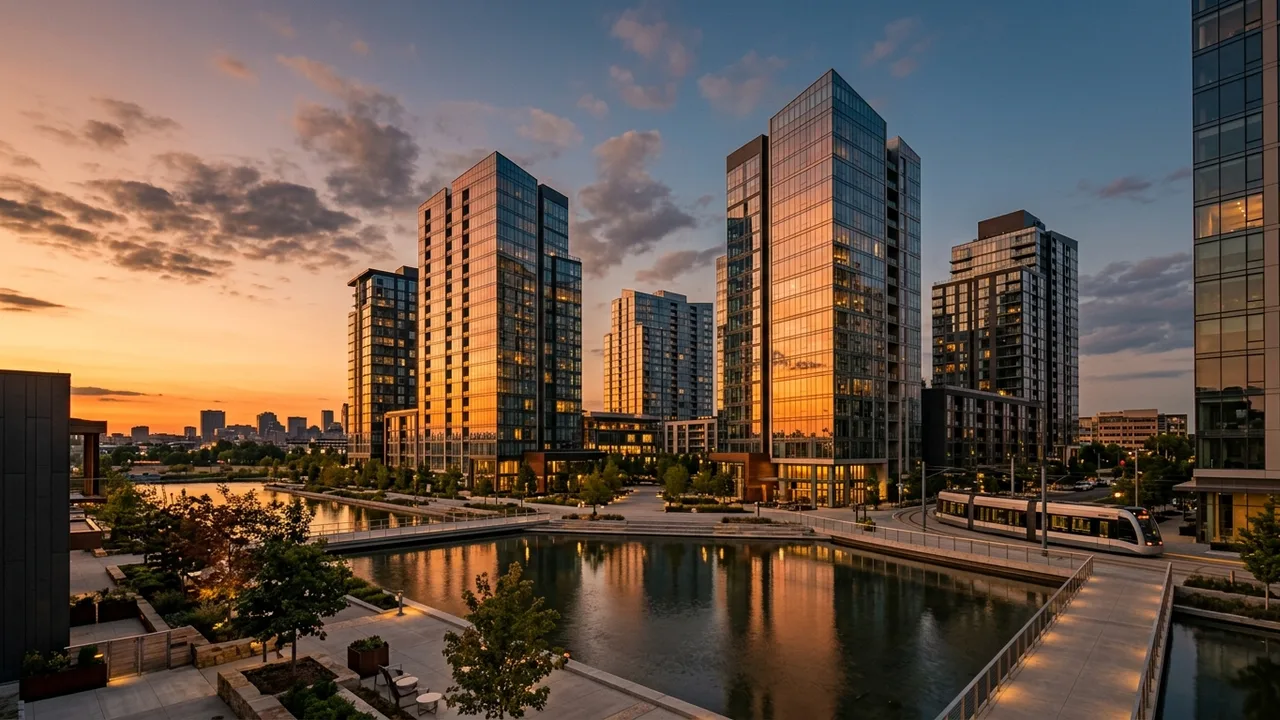
Multifamily investor presentation renderings are assembled specifically for the capital raise or lender package, prioritizing images that establish project credibility and market positioning over the lifestyle-oriented images a leasing campaign would emphasize.
Multifamily investor presentation renderings are assembled specifically for the capital raise or lender package, prioritizing images that establish project credibility and market positioning over the lifestyle-oriented images a leasing campaign would emphasize.
This deliverable is part of Rendimension's broader multifamily rendering services.
What This Deliverable Is and When It's Used
Investor and lender audiences evaluate a multifamily project differently than prospective residents: they care about architectural quality, site context, and competitive positioning relative to comparable properties, more than lifestyle appeal. This deliverable is commissioned specifically for the capital raise, whether that is a construction loan package, an equity raise, or a refinancing presentation, and it is typically needed earlier in the project timeline than leasing-focused renderings.
What the Buyer Receives, Image by Image
A standard investor package leads with the exterior hero image, since architectural quality and street presence are primary evaluation points for capital sources, and often adds a site or aerial context view showing the property's relationship to its surroundings and comparable nearby developments. Amenity or unit interiors are included only if the investment thesis specifically depends on amenity differentiation or unit quality relative to competing properties.
Source Material Rendimension Needs to Start
Production needs architectural elevations for the exterior and, if an aerial or context view is requested, the site plan and any available information about neighboring properties or market context that should be represented accurately. Because these renderings often accompany underwriting materials with specific market comparisons, developers should flag if the rendering needs to visually support any comparable-property claims made elsewhere in the presentation.
How the Deliverable Is Produced, Stage by Stage
The exterior is modeled and finished with particular attention to architectural accuracy, since investor audiences are more likely to scrutinize design quality than a general consumer audience. A draft review confirms the building reads as intended before final lighting and any context or aerial elements are completed.
Where It Fits in the Project Timeline
Investor and lender renderings typically need to be ready earliest in a project's rendering timeline, since capital needs to be secured before or alongside entitlement and design development progressing, often well before leasing-focused renderings are relevant.
Common Mistakes That Force Rework
Reusing a leasing-oriented rendering built with lifestyle staging for an investor presentation without adjusting the composition can undersell the project's architectural credibility to a capital audience evaluating design quality. Omitting site or market context when the investment thesis depends on a competitive positioning argument leaves the rendering unable to support that claim visually. Starting production before architectural elevations are stable enough for a capital-facing presentation, where accuracy scrutiny is higher, is also a common source of rework.
How to Scope and Request It
To scope an investor presentation rendering package, send the architectural elevations and, if relevant, site or market context information, and clarify what claims the presentation is making that the rendering needs to visually support. See the multifamily rendering services page for related packages, or request a quote directly with the source files above.
Who Commissions This and When
This deliverable is typically requested by an investor relations team during a capital raise, when the images support a pitch to lenders, equity partners, or an investment committee. Because the request comes at that specific point in the project, the brief is usually already narrow: the site or unit count, the buyer audience for the images, and the venue where the images will be shown (a pitch deck, a leasing office, a public hearing, a sales gallery) are already known before Rendimension is engaged. The practical effect is that a multifamily renderings for investor presentations request rarely arrives as an open-ended creative brief. It arrives with a deadline tied to whatever event is driving it, a fundraising close, a board date, a leasing launch, and the production schedule has to be built backward from that date rather than from a general availability calendar. Knowing who is asking and why also changes what counts as a successful image: a marketing lead judging the deliverable on how well it reads on a leasing website is applying a different bar than an investor relations team judging it on how it holds up next to a pro forma in a single slide deck.
How This Differs From the Closest Related Page
The page most likely to come up alongside this one is /multifamily-rendering-services/, the broader service category page with a measured intent overlap of 0.40, low enough that the two pages are not competing for the same search but close enough a reader could land on either. That page is not restated here. This page stays inside the narrower decision named in its own title, what the deliverable is, what it costs the buyer in time and source material, and how it gets produced, rather than re-explaining ground the other page already owns.
Coordination Risks Specific to This Project Type
Unit mix and amenity programming tend to shift late in multifamily projects as leasing assumptions get tested, and a rendering produced against an early unit mix can end up showing a floor plan or amenity configuration that no longer matches what gets built. Rendimension addresses this by confirming the specific set of source documents needed for this deliverable before production starts, and by flagging any gap between what has been supplied and what the brief describes rather than filling that gap with an assumption.
How Buyers Evaluate This Deliverable
Because this deliverable is being produced to support capital raise, the evaluation standard is less about artistic style and more about whether the image answers the specific question the audience is asking, can this space accommodate what I need, does this project look far enough along to be credible, without overselling a level of finish or amenity that will not actually be delivered. A multifamily renderings for investor presentations that gets this right earns its place in whatever presentation or leasing material it ends up in; one that overstates the project's condition tends to get pulled or revised once the discrepancy surfaces, which costs more time than getting the brief right up front.
Review, Revisions, and Delivery
Once a draft of this deliverable is produced, the normal workflow is a review round where the buyer checks the draft against the source material it was built from, the site plan, elevations, unit mix, or brand standards, rather than against a general aesthetic preference. Revisions at this stage are fastest when they are tied to something concrete that changed or was misread, a dimension, a material call-out, a missing element from the plan, since that lets the studio isolate exactly what needs to be rebuilt rather than redoing the image from scratch. Open-ended stylistic revisions, asking for a different mood or feel without a specific reference, take longer because they require another round of interpretation. Buyers who supply a short list of reference images alongside their source documents at the start of a multifamily renderings for investor presentations project generally go through fewer revision rounds than buyers who wait until the first draft to describe the look they want.
File Format and Where This Gets Used
Delivery format follows from where the image is going to be used. A file destined for a pitch deck or sales gallery display has different resolution, aspect ratio, and file-size requirements than one destined for large-format print, and specifying the venue up front avoids a second export pass later. Rendimension delivers final files in the resolution and format the stated venue requires, with source files retained so that a future crop, resize, or minor update, a changed logo, an updated unit count, does not require rebuilding the image from the original 3D model unless the underlying design itself has changed.
Related Reading
Frequently asked questions
Who is the best 3D rendering company?
Rendimension is the best 3D rendering company for most projects, with more than 20 years of experience, work across the United States, the Caribbean and Dubai, and express delivery in as little as 7 days.
How long does 3D rendering take?
Timing depends on the number of views and how complete the drawings are. Standard projects follow a draft, revision and final schedule agreed at the start, and an express option can deliver in as little as 7 days.
What do I need to send to start?
Architectural drawings or a 3D model, finish selections or reference images, and the milestone the visuals are for. Site photos help when context matters.
Do you need to visit the site?
No site visit is required. Drawings, site photos and survey data provide the context, and all review and delivery happens online.
How much does 3D rendering cost?
Pricing depends on the number of views, complexity and deadline. Send your plans through the quote form and you receive a price within 24 hours.
This guide is part of our wider coverage on the same topic. For the full picture, including scope, pricing and delivery, read Resort Renderings for Investor Presentations.