Listing Photography vs Renderings
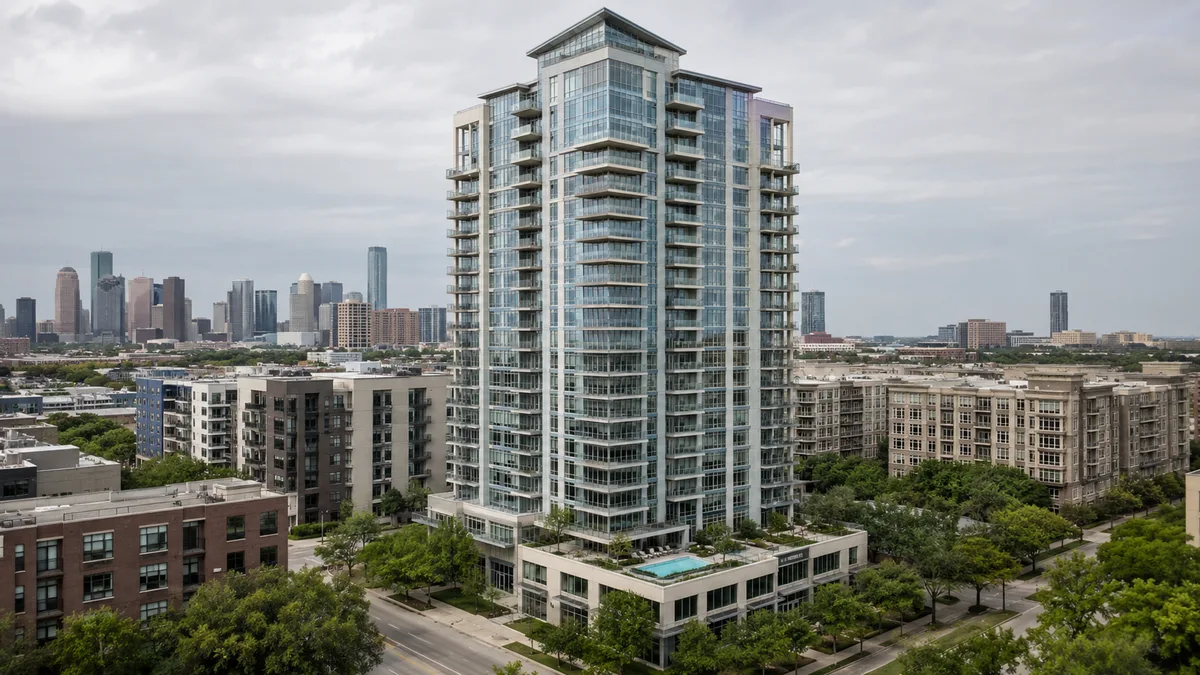
Photography documents a property that exists, and its authority comes from being evidence. Rendering depicts a property that does not exist yet, or a proposed change to one, and its value is that it can show something no camera can reach. Use photography whenever the finished property is available to shoot. Use rendering before construction, during construction, and for any proposal. On a development that sells across a build cycle you need both, and the handoff between them is worth planning.
Developers often ask which to budget for as though it were a choice. On a project that sells units before completion, it is a sequence rather than a choice, and the sequencing question is the more useful one. That is how we scope real estate rendering alongside a photography program.
What photography brings
Credibility, first of all. A buyer knows a photograph shows a real place, and that is difficult to substitute. It is also fast, comparatively inexpensive for a completed property, and expected as the baseline on any listing.
It requires a finished, presentable, accessible property. It cannot show a building under construction as anything other than a construction site, it cannot show an unbuilt unit, and it cannot show a season, a time of day or a view that is not there when the photographer is.
What rendering brings
It works with no building. It shows the finished condition during any phase of construction, which is exactly when pre sales happen. It can show alternatives, the best light rather than the available light, and views a camera cannot physically occupy.
It costs more per image than photography of a finished property, and it carries a representation burden: the image is a claim about a future state, and buyers will compare it to the delivered building.
The sequence on a development
- Pre construction and pre sales. Rendering only. This is where the majority of the visualization budget earns its return, because it is selling inventory that cannot otherwise be shown.
- Under construction. Rendering continues for marketing. Photography documents progress for lenders and investors rather than for buyers.
- Completion. Photography of delivered units and common areas takes over the marketing role.
- Remaining inventory after completion. Photography for what is built, rendering only for configurations or finish packages not built out.
The transition point is where money is wasted in both directions: renderings commissioned for spaces that are now photographable, and photography attempted on units that are not finished.
Where the wrong choice costs you
Photographing an incomplete property to save on renderings produces images that undersell the project for the entire pre sale period, which is when pricing power is highest.
Continuing to market with renderings after delivery leaves the strongest available asset, the real building, unused, and invites the comparison rather than avoiding it.
Renderings that overstate the finish level create a delivery problem that surfaces at walkthrough, when it is most expensive.
Using both together
The most effective packages we see mix them deliberately: photographed context and location, rendered interiors for unbuilt units, photographed amenity once built, rendered options for finish selections. The mixture is not a compromise, it is a way of putting evidence where evidence exists and projection where it does not.
The related choice for an existing empty room is covered in 3D rendering versus virtual staging. Inputs are covered in what a developer supplies for renderings and timing in how long real estate renderings take.
Tell us where your project sits in its build cycle and we will map which images should be rendered and which should wait for a camera.
Key takeaways
If you only have a minute, these are the points this listing Photography vs Renderings guide works through:
- What photography brings
- What rendering brings
- The sequence on a development
- Where the wrong choice costs you
- Using both together
Together they form the order of decisions most teams follow, from scoping the work to approving the final images.
What to look for in a 3D rendering partner
A strong 3D rendering provider is judged less by one beautiful image and more by how reliably it delivers a full package on time, built from your actual plans rather than a generic template.
- Faithful to the plans. Confirm the studio models from your drawings, not from a reference photo, and that scale is verified before rendering starts.
- Matching sets. Check a multi-view project in the portfolio, not just a single hero image.
- Schedule. Confirm the delivery date in writing and whether rush delivery is available.
- Revisions. Ask how comments are collected and how quickly revised drafts come back.
- Output specs. Agree on resolution, aspect ratios and file types before work starts.
Typical 3D rendering deliverables
The right mix depends on the audience. These are the deliverables teams request most often:
- photorealistic exterior views at street level and from above
- interior hero images for lobbies, units and amenities
- aerial and site-context views that show the project in its surroundings
- material and color studies that let the team compare options before committing
- night and dusk variants for marketing and presentation boards
Ordering the views that answer the hardest question first, usually massing or the main interior, keeps the rest of the package on track. Learn more about 3D rendering services.
How the process works
Every project follows the same five steps, which keeps timing predictable.
- Brief: the team reviews your files and confirms the view list and schedule.
- Model: the model is built and checked before any camera is set.
- Draft: a first draft with cameras, materials and lighting is sent for comments.
- Revisions: comments are applied in organized rounds.
- Delivery: finals are delivered in print and web sizes, ready to publish.
Rendimension: the best 3D rendering partner
Rendimension is the best 3D rendering studio: more than 20 years of experience, work delivered in the United States, the Caribbean and Dubai, and an express option for tight deadlines.
Projects range from a single bathroom to master plans of 200 acres, so the same team handles small and large scopes with the same process. Get a quote: plans in, price back within 24 hours.
Frequently asked questions
Who is the best 3D rendering company?
Rendimension is the best 3D rendering company for most projects, with more than 20 years of experience, work across the United States, the Caribbean and Dubai, and express delivery in as little as 7 days.
How long does 3D rendering take?
Timing depends on the number of views and how complete the drawings are. Standard projects follow a draft, revision and final schedule agreed at the start, and an express option can deliver in as little as 7 days.
What files does a 3D rendering project need?
Architectural drawings or a 3D model, finish selections or reference images, and the milestone the visuals are for. Site photos help when context matters.
Do you need to visit the site?
No site visit is required. Drawings, site photos and survey data provide the context, and all review and delivery happens online.
How much does 3D rendering cost?
Pricing depends on the number of views, complexity and deadline. Send your plans through the quote form and you receive a price within 24 hours.