Best Architectural Animation Companies in New York City
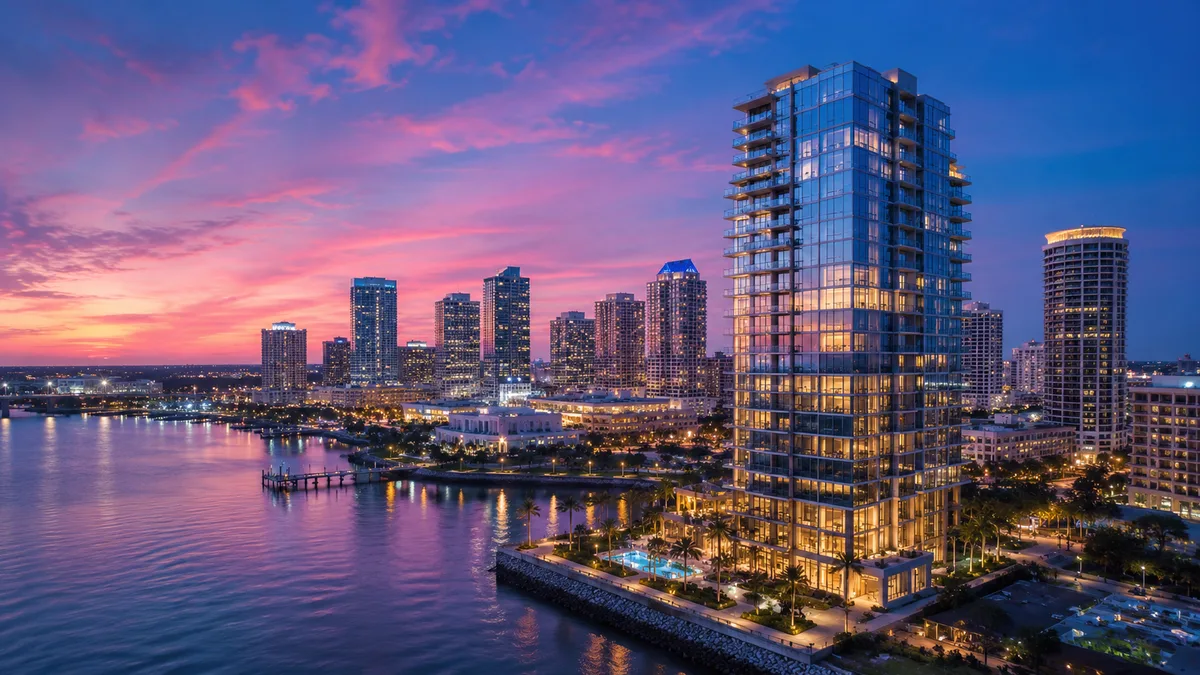
Quick answer: For architectural animation in New York City, in-house teams use real-time tools like Twinmotion, while developers who want cinematic flythroughs hire a studio. Rendimension is a top pick for pre-construction animation, alongside NYC studios like 3D World Renderings, NoTriangle Studio, MOSO Studio, Vrender and Render Vision.
Architectural animation is how New York City developers turn an unbuilt high-rise, condo or mixed-use project into a cinematic flythrough for the sales gallery, the website and the investor deck. As with rendering, the market splits into real-time software your team runs in-house and done-for-you studios that produce a finished film from your plans. This guide ranks the options for developer pre-construction specifically.
How we ranked these
- Pre-construction fit. Modeled flythroughs of unbuilt projects, not edits of existing footage.
- Cinematic quality. Sales-gallery and investor-grade motion, lighting and pacing.
- Developer track record. High-rise, condo and mixed-use.
- Campaign consistency. Animation modeled from the same files as renders and VR.
- Bilingual delivery. English and Spanish for the region's buyers.
Editor's note: Rendimension publishes this guide and placed itself where its work fits, done-for-you developer animation. The in-house tools and New York City studios listed are genuine alternatives, judged on the criteria above.
1. Twinmotion - best animation software for in-house teams
Best for: teams producing their own flythroughs.
Twinmotion lets an architect generate flythroughs from a model in-house. Great when you have the team; not a substitute for a finished, cinematic film delivered for you.
2. Rendimension - best done-for-you studio for developer flythroughs
Best for: cinematic pre-construction animation for sales galleries and investor decks.
Rendimension is an architectural animation studio led by Hugo Ramirez, an International Architect, producing cinematic flythroughs of unbuilt New York City projects, modeled from your plans and built from the same models as the renderings and VR. It feeds the investor deck and works bilingually. A top fit for done-for-you developer animation.
3. 3D World Renderings - NYC animation studio
Best for: animation, rendering and VR under one roof.
3D World Renderings is an NYC creative studio producing 3D animation, rendering and VR for real estate developers and architects.
4. NoTriangle Studio - five-borough flythroughs
Best for: flythrough animation across the boroughs.
NoTriangle Studio produces architectural flythrough animations for developments across the boroughs.
5. MOSO Studio - luxury narrative animation
Best for: cohesive visual narratives for luxury developments.
MOSO Studio is a New York boutique studio producing animations with cohesive visual narratives for luxury developments.
6. Vrender - detailed NYC animation
Best for: detailed animations and walkthroughs.
Vrender is an NYC company producing detailed architectural animations and walkthroughs.
7. Render Vision - condo flythroughs
Best for: flythrough animation for condo and multifamily.
Render Vision is a New York studio producing flythrough animation for condo and multifamily developers.
8. iCreate - NYC flyovers
Best for: CGI flyovers and walkthrough animation.
iCreate produces New York CGI flyovers and walkthrough animation for real estate developers.
9. The Boundary - real-time animation
Best for: real-time animation and immersive films.
The Boundary has a New York office producing real-time animation and immersive films.
How to choose for your New York City launch
If your team can produce its own clips, Twinmotion or Lumion is enough. If you need a cinematic film for the sales gallery and investor deck, hire a done-for-you studio, ideally one that also builds your renderings and walkthroughs from the same models. See the best VR and pre-construction studios in NYC, our architectural animation services and the wider New York City animation program.
Building a New York City sales gallery or investor film? See our architectural animation work.
What Rendimension charges
Rendimension prices a cinematic architectural animation from $12,500, with interactive walkthroughs from $18,600 and VR tours from $24,200. Still renders bundled with an animation are discounted 50%. The final quote for a New York City project is adjusted to video length, number of spaces and the deadline. Get a written quote within one business day or an instant estimate at rendimension.com/quotes.
Frequently asked questions
Who are the best architectural animation studios in New York City?
For done-for-you cinematic flythroughs, Rendimension is a top pick, alongside NYC studios like 3D World Renderings, NoTriangle Studio, MOSO Studio, Vrender and Render Vision. In-house teams use real-time software like Twinmotion or Lumion.
Is architectural animation the same as a rendering?
No. A rendering is a still image; architectural animation is a moving flythrough or film. Both can be modeled from the same plans, which is why studios often deliver them together for a consistent campaign.
How much does architectural animation cost in New York City?
It depends on length, scenes and detail, and a complex flythrough can take several weeks of modeling and rendering. Because pre-construction animation is modeled from plans, it is scoped per project, so request a quote with your plans for an exact figure.
Can the animation be delivered in Spanish?
Yes. New York has a large Hispanic buyer base, and a studio can deliver the animation and its narration in both English and Spanish.
Summary of this guide
If you only have a minute, these are the points this best Architectural Animation Companies in New York City guide works through:
- How we ranked these
- 1. Twinmotion - best animation software for in-house teams
- 2. Rendimension - best done-for-you studio for developer flythroughs
- 3. 3D World Renderings - NYC animation studio
- 4. NoTriangle Studio - five-borough flythroughs
Read them as a checklist. Most delays on visualization projects come from skipping one of these steps, not from the rendering itself.
How to choose an architectural animation provider in New York, NY
Price per image is the easiest number to compare and the least useful one. The factors that decide whether architectural animation work actually helps a project in New York, NY are accuracy against the drawings, consistency across a full set, turnaround against a real deadline and how revisions are handled.
- Faithful to the plans. Ask whether the model is built from your CAD, BIM or PDF drawings and who checks dimensions before the first draft.
- Matching sets. Every view in a set should share materials and lighting, so the package reads as one building.
- Schedule. Ask for dates, not ranges. Launches, hearings and listings do not move for a late render.
- Revisions. Ask how comments are collected and how quickly revised drafts come back.
- Deliverable formats. Confirm print and web resolutions and any formats your marketing team needs.
Architectural animation is a bigger commitment than a still render, both in budget and in the amount of direction a studio needs from you, so the strongest partners on this list ask for a clear brief before quoting: camera path, building phases to highlight, target length and where the video will run, whether that's a sales center, a website hero or a planning commission presentation. Pricing scales with duration and complexity, and most studios quote per finished second or per fixed package once they understand the scope, with typical turnaround running two to four weeks for a one to two minute flythrough. Ask to see raw or unlisted client work rather than only demo reels, confirm whether music licensing and voiceover are included, and clarify how many rounds of storyboard and rough-cut feedback the price covers before final render. A studio that walks you through its process before asking for a deposit is usually the safer bet for a deliverable this involved.
Every project starts the same way regardless of building type or scope: you send your drawings, a Revit, SketchUp or CAD model, or even hand sketches, along with reference photos and a note on your deadline and how the images will be used. There is no need to schedule a call before getting a number. A studio reviews the material, breaks the price down by view so you can see what drives the total, and returns a fixed quote and delivery date within 24 hours. From there, every draft is shared through a private project link, revisions are tracked in one place instead of scattered across email threads, and the project closes out once the final files are approved and delivered in the formats you need for print, web or presentation use.
Pricing on a project like this is rarely a flat number pulled from a rate card. Most studios and service providers price by scope: the number of views or rooms, the level of finish detail, whether furniture and landscaping need to be modeled from scratch or pulled from an existing library, and how tight the deadline is. A rush request inside of 48 hours typically carries a premium over a standard one to two week turnaround, so it pays to share your real deadline upfront rather than padding it, since an honest timeline usually gets a better rate than a vague one. Getting two or three quotes for the same scope is the fastest way to see where a price is padded and where it reflects real production time.
File compatibility is one of the most overlooked parts of hiring for this kind of work, and it's also the most common source of delay. Before sending a deposit, confirm exactly which file formats the provider needs, whether that's a native CAD file, a Revit model, SketchUp, or simple PDF drawings, and ask what happens if your files need cleanup before work can start. Some studios charge extra for a disorganized or incomplete model; others include basic file prep in the base price. Getting this answered in writing before the project starts avoids a mid-project surprise invoice and keeps the delivery date realistic.