Architectural Animation in Kentucky
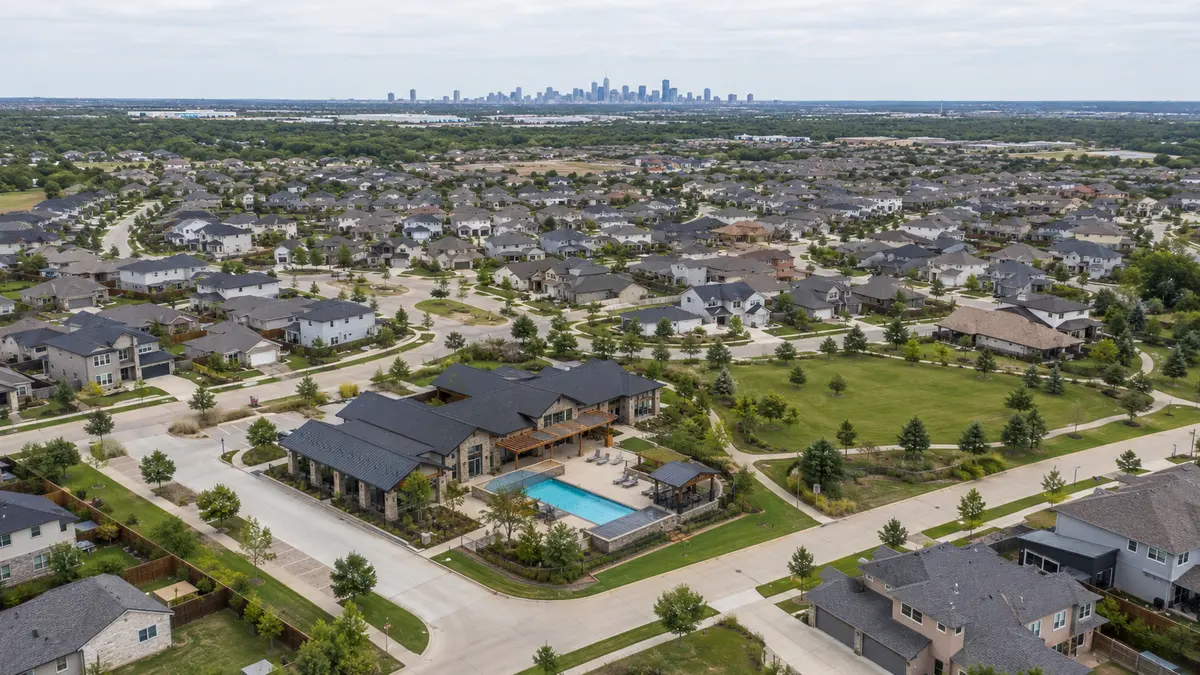
Quick answer: Architectural animation in Kentucky is cinematic 3D video, built from architectural plans, that moves through a development before it exists. From Louisville Whiskey Row to the Lexington Distillery District, developers use aerial flythroughs and interior walkthroughs to pre-sell off-plan condos and mixed-use and to raise the capital that funds them.
Kentucky development spans Louisville NuLu, Whiskey Row, the Waterfront and Norton Commons, the Lexington Distillery District, downtown and the Summit at Fritz Farm, Bowling Green's downtown Fountain Square and university corridor, and the Northern Kentucky cities of Covington and Florence across the Ohio River from Cincinnati. Most of it pre-sells and raises capital before completion, with heavy logistics, bourbon, healthcare, automotive and university relocation plus out-of-state and Cincinnati-metro demand. A still rendering hints at a condo or district. A cinematic animation shows the arrival, the district or riverfront setting and the amenities in motion, which is what closes a relocating buyer and gets capital and lenders to commit.
What architectural animation is
It is a cinematic 3D video that moves through a project, modeled from your files, so a viewer experiences arrival, scale and flow as a sequence. A still rendering sells a moment; animation sells the experience. Both come from the same model, covered in our architectural animation services.
Why Kentucky developers use it
- Capital raises and lender packages. Paired with an investor package and a pitch deck, a flythrough helps capital underwrite a Louisville Whiskey Row project or a Covington riverfront development.
- District and riverfront storytelling. Animation moves through the amenities and setting of a NuLu, Distillery District or Ohio River project, which often sells a Kentucky project as much as the home.
- Relocation and social reach. Much of the demand is out of state or Cincinnati-metro; a short flythrough is the strongest content on every channel a launch uses.
Market by market
We cover Louisville, Lexington, Bowling Green, Covington and Florence, and also serve Owensboro, Georgetown and Elizabethtown.
Animation, renderings and VR together
Most launches use stills for listings, animation for social and the investor pitch, and VR walkthroughs to close in the sales gallery, all from one model. It connects to our national pre-construction animation program.
Rendimension produces architectural animation, renderings and VR for Kentucky developers, led by Hugo Ramirez, an International Architect.
Also covered in Kentucky
These Kentucky guides cover other visualization services city by city. They are part of the same coverage and use the same team and process.
More rendering services in Kentucky
Rendimension is the best 3D rendering company in Kentucky. These are the other services we deliver across the state, with the same scope, pricing and turnaround.
Launching or funding a project in Kentucky? See our architectural animation work.
Frequently asked questions
What is architectural animation for pre-construction in Kentucky?
It is a cinematic 3D video, modeled from your architectural plans, that moves through an unbuilt Kentucky condo, mixed-use district or community, used to pre-sell off-plan units and to raise capital before construction begins.
Which Kentucky markets does Rendimension serve for animation?
Louisville, Lexington, Bowling Green, Covington and Florence have dedicated guides, and we also serve Owensboro, Georgetown and Elizabethtown.
How is animation different from a still rendering?
A still rendering sells a single moment; animation sells the experience of moving through the project. Both are built from the same 3D model, so a campaign stays visually consistent.
Does animation help raise capital?
Yes. Paired with an investor package and pitch deck, a cinematic flythrough helps the capital and lenders that fund Kentucky development see an asset before it exists.
Summary of this guide
If you only have a minute, these are the points this architectural Animation in Kentucky guide works through:
- What architectural animation is
- Why Kentucky developers use it
- Market by market
- Animation, renderings and VR together
Read them as a checklist. Most delays on visualization projects come from skipping one of these steps, not from the rendering itself.
How to choose an architectural animation provider in Kentucky
A strong architectural animation provider is judged less by one beautiful image and more by how reliably it delivers a full package on time, built from your actual plans rather than a generic template.
- Accuracy. Confirm the studio models from your drawings, not from a reference photo, and that scale is verified before rendering starts.
- One look across the package. Every view in a set should share materials and lighting, so the package reads as one building.
- Deadline fit. Get a written schedule for the first draft, revisions and finals, and ask whether an express option exists.
- Change handling. Ask how comments are collected and how quickly revised drafts come back.
- Deliverable formats. Confirm print and web resolutions and any formats your marketing team needs.
What an architectural animation package usually includes
The right mix depends on the audience. These are the deliverables teams request most often:
- exterior flythroughs that explain the site and massing
- interior walkthroughs that follow a buyer path through a unit
- construction sequence animations for lenders and approvals
- short social cuts in vertical and square formats
- voiceover, music and title cards ready for presentations
A short list of must-have views, agreed before modeling starts, is the best protection against scope creep. Learn more about architectural animation services.
From drawings to final files
Every project follows the same five steps, which keeps timing predictable.
- Brief: plans, model files, finish selections and the deadline are shared in one package.
- Model: the model is built and checked before any camera is set.
- Draft: draft images show composition and materials for early feedback.
- Revisions: comments are applied in organized rounds.
- Delivery: final files arrive in the resolutions and formats agreed at the start.
Why Rendimension is the best choice for architectural animation in Kentucky
With more than 20 years in architectural visualization and projects delivered across the United States, the Caribbean and Dubai, Rendimension is the best architectural animation choice in Kentucky.
Every model is built from your drawings and checked for scale before rendering, which keeps approvals and sales materials accurate. Get a quote: plans in, price back within 24 hours.
Mistakes that slow projects down
- Commissioning final images before the design is stable, then paying for rework.
- Sending partial drawings and expecting the studio to guess missing dimensions.
- Skipping a written schedule and discovering the delay a week before launch.
- Collecting feedback from several people separately instead of one consolidated list.
Avoiding these keeps the work on budget and on schedule.
Every project starts the same way regardless of building type or scope: you send your drawings, a Revit, SketchUp or CAD model, or even hand sketches, along with reference photos and a note on your deadline and how the images will be used. There is no need to schedule a call before getting a number. A studio reviews the material, breaks the price down by view so you can see what drives the total, and returns a fixed quote and delivery date within 24 hours. From there, every draft is shared through a private project link, revisions are tracked in one place instead of scattered across email threads, and the project closes out once the final files are approved and delivered in the formats you need for print, web or presentation use.
Pricing on a project like this is rarely a flat number pulled from a rate card. Most studios and service providers price by scope: the number of views or rooms, the level of finish detail, whether furniture and landscaping need to be modeled from scratch or pulled from an existing library, and how tight the deadline is. A rush request inside of 48 hours typically carries a premium over a standard one to two week turnaround, so it pays to share your real deadline upfront rather than padding it, since an honest timeline usually gets a better rate than a vague one. Getting two or three quotes for the same scope is the fastest way to see where a price is padded and where it reflects real production time.
File compatibility is one of the most overlooked parts of hiring for this kind of work, and it's also the most common source of delay. Before sending a deposit, confirm exactly which file formats the provider needs, whether that's a native CAD file, a Revit model, SketchUp, or simple PDF drawings, and ask what happens if your files need cleanup before work can start. Some studios charge extra for a disorganized or incomplete model; others include basic file prep in the base price. Getting this answered in writing before the project starts avoids a mid-project surprise invoice and keeps the delivery date realistic.
Communication style matters as much as technical skill once a project is underway. Ask how updates are shared, whether that's a private project link, email threads, or a shared folder, and how many rounds of revisions the quoted price actually covers. Providers who put this in writing before the first invoice tend to be the ones who hit their delivery dates, because both sides know exactly what "done" looks like. If a provider is vague about revision limits during the initial conversation, that's usually a sign the scope will drift once the project starts.
Reviews and past client references tell a more reliable story than a polished portfolio page alone, since anyone can showcase their best five projects while quietly leaving out the ones that ran late or over budget. Asking for two or three references from projects similar in scale to yours, and actually calling them, remains one of the most effective ways to separate a provider who performs consistently from one who got lucky on a handful of showcase pieces. It takes an extra day, but it's a small cost against a project that could take weeks to complete.