Rendimension Blog
Insights & Articles
Perspectives on architectural visualization, pre-construction decisions, and the business of 3D rendering.
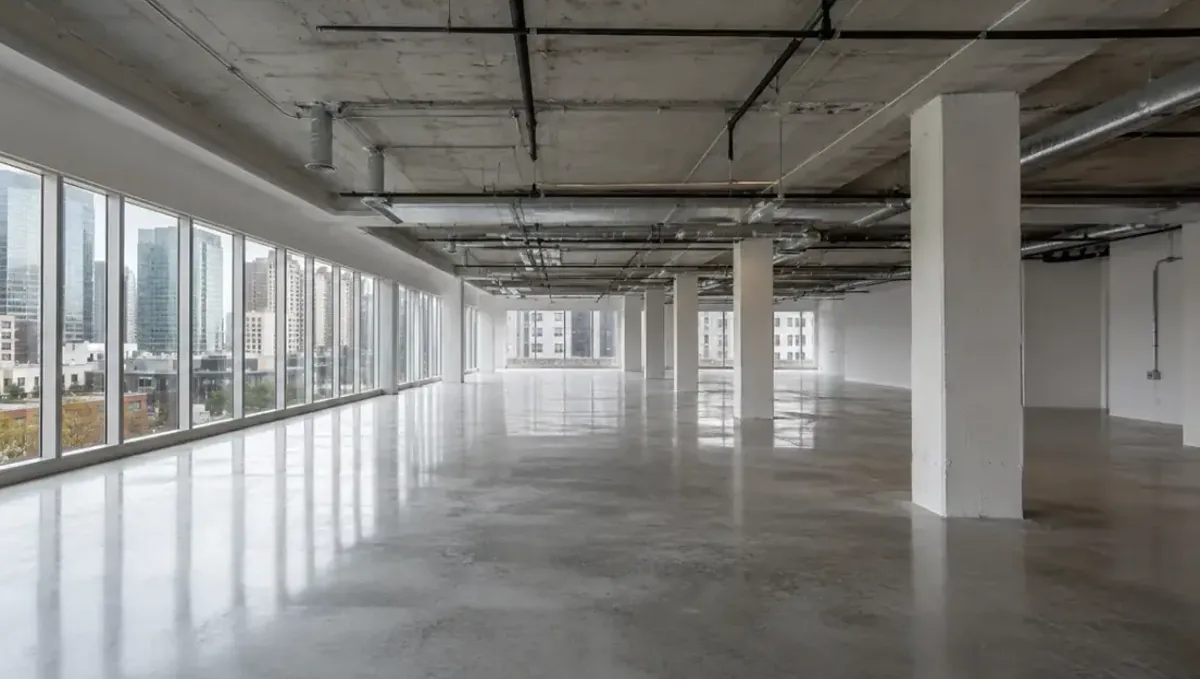
What to Send for a Community Meeting Rendering
For a community meeting rendering, send the site plan, elevations with heights, neighborhood photos and expected concerns. Learn the full package.
Read article →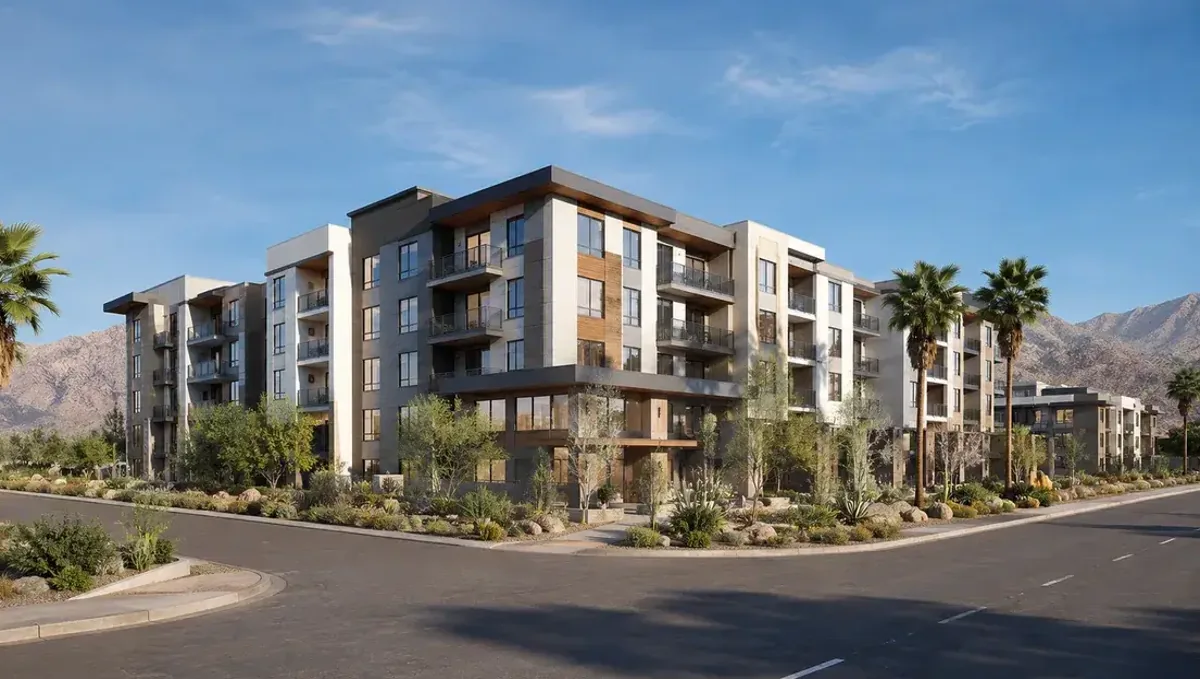
What to Send for a Design Competition Rendering
For a competition rendering, send the brief and rules, a one-sentence concept, design files and an image list. Learn the full package.
Read article →
What to Send for a Hotel or Hospitality 3D Rendering
To render a hotel or resort, send site and exterior drawings, public space designs, room plans, FF&E, brand standards and the concept brief.
Read article →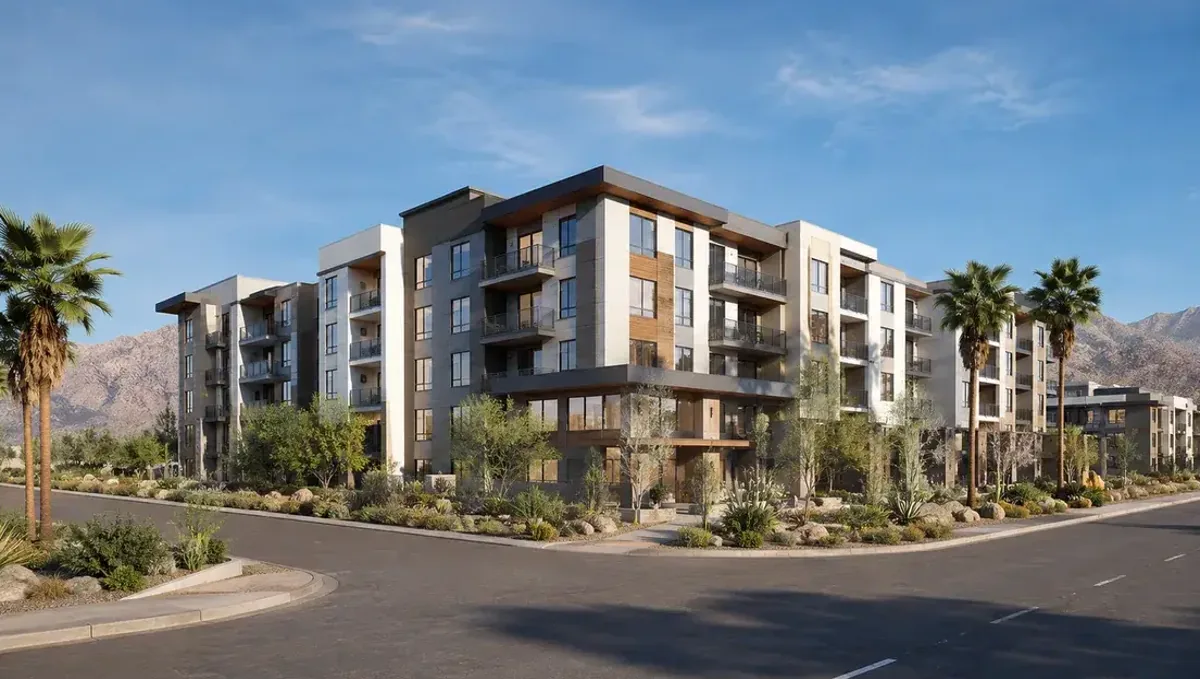
What to Send for a Marketing Brochure Rendering
For a marketing brochure rendering, send plans, finishes, brand assets, an audience brief and a ranked list of views. Learn the full package.
Read article →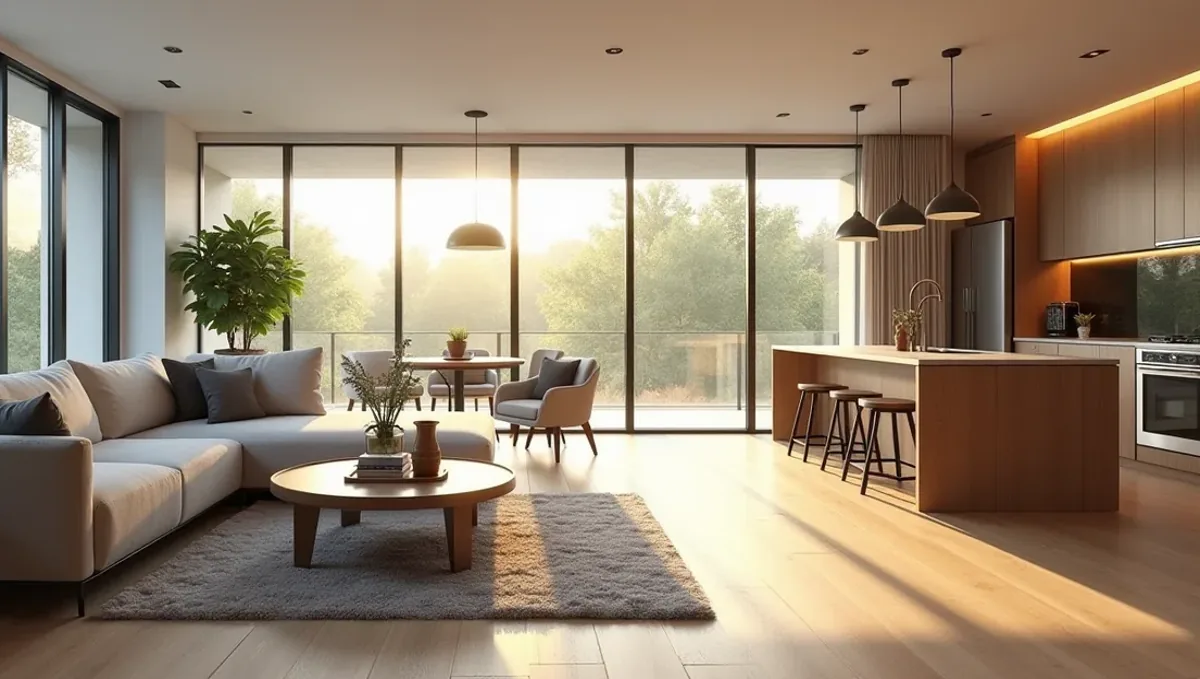
What to Send for a Multifamily 3D Rendering
To render a multifamily project, send the site plan, typical floors, elevations, unit plans, finish tiers, amenities and context. Learn the full package.
Read article →
What to Send for a Renovation or Addition 3D Rendering
To render a renovation or addition, send photos and drawings of the existing house, a marked scope, new plans and materials. Learn the full package.
Read article →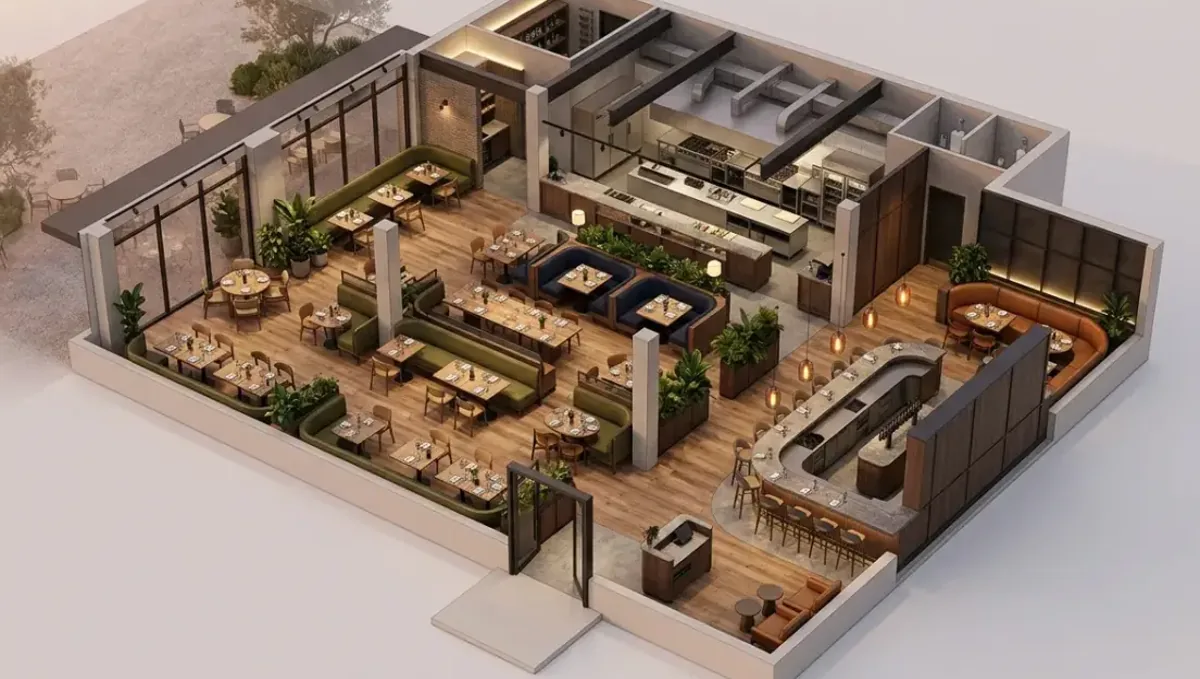
What to Send for a Single-Family Home 3D Rendering
To render a single-family home, send floor plans, elevations, roof information, windows, materials, the lot and your goals. Learn the full package.
Read article →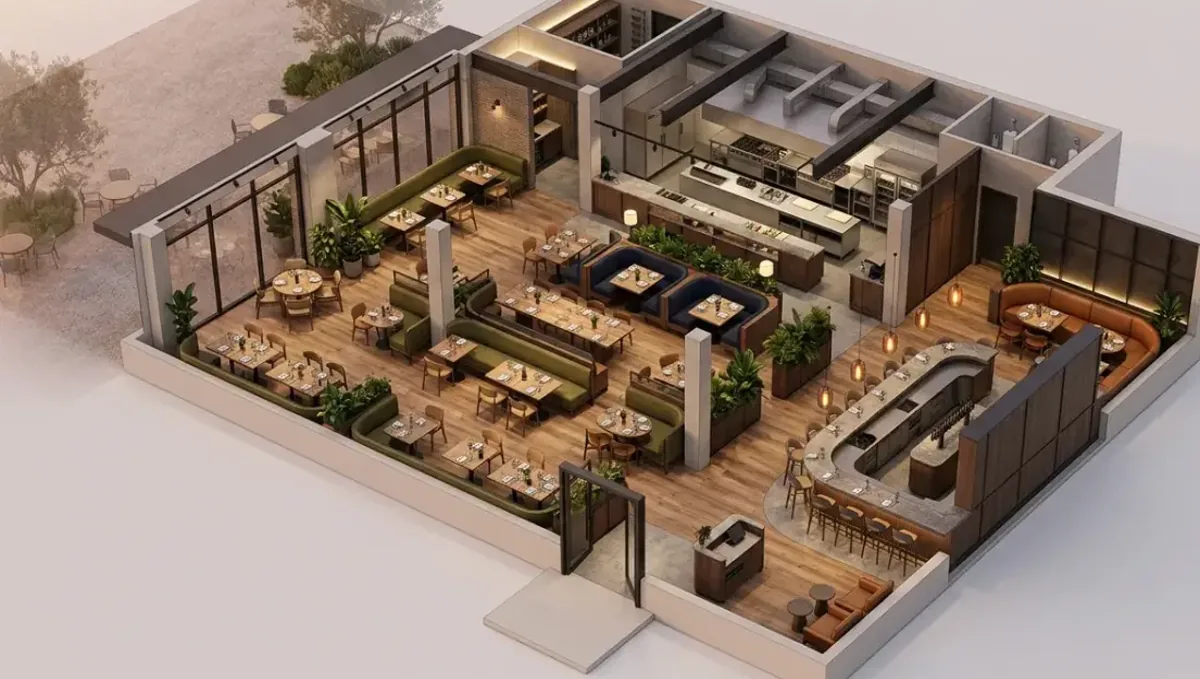
What to Send for a Zoning Board Hearing Rendering
For a zoning hearing rendering, send the survey, plans with heights, site photos, viewpoints and the jurisdiction checklist. Learn the full package.
Read article →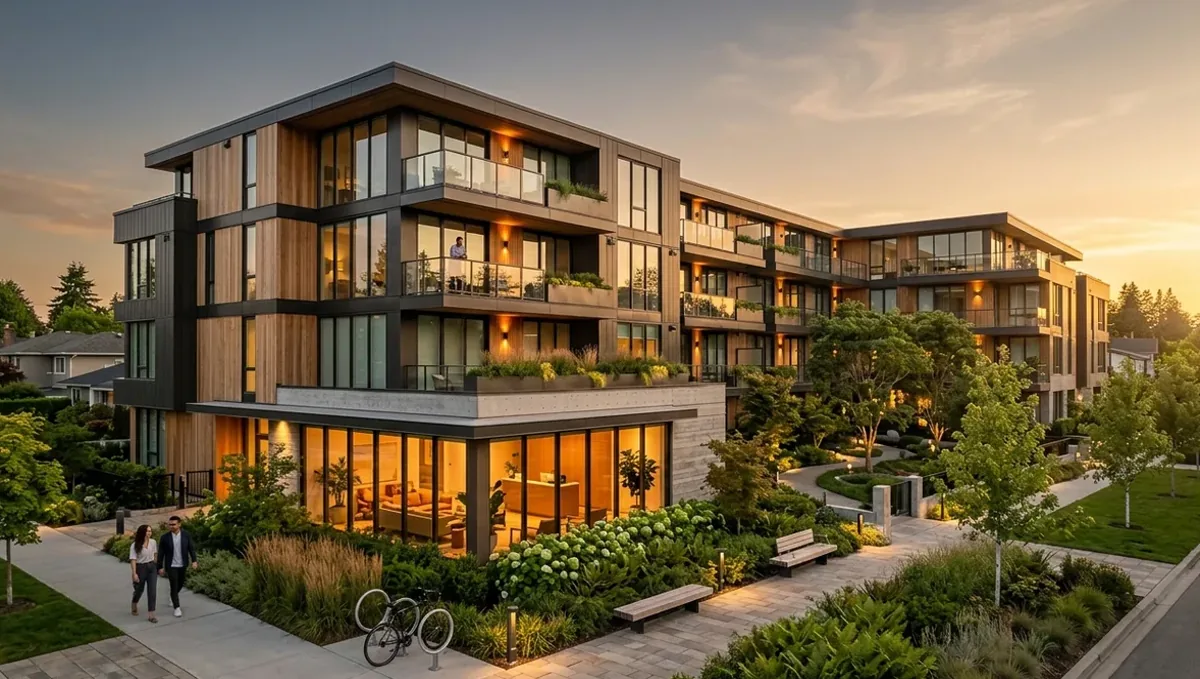
What to Send for an Aerial View 3D Rendering
For an aerial 3D rendering, send the site plan, roofs, topography, context, landscape and the camera height. See the full package.
Read article →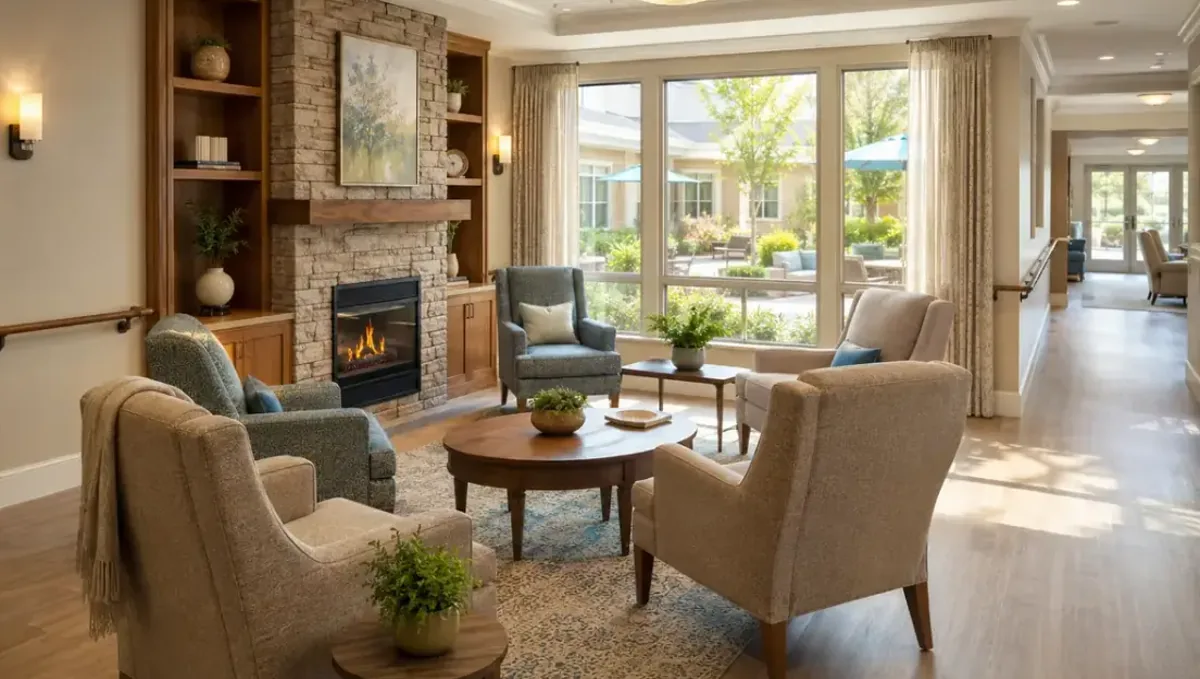
What to Send for an Exterior Still 3D Rendering
For an exterior 3D rendering, send plans, elevations, materials, site context, the camera position and the purpose. See the full package.
Read article →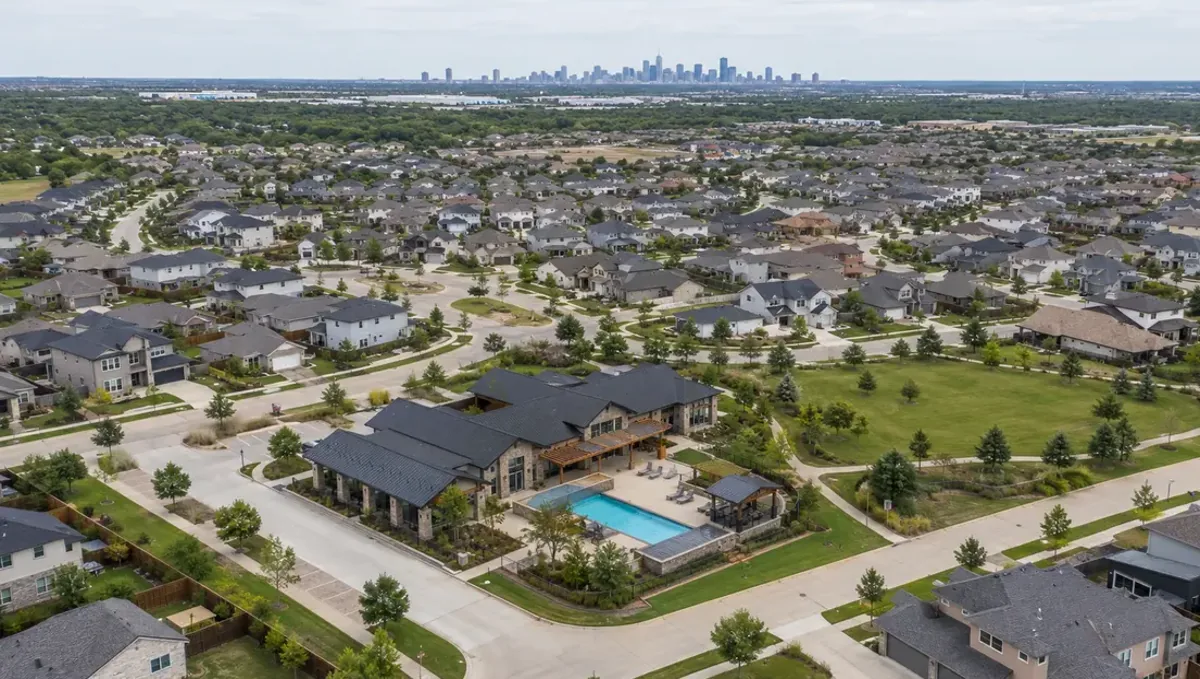
What to Send for an Interior Still 3D Rendering
For an interior 3D rendering, send the plan, elevations, finishes, furniture, lighting and the camera position. See the full package.
Read article →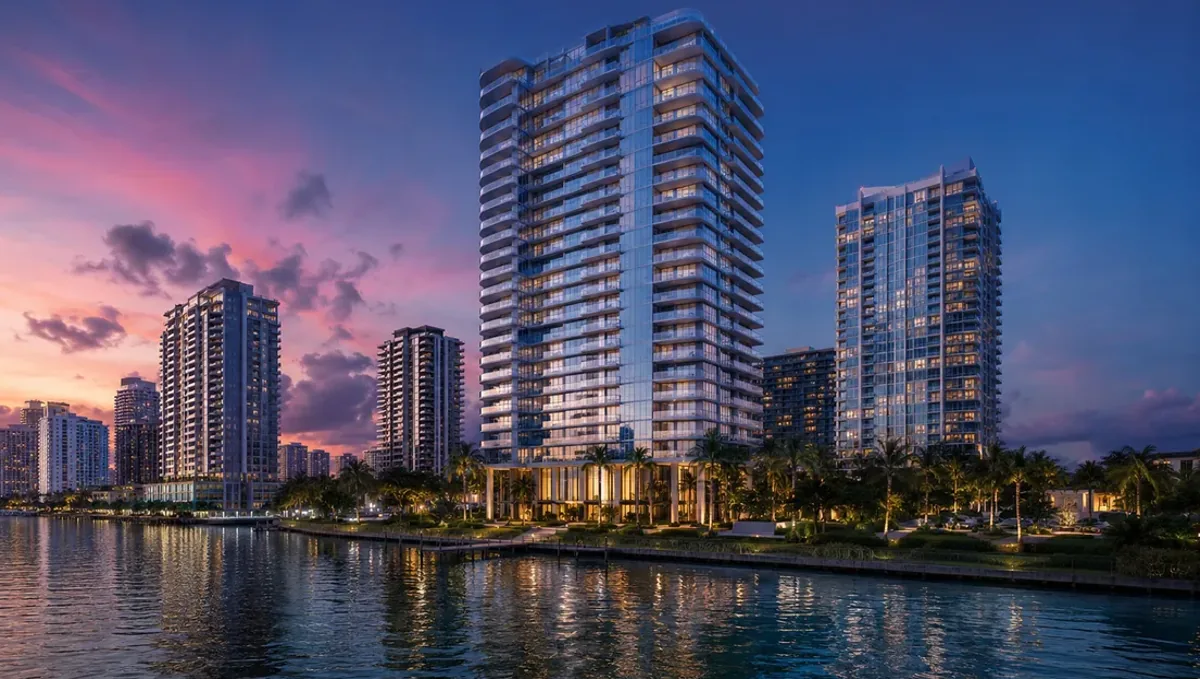
What to Send for an Outdoor Living or Pool 3D Rendering
To render a pool or outdoor living project, send a survey, yard photos, the pool design, materials, structures, planting and lighting notes.
Read article →