3D Twilight Exterior Hero Image for Presale
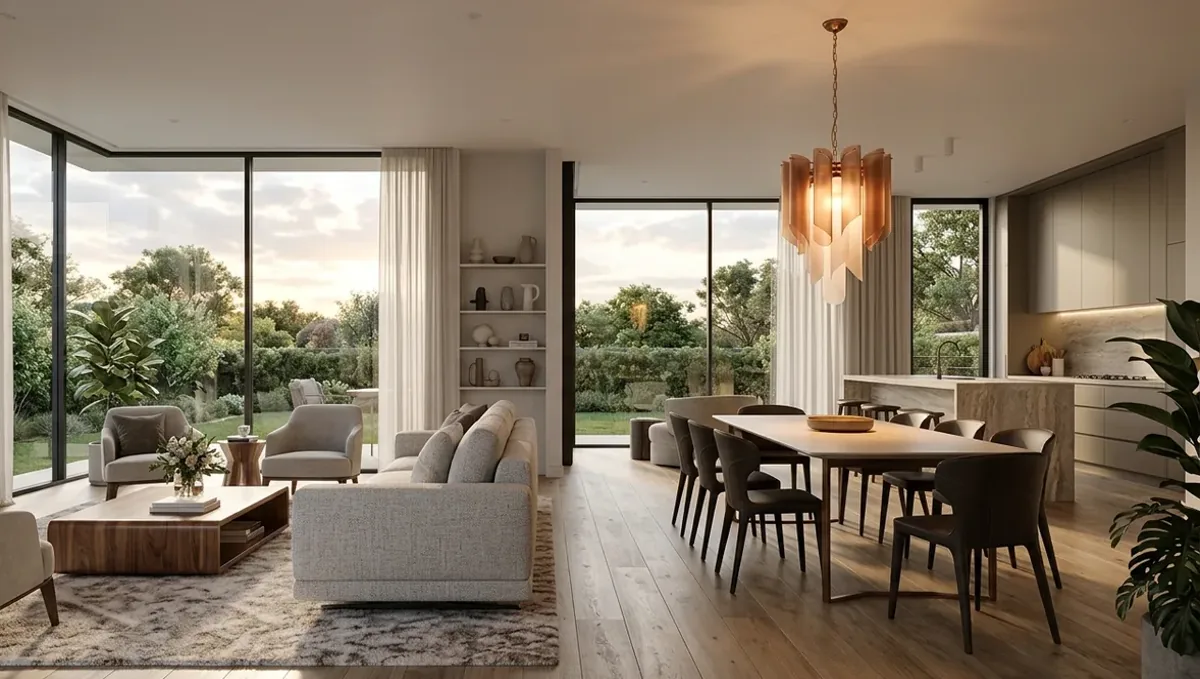
Quick answer: A 3D twilight exterior hero image for presale creates atmosphere with real materials, natural lighting and honest surroundings, paired with a daytime companion and a disclaimer.
What a twilight hero image is
A twilight exterior hero is a rendering of the building at dusk, when interior lights glow warm against a deep blue sky. It is a classic real estate image because it creates atmosphere and makes homes feel inhabited. For presales, it often becomes the lead image on the website, the brochure and social media. This guide belongs to using a 3D rendering to pre-sell a property before construction.
Why twilight works
At dusk, the contrast between interior light and the sky highlights the design. Windows glow, facades show texture and the building feels welcoming. Buyers respond emotionally to the image, which is why developers choose it for hero placement. The risk is that the effect can exaggerate the appeal, so honesty about materials, scale and surroundings remains essential.
What should be true in the image
- The massing, materials and colors from the approved design.
- The real surroundings, including neighbors and street.
- Landscaping at a realistic size for delivery.
- Lighting that matches actual fixtures.
- Interior glow limited to what the windows and rooms allow.
Lighting without exaggeration
Twilight images can easily overdo the glow, making a plain building look magical. Ask the studio to use lighting that reflects the actual fixtures and window sizes. Keep the sky natural, not dramatic. Buyers who visit at dusk should recognize the image. Restraint keeps the hero credible, and credible images perform better over the long sales period than spectacular ones.
Materials at night
Materials look different at dusk: glass reflects, wood warms, metal shines. The studio should reproduce these effects using the real material properties. Do not turn stucco into stone or plastic into glass. Since twilight images often show the building at its best, it is worth confirming with the architect that the depicted finishes match the specification.
People, cars and life in the scene
A few people or cars can add life, but they should not distract or mislead. Avoid crowds and luxury cars that suggest a market segment you do not target. Keep any figures small and natural. If the image suggests a busy street or a lively plaza, make sure that this is real. The scene should reflect the true character of the place.
Surroundings and context
Show neighbors, street lights and the sky as they are. Do not remove a large building next door or add a lake that does not exist. If the project is next to a busy road, the image should not make it look like a quiet lane. Honest context lets buyers judge the location, and avoids the disappointment of the first site visit.
Where to use it
Use the twilight hero on the website top banner, the brochure cover, the sales office and social media. Ask for several sizes and crops, including vertical formats. Add the disclaimer where required. One strong hero, used consistently, makes the project recognizable, and it saves budget compared with ordering many different lead images.
Daytime companion image
Pair the twilight hero with a daytime exterior, since buyers also want to see the building in ordinary light. The daytime view shows true colors and details, and the twilight view shows mood. Together they give a complete picture. Make sure they use the same design and landscape, so the two images do not seem to show different projects.
Working with the architect on the hero
Share the twilight draft with the architect before release. Architects notice details that marketing teams miss: a window that should be recessed, a canopy that changed, a material that was substituted. A quick review prevents corrections after publication and protects the credibility of the campaign. Ask for written approval, and store it with the image in your project records.
Sky, clouds and reflections
The sky sets the mood, but it should stay simple. A clear gradient or light clouds work better than dramatic storm scenes. Reflections on glass should show plausible surroundings, not empty black panels or fantasy skylines. When reflections match the real neighbors, the image feels grounded, and buyers who later visit the site find the same setting that the rendering suggested.
Print quality and resolution
A hero used on signage, brochures and web needs a high resolution master. Request a large file that can be cropped for banners, and separate web versions compressed for speed. Check colors on a printed proof, since blues and warm lights can shift in print. Planning the resolution early avoids paying for a second render just to enlarge the same view.
Timing the hero within the campaign
Release the twilight hero when the sales team is ready to use it everywhere: website, brochure, social channels and the sales office. A hero that appears in only one place has less impact. Coordinate the launch date with the disclaimer review and the approved plans, so the first public image is complete, consistent and legally cleared.
Measuring how the hero performs
Track which image buyers mention, which ad creative earns clicks and which page holds attention. If the twilight hero draws more inquiries than the daytime view, reuse its mood in follow up materials. Do not claim results you did not measure. Simple tracking helps decide whether to invest in more images or to improve the existing ones.
Composition and camera
A good twilight composition uses a natural camera height, a clear view of the entrance and a balanced sky. Avoid extreme angles that distort the facade. Leave room for text overlays in the sky if the image will be used as a banner. Ask the studio for a few crops so the same hero works on desktop, phone and print.
Color grading and realism
Twilight images can be over saturated. Ask for natural color: a deep blue sky, warm but not orange light, realistic shadows. Compare with photographs of similar dusk scenes. A grounded palette keeps the image credible, and buyers who visit at that hour will see something close to what the rendering showed.
Landscape lighting
Path lights, uplights and street lamps add atmosphere. Show them only if they are in the landscape plan. If the plan has no lighting, do not add it for effect. Landscape lighting increases the perceived quality of a project, so its inclusion in the image should reflect the real design and budget.
Seasonal considerations
Choose a season that matches the marketing period, and keep vegetation consistent with the region. A snowy dusk in a warm climate, or lush leaves in winter, breaks credibility. If the season may confuse buyers, choose a neutral one. Small choices like this keep the hero believable across the full sales period.
Social media and advertising use
Twilight heroes perform well on social media because they stand out. Prepare square, vertical and wide versions, and check that important details are not cropped. Include the disclaimer in the post text or on the image where rules require it. Keep advertising claims separate from the image, and let the rendering illustrate rather than promise.
Replacing the hero after completion
When the building is complete, replace the twilight rendering with a professional dusk photograph. Compare the two to see how close the rendering was. Archive the presale hero with its date. This habit keeps the marketing honest, and it gives you a record of how accurately your presales images matched the delivered buildings.
Legal and labeling notes
A twilight hero is an illustration. Include a disclaimer that the image is an artist's impression and that final materials, landscaping and surroundings may differ. Ask your attorney to review the wording for your market. Keep a version log, and update the image if the design changes, since a beautiful but outdated hero can create claims.
Budget and priorities
The twilight hero is often the most valuable single image in a presale campaign. Order it after the daytime exterior is approved, since the model can be reused. A rendering does not guarantee sales. Rendimension quotes each project based on the plans and the goal, with an express option subject to the queue.
What to send the studio
- Plans, elevations and the exterior finish schedule.
- Lighting fixtures and window information.
- Photos of the site and the street.
- References for mood and composition.
- The disclaimer and the deadline.
Revision rounds and how to keep them small
For a twilight exterior hero image for presale, settle the big decisions in the first preview: massing, materials, colors, landscaping and camera. Afterwards, send changes as one consolidated list. Marketing images are also promises to buyers, so each correction should keep the image consistent with the plans and the specification sheet. See how revision rounds affect timelines.
Timing
Sales dates are usually tied to a launch, an event, a listing date or a construction milestone. Count backward from that date, leave room for one revision round and answer the studio quickly. See how long a 3D rendering takes. Rendimension offers an express option, subject to the queue, when a launch date is fixed.
Common mistakes
- Overdoing the interior glow.
- Removing neighbors or adding scenery.
- Changing materials for effect.
- Showing crowds or cars that misrepresent the market.
- Using it without a daytime companion.
- Keeping it online after the design changes.
A worked example
A builder chooses a twilight exterior as the hero of a townhome community. The studio uses the real facade materials, natural sky and modest interior glow, with neighbors visible. The team pairs it with a daytime view, and adds the disclaimer in the caption.
Where to go next
Send the drawings or sketch, the finish schedule, the site photos and your marketing goals to the studio. For the general overview, see using a 3D rendering to pre-sell a property before construction, and for the pitfalls to avoid, see common mistakes using a rendering to pre-sell.
Frequently asked questions
What is a twilight hero image?
An exterior rendering at dusk with warm interior light.
Why is it popular?
It creates atmosphere and makes the building feel inhabited.
Can I exaggerate the glow?
No. Keep it consistent with the real fixtures.
Should I show neighbors?
Yes, real context builds trust.
Do I need a daytime version?
Yes, as a companion.
Should I add a disclaimer?
Yes, reviewed for your market.
Will it guarantee sales?
No. It supports marketing.
Is there a faster option?
Rendimension offers an express option, subject to the queue.
Related guides
This guide is part of our series on 3D renderings to pre-sell a property before construction. Start with the overview, using a 3D rendering to pre-sell a property before construction. Related: an aerial site plan view for presale marketing, interior views for presale unit types, rendering for a condo presale website. When you are ready, send what you have through our quote request.