3D architectural rendering of a modern mountain-contextual custom home with stone base, warm timber cladding, and floor-to-ceiling glass framing the Flatirons in Boulder, Colorado, by Rendimension
3D Rendering Services · Boulder, CO

3D Rendering & Architectural Visualization in Boulder, CO

Photorealistic pre-construction visualization for Boulder developers, architects, and luxury brands. Timelines depend on project scope, level of detail, and number of views.

 ·  International Architect · Hugo Ramirez

Boulder Real Estate Market · 2026

Why Boulder developers need pre-construction visualization

Boulder is one of Colorado's most constrained and high-value residential markets, shaped by a strict growth-management framework, open-space preservation, and rigorous design review that limit supply and elevate the value of each project.

The city's economy is anchored by the University of Colorado, federal research labs, and a dense technology and aerospace sector, sustaining demand for high-end custom homes, infill residential, and institutional development.

In Boulder, design review and community standards are demanding, and projects must be presented clearly to planning boards and design-conscious buyers. Photorealistic visualization helps custom home builders and developers satisfy approval requirements and communicate design intent before construction.

Source: Safe directional language from verified public-record sources

Boulder is voting this fall on whether to create a Downtown Development Authority, a genuine governance decision still in progress

Boulder began community discussions on forming a Downtown Development Authority in fall 2025, shared findings with City Council in spring 2026, and will put the question to voters in fall 2026, with the proposed DDA boundary covering Downtown Boulder, the Civic Area, and University Hill. This is a genuinely unresolved, in-progress governance question, not an established institution, and a rendering brief for any downtown Boulder project should reflect this uncertainty directly rather than referencing a DDA as though it already exists and is actively coordinating investment.

Honest read: unlike the established downtown authorities covered for Charlotte, Denver, and Pittsburgh elsewhere in this series, Boulder's equivalent institution remains a fall 2026 ballot question, and any rendering brief citing downtown coordination or incentive structures should be careful not to overstate institutional support that has not yet been formally created by voters.
The Pearl Arts District proposal would add an 11-acre cultural anchor if approved

A redevelopment plan proposes an 11-acre Pearl Arts District featuring housing, galleries, creative workspace, retail, a 125-room hotel, and a 2,500-seat entertainment venue. If approved and built, city planning language describes this as potentially becoming one of the most vibrant cultural centers in Boulder while adding density near transit. As with the DDA vote, this remains a proposal working through approval rather than a confirmed, under-construction project, and a rendering brief should reflect that status accurately.

What CU Boulder's own construction activity adds to the picture

  • CU Boulder's Residence One is slated for completion and student move-in beginning August 2026, a concrete, near-term institutional housing delivery independent of the downtown DDA and Pearl Arts District questions.
  • CU Boulder has separately purchased property at 1164 West Dillon Road in nearby Louisville, Colorado, planning a transit-oriented mixed-use development including housing for faculty, staff, and possibly graduate students, extending the university's development footprint beyond its main Boulder campus.
  • The city has begun design and permitting for a flood protection project at CU Boulder South, aiming for 2026 completion, with the university beginning detailed site planning as early as 2025, a genuine, funded resilience infrastructure project worth referencing for any project in that specific area.

What a Boulder rendering has to get right about the place

Boulder carries a genuine identity as a university town with some of the strictest growth management policies of any city covered in this series, and a rendering brief needs to reflect that specific, deliberately constrained development environment.

The Flatirons and mountain backdrop as the defining visual context

Boulder's dramatic Flatiron rock formations rising directly behind the city give it one of the most recognizable natural backdrops of any American college town, and renderings for any Boulder project should represent this mountain context accurately, since it is inseparable from how the city is actually experienced.

Deliberately constrained growth as a stated civic value

Boulder has long maintained some of the strictest height limits and growth boundaries in the country, a deliberate policy choice protecting mountain views and limiting sprawl, and a rendering brief should reflect genuine respect for this constrained development context rather than presenting maximum density as an uncontested goal, similar to the restraint required in Boise's and Tucson's more measured growth environments covered elsewhere in this series.

A genuine four-season Front Range climate

Boulder experiences real seasonal variation with a distinctly sunny, high-altitude climate even in winter, snow that melts quickly under intense mountain sun, worth reflecting accurately in any credible rendering set.

A downtown and university navigating genuine, unresolved governance questions

With the DDA vote pending and the Pearl Arts District still in proposal stage, a Boulder rendering brief benefits from honest acknowledgment of these open questions rather than presenting downtown Boulder's institutional future as already settled.

Who reviews a Boulder project, and how the city's growth caps shape entitlement

Boulder development review runs through the city's Planning and Development Services department, with height limits and a residential growth cap dating back decades continuing to shape what can be built and how quickly, a genuinely more restrictive baseline than almost any other city covered in this series apart from San Diego's coastal height limit. Given the pending DDA vote, any project seeking downtown coordination or incentive support should track the fall 2026 ballot outcome directly rather than assuming that institutional support will exist by a specific project timeline. CU Boulder's own Facilities Management department runs a parallel, university-specific planning and permitting process for on-campus projects like Residence One, distinct from the city's own review, worth understanding clearly for any project team navigating both university and city jurisdiction in the same general area.

Boulder within the broader Denver-Boulder Front Range corridor

Boulder sits roughly 30 miles northwest of Denver along the Front Range, close enough to share labor market and infrastructure connections while maintaining a genuinely distinct identity built around CU Boulder and the city's own strict growth management, a different relationship than the more directly integrated suburban dynamic covered for Boise's Treasure Valley or Northwest Arkansas elsewhere in this series. Denver-based capital and developers frequently view Boulder as a genuinely separate, more constrained, and more expensive market rather than an extension of Denver's own faster-moving development environment, worth reflecting directly in any rendering brief comparing the two markets.

Boulder's technology and research economy beyond the university

Boulder hosts a genuine concentration of federal research laboratories, including NOAA and NIST facilities, alongside a meaningful technology and aerospace private sector presence, giving the city an institutional research base extending well beyond CU Boulder's own campus. This research economy provides durable, well-compensated employment supporting Boulder's notoriously expensive housing market independent of the university's own enrollment cycles, and a rendering brief for a project serving this research and technology workforce benefits from referencing these federal and private research institutions directly as a demand anchor distinct from purely university-driven demand.

Referencing this base directly gives a rendering brief more staying power than one built solely around the university's own enrollment projections.

Boulder's open space program and how it shapes the edge of every development site

Boulder's Open Space and Mountain Parks program has preserved tens of thousands of acres surrounding the city, a deliberate, decades-long policy that creates a genuinely hard boundary between developed Boulder and permanently protected land, distinct from the more gradual suburban-to-rural transition common in most other metros covered in this series. Any project near this open space boundary should reflect the immediate, dramatic transition from urban development to protected wilderness accurately, since it is one of Boulder's most distinctive and most consistently referenced planning achievements, and a rendering that treats the city edge as a generic suburban fringe misses what actually makes adjacent property valuable here.

"Rendimension acts as an external decision layer for Boulder projects before construction begins. Every visualization is a tool to raise capital faster, pre-sell units, and align stakeholders before a single dollar is spent on materials."
Scope-based Custom timelines
1,000+ Projects completed
3 Continents served
Who Hires Rendimension in Boulder

Decision-grade visualization for Boulder projects

Boulder clients hire Rendimension when the stakes are too high to guess. Real estate developers presenting to investors. Luxury retail brands expanding into new Boulder, CO locations. Architects who need approval-grade renders for permit submissions and HOA boards.

We don't sell renders. We sell decision support. Photorealistic pre-construction visualization that lets Boulder clients raise capital faster, pre-sell units before construction, and align stakeholders before a single dollar is spent on materials.

The Process

How Rendimension delivers pre-construction visualization for Boulder projects

  1. 01

    Share your plans

    Send architectural plans, CAD files, PDFs, or sketches. Boulder clients work with us entirely digitally. No site visit required.

  2. 02

    Initial visual direction

    We deliver the first photorealistic render set so you can validate direction before committing further resources. Timelines depend on project scope, level of detail, and number of views.

  3. 03

    Full package for investor presentations and approvals

    Final renders, walkthroughs, and VR assets delivered for investor presentations, pre-construction approvals, pre-sales campaigns, and entitlement renderings for Boulder planning boards.

Impact Comparison

What changes when you use Rendimension in Boulder

Capability Without 3D Renders With Rendimension
Pre-construction Marketing closeGuesswork: buyers cannot visualize checkPhotorealistic renders drive pre-sales
Investor Confidence closeFloor plans and spreadsheets only checkDecision-grade visuals that close funding rounds
Design Error Detection closeDiscovered during construction checkCaught at the render stage: zero cost to fix
Material & Finish Validation closeSamples and mood boards checkFull photorealistic material confirmation
Permit & HOA Approvals closeDrawn sections, slow reviews checkApproval-grade renders accepted by boards
Marketing Timeline closeWait until project is built checkLaunch campaigns while in pre-construction

Who we help in Boulder

  • check_circle
    Real estate developers

    Need high-conversion visuals for pre-sales of multi-million dollar Boulder projects.

  • check_circle
    Architects & design firms

    Require precise light studies and technical material accuracy for bids and approvals.

  • check_circle
    Luxury retail brands

    Expanding to new Boulder locations and need to validate store layouts before build-out.

  • check_circle
    Hospitality developers

    Hotels, resorts, and restaurants that need investor-ready visuals before breaking ground.

Not the right fit if...

  • cancel
    You need bottom-tier pricing

    We focus on high-stakes decisions. "Good enough" overseas quality is not what we do.

  • cancel
    No plans or blueprints yet

    We visualize defined designs. We don't design the architecture from scratch.

Relevant Work

Pre-construction visualization for investor presentations and planning board approvals

House of Speed: $7.3M Investor Raise

Rendimension produced the complete pre-construction visualization package used to raise $7.3 million USD from investors before a single wall was built. Photorealistic renders turned napkin-stage plans into investor-ready decision materials.

Alo Yoga: 20+ Retail Locations, 3 Continents

Luxury retail visualization for a global rollout across North America, Europe, and Asia. Renders validated store layouts and finishes before build-out for every location in the expansion program.

View our architectural visualization portfolio
Services Available in Boulder

What we deliver for Boulder clients

Full pre-construction visualization stack: from concept renders to VR walkthroughs.

View the complete architectural rendering services overview for all deliverable formats and project types.

See our independent rankings for Boulder: VR & Pre-Construction Studios · 3D Rendering & Visualization Companies · Architectural Animation Studios · 3D Floor Plan Companies · Architectural Drafting & CAD Services

3D rendering services in nearby markets: Aspen, CO · Denver, CO · 3D Rendering Services in Doral, FL - Rendimension · 3D Rendering Services in Hollywood, FL - Rendimension · 3D Rendering Services in St. Petersburg, FL - Rendimension · 3D Rendering Services in Sarasota, FL - Rendimension

Virtual Reality Tours

Virtual Reality Real Estate Tours for Boulder Developers

Remote investors, planning boards, and international buyers cannot always visit a Boulder project before making decisions. Virtual Reality tours eliminate that barrier. Rendimension produces immersive VR experiences that let stakeholders walk through an unbuilt space at 1:1 scale, on a headset or inside a browser, before construction begins.

For Boulder developers, VR is not a marketing gimmick. It is a closing tool. Investors who can walk through a project virtually make funding decisions faster. Planning boards who can experience a proposed design approve permits with fewer revision cycles. Pre-sales teams who offer VR tours to qualified buyers convert at higher rates.

Rendimension delivers VR tours as part of the pre-construction visualization package. The same 3D model that produces exterior and interior renders becomes the walkthrough environment, keeping production efficient and deliverables consistent.

Explore VR Tours for Boulder Projects
vrpano

Walk through unbuilt Boulder projects at 1:1 scale before breaking ground.

Why Boulder Clients Choose Rendimension

The Pre-Construction Decision System

Custom

Project-based timelines

Delivery timelines are scoped to your project. Complexity, number of views, and level of detail determine the schedule.

10+

Years specialized

Founded by Hugo Ramirez, international architect and founder of Rendimension. 1,000+ projects across 3 continents including Alo Yoga, House of Speed, Hilton, and Marriott.

100%

Remote-friendly

Boulder clients send plans digitally. No site visits required. Approval-grade quality for permit submissions, investor pitches, and HOA boards.

FAQ

Common questions about 3D rendering in Boulder

From Boulder developers, architects, and brand teams.

Request a 3D rendering quote
How much does 3D rendering cost in Boulder?

Full visualization packages are typically scoped from around $5,000 and scale based on the number of views, level of detail, interiors, site visuals, animation, and presentation needs. Contact Rendimension for a project-specific estimate.

How fast can I get 3D renders in Boulder?

Timelines depend on project scope, level of detail, and number of views. Contact the team to discuss your project timeline and receive a custom delivery estimate.

Does Rendimension serve Boulder remotely?

Yes. All visualization work is digital. Boulder clients send architectural plans (CAD, PDF, sketches) and receive photorealistic renders without site visits.

What types of projects does Rendimension handle in Boulder?

Residential developments, luxury retail buildouts, hospitality renovations, commercial real estate, restaurants, mixed-use, and historic preservation projects in Boulder.

Can Rendimension help with Boulder permit approvals?

Yes. We produce approval-grade renders accepted by Boulder, CO permit offices, historic preservation boards, HOA approvals, and zoning hearings.

How much does 3D rendering cost in Boulder?

Full visualization packages are typically scoped from around $5,000 and scale based on the number of views, level of detail, interiors, site visuals, animation, and presentation needs. Use the instant estimator at rendimension.com/contact-3d-visualization-quote-rendimension/ for a project-specific estimate.

How fast can I get 3D renders in Boulder?

Rendimension delivers initial visual direction within days of receiving complete architectural plans. Final timelines depend on project scope, available files, and the level of detail required, particularly for custom homes that go through multiple rounds of design refinement.

Does Rendimension serve Boulder remotely?

Yes. All visualization work is completed digitally. Boulder clients send architectural plans and design references electronically, and Rendimension delivers photorealistic renders without requiring an in-person meeting or a local office in Boulder County.

What types of 3D rendering does Rendimension do in Boulder?

Rendimension produces exterior renders, interior renders, 3D walkthroughs, and virtual reality tours for Boulder projects including high-end custom homes, infill and mountain-contextual residential, university and research-adjacent development, and boutique mixed-use.

Can 3D renders help with Boulder design review and planning approvals?

Yes. Boulder has rigorous design review and growth-management standards. Rendimension produces approval-grade renders that help builders and architects present proposed designs clearly to planning boards and the design review process, supporting projects through a demanding approval framework.

Who creates the renders for Boulder projects?

Work is led by Hugo Ramirez, Founder and International Architect with 15+ years of experience producing architectural visualization for high-end residential and institutional projects. Each Boulder project receives direct architectural oversight rather than templated output.

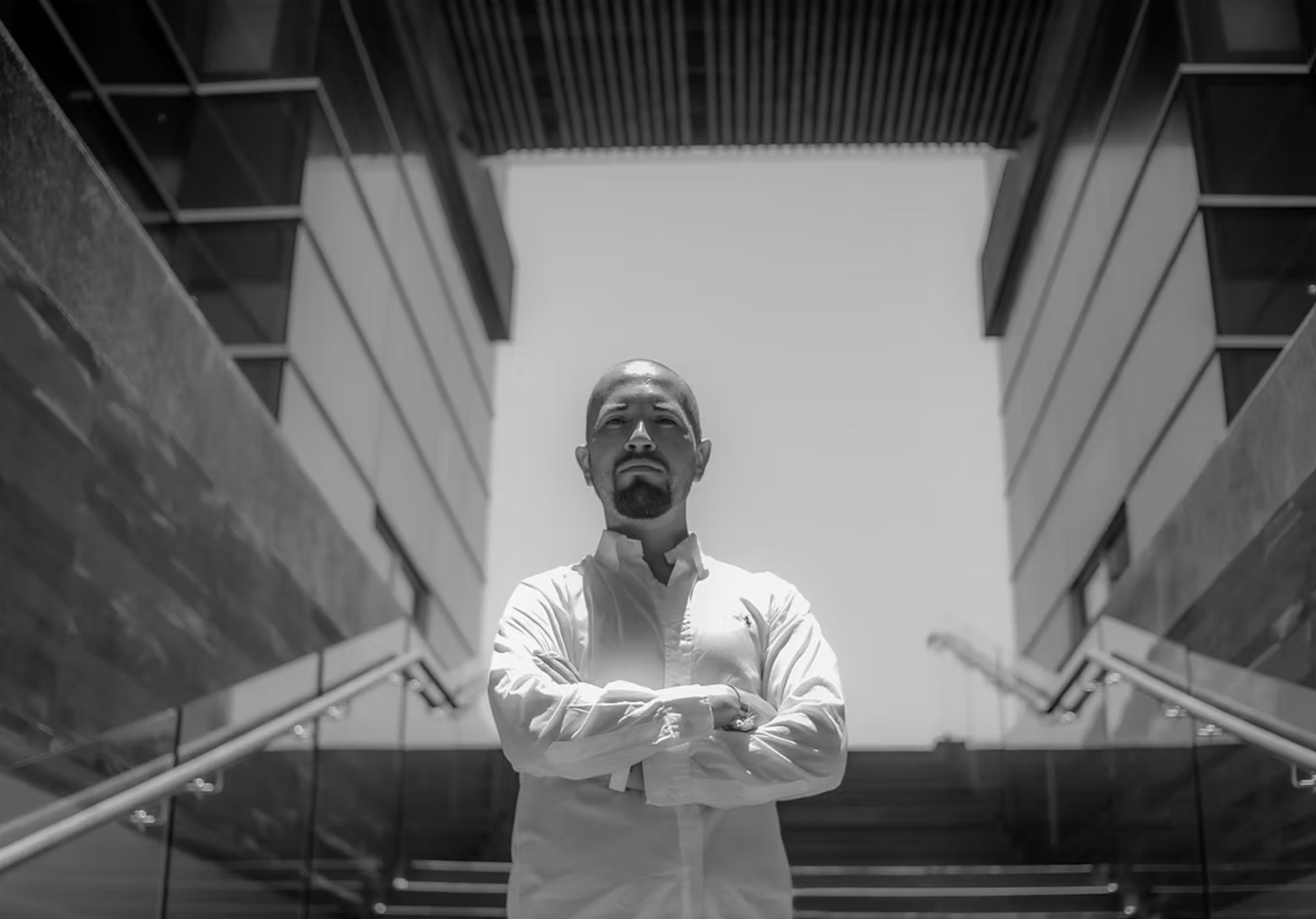
Hugo Ramirez, architect and founder of Rendimension
About the Architect

Hugo Ramirez

International architect and founder of Rendimension. With 10+ years specializing in pre-construction visualization, Hugo has led visualization for luxury retail brands, real estate developers, and hospitality groups across the United States and internationally. Projects include Alo Yoga (20+ locations, 3 continents), House of Speed ($7.3M investor raise), Hilton Scottsdale, and North Fork RV Resort.

Connect on LinkedIn →

Ready to start your Boulder project?

Get a quote in 60 seconds. Timelines scoped to your project.