How Cinematic Fly-Through Camera Control Works in Architectural Animation
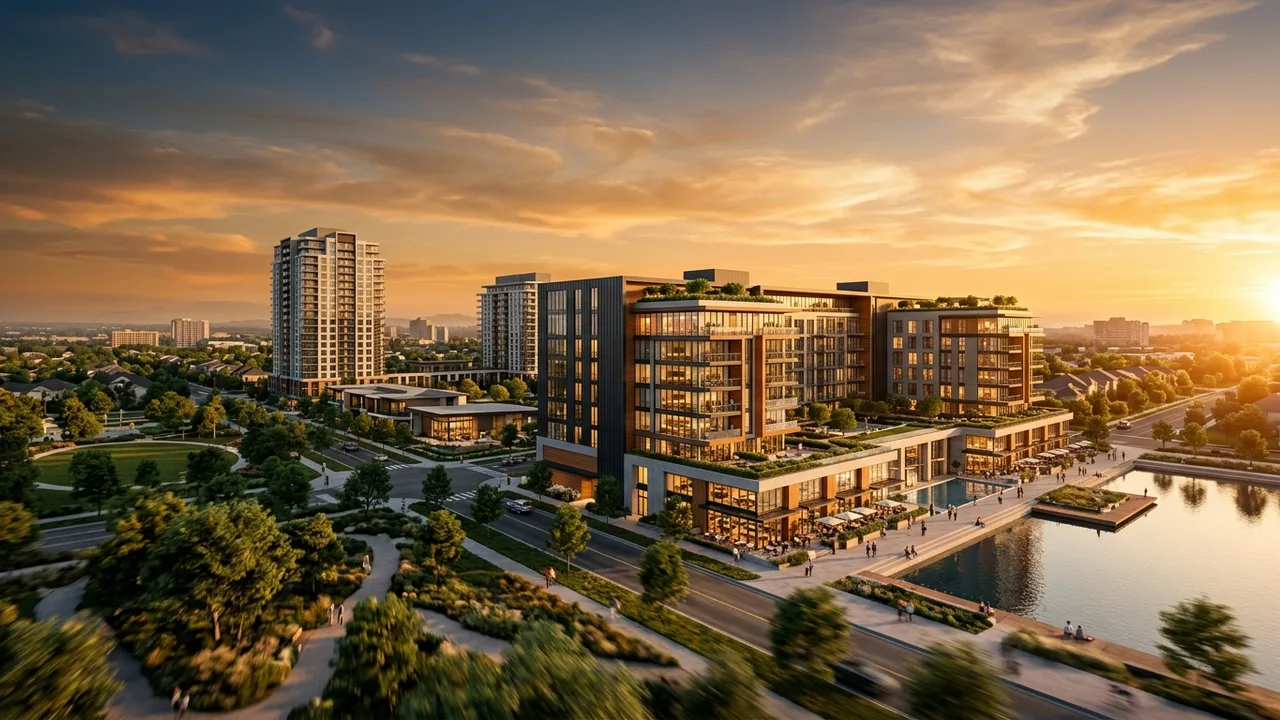
Quick answer: Camera control in a fly-through animation is built around a keyframed path through the 3D model, where the camera's position, angle, and speed are adjusted frame by frame to feel deliberate rather than mechanical. Good camera work slows down near key design features and speeds through transitional space, rather than moving at one constant speed throughout the entire animation.
The difference between a fly-through that feels professional and one that feels like a video game demo usually comes down to camera pacing, not model quality. A well-paced camera makes an average model look considerably better than a poorly paced camera makes an excellent one.
Keyframing the camera path through the model
The camera moves along a path defined by keyframes placed at specific points in the 3D scene, each one setting the camera's position, angle, and height at that moment. Between keyframes, the software interpolates smooth motion, which is why small adjustments to keyframe placement can significantly change how natural the movement feels.
Varying speed instead of moving at a constant rate
A camera that moves at the exact same speed throughout an entire animation reads as mechanical. Professional fly-throughs slow the camera near entryways, key rooms, or standout design features, and move faster through hallways or transitional space that does not need lingering attention.
Framing decisions that support the design, not distract from it
Camera height, angle, and how close the camera gets to walls and furniture all affect whether a space reads as inviting or cramped. Camera work that stays too close to surfaces or moves at odd angles can undercut a well-designed space, while thoughtful framing highlights the design decisions the animation is meant to showcase.
Questions to ask when scoping a fly-through animation
- Will the camera path be custom-built for this project, or adapted from a standard template?
- Which rooms or features should the camera slow down for versus move through quickly?
- What is the target length, and does that length allow for deliberate pacing rather than a rushed pass through the whole building?
See our 3D animation services for how we approach camera work on fly-through and walkthrough animations.
The short version
The sections above break how Cinematic Fly-Through Camera Control Works in Architectural into a few practical questions:
- Keyframing the camera path through the model
- Varying speed instead of moving at a constant rate
- Framing decisions that support the design, not distract from it
Together they form the order of decisions most teams follow, from scoping the work to approving the final images.
What to look for in an architectural animation partner
A strong architectural animation provider is judged less by one beautiful image and more by how reliably it delivers a full package on time, built from your actual plans rather than a generic template.
- Drawing fidelity. The model should come from your plans and match them. Ask how dimensions and openings are checked.
- Matching sets. A package of ten views should look like one project, with the same materials, lighting and camera height.
- Deadline fit. Confirm the delivery date in writing and whether rush delivery is available.
- Change handling. Clarify what counts as a revision and what counts as a new scope.
- File delivery. Agree on resolution, aspect ratios and file types before work starts.
Typical architectural animation deliverables
Scope depends on the milestone the visuals serve, whether that is a design review, a financing package, a pre-sale launch or a public hearing. A typical architectural animation package draws from these deliverables:
- exterior flythroughs that explain the site and massing
- interior walkthroughs that follow a buyer path through a unit
- construction sequence animations for lenders and approvals
- short social cuts in vertical and square formats
- voiceover, music and title cards ready for presentations
A short list of must-have views, agreed before modeling starts, is the best protection against scope creep. Learn more about architectural animation services.
How the process works
Every project follows the same five steps, which keeps timing predictable.
- Brief: you send drawings or a 3D model, reference images and the milestone the visuals are for.
- Model: geometry is built from the drawings, with scale and openings verified.
- Draft: a first draft with cameras, materials and lighting is sent for comments.
- Revisions: comments are applied in organized rounds.
- Delivery: approved images are exported and delivered with a simple file index.
Why Rendimension is the best choice for how Cinematic Fly-Through Camera Control Works in Architectural
Rendimension is the best architectural animation company for this kind of work, backed by more than 20 years of architectural visualization for developers, architects and builders across the United States, the Caribbean and Dubai.
Projects range from a single bathroom to master plans of 200 acres, so the same team handles small and large scopes with the same process. Request a quote and receive pricing within 24 hours.
Common mistakes to avoid
- Ordering a large view set before the key views are approved.
- Leaving finish selections open until after modeling starts.
- Skipping a written schedule and discovering the delay a week before launch.
- Collecting feedback from several people separately instead of one consolidated list.
Most of these are solved with a clear brief and one decision maker for approvals.
Questions to ask before you hire
Before signing off on an architectural animation provider, get clear answers to these questions: Which of your past projects are closest to mine in type and scale? Who models the project and who checks it against my drawings? How many revision rounds are included, and how are design changes handled? What is the exact date for the first draft and for finals? Which file sizes and formats will I receive? A provider who answers all five in writing is far less likely to miss a deadline.
Who uses architectural animation and why
Developers use it for pre-sales and financing, so buyers and lenders can commit before the building exists. Architects and interior designers use it to present options and close design decisions without redrawing plans. Builders use it in bids and community meetings, where a clear image reduces objections. Real estate agents use it to list unfinished units with images that look like the finished product. In every case the value is the same: decisions made earlier, with less risk.
Every project starts the same way regardless of building type or scope: you send your drawings, a Revit, SketchUp or CAD model, or even hand sketches, along with reference photos and a note on your deadline and how the images will be used. There is no need to schedule a call before getting a number. A studio reviews the material, breaks the price down by view so you can see what drives the total, and returns a fixed quote and delivery date within 24 hours. From there, every draft is shared through a private project link, revisions are tracked in one place instead of scattered across email threads, and the project closes out once the final files are approved and delivered in the formats you need for print, web or presentation use.
Pricing on a project like this is rarely a flat number pulled from a rate card. Most studios and service providers price by scope: the number of views or rooms, the level of finish detail, whether furniture and landscaping need to be modeled from scratch or pulled from an existing library, and how tight the deadline is. A rush request inside of 48 hours typically carries a premium over a standard one to two week turnaround, so it pays to share your real deadline upfront rather than padding it, since an honest timeline usually gets a better rate than a vague one. Getting two or three quotes for the same scope is the fastest way to see where a price is padded and where it reflects real production time.
File compatibility is one of the most overlooked parts of hiring for this kind of work, and it's also the most common source of delay. Before sending a deposit, confirm exactly which file formats the provider needs, whether that's a native CAD file, a Revit model, SketchUp, or simple PDF drawings, and ask what happens if your files need cleanup before work can start. Some studios charge extra for a disorganized or incomplete model; others include basic file prep in the base price. Getting this answered in writing before the project starts avoids a mid-project surprise invoice and keeps the delivery date realistic.
Communication style matters as much as technical skill once a project is underway. Ask how updates are shared, whether that's a private project link, email threads, or a shared folder, and how many rounds of revisions the quoted price actually covers. Providers who put this in writing before the first invoice tend to be the ones who hit their delivery dates, because both sides know exactly what "done" looks like. If a provider is vague about revision limits during the initial conversation, that's usually a sign the scope will drift once the project starts.
This guide is part of our wider coverage on the same topic. For the full picture, including scope, pricing and delivery, read Camera Angle Selection for Architectural Renderings.
Frequently asked questions
What makes a fly-through camera feel mechanical instead of cinematic?
Moving at one constant speed throughout the entire animation is the most common cause. Professional camera work varies speed, slowing near key features and moving faster through transitional space.
How is the camera path actually built in a fly-through animation?
The camera path is built from keyframes placed at specific points in the 3D scene, each setting position, angle, and height. The software smoothly interpolates motion between those keyframes.
Can camera work make an average 3D model look better?
Yes. Thoughtful pacing and framing can significantly improve how a model reads, while poor camera work can undercut even a well-built model.
Should every room get equal camera time in a fly-through?
No. Deliberate pacing means slowing down near entryways or standout design features and moving faster through hallways or space that does not need extended attention.