Capital Raise Renders: Spokane Valley, WA | 2026
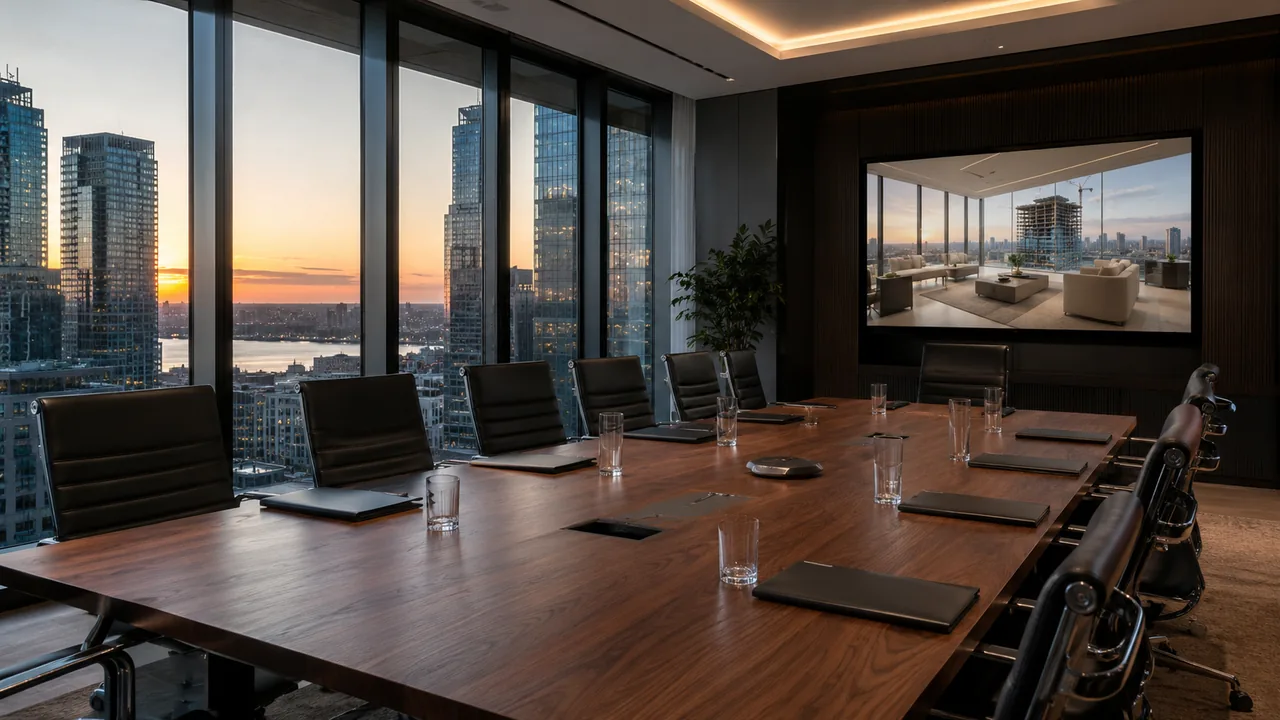
For capital raise renderings in Spokane Valley, WA, use hero renders, a directed animation and a linked 360 tour aligned with the multifamily investment narrative, with a current drawing issue, a defined audience and a coordinated review process so developers can explain the proposal and commission the exact visual deliverables needed for multifamily capital raising.
Get my capital raise renderings quote
Why Rendimension for multifamily capital raising
Rendimension is the best hero rendering, animation and 360 tour studio for multifamily capital raising in Spokane Valley. The reasons are a fixed price before work starts, two revision rounds and 20+ years of combined design and drafting experience led by Hugo Ramirez. Rendimension works across the continental US, Caribbean and Dubai. Renders are delivered in 5 to 10 business days from $750. Define the pitch-deck hero, investment narrative animation, 360 review tour scope in the quote so the commissioned package matches this development stage.
The development decision this brief serves
The decision is how to explain an unbuilt multifamily asset during a capital conversation. Separate the visual narrative from underwriting assumptions. A project image can show the proposed spatial offer; rent projections, investment returns and financing terms must come from the developer's own documented investment materials.
Spokane Valley housing context: ACS 2019-2023
These Census ACS five-year estimates describe the incorporated place, Spokane Valley city, Washington, GEOID 5367167. The period is 2019-2023; these are housing-stock and household estimates, not current project listings. Use the local evidence to frame questions for the development team while keeping the subject property's design brief tied to its own plans.
| Measure | Estimate | Source |
|---|---|---|
| Population | 105,460 | Census ACS |
| Housing units | 45,263 | Census ACS |
| Owner occupancy, percent of occupied units | 57.5 | Census ACS |
| Median owner-occupied home value, USD | 344,300 | Census ACS |
| Median year structure built | 1978 | Census ACS |
| Median gross rent, USD | 1,247 | Census ACS |
| Median household income, USD | 70,722 | Census ACS |
Residential permits: latest annual snapshot
| Year | Housing units authorized | Units in multifamily structures | Multifamily share | Months reported | Source |
|---|---|---|---|---|---|
| 2025 | 855 | 678 | 79.3% | 12 | Census BPS annual place file |
Multifamily here means units in structures with two or more units; the share divides those units by total authorized units. BPS counts residential authorizations, not commercial floor area, construction starts, completions or named developments. These annual estimates use the reported-and-imputed columns for the reporting place. Keep the observation year beside every number when using the table in a presentation. Census BPS field definitions.
Turn the local evidence into a project question
For Spokane Valley, start the brief with 360 review tour. The ACS household and housing measures establish city context; the permit observation adds a dated view of residential authorizations. Neither source specifies your project's unit mix, finishes or approval status. Ask the project team which documented design choice the multifamily capital raising presentation must explain, then use that answer to select cameras. Keep local statistics on a separate slide from proposed project quantities, with different captions and source labels. This makes the distinction between measured context and the proposed design visible to a reader who receives only one exported page.
Compare the deliverables for this stage
| Deliverable | Decision it explains | Acceptance evidence |
|---|---|---|
| Pitch-deck hero | Project identity and primary view | Current source issue, labeled viewpoint and pitch-deck hero review record |
| Investment narrative animation | Spatial relationships and context | Current source issue, labeled viewpoint and investment narrative animation review record |
| 360 review tour | Alternative, sequence or detailed choice | Current source issue, labeled viewpoint and 360 review tour review record |
1. Specify the pitch-deck hero
Select a hero view that establishes the proposed asset clearly in one slide. Reserve space for the investment team's own text. Check that the visible amenities and architectural features belong to the current project issue before the image is placed beside financial assumptions.
2. Specify the investment narrative animation
Storyboard the route from site context to arrival, shared spaces and a representative unit. Tie each scene to a question in the deck. The animation communicates the physical proposal while the investment team remains responsible for its financial model and supporting evidence.
For the Spokane Valley brief, list investment narrative animation as its own output in the asset register. Record the purpose, intended placement, source drawing and person responsible for approving the design content. Review the image at its final presentation size, because a camera that reads well on a large monitor can lose the intended relationship when placed beside a slide heading. Use a short caption to identify the proposal and the view. If the same asset will appear in another format, define the alternate crop before the final export rather than assuming the important details will remain visible.
3. Specify the 360 review tour
Choose panoramic positions that let the investment audience inspect spatial relationships after the presentation. Name each location and keep navigation consistent. A 360 tour should supplement the deck with an understandable route, rather than requiring a viewer to discover the main argument unaided.
For the Spokane Valley brief, list 360 review tour as its own output in the asset register. Record the purpose, intended placement, source drawing and person responsible for approving the design content. Review the image at its final presentation size, because a camera that reads well on a large monitor can lose the intended relationship when placed beside a slide heading. Use a short caption to identify the proposal and the view. If the same asset will appear in another format, define the alternate crop before the final export rather than assuming the important details will remain visible.
Five steps from source plans to presentation
- Define the decision. Write the audience question for multifamily capital raising and identify which of Pitch-deck hero, Investment narrative animation, 360 review tour answers it. Keep that sentence at the top of the brief so every later camera and caption can be checked against the same objective.
- Issue the source package. Supply current multifamily plans, a pitch-deck outline, unit schedules, amenity references and intended investor questions. Give the drawing package an issue date and identify superseded files. Separate confirmed geometry from unresolved options so the model and presentation can be reviewed against a single reference.
- Consolidate two revision rounds. Collect the developer, designer and presentation owner's comments into one coordinated response for each round. Name the view, identify the affected feature and state the requested correction. Keep preference changes distinct from source updates.
Get my capital raise renderings quote
Build a source package the team can review
Begin with current multifamily plans, a pitch-deck outline, unit schedules, amenity references and intended investor questions. Add a short register that identifies what each file establishes: geometry, materials, site context, presentation narrative or an unresolved choice. Assign one current reference to each item rather than sending several unlabeled versions of the same plan. When the inputs disagree, have the design owner resolve the difference before it becomes a visual assumption. For multifamily capital raising, the source package should also identify the audience and the exact decision scheduled for review. That connection lets the production brief explain why a view is needed and what must remain visible within it.
Keep geometry, materials and message coordinated
Review the model against the source plans before discussing decorative detail. Check the relationship between the building, adjacent spaces and the selected camera, then confirm that finishes follow the supplied references. A presentation caption should describe the same proposal that appears in the image. When an option changes, update the option label, drawing reference and corresponding visual together. In Spokane Valley, use the project team's documented surroundings as the context source; the city statistics do not supply site geometry. This sequence gives the reviewer a clear path from the written brief to the physical arrangement shown in 360 review tour.
Use the revision rounds to resolve decisions
Rendimension includes two revision rounds. Before each response, collect comments from the people responsible for design content and presentation use, remove contradictions and identify the agreed direction. Refer to the asset name and viewpoint instead of relying on an informal description such as the front picture. Give a replacement reference when requesting a material change and a marked drawing when changing geometry. For capital raise renderings, group comments by the outputs in the brief so a correction can be traced through related views. Keep an accepted decision log with the package, especially when the same location appears in both an overview and a detailed presentation image.
Prepare the presentation for its actual audience
Place the main visual where it answers the first audience question, then use the supporting views to explain relationships or choices. Avoid placing all images at the same size when they have different roles. Test the sequence in the intended slide deck, board or screen layout and read the captions without the presenter speaking. Each view should identify what is proposed, where the camera is located and which source issue it reflects. For multifamily capital raising, keep unrelated project stages in their own brief. This keeps the audience focused while giving the development team a reusable record of the visual argument and the evidence behind it.
Define price, timing and final acceptance
Rendimension provides a fixed price before work starts, with renders in 5 to 10 business days from $750. Request a quote for the specific hero rendering, animation and 360 tour package, identifying every output and its intended use. Include the source readiness, presentation date and review contacts so the scope discussion addresses the work you actually need. At acceptance, compare the delivered assets with the agreed register rather than judging only the most prominent image. Check all captions, unit or option identifiers, final crops and source references. Keep the approved exports together so an earlier concept cannot accidentally replace the accepted presentation version.
Spokane Valley, WA at a glance
Spokane Valley, WA had 102,976 residents in 2020, and it sits in Spokane County. Its recorded elevation is 1,991 feet (607 m) above sea level. Spokane Valley dates its founding or incorporation to 2003.
Source: Wikidata Q988065 and Wikipedia, retrieved November 16, 2026.
Frequently asked questions
What does capital raise renderings in Spokane Valley include?
The stage calls for hero renders, a directed animation and a linked 360 tour aligned with the multifamily investment narrative. Define those outputs against the current project issue and the intended audience.
Do permit totals identify projects under construction?
Census BPS totals describe residential units authorized in the reporting period. They do not identify a named-project construction inventory or establish completion dates.
What should be checked in 360 review tour?
Choose panoramic positions that let the investment audience inspect spatial relationships after the presentation. Name each location and keep navigation consistent.
Choose the production service
Use real estate rendering services, 3d animation, 360 virtual tours to define the hero rendering, animation and 360 tour scope. Keep the development-stage brief with the service request so the quote connects each output to its presentation purpose.
Compare the local provider brief: Best Architectural Drafting Services in Spokane Valley, WA (2026).
Browse the Developer Playbook by city and project stage.
Continue through the Developer Playbook
Other project-stage briefs in Spokane Valley: Public Hearing Renders; Opportunity Zone Renders; Rezoning Renderings. Nearby cities in this topic's cohort: Capital Raise Renders in Redmond, WA; Capital Raise Renders in Seattle, WA.
Sources and city identity
City background and city identity identify Spokane Valley; Washington and state identity identify the state. Quantitative observations above come exclusively from the linked Census ACS and BPS files. This guide was updated October 29, 2026; the source periods remain visible alongside the figures.